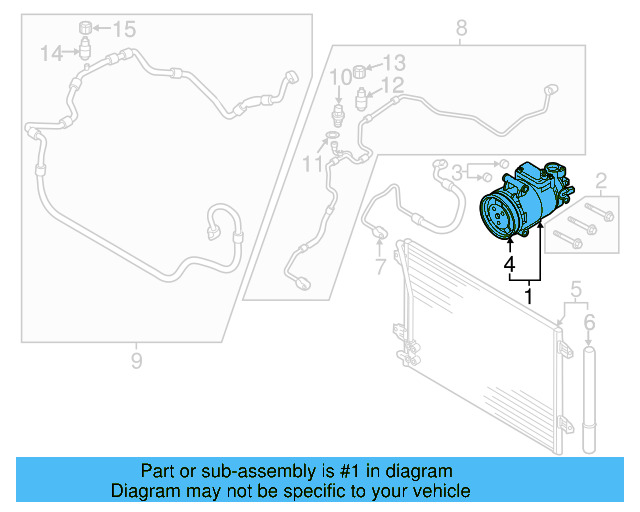
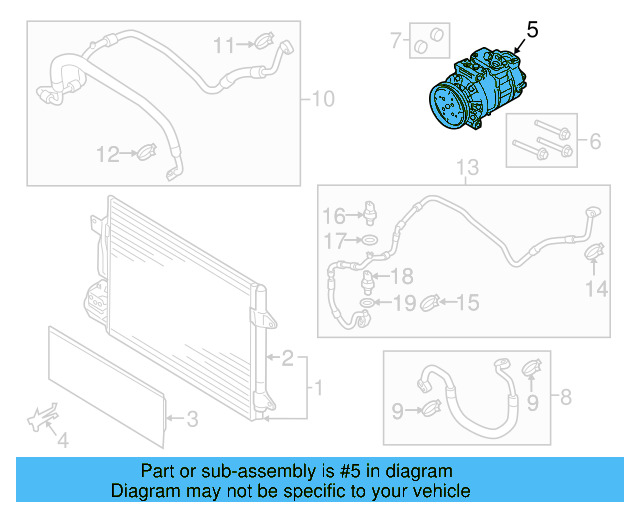
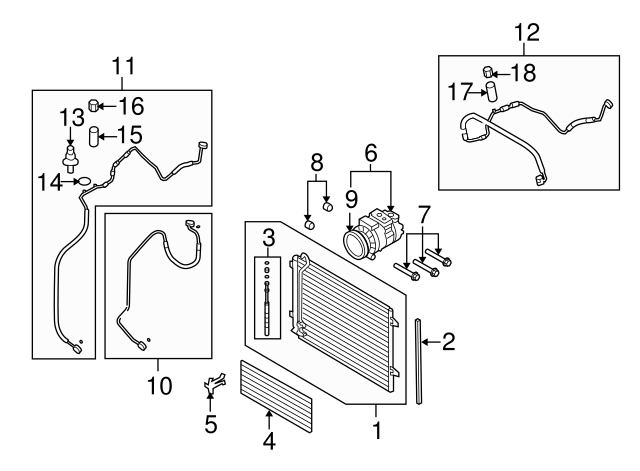
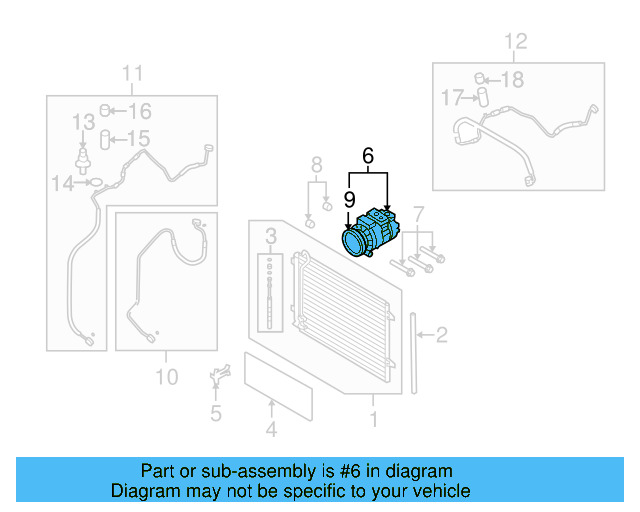
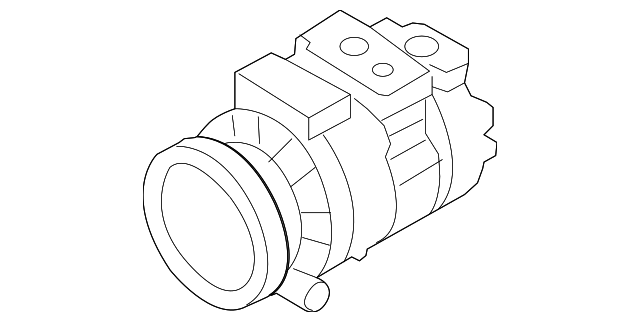
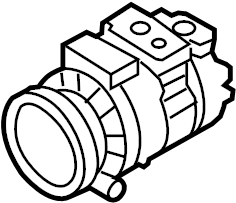
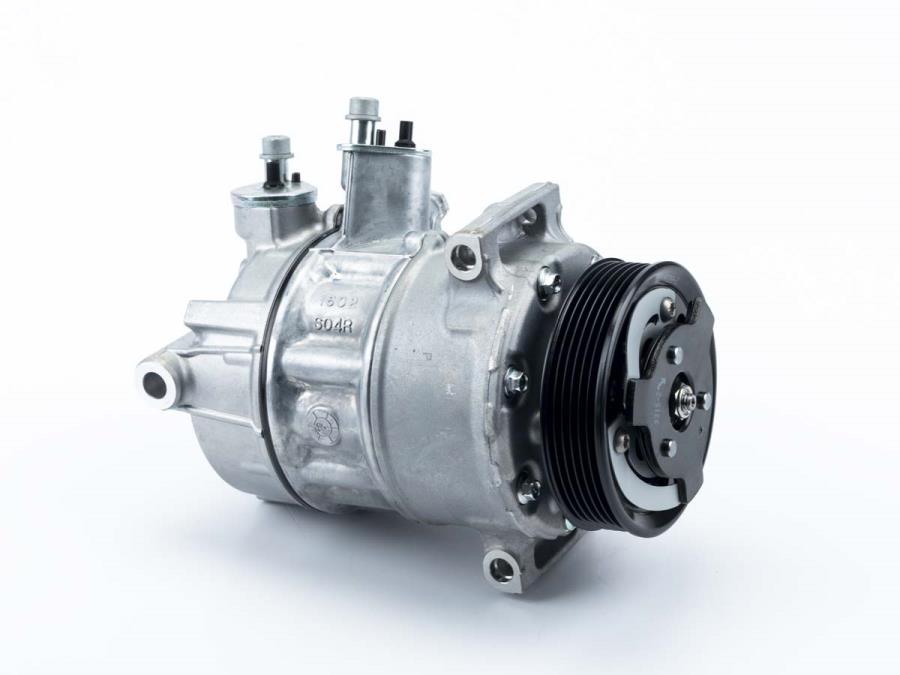
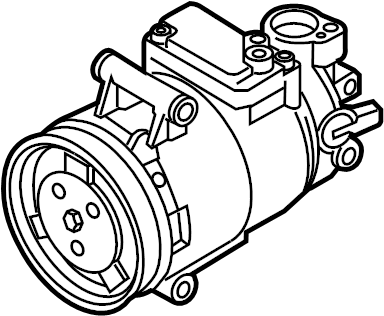
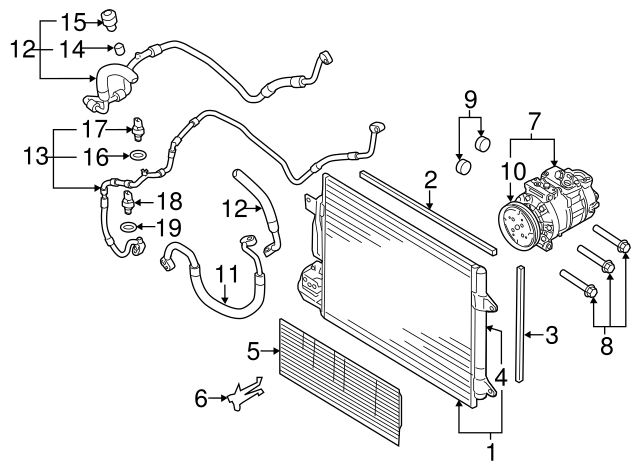
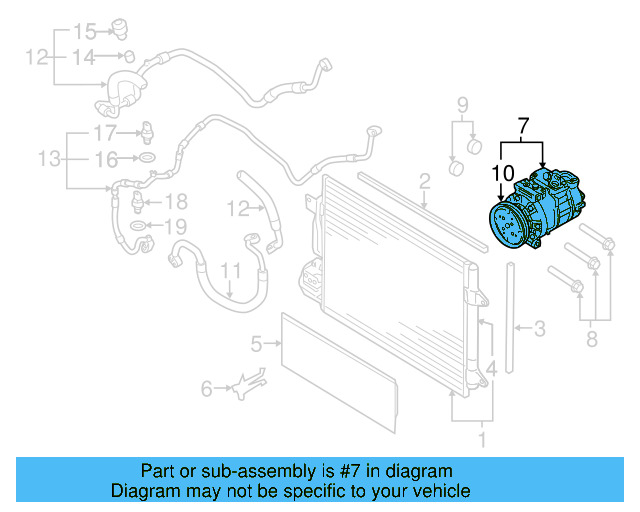
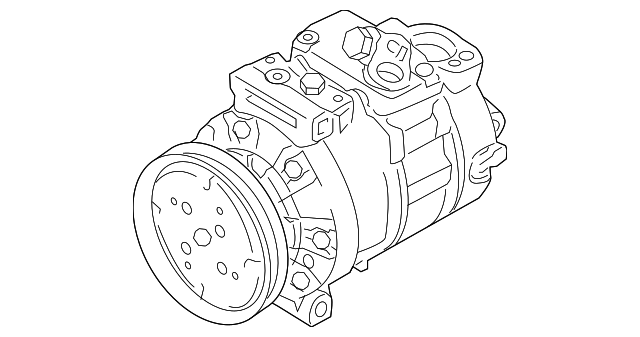
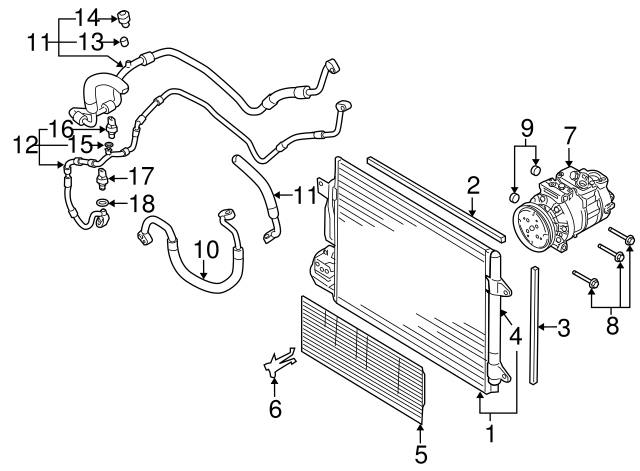
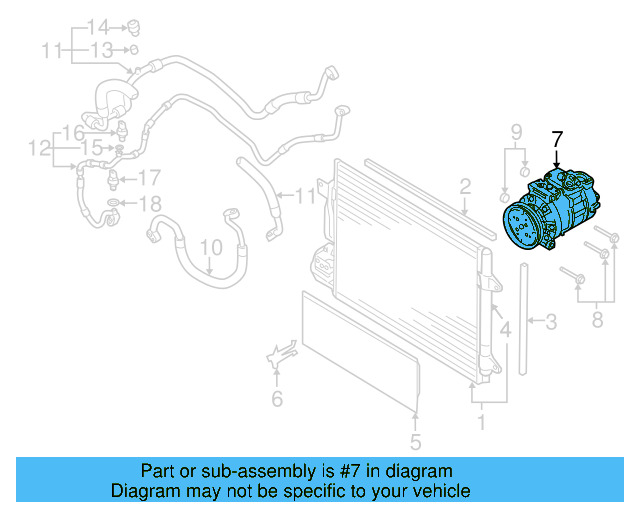
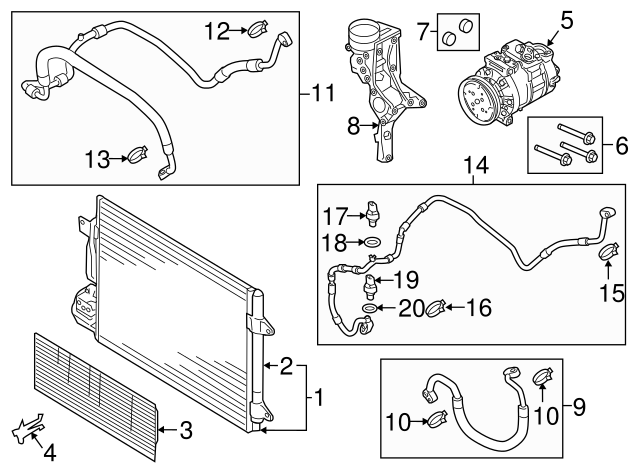
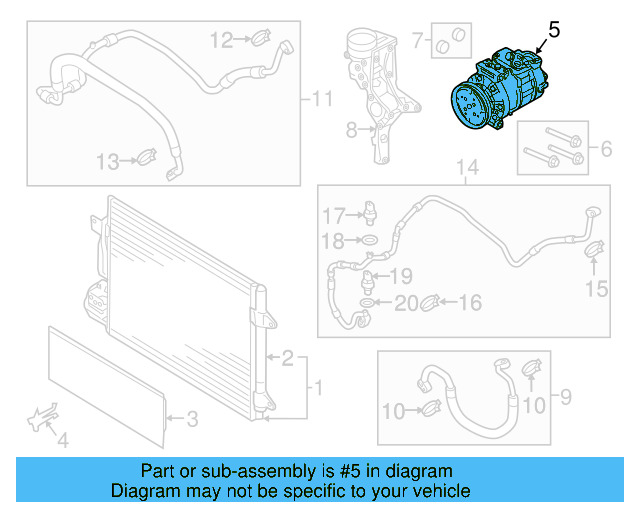
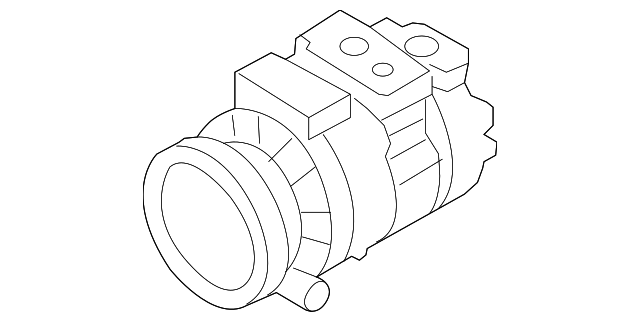
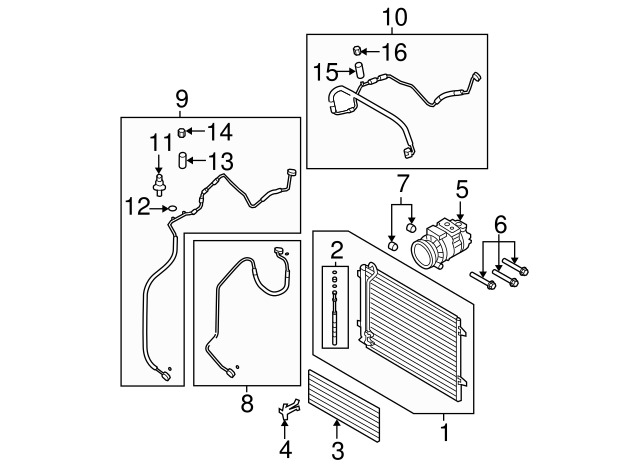
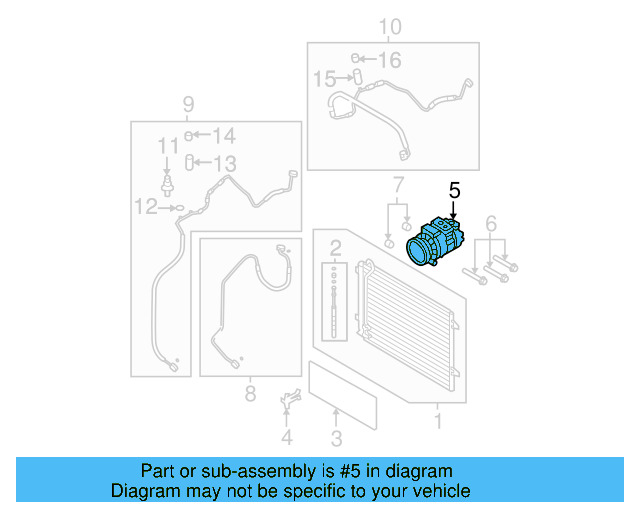
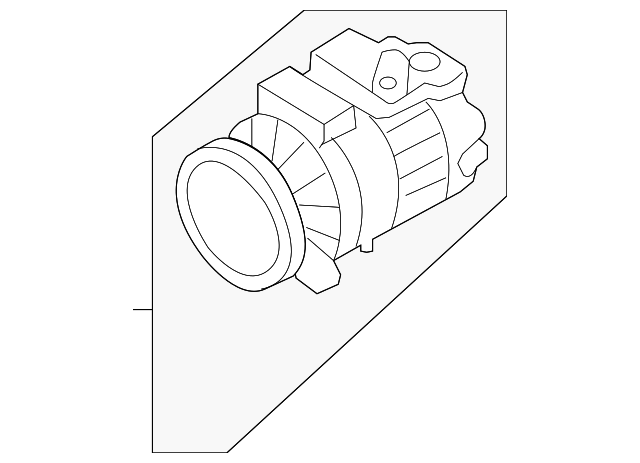
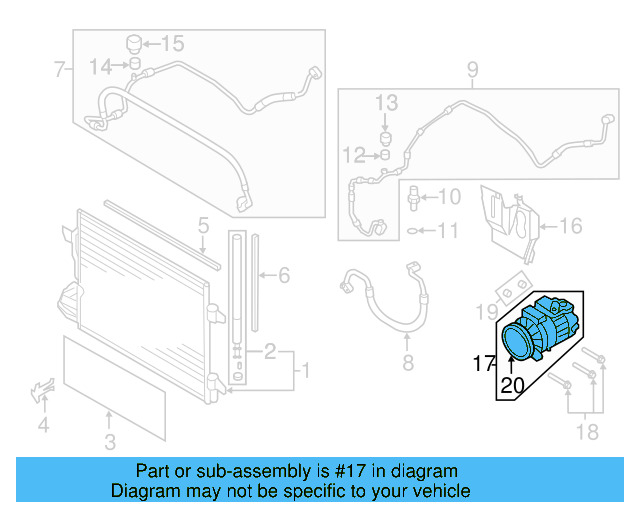
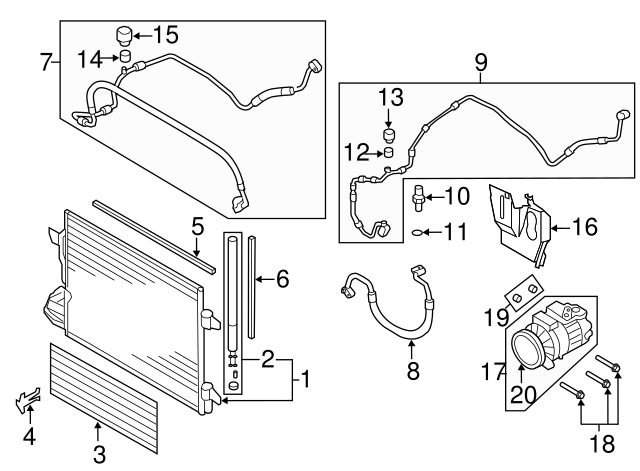
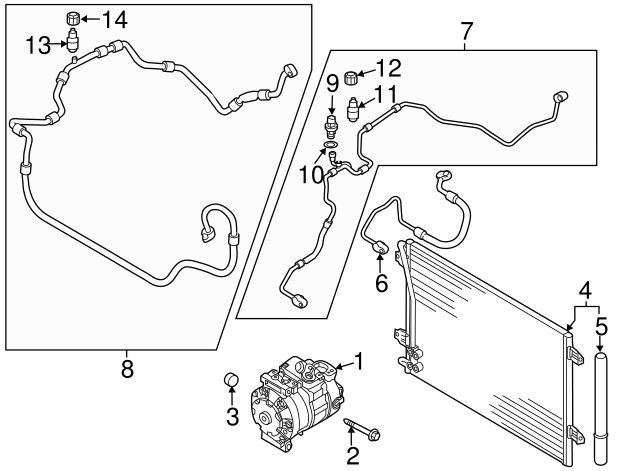
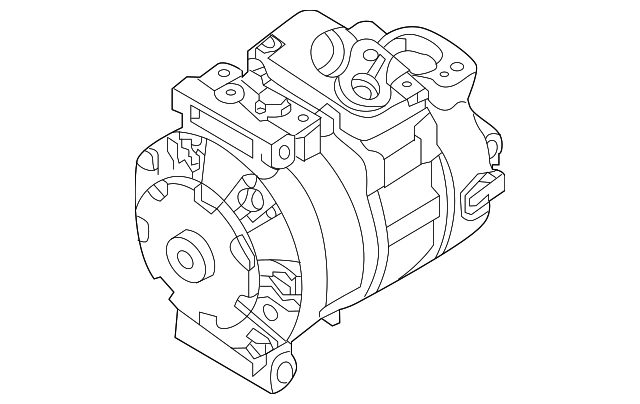
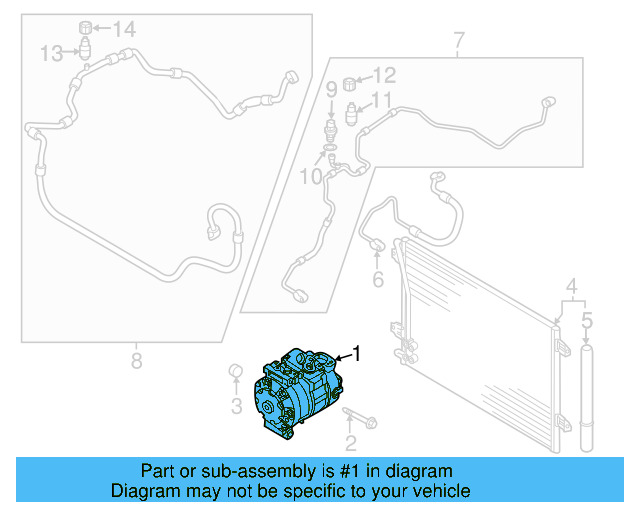
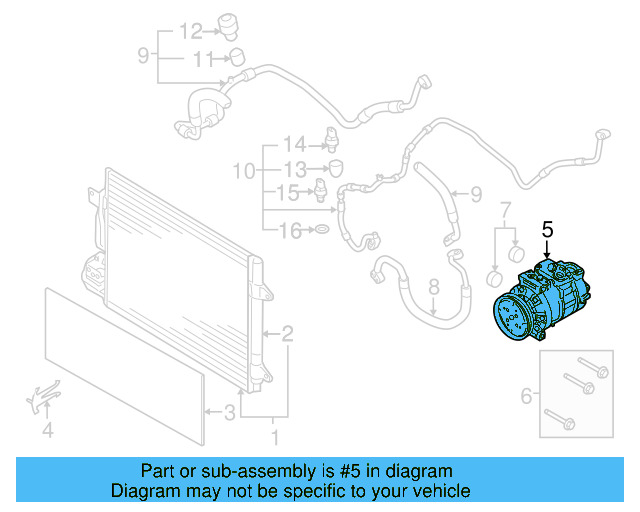
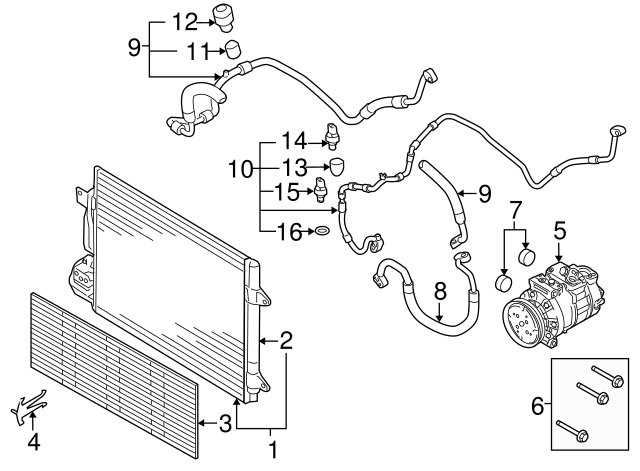
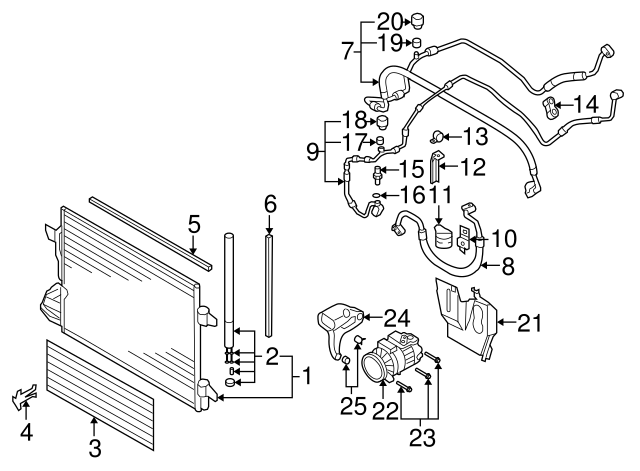
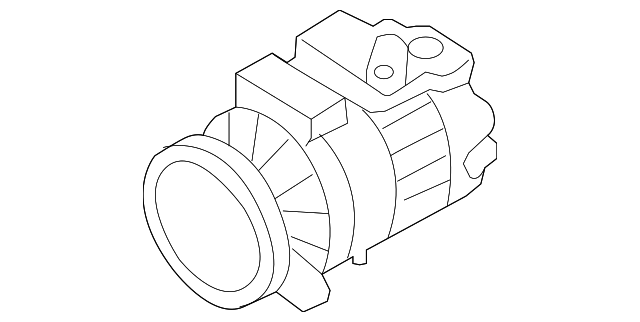
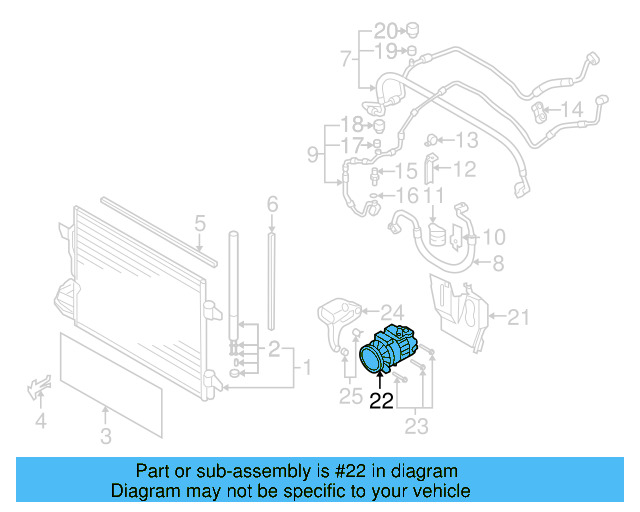
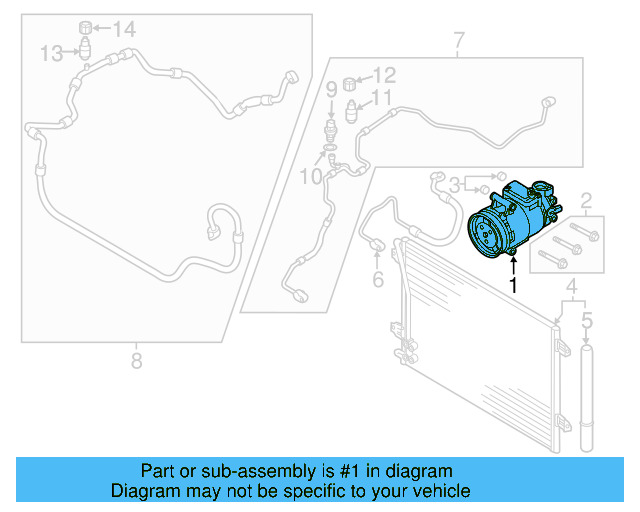
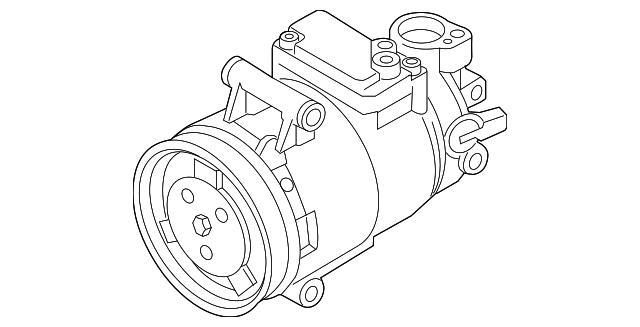
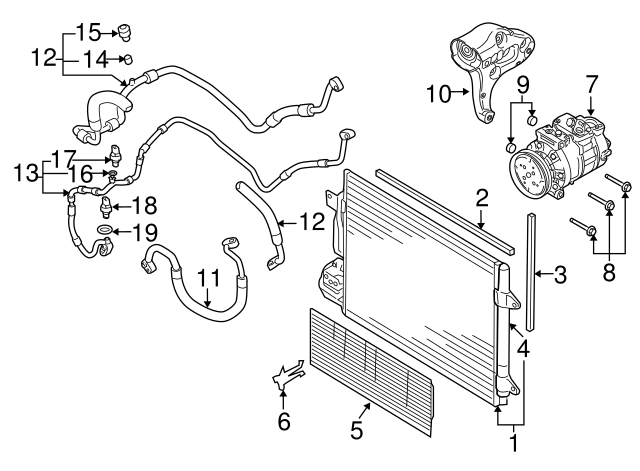
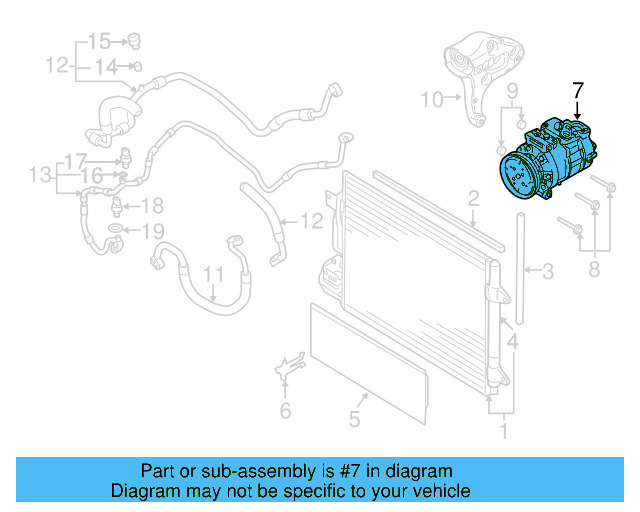
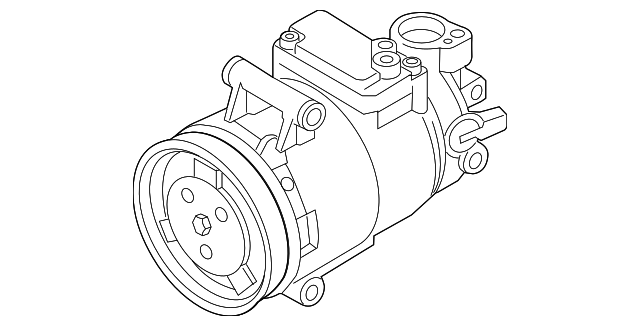
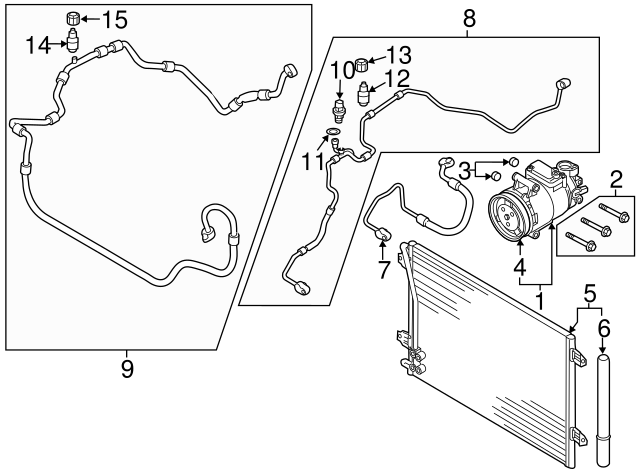
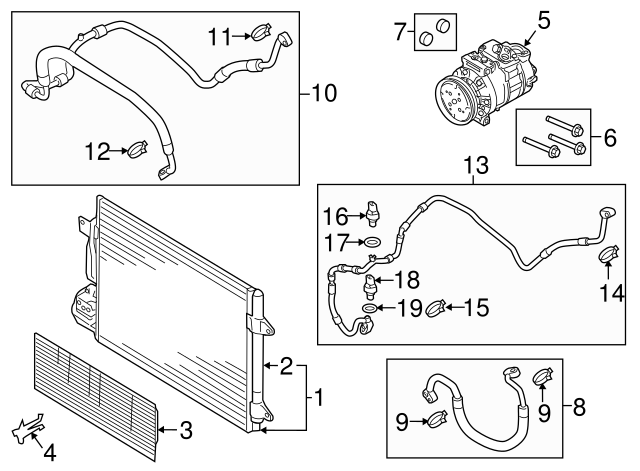
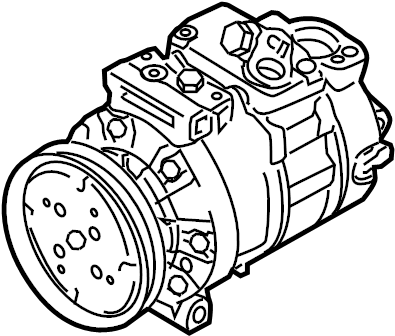
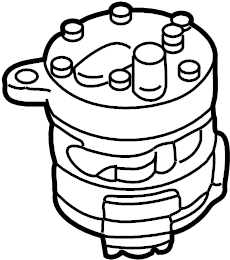
A/C Compressor 1K0-820-808-F
Neglecting the A/C compressor can lead to a complete failure of the air conditioning system. Common signs of a failing compressor include unusual noises, poor cooling performance, or the air conditioning system not turning on at all. Regular maintenance and timely replacement help prevent further damage to associated components.
Choosing an OEM part with the number 1K0-820-808-F ensures that the A/C compressor meets manufacturer standards for durability and efficiency. This part is engineered for seamless integration with existing systems, reducing the risk of future breakdowns and ensuring reliable climate control in any driving condition.
Available in Stores
| Seller | Price | Action |
|---|---|---|
|
Leith Volkswagen
Official Dealer
|
— |
| Seller | Price | Action |
|---|---|---|
|
Volkswagen
New
|
$1,052 $834 | |
|
Capitol Volkswagen
New
|
$954 | |
|
SwedishAvtoParts
New
|
$78 |
| Seller | Price | Action |
|---|---|---|
|
A20 Разборка
Used
|
$99 | |
|
AutoLuzk
Used
|
$109 | |
|
Авто-злом
Used
|
$149 |
| Seller | Price | Action |
|---|---|---|
|
Lewisville Volkswagen
New
|
$815 $733 |
| Seller | Price | Action |
|---|---|---|
|
Private seller
Used
|
$156 | |
|
Private seller
New
|
$250 | |
|
Private seller
New
|
$63 |
Vehicle Fitment
Vehicles confirmed compatible with this part
No vehicle fitment information available for this part.

Technical Specifications
| OEM Part Number | 1K0820808F |
|---|---|
| Manufacturer | Sanden |
| Refrigerant Type | R134a |
| Compressor Oil | PAG 46 |
| Voltage | 12V |
| Weight | Approx. 13.47 lbs (6.11 kg) |
| Mounting | Engine bracket, multi-bolt |
| Drive Type | Serpentine belt with electromagnetic clutch |
| Dimensions | — |
| Thread / Port Size | — |
Built by Sanden, the original equipment supplier for Volkswagen Group, ensuring direct fitment and performance matching factory specifications.
Designed exclusively for R134a refrigerant systems and requires PAG 46 compressor oil for proper lubrication and longevity.
Compatible with multiple Volkswagen and Audi platforms including Golf, CC, Beetle TDI, and Audi A3, spanning model years 2005 through 2022.
Compatible Aftermarket Alternatives
The following aftermarket parts are confirmed direct equivalents for OEM 1K0-820-808-F, cross-referenced from major manufacturer catalogs.
| Manufacturer | Part Number | Notes | Dimensions (mm) |
|---|---|---|---|
| Volkswagen OEM (Sanden) | 1K0820808F | Genuine OEM unit sourced directly from VW dealerships. Exact factory specification, includes clutch assembly. Recommended | — |
| Nissens | 890632 | Well-regarded aftermarket brand with OEM-level quality. Confirmed direct replacement for this application. | — |
| Sanden Aftermarket | 1K0820808F | Sanden-branded remanufactured or aftermarket unit. Same manufacturer as OEM; verify new vs. reman when ordering. | — |
| UAC (Universal Air Conditioner) | CO 11201C | Common aftermarket option widely available in the US market. Verify fitment against vehicle VIN and engine code before ordering. | — |
Always verify fitment against your VIN before ordering.
How to Replace the A/C Compressor
Replacing the 1K0820808F A/C compressor requires refrigerant recovery equipment and is recommended for experienced DIYers or professional technicians. Always consult the vehicle-specific service manual for torque values and refrigerant charge quantities before beginning work.
-
Recover Refrigerant
Using certified A/C recovery equipment, safely evacuate all R134a refrigerant from the system. This step is legally required and must not be skipped. Record the amount recovered for reference during recharge.
-
Disconnect Battery
Disconnect the negative terminal of the vehicle battery to eliminate electrical hazards before working near the compressor clutch wiring.
-
Remove Serpentine Belt
Relieve tension on the belt tensioner and slide the serpentine belt off the A/C compressor pulley. Note the belt routing before removal.
-
Disconnect Electrical Connector
Unplug the electromagnetic clutch electrical connector from the compressor. Release the locking tab carefully to avoid damaging the connector body.
-
Detach Refrigerant Lines
Remove the high-pressure and low-pressure refrigerant line fittings from the compressor ports. Cap the lines immediately to prevent moisture and contamination from entering the system.
-
Remove Mounting Bolts and Old Compressor
Unscrew the mounting bolts securing the compressor to the engine bracket. Support the compressor as you remove the final bolt and carefully extract it from the engine bay.
-
Install New Compressor
Position the new 1K0820808F compressor onto the engine bracket. Hand-tighten mounting bolts first, then torque to the specification listed in the vehicle service manual. Reconnect refrigerant lines, the electrical connector, and route the serpentine belt.
-
Evacuate, Recharge, and Test
Pull a deep vacuum on the A/C system for at least 30 minutes to remove air and moisture, then recharge with the correct amount of R134a and PAG 46 oil per the vehicle specification. Reconnect the battery, start the engine, and verify cold air output and proper clutch engagement.
Signs of a Worn Part
-
No Cold Air from Vents
The A/C system blows ambient or warm air despite the system being switched on, indicating the compressor is not compressing refrigerant effectively.
-
Grinding or Rattling Noise
Loud grinding, squealing, or rattling sounds from the front of the engine, especially when the A/C is engaged, suggest worn internal compressor bearings or clutch components.
-
Visible Refrigerant or Oil Leak
Oily residue or visible refrigerant staining around the compressor body or line connections points to a failing shaft seal or damaged port fitting.
-
Clutch Not Engaging or Cycling Rapidly
The compressor clutch fails to engage when A/C is selected, or engages and disengages repeatedly in quick succession, which may indicate low refrigerant charge or an electrical fault in addition to mechanical wear.
-
Abnormal System Pressures
A manifold gauge reading shows excessively low high-side pressure or unusually high low-side pressure, indicating the compressor is no longer building adequate compression.
Replacement Intervals
A/C compressor lifespan is heavily influenced by refrigerant charge level, oil quantity, and system cleanliness. A contaminated system from a previous compressor failure will shorten the life of any replacement unit if not properly flushed before installation.
Frequently Asked Questions
Does the 1K0820808F come with the clutch assembly included?
The OEM part includes the electromagnetic clutch as an integrated assembly. Confirm with aftermarket suppliers whether their listing includes the clutch, as some sell the compressor body separately.
What refrigerant and oil does this compressor require?
This compressor is designed for R134a refrigerant and requires PAG 46 compressor oil. Using the wrong oil type or viscosity can cause premature internal wear and void any warranty on the new unit.
Can I replace the 1K0820808F myself, or does it require a shop?
Refrigerant recovery and recharge legally require certified equipment and technicians in most regions. While the mechanical removal and installation can be performed by a skilled DIYer, the refrigerant handling steps must be done by a certified A/C technician.
Will the superseded OEM numbers (e.g. 1K0820808B or 1K0820803G) fit my vehicle?
Yes, the listed superseded part numbers are functionally equivalent revisions of the same compressor. The 1K0820808F is the current active part number and represents the latest revision from Volkswagen.
Do I need to flush the A/C system before installing a new compressor?
If the old compressor failed internally (e.g., bearing seizure or debris), it is strongly recommended to flush the condenser, evaporator, and lines, and to replace the receiver-drier. Metal debris from a failed compressor will destroy a new unit if not removed.
How do I confirm this part fits my specific vehicle?
Verify fitment using your vehicle's full VIN, engine code (found on the door jamb sticker or in the owner's manual), and production date. The same model year vehicle may use different compressors depending on engine variant and market specification.
Found an Error?
Help us improve! If you've spotted an error on the site or in the data, let us know and we'll fix it as soon as possible.