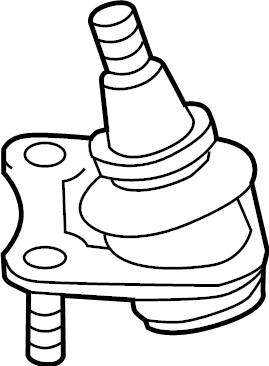
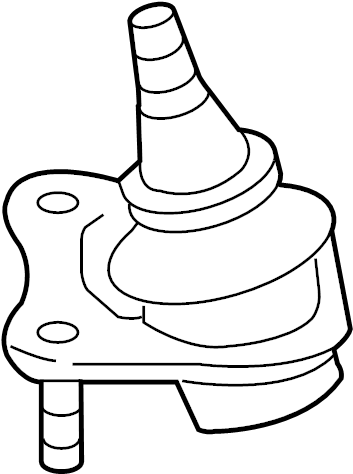
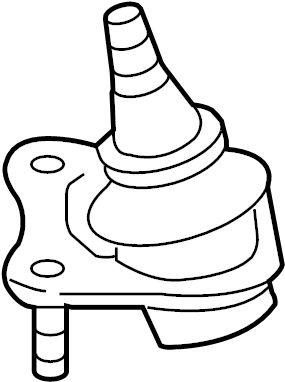
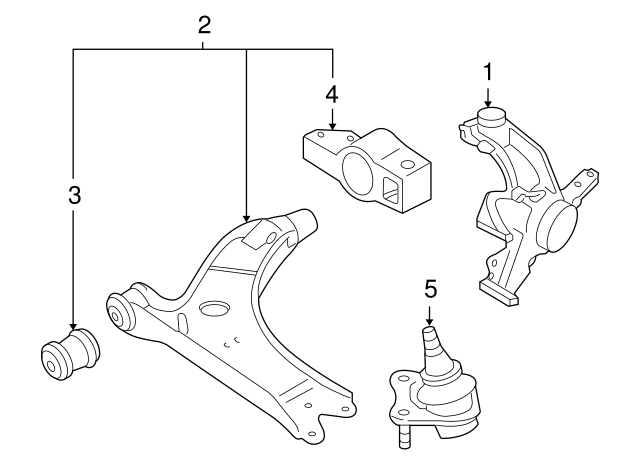
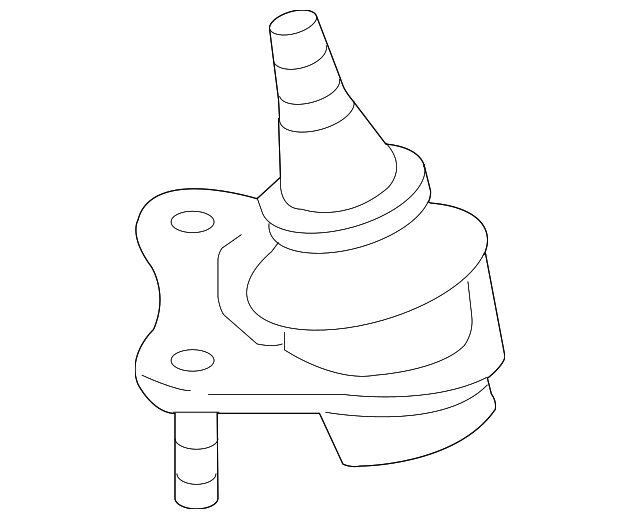
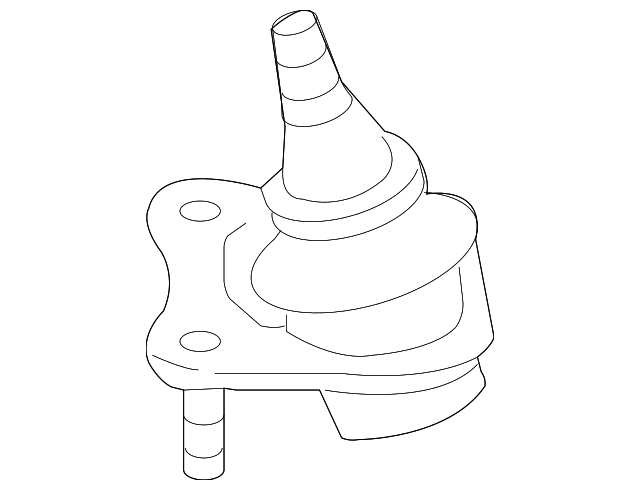
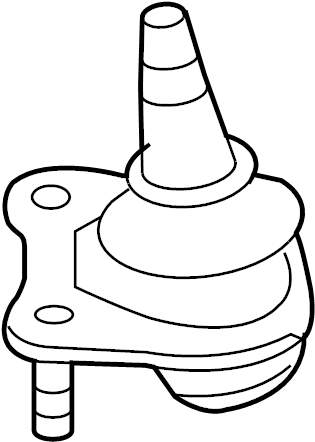
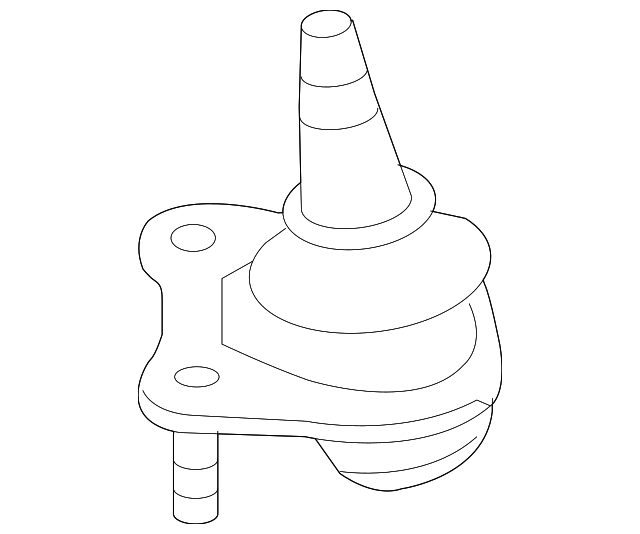
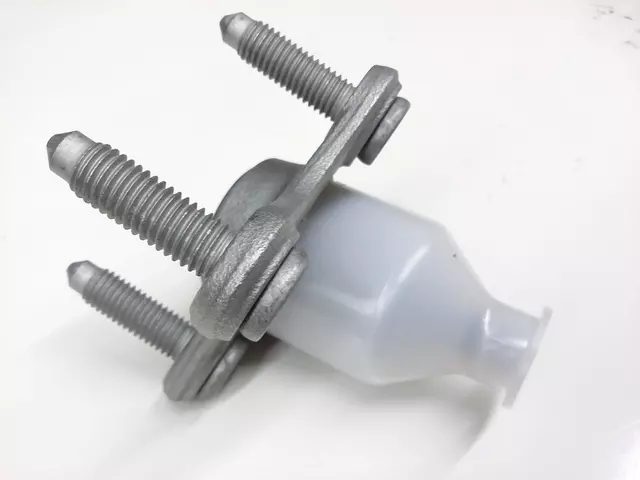
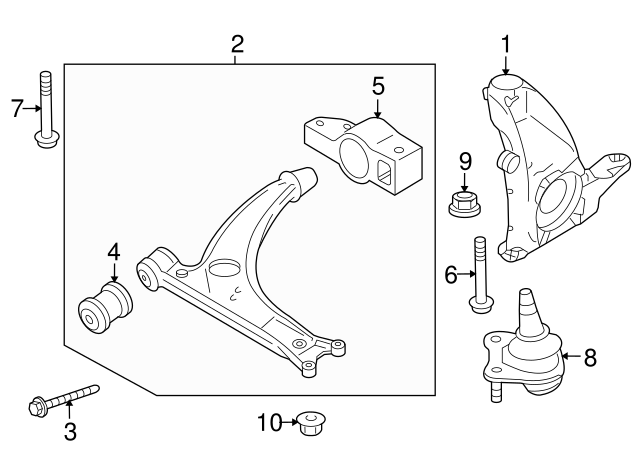
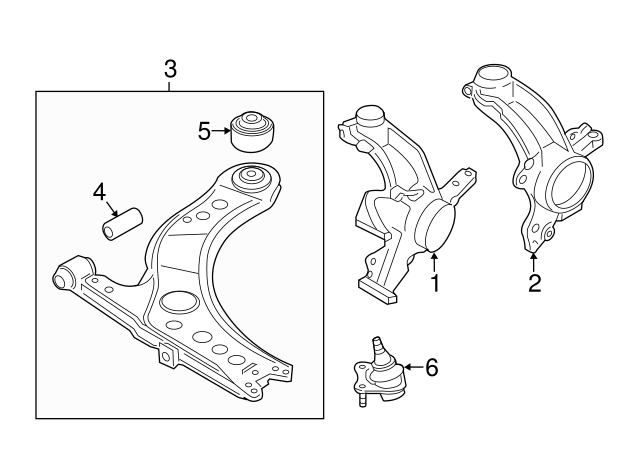
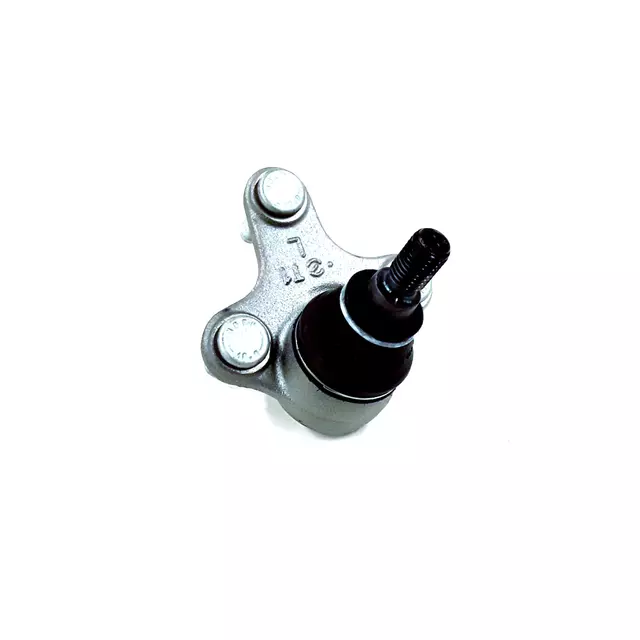
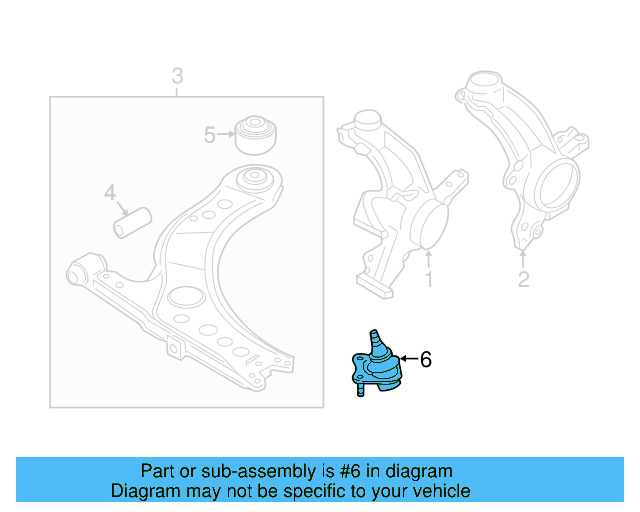
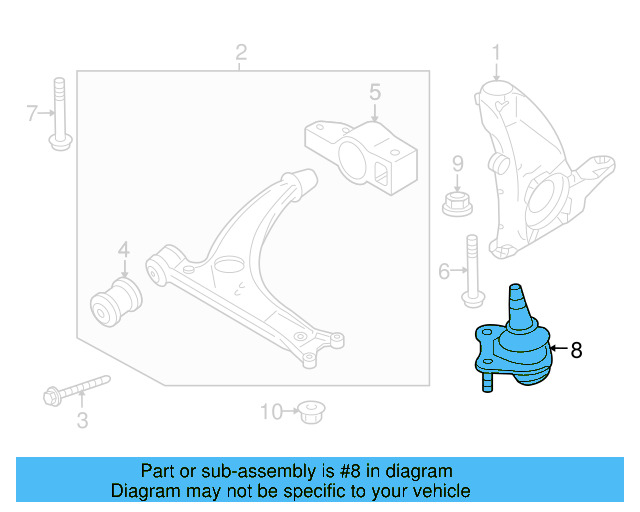
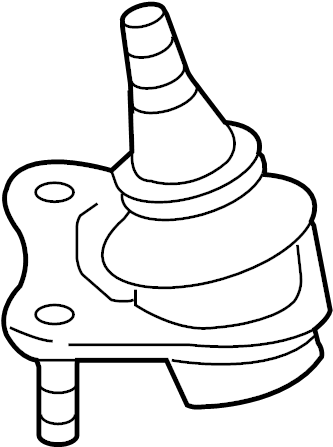
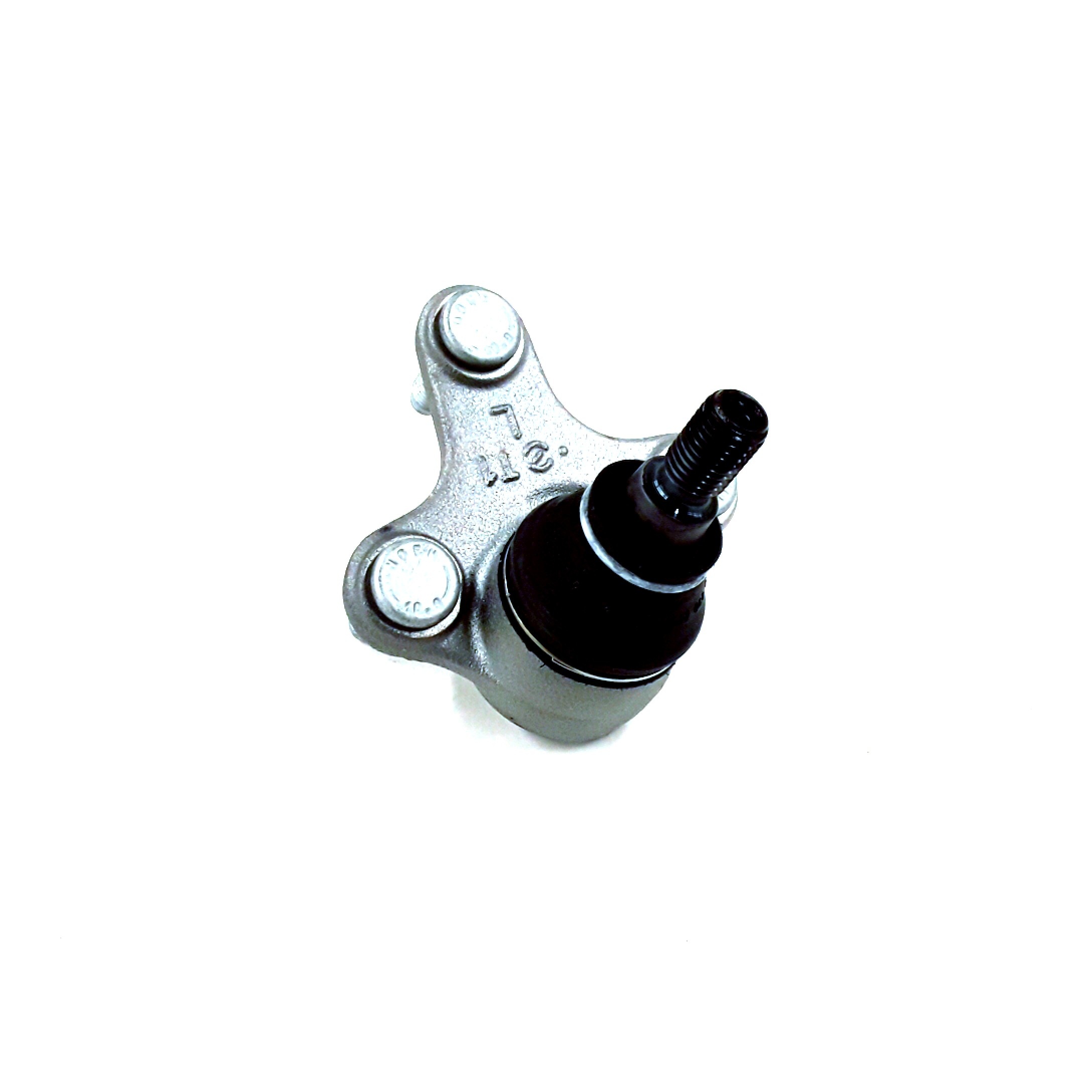
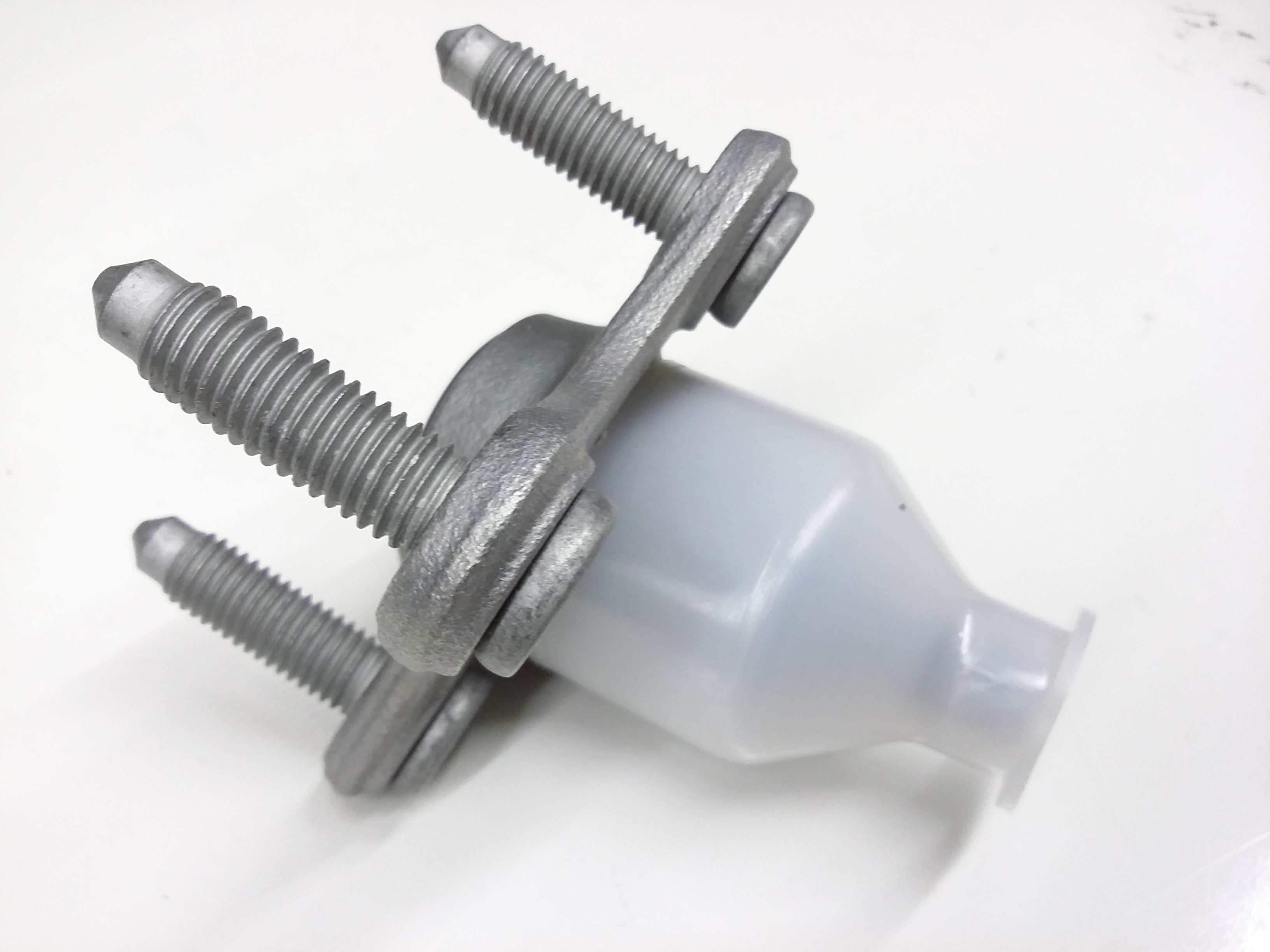
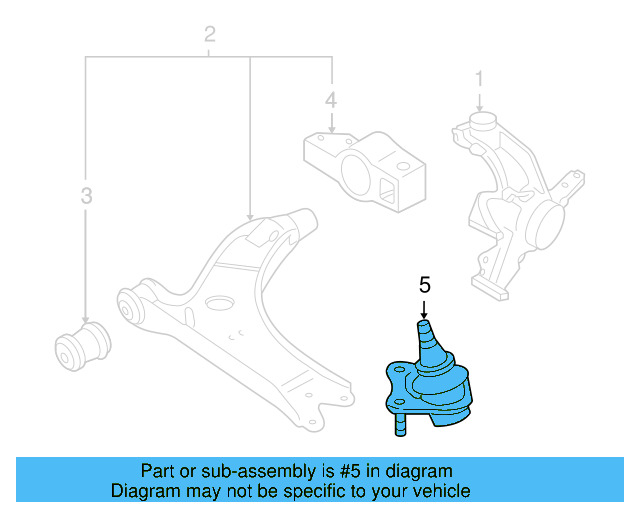
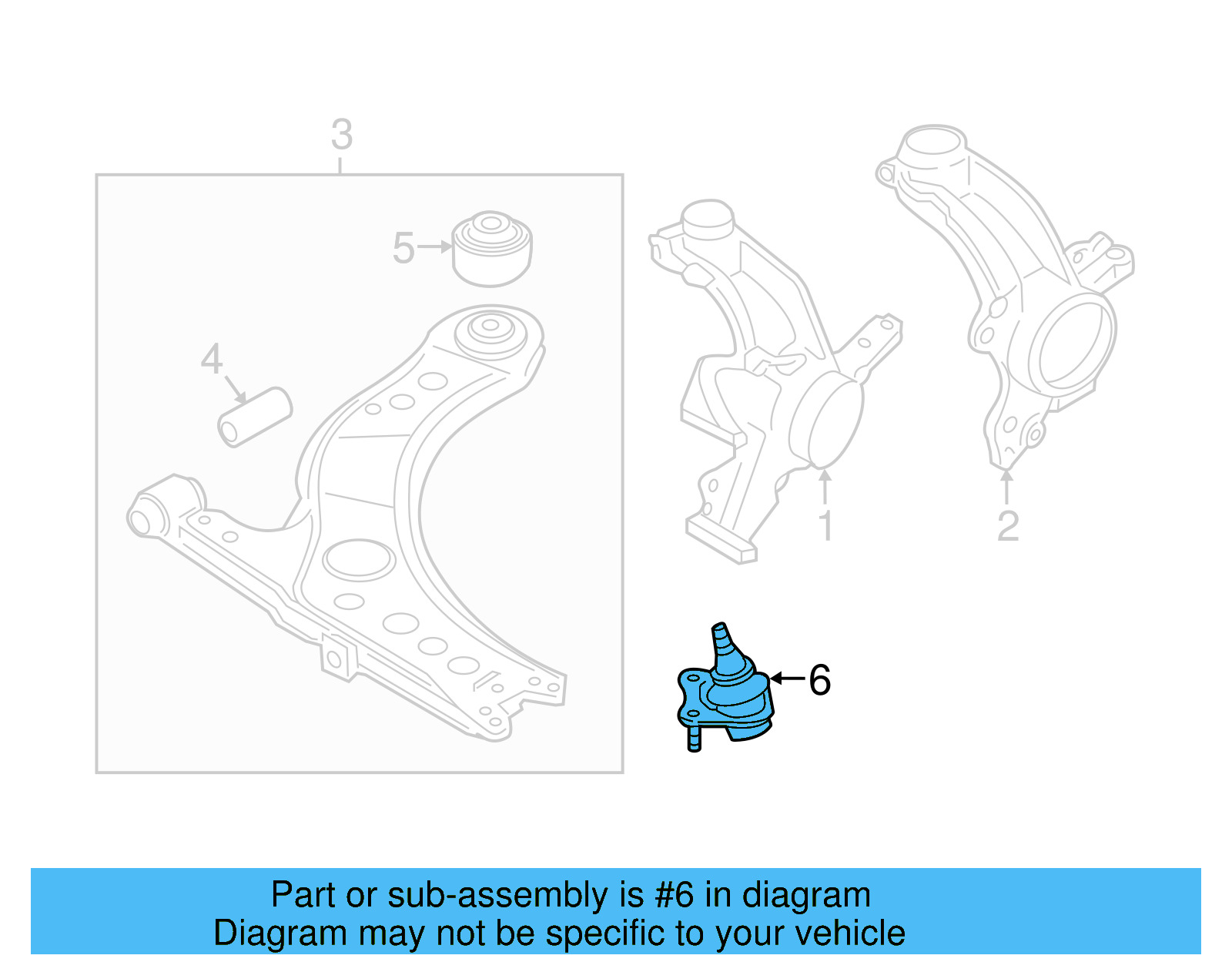
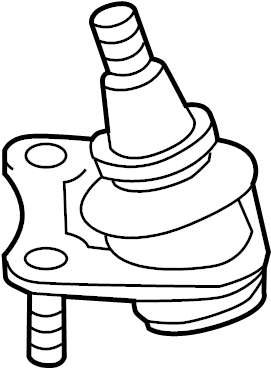
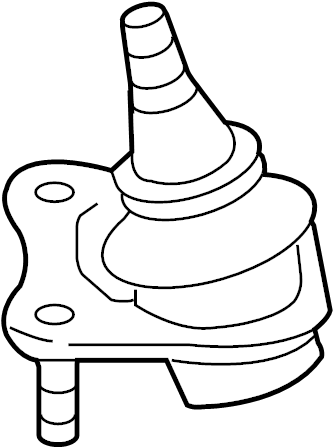
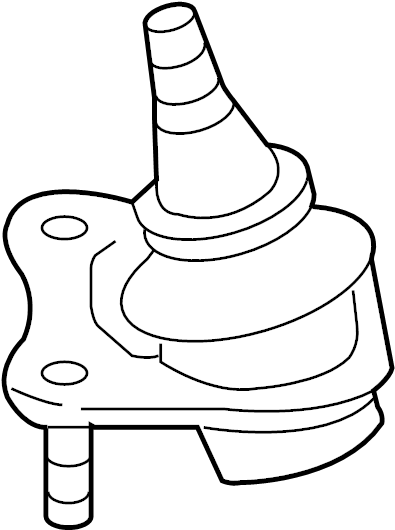
Ball Joint 1K0-407-365-C
Neglecting a worn ball joint can result in uneven tire wear, poor steering response, and increased vibrations. Signs of failure may include clunking noises when turning or excessive play in the wheel. Regular inspections are essential to ensure safety and performance.
Choosing this OEM part, with part number 1K0-407-365-C, guarantees precise fitment and durability. Unlike generic options, it’s engineered to work seamlessly with the vehicle's suspension system, reducing the risk of premature wear and failure.
Available in Stores
| Seller | Price | Action |
|---|---|---|
|
Leith Volkswagen
Official Dealer
|
$130 |
| Seller | Price | Action |
|---|---|---|
|
Volkswagen
New
|
$100 $71 | |
|
https://avtohype.com.ua/
New
|
$5 | |
|
Reydel VW of Linden
New
|
$110 $99 |
| Seller | Price | Action |
|---|---|---|
|
AutoJapan
Used
|
$11 | |
|
Infoparts13.com.ua
Used
|
$68 | |
|
Mega Market Auto
Used
|
$67 |
| Seller | Price | Action |
|---|---|---|
|
Winn Volkswagen Woodland Hills
New
|
$109 $75 |
Vehicle Fitment
Vehicles confirmed compatible with this part



Technical Specifications
| Thread Size | M12x1.50 |
|---|---|
| Cone Size Diameter | 15.57 mm |
| Cone Pitch | 1:5 |
| Overall Height | 80 mm |
| Mounting Height | 40.6 mm |
| Material | Iron |
| Position | Front Lower |
| Supersedes | 1K0407365E |
Fits a wide range of VW Group vehicles including Golf V, Jetta, Touran, Eos, Audi A3, Škoda Octavia, SEAT Leon, Altea, and Toledo III across model years 2003 and later.
Manufactured from iron to OEM specifications with a precise M12x1.50 thread, 15.57 mm cone diameter, and 1:5 cone pitch for direct factory-fit replacement.
Part number 1K0407365C supersedes the earlier 1K0407365E, ensuring you receive the latest revision with any applicable OEM design improvements.
Compatible Aftermarket Alternatives
The following aftermarket parts are confirmed direct equivalents for OEM 1K0-407-365-C, cross-referenced from major manufacturer catalogs.
| Manufacturer | Part Number | Notes | Dimensions (mm) |
|---|---|---|---|
| Delphi | TC1316 | Well-regarded OE-supplier brand; meets or exceeds OEM specifications. Good availability and widely trusted in the European parts market. Recommended | — |
| MEYLE | 116 010 0015 | German aftermarket brand known for heavy-duty and HD product lines. Reliable option for daily drivers and performance-focused replacements. | — |
| TRW | JBJ751 | Global OE supplier with strong OEM-spec compliance. A safe choice for standard replacement on VW Group platforms. | — |
| KAMOKA | 9963586 | Budget-friendly aftermarket option. Suitable for cost-conscious repairs but verify current quality standards before purchasing. | — |
| DENCKERMANN | D130272 | European aftermarket brand offering direct-fit replacement. Acceptable quality for standard road use. | — |
Always verify fitment against your VIN before ordering.
How to Replace the Ball Joint
Replacing the lower ball joint on VW Group PQ35-platform vehicles is a moderate-difficulty job requiring basic lifting equipment, a ball joint separator or press, and accurate torque values from the vehicle service manual. Allow approximately 1–2 hours per side. Always perform a wheel alignment after any front suspension component replacement.
-
Lift and Secure the Vehicle
Raise the vehicle using a floor jack and support it securely on jack stands rated for the vehicle's weight. Never work under a vehicle supported only by a floor jack.
-
Remove the Wheel
Remove the wheel and tire assembly on the affected side to gain clear access to the front suspension and steering knuckle area.
-
Disconnect the Ball Joint from the Steering Knuckle
Remove the pinch bolt or castellated nut securing the ball joint stud to the steering knuckle. Use a ball joint separator or pickle fork to release the tapered stud from the knuckle without damaging the threads.
-
Unbolt the Ball Joint from the Control Arm
Remove the mounting bolts securing the ball joint flange to the lower control arm. Note the bolt orientation for reinstallation.
-
Install the New Ball Joint
Position the 1K0407365C into the control arm and hand-tighten the mounting bolts. Insert the ball joint stud into the steering knuckle taper seat and ensure full seating before tightening.
-
Torque All Fasteners to Specification
Torque the control arm mounting bolts and the steering knuckle pinch bolt or stud nut to the values specified in the vehicle's official service manual. Do not estimate torque values — incorrect torque is a safety hazard.
-
Reinstall the Wheel and Lower the Vehicle
Refit the wheel and torque the lug bolts to specification. Lower the vehicle to the ground and perform a final visual check of all reinstalled fasteners.
-
Perform a Wheel Alignment
Take the vehicle to an alignment shop immediately after the repair. Replacing front suspension components affects alignment geometry and improper alignment leads to premature tire wear and handling issues.
Signs of a Worn Part
-
Clunking or Knocking Noises
A worn ball joint often produces clunking or knocking sounds from the front suspension, particularly when driving over bumps, dips, or during low-speed turning maneuvers.
-
Steering Wander or Pulling
Excessive play in a deteriorated ball joint can cause the vehicle to drift or pull to one side, requiring constant steering correction to maintain a straight course.
-
Vibration Through the Steering Wheel
A failing lower ball joint may transmit road vibrations directly into the steering column, causing a noticeable shimmy or vibration felt through the steering wheel at various speeds.
-
Uneven or Premature Tire Wear
Ball joint wear alters wheel alignment geometry, leading to abnormal tire wear patterns such as inner or outer edge feathering that cannot be corrected by alignment alone until the joint is replaced.
-
Excessive Play During Inspection
During a manual shake test or workshop inspection, noticeable free play or looseness in the ball joint stud indicates the joint has exceeded its wear limit and must be replaced immediately.
Replacement Intervals
Replace immediately upon detection of any play, torn boot, corrosion of the stud, or abnormal noise regardless of mileage. Ball joint failure can result in complete loss of vehicle control.
Frequently Asked Questions
Is the 1K0407365C the same as 1K0407365E?
Yes. The 1K0407365C supersedes the earlier revision 1K0407365E. When ordering, using 1K0407365C ensures you receive the current and latest OEM part revision.
Does this ball joint fit both the left and right side?
The research identifies this as a lower ball joint without specifying side-specific fitment. Always confirm left/right applicability against your vehicle's parts diagram or consult a parts specialist before ordering, as some applications may require side-specific components.
Can I replace just the ball joint, or do I need to replace the entire control arm?
On many PQ35-platform VW Group vehicles, the lower ball joint is a separate, bolt-in component and does not require replacing the entire control arm. However, always inspect the control arm and its bushings at the same time and replace them if worn.
Which aftermarket brand is the best substitute for the OEM part?
Among the verified equivalents, Delphi TC1316 is recommended as the top aftermarket alternative due to Delphi's strong reputation as an OE-level supplier. MEYLE and TRW are also trusted options that meet OEM specifications.
Do I need a wheel alignment after replacing this ball joint?
Yes, a wheel alignment is required after replacing a front lower ball joint. The joint is a critical suspension geometry point, and disturbing it changes camber and toe settings. Skipping alignment will cause rapid uneven tire wear and poor handling.
What vehicles is the 1K0407365C compatible with?
This ball joint fits a broad range of VW Group models including Volkswagen Golf V, Jetta (1K2), Touran, Eos, Golf Plus; Audi A3 (8P1) and A3 Sportback (8PA); Škoda Octavia (1Z3/1Z5); and SEAT Leon (1P1), Toledo III (5P2), and Altea — generally covering model years 2003 and later. Always confirm fitment against your specific vehicle's VIN or parts catalog.
Found an Error?
Help us improve! If you've spotted an error on the site or in the data, let us know and we'll fix it as soon as possible.