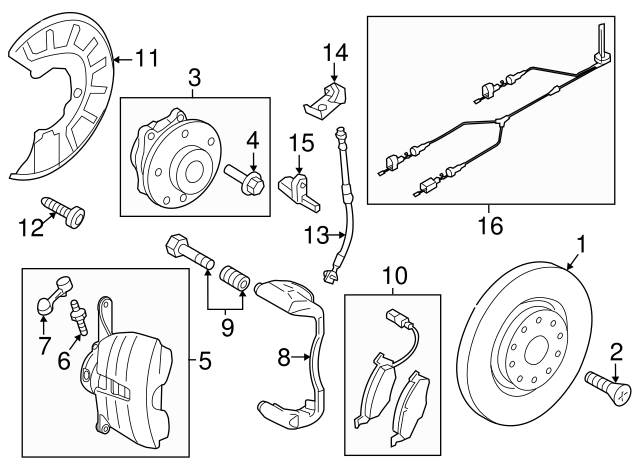
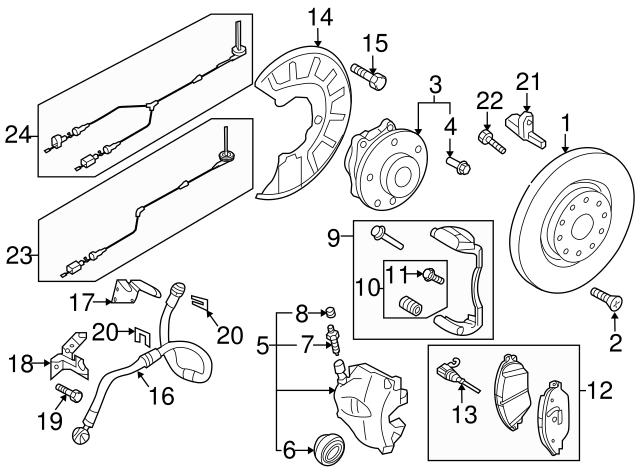
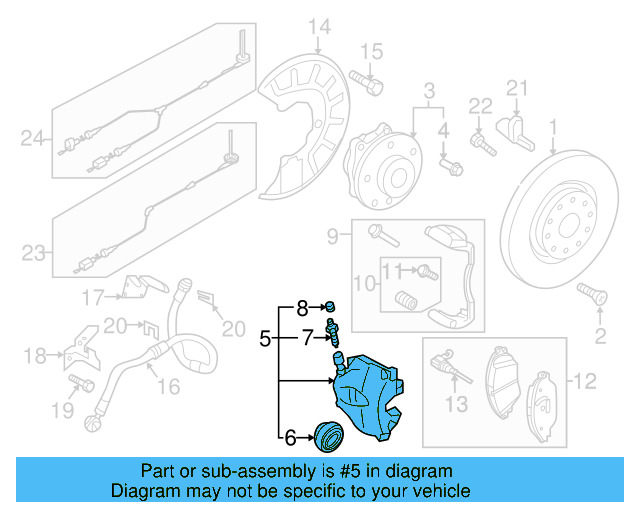
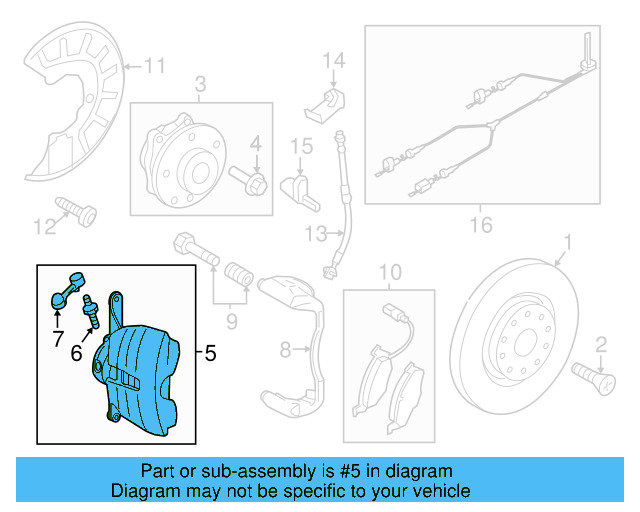
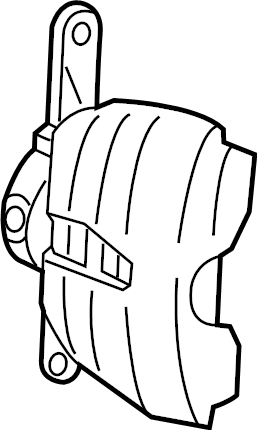
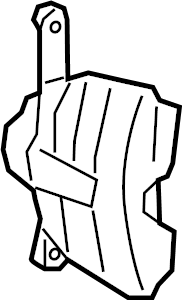
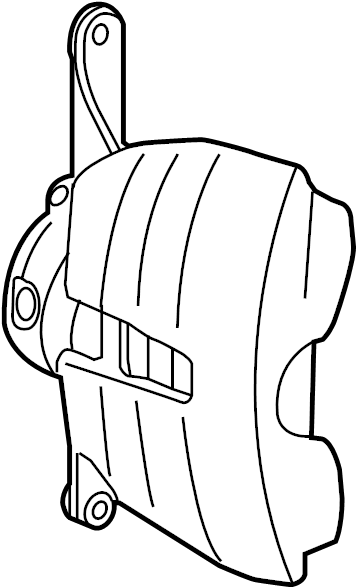
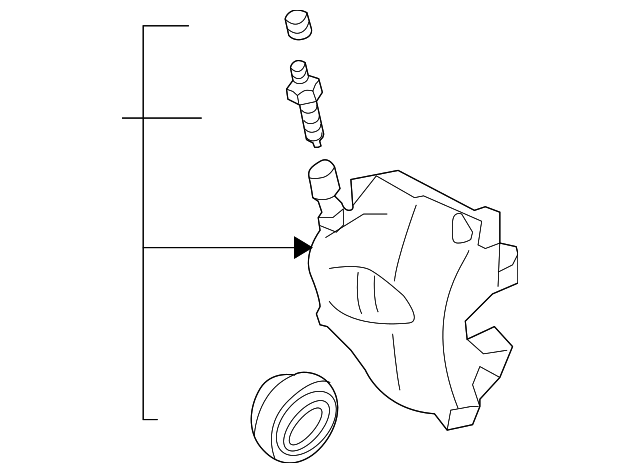
Caliper 3C0-615-124
Neglecting the caliper can lead to uneven wear of brake pads, reduced braking efficiency, and potential damage to the rotors. Signs that a caliper needs replacement include a squeaking noise when braking, a pulling sensation during stops, or fluid leaks around the caliper area.
Choosing an OEM caliper with part number 3C0-615-124 guarantees the best fit and performance. This part is manufactured to the same high standards as the original, reducing the risk of issues associated with lower-quality replacements and ensuring reliable braking performance.
Available in Stores
| Seller | Price | Action |
|---|---|---|
|
Volkswagen
New
|
$267 $191 | |
|
Capitol Volkswagen
New
|
$324 |
| Seller | Price | Action |
|---|---|---|
|
A20 Разборка
Used
|
$39 | |
|
Алето Авто - оригинальні Б/У та нові оригінальні запчастини но авто з США
Used
|
$49 | |
|
Partspoint
Used
|
$28 |
| Seller | Price | Action |
|---|---|---|
|
Lewisville Volkswagen
New
|
$276 $248 |
Vehicle Fitment
Vehicles confirmed compatible with this part
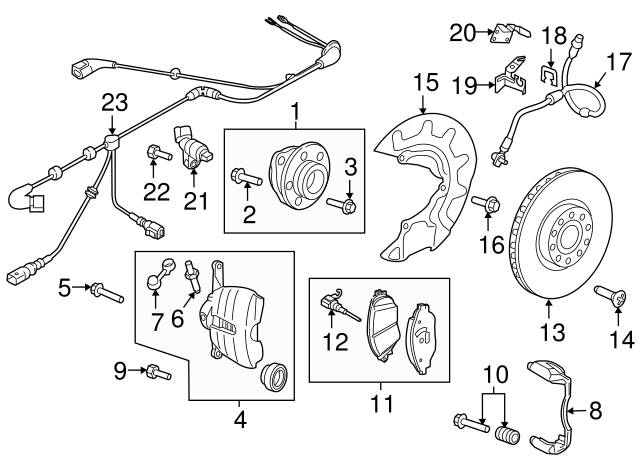
Technical Specifications
| OEM Part Number | 3C0615124 |
|---|---|
| Fitting Position | Front Axle, Right |
| Caliper Type | Fist-type (Floating) Caliper |
| Piston Diameter | 60 mm |
| Compatible Brake Disc Thickness | 30 mm |
| Compatible Brake Disc Diameter | 340×30 mm or 345 mm |
| Brake System | TRW |
| Material | Cast Iron |
| Paired Left-Side Part | 3C0615123 |
| Caliper Mounting Bolt Torque | 85 Nm (62.7 ft-lbs) |
Engineered with a 60 mm bore piston for precise hydraulic clamping force consistent with TRW brake system specifications across VW Group platforms.
Manufactured from cast iron to ensure long-term resistance to heat, corrosion, and mechanical fatigue — matching factory durability standards.
Direct OEM fit for VW Arteon, CC, Tiguan and Audi Q3, A3 across a range of model years — confirmed across VW, Audi, SEAT, and Škoda parts catalogs.
Compatible Aftermarket Alternatives
The following aftermarket parts are confirmed direct equivalents for OEM 3C0-615-124, cross-referenced from major manufacturer catalogs.
| Manufacturer | Part Number | Notes | Dimensions (mm) |
|---|---|---|---|
| RAP BRAKES | R-K0950 | Direct aftermarket replacement. Matches OEM specs: front right, fist-type, 60 mm piston, TRW system, cast iron. Good availability. Recommended | Piston Ø 60 mm, 30 mm disc thickness |
| AUTOFREN SEINSA | D42515C | Caliper repair/rebuild kit rather than a complete caliper. Designed for front axle, 60 mm bore, TRW system. Use when caliper body is undamaged. | Ø 60 mm bore |
| TRW (ZF) | — | TRW is the OEM brake system supplier for this caliper. TRW-branded remanufactured or new calipers to this spec are a natural OE-quality alternative. | Piston Ø 60 mm, 30 mm disc thickness |
Always verify fitment against your VIN before ordering.
How to Replace the Caliper
Replacing the front right brake caliper on VW Group vehicles requires standard hand tools, a brake line wrench, and access to a brake bleeder. Always work on a cool vehicle, use jack stands, and have fresh DOT-compliant brake fluid on hand. Refer to the vehicle's service manual for model-specific torque values.
-
Prepare the Vehicle
Park on a level surface. Engage the parking brake and place wheel chocks behind the rear wheels. Loosen the front right lug nuts slightly before lifting.
-
Lift and Secure the Vehicle
Use a floor jack to raise the front right corner of the vehicle and place it securely on jack stands rated for the vehicle's weight. Never work under a vehicle supported only by a floor jack.
-
Remove the Wheel
Remove all lug nuts and pull the wheel free. Set it aside safely.
-
Disconnect the Brake Line and Remove Old Caliper
Using a brake line wrench, loosen the banjo bolt or brake line fitting at the caliper. Have a catch cloth or container ready for escaping fluid. Remove the caliper mounting bolts and slide the caliper off the rotor. Cap or plug the open brake line immediately to limit fluid loss and contamination.
-
Install the New Caliper
Position the 3C0615124 caliper over the brake rotor and align the mounting holes. Torque the caliper mounting bolts to 85 Nm (62.7 ft-lbs). Reconnect the brake line banjo bolt and torque to 35 Nm (25.8 ft-lbs). Install new copper sealing washers on the banjo bolt if applicable.
-
Bleed the Brake System
Open the brake fluid reservoir and bleed air from the brake circuit at the caliper bleeder nipple using a pressure bleeder or the two-person pedal method. Continue until no air bubbles are present and the fluid runs clear. Top up the reservoir to the MAX mark with fresh, approved brake fluid.
-
Reinstall the Wheel and Lower the Vehicle
Mount the wheel and hand-tighten the lug nuts. Lower the vehicle from the jack stands, then torque the lug nuts to the manufacturer's specification in a star/cross pattern.
-
Final Checks and Test Drive
With the vehicle on the ground, pump the brake pedal firmly several times until it feels solid and returns to normal height. Inspect all connection points for leaks. Perform a low-speed test drive in a safe area, applying the brakes progressively to verify correct function before returning to normal driving.
Signs of a Worn Part
-
Vehicle Pulling to One Side Under Braking
A seized or sticking front right caliper creates uneven braking force, causing the vehicle to pull left when brakes are applied — a primary indicator of caliper failure.
-
Brake Pedal Feels Spongy or Soft
Internal caliper seal failure or a breach in the caliper body can allow air into the hydraulic circuit, causing a soft or spongy pedal feel with reduced stopping power.
-
Visible Brake Fluid Leak at Wheel
Brake fluid weeping from around the caliper piston seal or brake line connection point indicates internal seal wear or caliper body damage requiring immediate replacement.
-
Excessive Heat or Burning Smell from Front Right Wheel
A caliper piston that fails to retract properly keeps the brake pad in constant contact with the rotor, generating excessive heat, accelerated pad wear, and a burning odor after driving.
-
Uneven or Premature Brake Pad Wear
If the front right brake pads wear significantly faster than the left side, a sticking caliper piston or slide pin is the likely cause, placing continuous friction load on one side.
-
Grinding or Dragging Sensation When Driving
A fully seized caliper can cause continuous pad-to-rotor contact even when not braking, felt as a consistent drag or grinding sensation, and may also cause the vehicle to resist forward movement.
Replacement Intervals
Brake calipers do not have a fixed mileage replacement interval — service life depends heavily on driving conditions, maintenance quality, and climate. Replace immediately upon confirmed leak, seizure, or structural damage. Always replace brake fluid per manufacturer schedule (typically every 2 years) to protect caliper seals from moisture-induced corrosion.
Frequently Asked Questions
Is 3C0615124 the correct caliper for my vehicle?
This caliper fits several VW Group models including the VW Arteon (2019–2023), VW CC (2012–2017), VW Tiguan (2018–2020), Audi Q3 (2019–2025), and Audi A3 (2017–2020) on the front right position. Fitment can vary by trim and brake package, so always verify with your VIN before ordering.
What is the left-side counterpart to this caliper?
The front left caliper that pairs with the 3C0615124 is part number 3C0615123. If one caliper has failed, it is generally recommended to inspect — and often replace — both sides simultaneously to maintain balanced braking.
What brake disc size does this caliper require?
The 3C0615124 is designed for use with 340×30 mm or 345 mm brake discs with a 30 mm disc thickness. Installing it on an incorrect rotor size will result in improper fitment and unsafe brake performance.
Can I use an aftermarket caliper instead of this OEM part?
Yes. The RAP BRAKES R-K0950 is a verified direct aftermarket equivalent matching OEM specs (front right, fist-type, 60 mm piston, TRW system, cast iron). If the caliper body is intact but seals are worn, the AUTOFREN SEINSA D42515C rebuild kit is a cost-effective alternative.
Do I need to bleed the brakes after replacing this caliper?
Yes — brake bleeding is mandatory after caliper replacement. Opening the brake line introduces air into the hydraulic circuit, which must be fully purged for the brake pedal to feel firm and for safe stopping distances to be restored.
What torque values apply to the caliper mounting bolts and brake line?
Torque the caliper mounting bolts to 85 Nm (62.7 ft-lbs) and the brake line banjo bolt to 35 Nm (25.8 ft-lbs). Always use new copper sealing washers on the banjo bolt. Consult your vehicle's service manual for model-specific confirmation.
Found an Error?
Help us improve! If you've spotted an error on the site or in the data, let us know and we'll fix it as soon as possible.