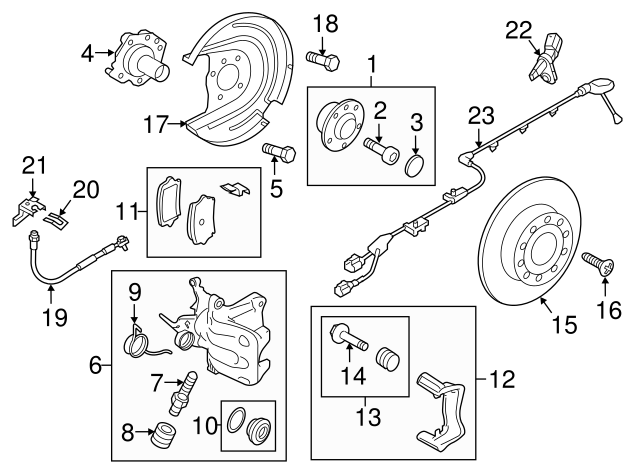
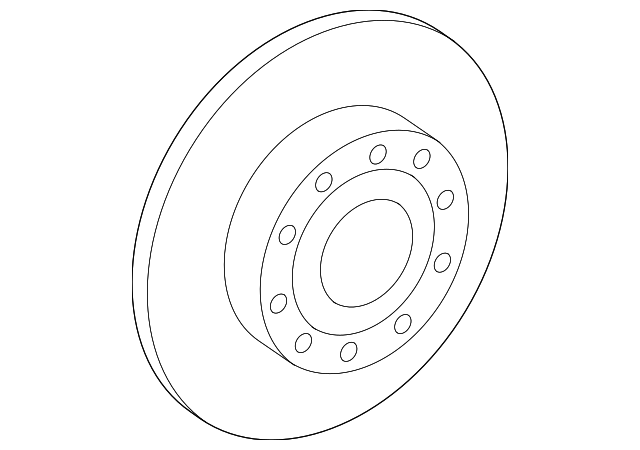
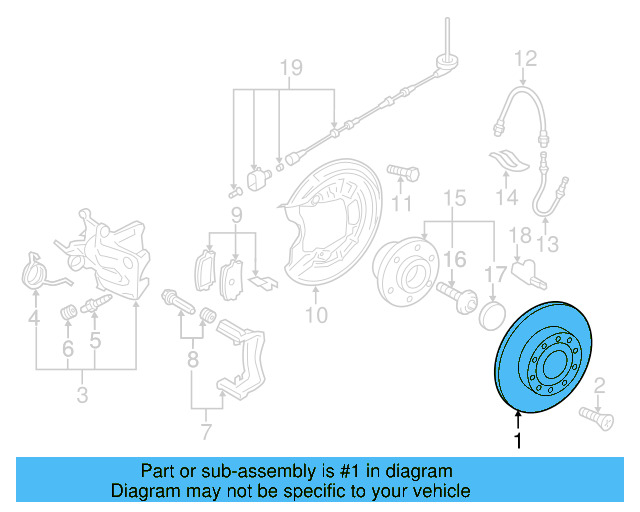
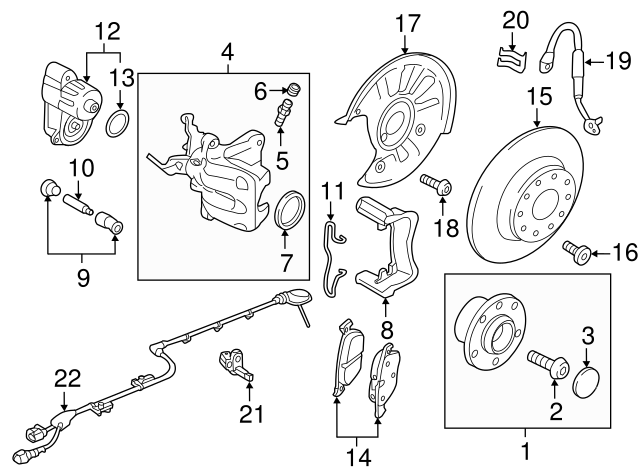
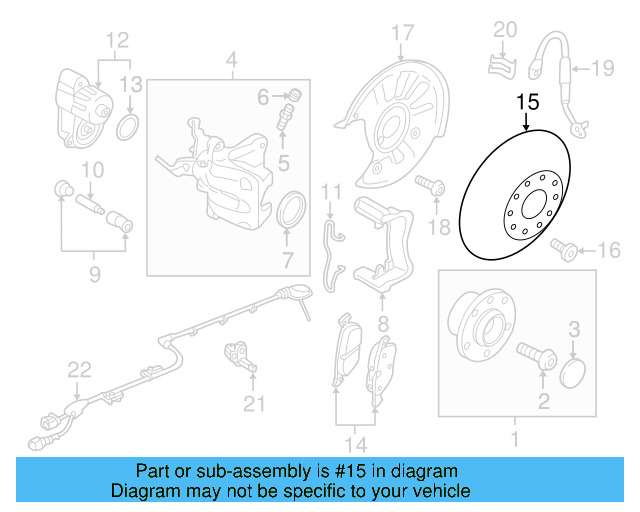
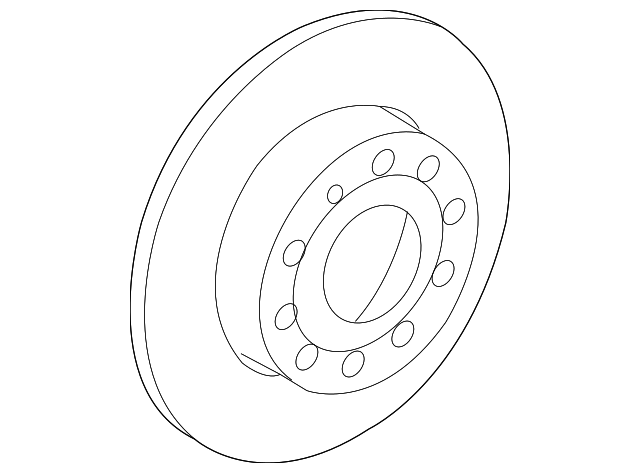
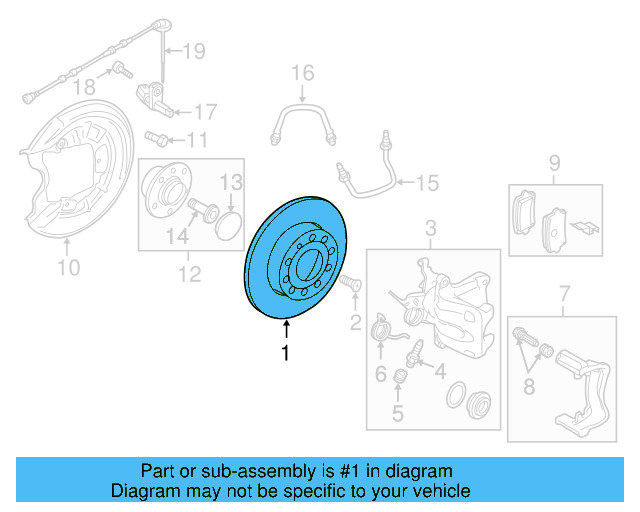
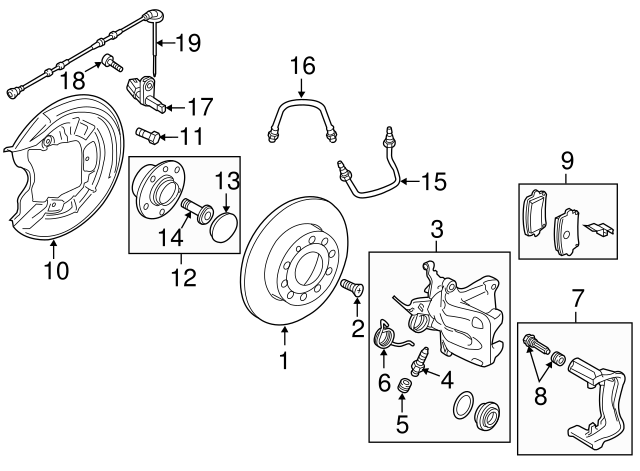
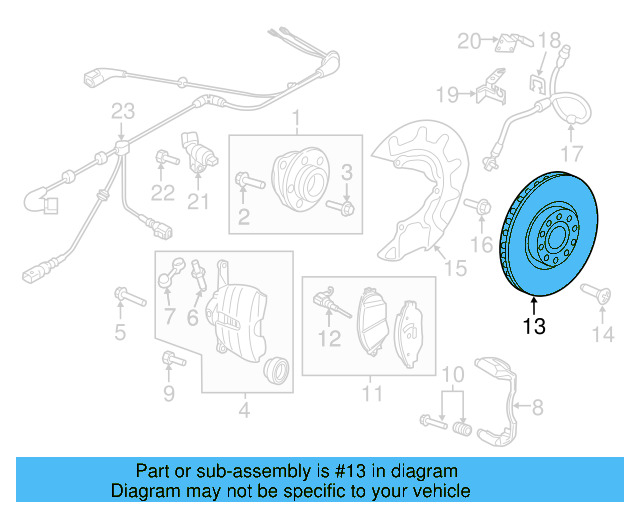
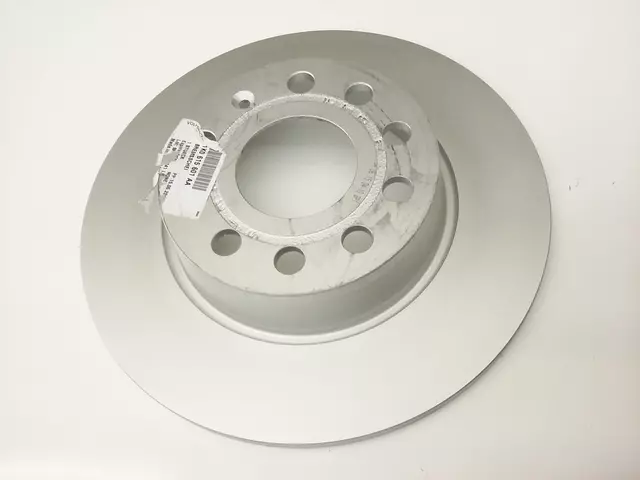
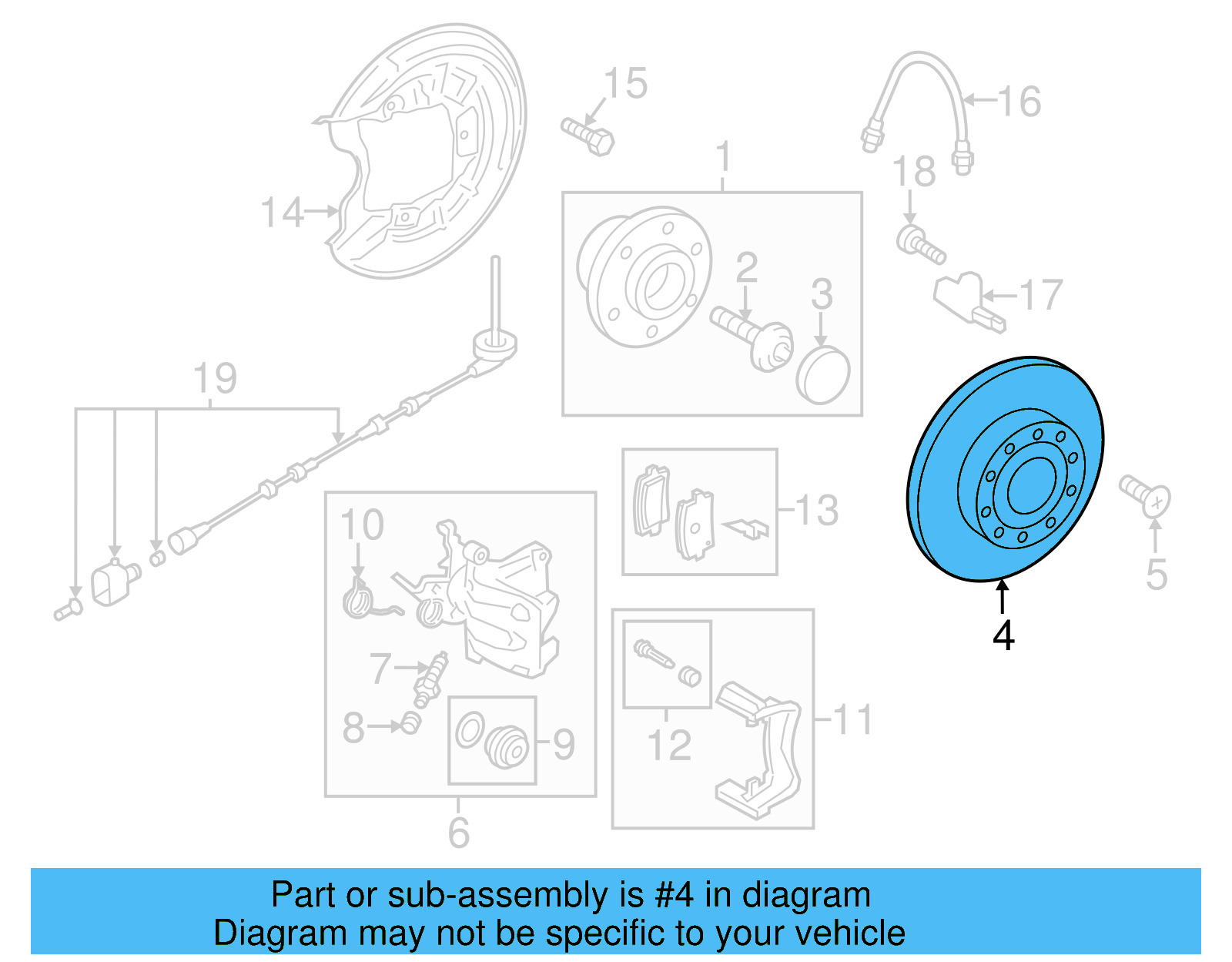
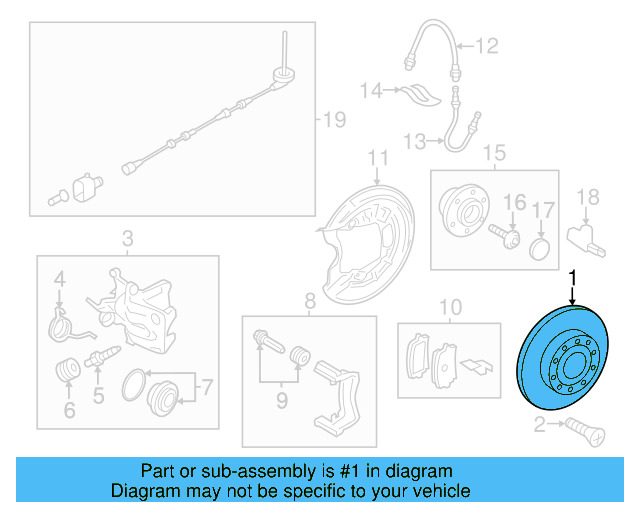
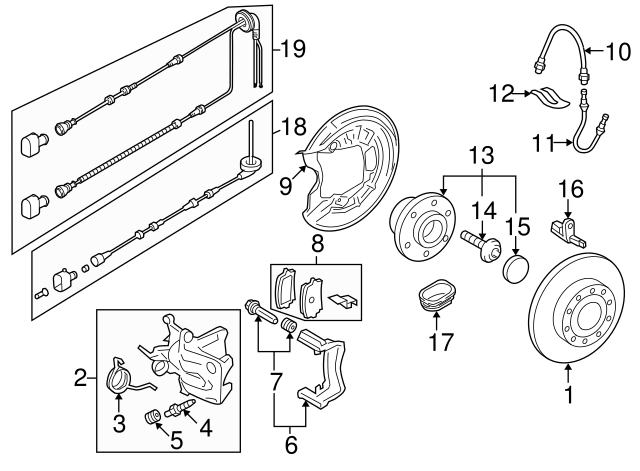
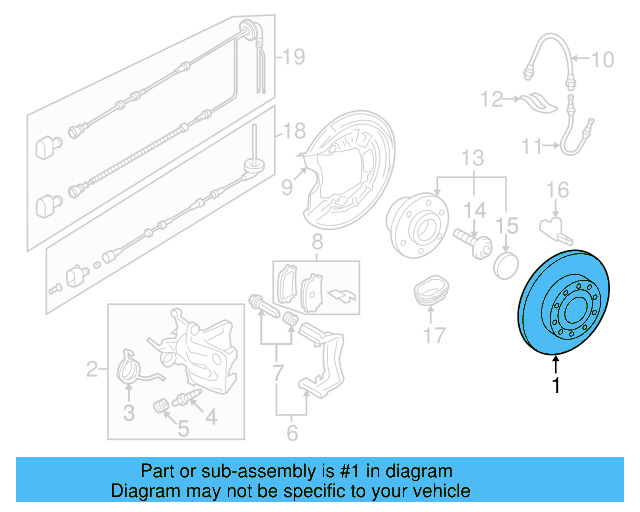
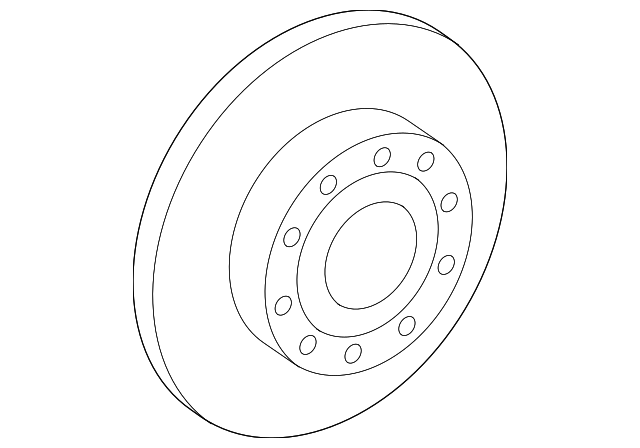
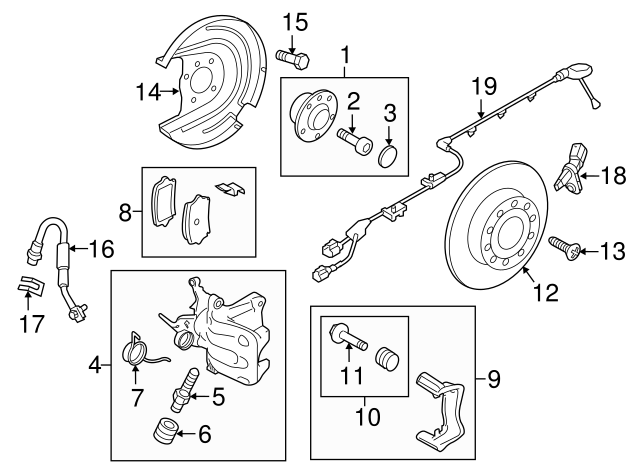
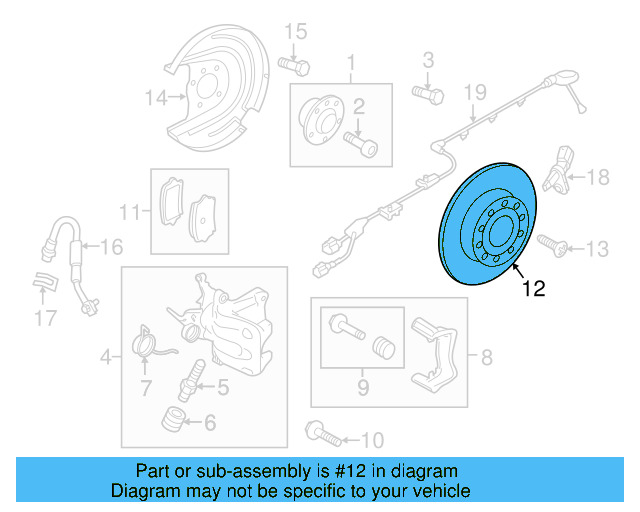
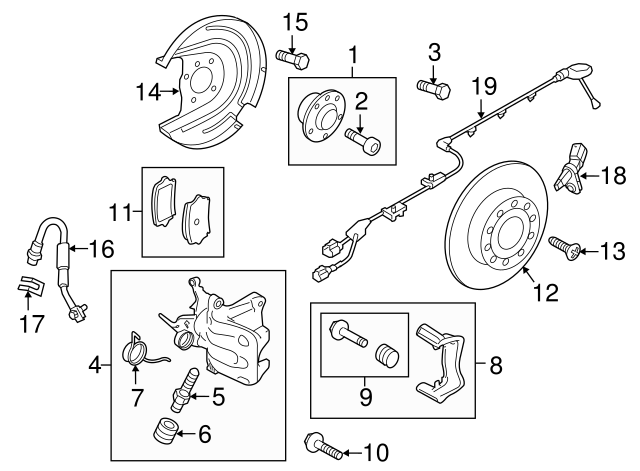
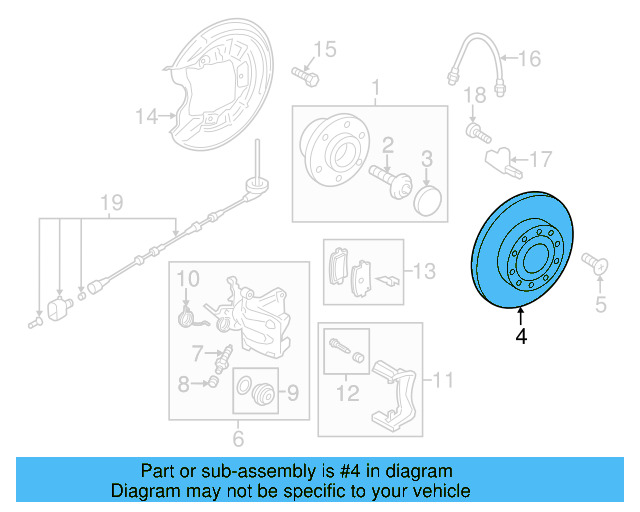
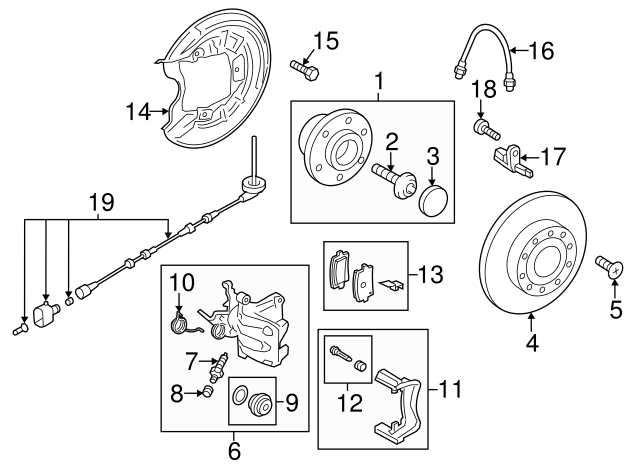
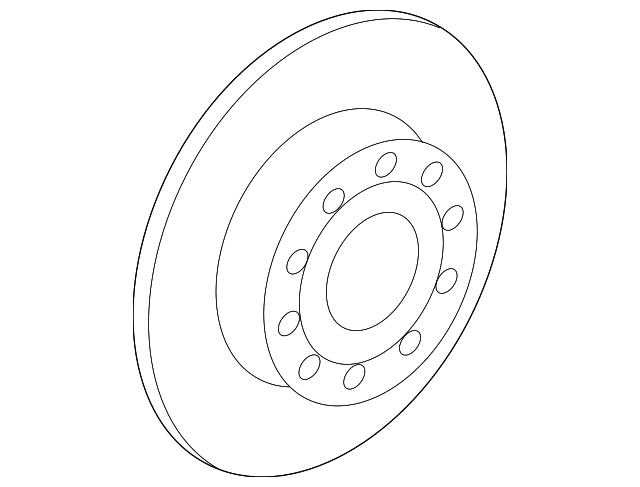
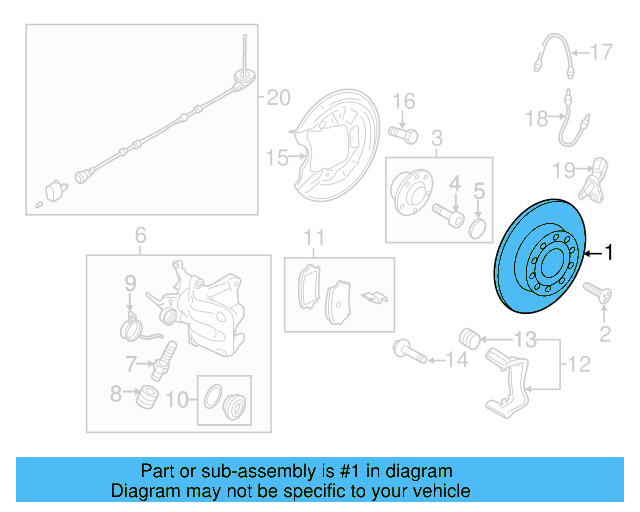
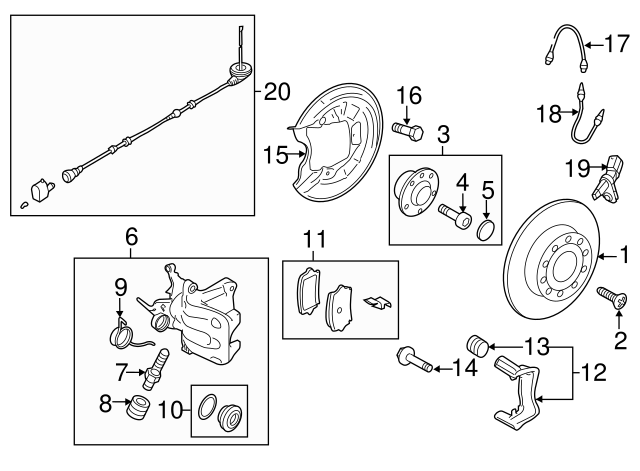
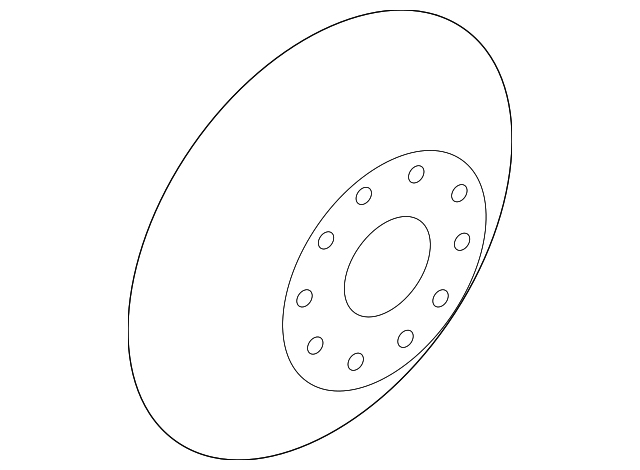
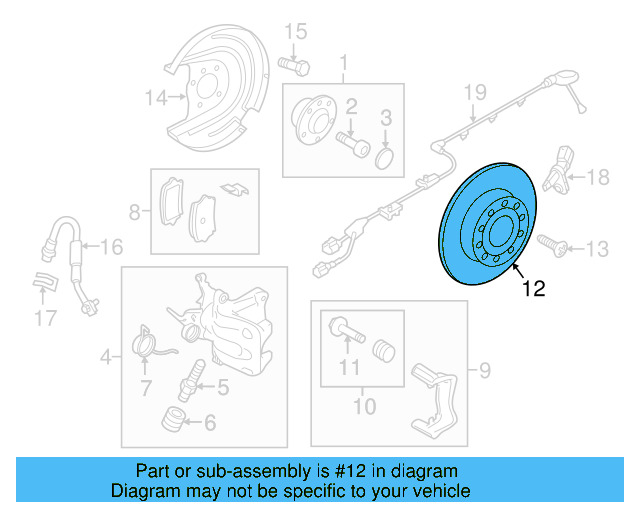
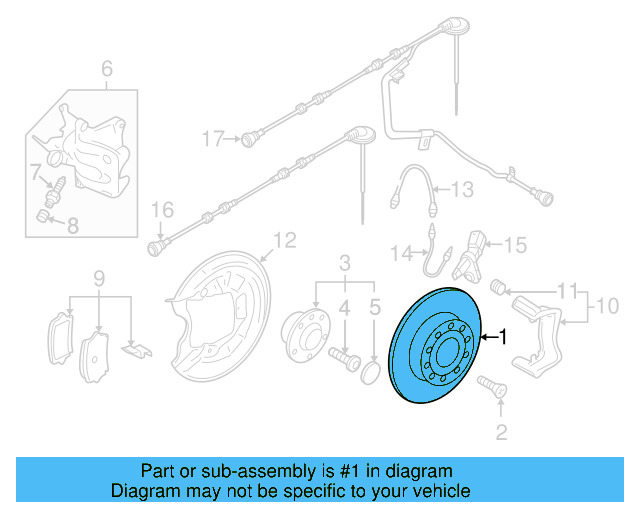
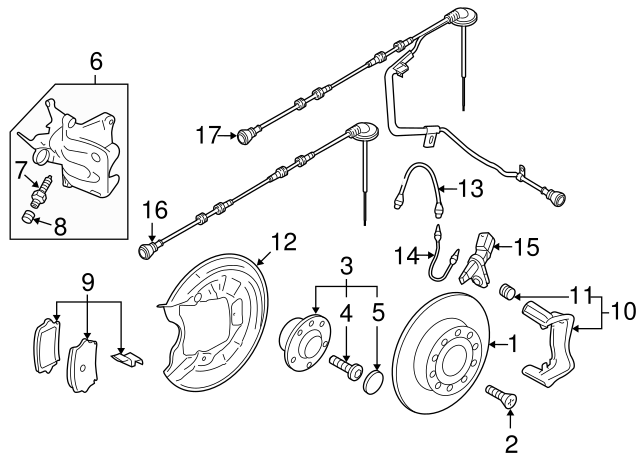
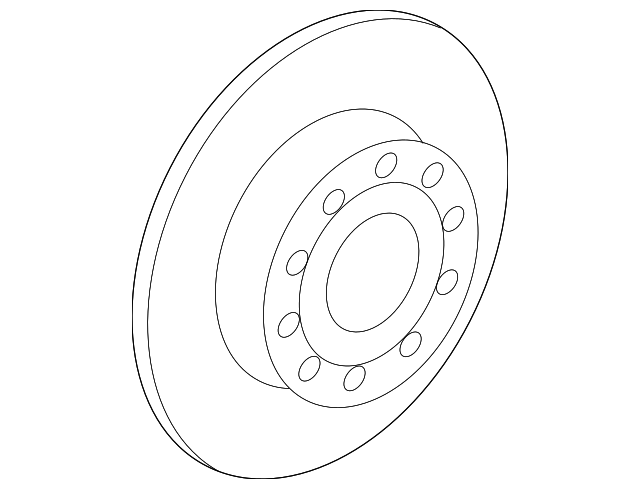
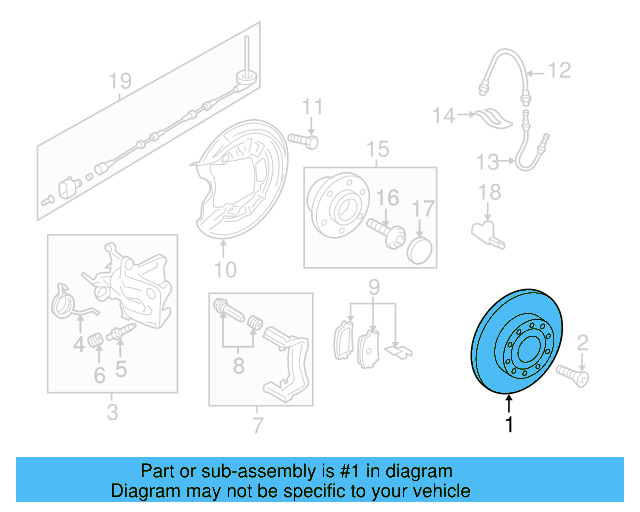
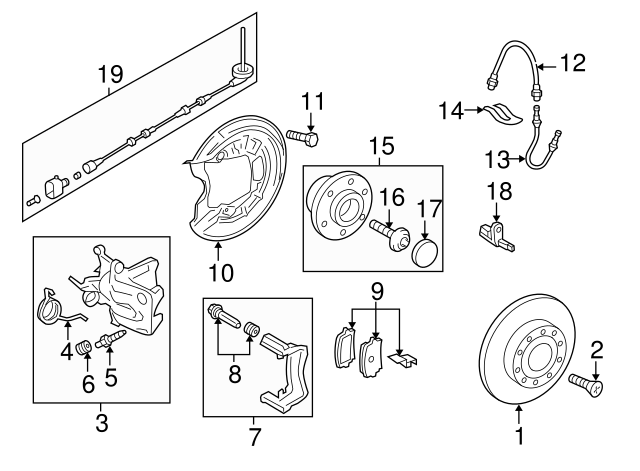
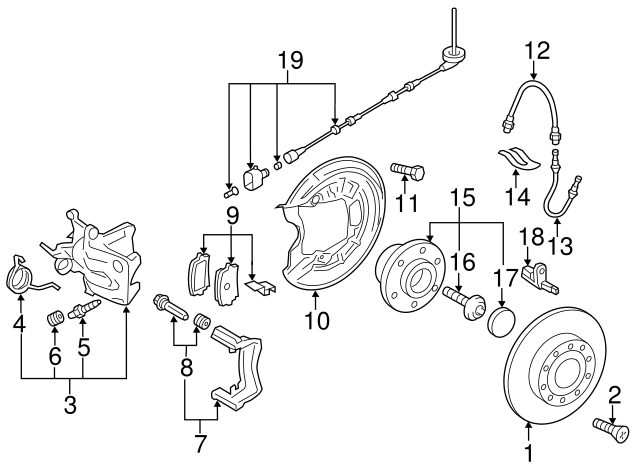
Disc Brake Rotor Rear 5Q0-615-601-D
Neglecting rear disc brake rotors can lead to severe consequences. Signs of wear include pulsating brake pedals, squeaking noises, or vibrations when braking. If left unchecked, worn rotors can cause uneven brake pad wear and reduce overall braking efficiency, posing serious safety risks.
Choosing an OEM disc brake rotor with part number 5Q0-615-601-D guarantees adherence to high manufacturing standards, which are crucial for maintaining vehicle safety and performance. Unlike generic options, this part ensures precise fitment and integration into the braking system, reducing the risk of premature wear and failure.
Available in Stores
| Seller | Price | Action |
|---|---|---|
|
Leith Volkswagen
Official Dealer
|
$109 |
| Seller | Price | Action |
|---|---|---|
|
Volkswagen
New
|
$69 $54 | |
|
Uncle Sam Parts
New
|
$3 | |
|
https://avtohype.com.ua/
New
|
$9 |
| Seller | Price | Action |
|---|---|---|
|
Infoparts13.com.ua
Used
|
$87 | |
|
Mega Market Auto
Used
|
$82 | |
|
ORIGINAL AUTO
Used
|
$70 |
| Seller | Price | Action |
|---|---|---|
|
vacar_pl
New
|
$151 | |
|
SANCZOPanczo
Used
|
$82 | |
|
Autoryzowany dealer Volkswagen
New
|
$274 |
Vehicle Fitment
Vehicles confirmed compatible with this part
Technical Specifications
| OEM Part Number | 5Q0-615-601-D |
|---|---|
| Rotor Diameter | 272 mm |
| Rotor Thickness | 10 mm |
| Rotor Type | Solid (non-ventilated) |
| Material | Cast iron |
| Mounting Holes | 5 |
| Centering Diameter (Hub Bore) | 65 mm |
| Bolt Circle Diameter (PCD) | 112 mm |
| Axle Position | Rear |
| Superseded Part Number | 1K0-615-601-AA |
Direct factory replacement for VAG vehicles; no modification required. Supersedes the earlier part number 1K0-615-601-AA across multiple model lines.
Fits over ten body styles across Volkswagen, Audi, SEAT, and Škoda, including Golf VII, A3, Leon, Octavia III, Touran, and Ateca — all sharing the MQB platform rear brake architecture.
Solid (non-ventilated) cast iron rotor optimized for rear axle duty cycles, delivering consistent pedal feel and long service life under standard driving conditions.
Compatible Aftermarket Alternatives
The following aftermarket parts are confirmed direct equivalents for OEM 5Q0-615-601-D, cross-referenced from major manufacturer catalogs.
| Manufacturer | Part Number | Notes | Dimensions (mm) |
|---|---|---|---|
| Brembo | Brembo OE Replacement Rear Rotor (272mm) | Premium aftermarket option matching OEM dimensions; Brembo is an approved OEM supplier for VAG. Excellent build quality and longevity. Recommended | 272 mm diameter, 10 mm thick |
| Zimmermann | Zimmermann Coat Z Rear Rotor (272mm) | German-made rotor with anti-corrosion zinc coating. Popular choice in European markets. Matches OEM spec. | 272 mm diameter, 10 mm thick |
| ATE | ATE PowerDisc Rear Rotor (272mm) | ATE is a Continental brand and direct OEM supplier to VAG. Solid fitment with OE-equivalent performance. | 272 mm diameter, 10 mm thick |
| Textar | Textar Rear Brake Disc (272mm) | TMD Friction brand commonly used as VAG OEM supplier. Reliable OE-quality replacement at competitive price. | 272 mm diameter, 10 mm thick |
Always verify fitment against your VIN before ordering.
How to Replace the Disc Brake Rotor Rear
Replacing the rear disc brake rotor on MQB-platform VAG vehicles is a straightforward job for a competent DIYer or workshop technician. Allow approximately 1–2 hours per side. Always replace rotors in axle pairs and install new brake pads at the same time to ensure even braking performance. Consult the vehicle-specific service manual for torque specifications before beginning.
-
Safety and Preparation
Park on a level surface, engage the parking brake, and place wheel chocks behind the front wheels. Gather tools including a jack, jack stands, torque wrench, breaker bar, rubber mallet, and brake cleaner spray.
-
Loosen Lug Nuts and Raise Vehicle
With the vehicle on the ground, break loose the rear wheel lug nuts. Use a floor jack to lift the rear of the vehicle at the designated jack points, then secure it firmly on jack stands before removing the wheel.
-
Remove Brake Caliper and Bracket
Unbolt the caliper mounting bolts and carefully slide the caliper off the rotor. Suspend the caliper with a hanger or bungee cord — never let it hang by the brake hose. Remove the brake pads, then unbolt and remove the caliper bracket to expose the rotor.
-
Remove the Old Rotor
Remove the retaining set screw (if present) securing the rotor to the hub. Pull the rotor straight off. If it is stuck due to corrosion, strike it firmly with a rubber mallet around the inner face near the hat. Do not strike the friction surface.
-
Prepare the Hub and Install New Rotor
Clean the hub face thoroughly with a wire brush and brake cleaner to remove rust and debris. This ensures the new rotor sits flat, preventing lateral runout. Place the new 5Q0615601D rotor onto the hub and secure with the set screw if applicable.
-
Reinstall Caliper Bracket, Pads, and Caliper
Bolt the caliper bracket back onto the knuckle using the specified torque. Install new brake pads into the bracket. Compress the rear caliper piston (note: some VAG rear calipers require rotation while compressing — use the correct tool). Slide the caliper over the pads and torque the caliper bolts to spec.
-
Reinstall Wheel and Torque Lug Nuts
Place the wheel onto the hub, hand-tighten the lug nuts in a star pattern, then lower the vehicle. Once on the ground, torque the lug nuts to the manufacturer's specified value using a calibrated torque wrench.
-
Bed In the New Rotors
Before driving normally, perform a brake bed-in procedure: make 6–8 moderate stops from approximately 50 km/h (30 mph) to 10 km/h without coming to a complete stop. Allow the brakes to cool between sets. This transfers an even layer of pad material onto the rotor surface for optimal performance.
Signs of a Worn Part
-
Pulsating or Vibrating Brake Pedal
A rhythmic pulsation felt through the brake pedal during stopping indicates rotor runout or thickness variation — a primary sign the rotor needs replacement.
-
Steering Wheel Vibration Under Braking
Shuddering felt in the steering wheel when applying the brakes suggests uneven rotor wear or warping on the rear axle contributing to instability.
-
Reduced Braking Efficiency
Noticeably longer stopping distances or a spongy, inconsistent brake pedal feel can indicate severely worn or heat-damaged rotors that no longer provide adequate friction surface area.
-
Squealing or Grinding Noises
High-pitched squealing may indicate deeply grooved rotor surfaces. A grinding metal-on-metal sound means brake pads have worn through completely and are contacting the rotor directly — immediate replacement required.
-
Visible Deep Grooves or Scoring
Inspection reveals circumferential grooves, scoring, or a pronounced lip at the outer edge of the rotor, indicating material loss below the minimum thickness specification.
-
Excessive Rust or Corrosion Pitting
Surface rust on unused rotors is normal, but deep pitting or corrosion that cannot be cleared after a few brake applications indicates structural degradation requiring rotor replacement.
Replacement Intervals
Minimum rotor thickness is stamped on the rotor hat and must be verified with a micrometer at each brake service. A rotor at or below minimum thickness must be replaced regardless of mileage. Rotors should always be replaced in axle pairs.
Frequently Asked Questions
Is 5Q0615601D a solid or vented rotor?
It is a solid (non-ventilated) rotor. The rear axle on the MQB platform vehicles this part fits uses solid rotors, while the front axle typically uses ventilated rotors. Ensure you are ordering the correct position — do not confuse with the front rotor part number.
Will this rotor fit my Audi A3 8V or Golf 7?
Yes, provided your vehicle has the standard rear brake system. The 5Q0615601D fits the Audi A3 (8V), VW Golf VII (5G), SEAT Leon (5F), Škoda Octavia III (5E), Touran (5T), and SEAT Ateca (KH7) among others. Vehicles optioned with a performance or upgraded rear brake package may require a different, larger diameter rotor — verify using your VIN at a VAG dealer parts system.
Does this part supersede 1K0615601AA?
Yes. The 5Q0-615-601-D is the current OEM part number and supersedes the older 1K0-615-601-AA. The newer part number is the correct unit to order and provides an identical fit and function.
Should I replace rotors and brake pads at the same time?
Yes, it is strongly recommended. Installing new pads on a worn or grooved rotor prevents proper pad bedding and reduces braking performance. New pads on new rotors also allows for a proper bed-in procedure that maximizes stopping power and component longevity.
Can I use an aftermarket rotor instead of the OEM part?
Yes. Reputable aftermarket brands such as Brembo, Zimmermann, ATE, and Textar manufacture direct-fit equivalents to the 5Q0615601D. Verify the replacement matches the 272 mm diameter, 10 mm thickness, 65 mm hub bore, and 5x112 bolt pattern before purchasing. Brembo is considered the top recommendation due to their direct OEM supply relationship with VAG.
How do I know when my rear rotors need replacing?
Check for symptoms including brake pedal pulsation, vibration under braking, grinding or squealing noises, visible deep grooves, or a pronounced edge lip on the rotor. Additionally, measure rotor thickness with a micrometer — if at or below the minimum thickness stamped on the rotor, replace it immediately regardless of appearance.
Found an Error?
Help us improve! If you've spotted an error on the site or in the data, let us know and we'll fix it as soon as possible.