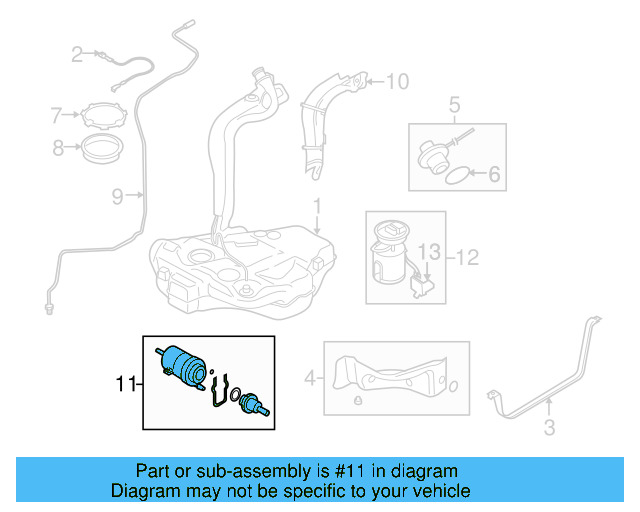
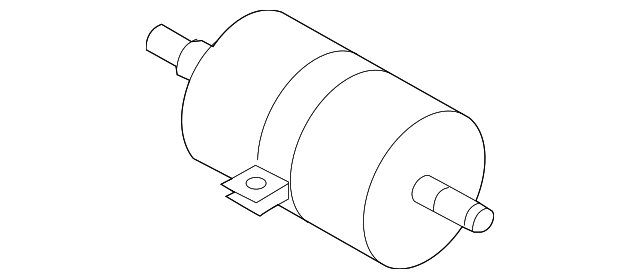
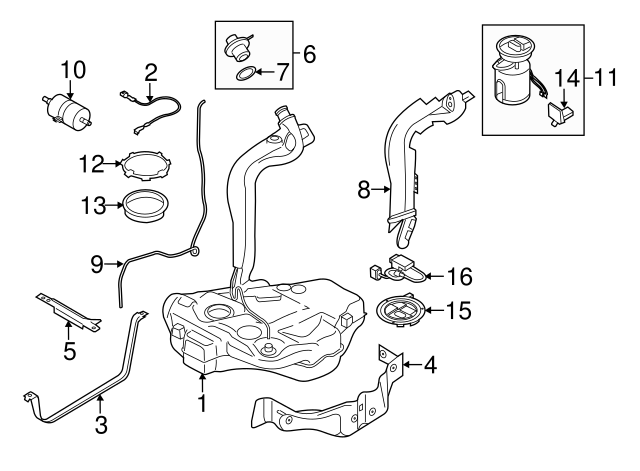
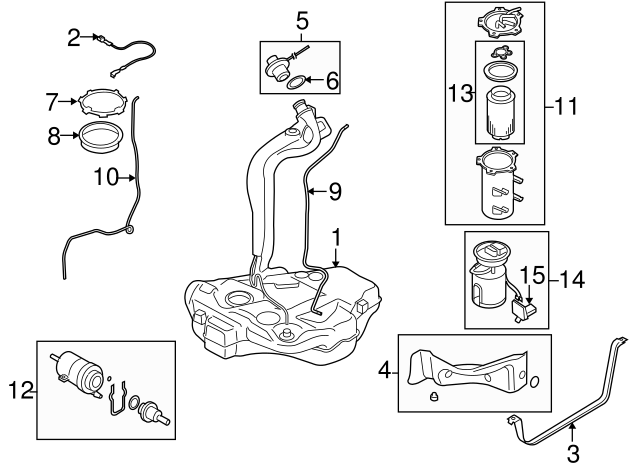
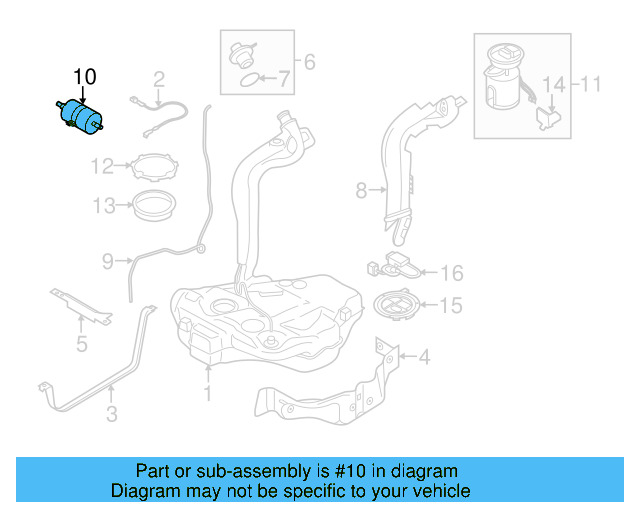
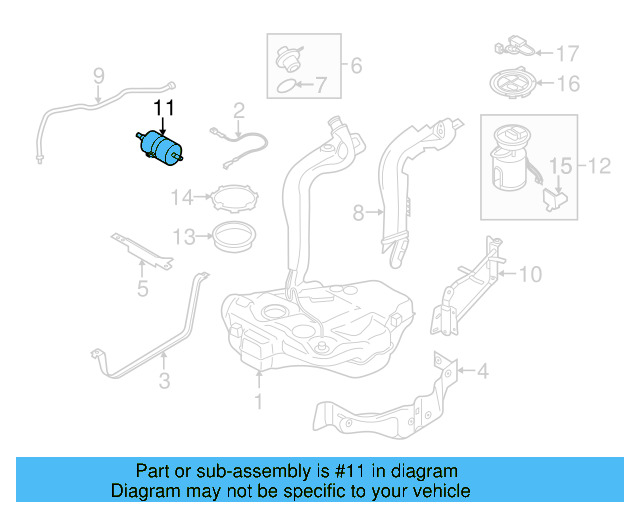
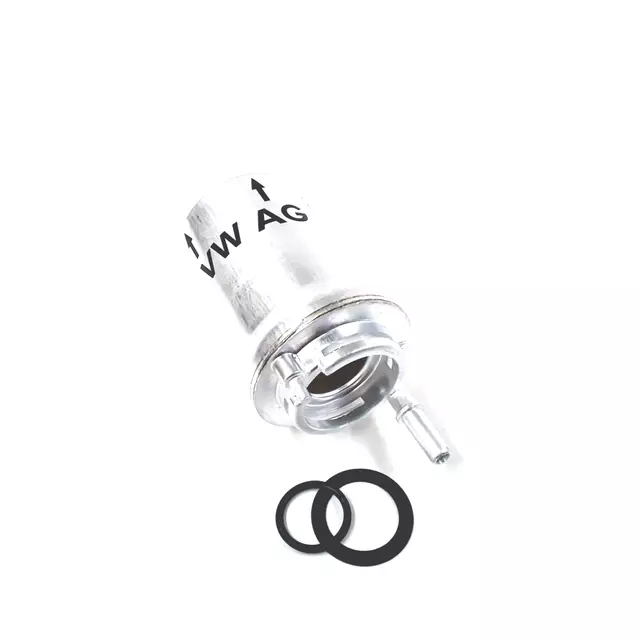
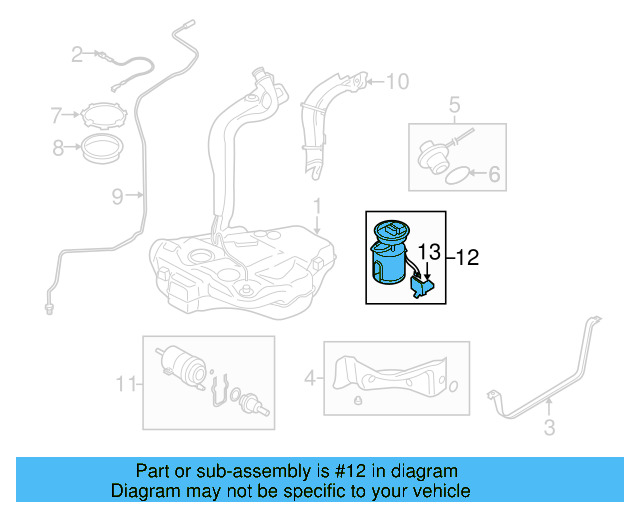
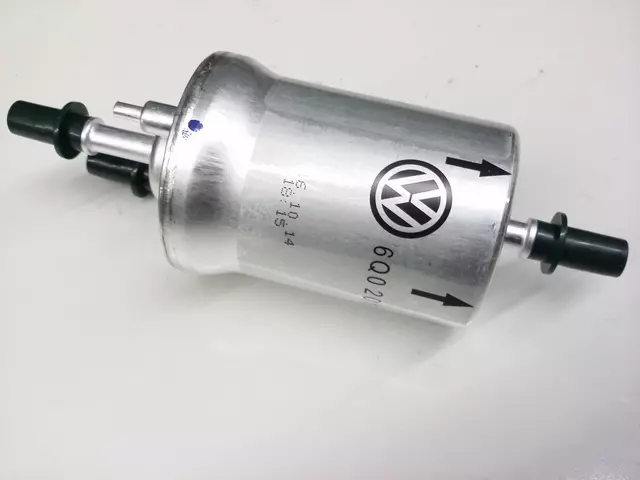
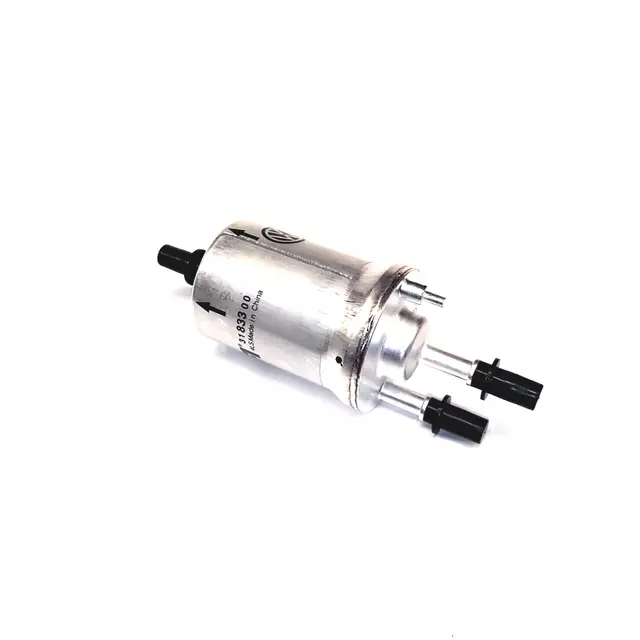
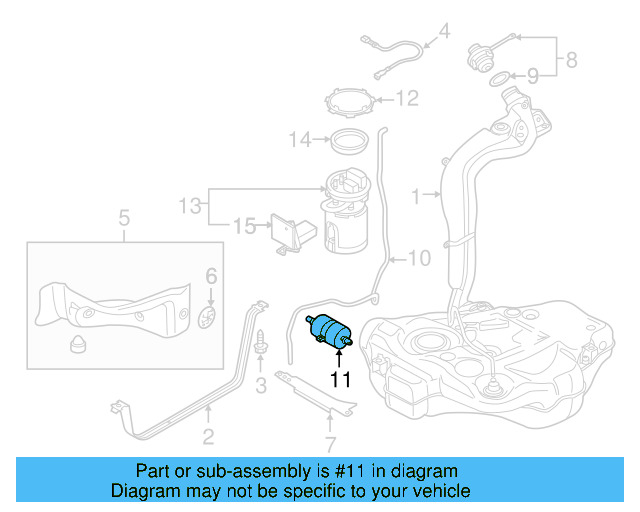
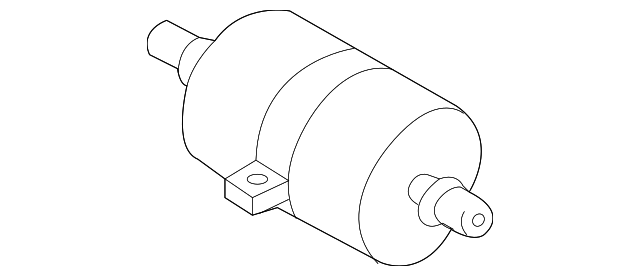
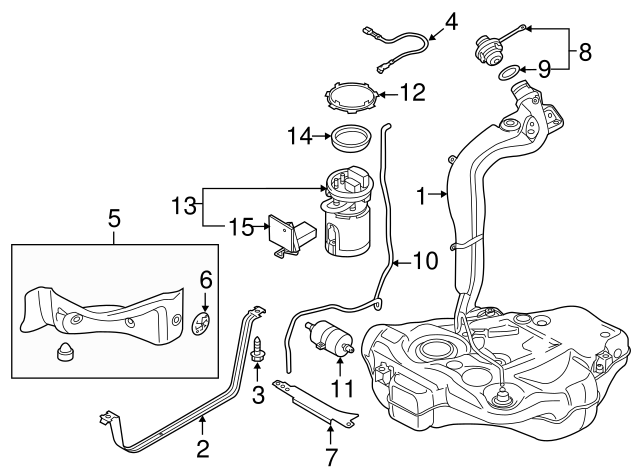
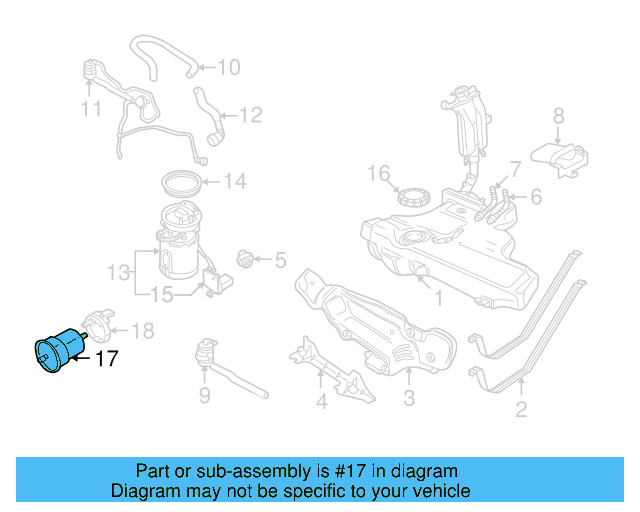
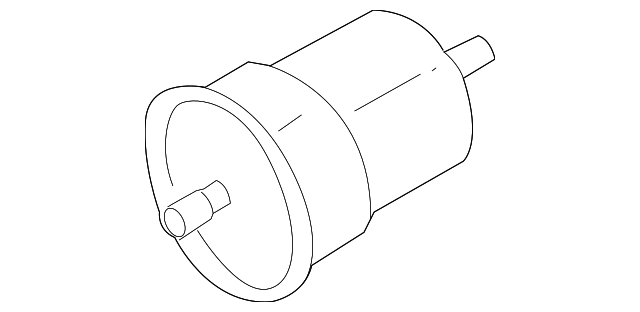
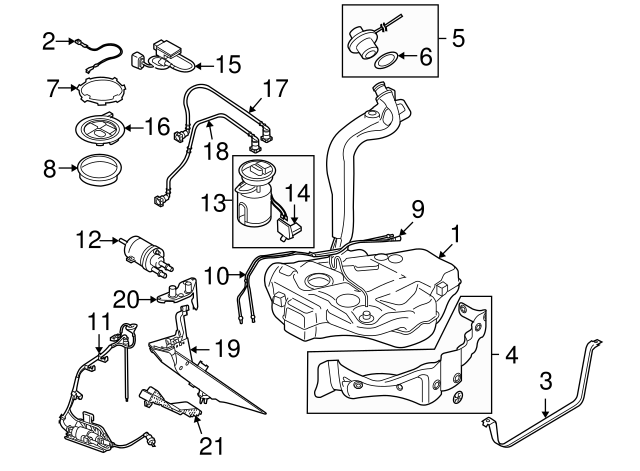
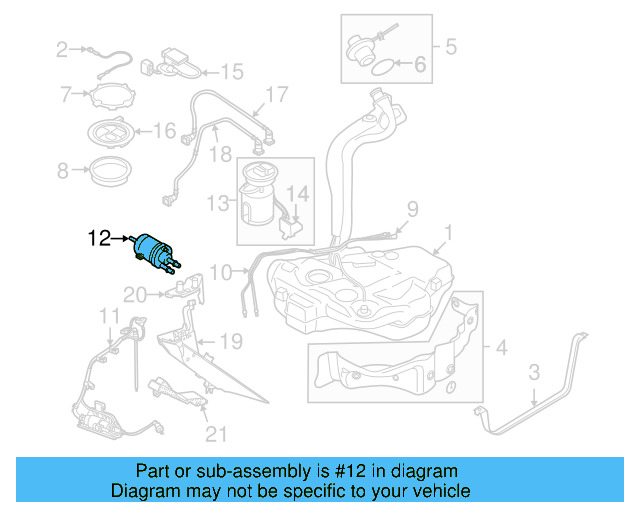
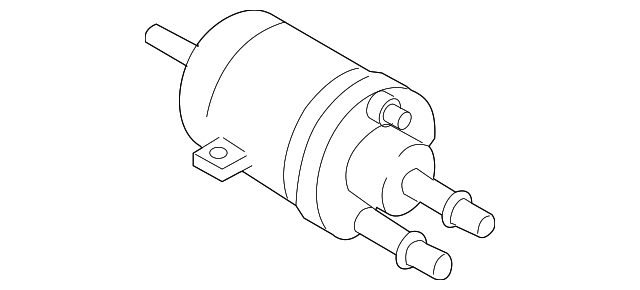
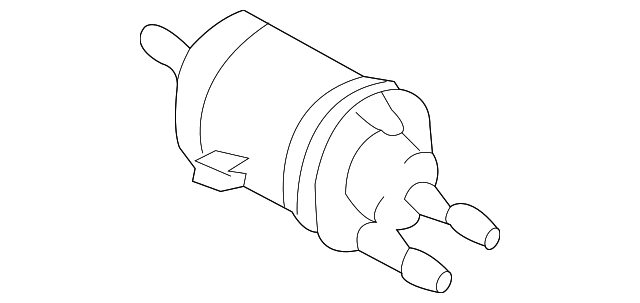
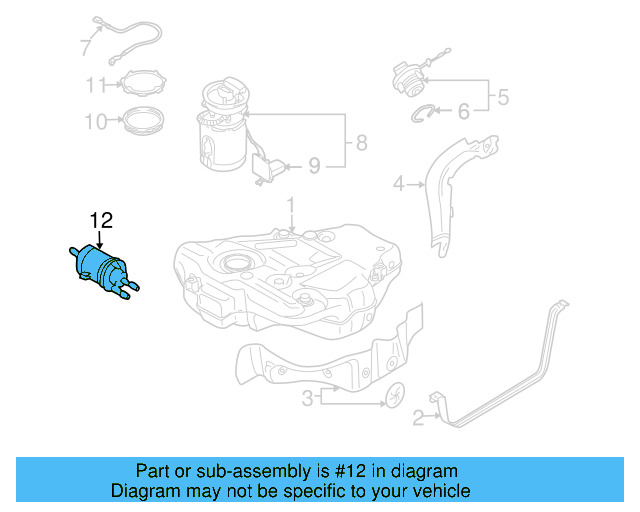
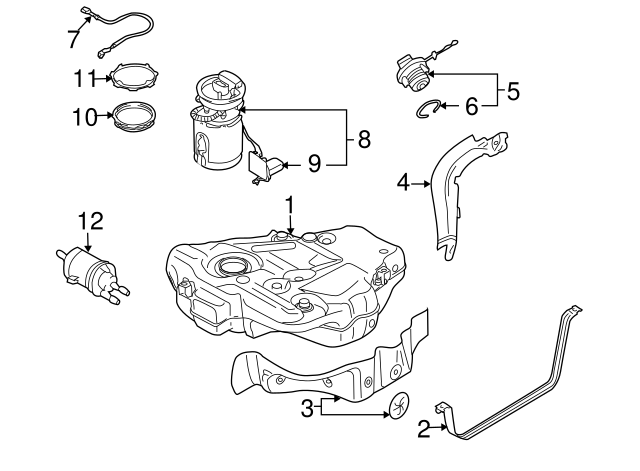
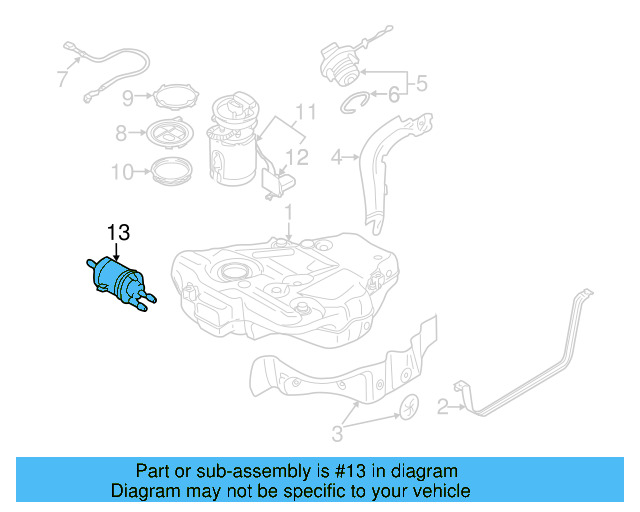
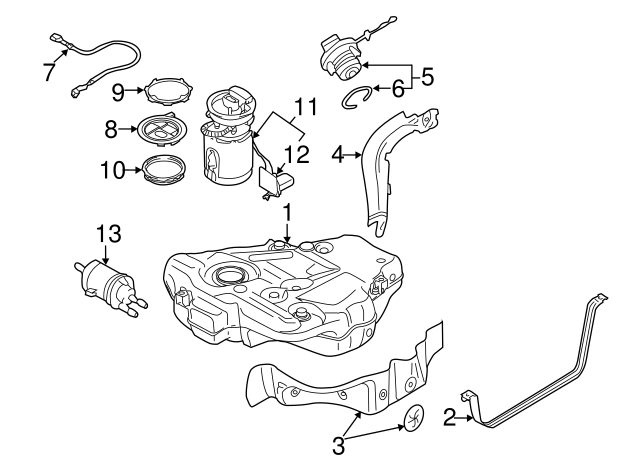
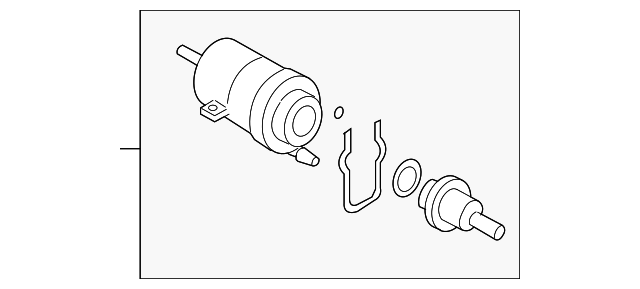
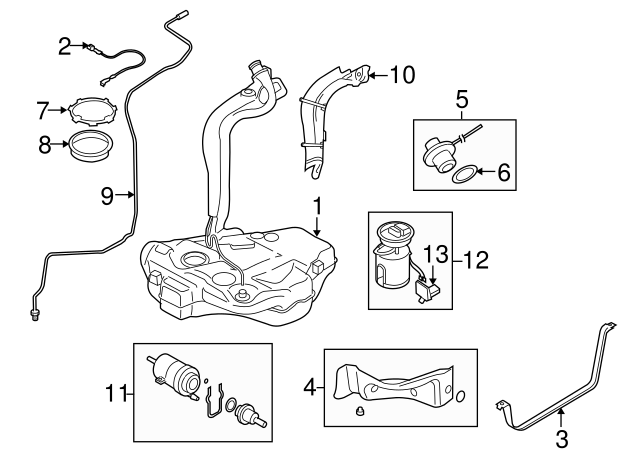
FUEL FILTER Gas motor 6Q0-201-051-J
Neglecting a fuel filter can lead to serious engine issues. Signs that it needs replacement include reduced engine power, stalling, or difficulty starting. A clogged filter can also cause fuel pump strain, leading to costly repairs down the line.
Choosing the OEM part number 6Q0-201-051-J guarantees a filter that meets the same quality standards as the original. This ensures strong filtration efficiency and a perfect fit, minimizing the risk of premature failure and maximizing the engine's longevity.
Available in Stores
| Seller | Price | Action |
|---|---|---|
|
Emich Volkswagen
New
|
$59 | |
|
Volkswagen
New
|
$58 $42 | |
|
Capitol Volkswagen
New
|
$109 |
| Seller | Price | Action |
|---|---|---|
|
Impresia Motors
Used
|
$14 | |
|
ORIGINAL AUTO
Used
|
$37 | |
|
ABParts
Used
|
$13 |
| Seller | Price | Action |
|---|---|---|
|
Winn Volkswagen Woodland Hills
New
|
$64 $44 |
Vehicle Fitment
Vehicles confirmed compatible with this part
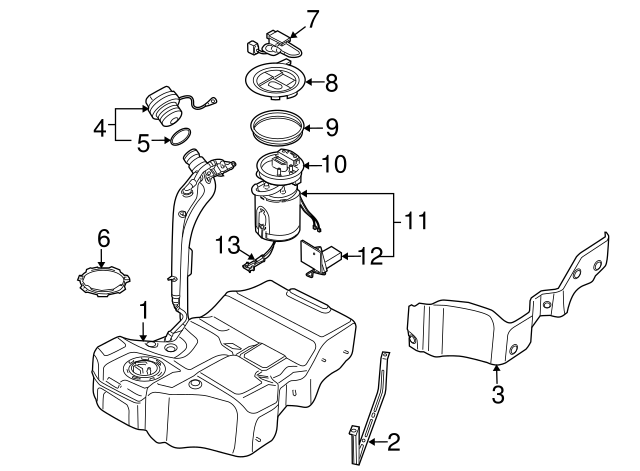
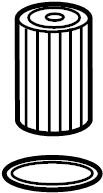

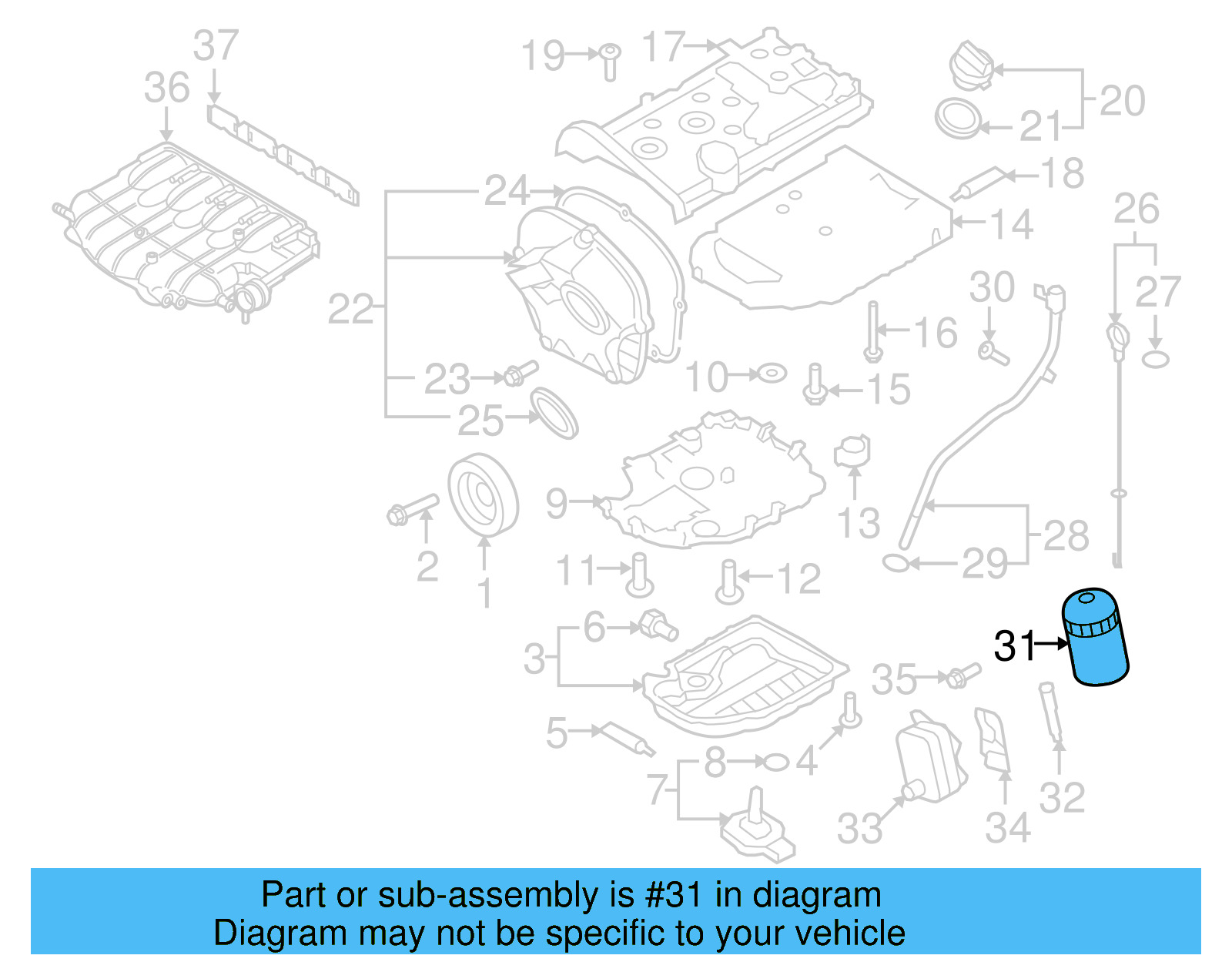
Technical Specifications
| Part Number | 6Q0-201-051-J |
|---|---|
| Filter Type | Inline with Integrated Pressure Regulator |
| Outer Diameter | 2 3/16 in (55.56 mm) |
| Length | 6 7/16 in (163.51 mm) |
| Inlet / Outlet Size | 5/16 in (7.94 mm) |
| Pressure Rating | 4.0 Bar (58 psi) |
| Housing Material | Metal with internal filter media |
| OEM Brand Group | Volkswagen Group (VAG) |
| Replacement Interval | Every 40,000 miles (64,000 km) or 4 years |
| Flow Direction | Directional — arrow marked on housing |
Factory-grade internal filter media removes fuel impurities before they reach injectors, protecting the fuel system and maintaining engine performance.
Built-in pressure regulator maintains a precise 4.0 Bar (58 psi) fuel pressure, eliminating the need for a separate regulator and ensuring accurate fuel delivery.
Fits a wide range of Volkswagen and Audi models from 2005 through 2018, including Jetta, Golf, GTI, Beetle, Rabbit, Eos, R32, A3, TT, and TT Quattro.
Compatible Aftermarket Alternatives
The following aftermarket parts are confirmed direct equivalents for OEM 6Q0-201-051-J, cross-referenced from major manufacturer catalogs.
| Manufacturer | Part Number | Notes | Dimensions (mm) |
|---|---|---|---|
| MANN-FILTER | WK 69/2 | OE-quality aftermarket equivalent from a tier-1 VAG supplier; widely trusted for filtration performance and exact fit. Highly recommended alternative. Recommended | 55.56 mm OD × 163.51 mm L |
| MAHLE | KL 156/3 | Premium aftermarket option meeting OEM specifications; MAHLE is a known VAG OE supplier. | 55.56 mm OD × 163.51 mm L |
| Hengst | H70WK01 | Direct-fit aftermarket replacement with OEM-equivalent pressure regulation and filtration. | — |
| UFI | 31.833.00 | European-made aftermarket filter meeting VAG fuel system requirements. | — |
| Purflux | EP202 | Aftermarket alternative with compatible pressure rating and inlet/outlet sizing. | — |
Always verify fitment against your VIN before ordering.
How to Replace the FUEL FILTER Gas motor
Replacing the 6Q0201051J fuel filter is a moderate DIY task requiring basic hand tools, fuel-system safety precautions, and a torque wrench. Always work in a well-ventilated area away from open flames. Refer to your vehicle's service manual for model-specific instructions before beginning.
-
Safety Preparation
Disconnect the negative terminal of the vehicle battery to prevent accidental ignition. Ensure you are working in a well-ventilated area away from sparks or open flames. Have a fuel-safe drip container and rags ready.
-
Relieve Fuel System Pressure
Locate and remove the fuel pump fuse from the fuse box. Start the engine and allow it to run until it stalls — this depletes residual fuel pressure in the lines. Attempt to restart; if it does not start, pressure has been fully relieved.
-
Locate the Fuel Filter
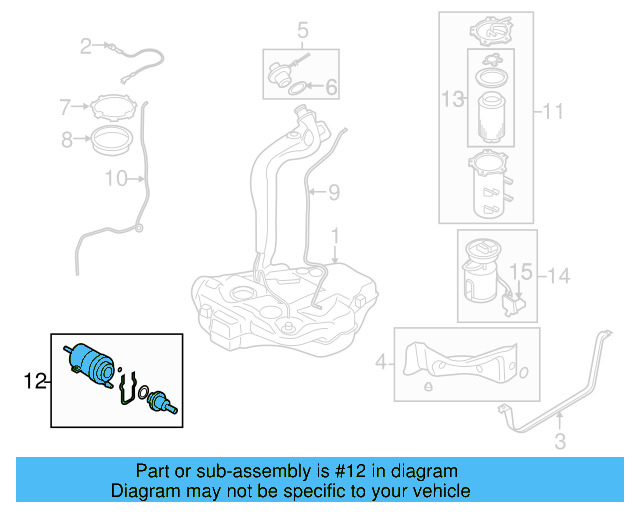
The filter is typically mounted along the fuel line underneath the vehicle near the fuel tank. Safely raise and support the vehicle if necessary to gain clear access to the filter assembly.
-
Remove the Old Filter
Place your drip container beneath the filter. Carefully disconnect the inlet and outlet fuel lines — expect minor fuel spillage. Remove any mounting brackets or retaining clamps securing the filter to the chassis. Dispose of the old filter responsibly.
-
Install the New Filter
Verify the flow-direction arrow on the new filter housing and orient it so fuel flows from the tank toward the engine. Reconnect the inlet and outlet fuel lines securely. Reattach all mounting brackets and clamps. Torque fuel line connections to approximately 20 Nm (15 ft-lbs) and mounting brackets to approximately 10 Nm (7 ft-lbs).
-
Re-pressurize the Fuel System
Reinstall the fuel pump fuse. Turn the ignition key to the ON position (do not crank the engine) for 3–5 seconds to allow the fuel pump to build pressure. Return the key to OFF, then repeat this cycle two to three times to fully pressurize the system.
-
Inspect for Leaks and Test
Start the engine and let it idle. Visually inspect all fuel line connections and the filter housing for any signs of fuel leakage. If no leaks are detected, reconnect the battery negative terminal and confirm normal engine operation.
Signs of a Worn Part
-
Engine Misfires or Hesitation
A clogged filter restricts fuel flow to the injectors, causing incomplete combustion that manifests as misfires, stumbling, or hesitation under acceleration.
-
Difficulty Starting
A blocked filter prevents the fuel pump from building adequate pressure, making cold or hot starts slow or requiring multiple cranking attempts.
-
Reduced Engine Performance
Starved fuel delivery from a restricted filter limits maximum power output, causing the engine to feel sluggish especially during high-load or highway driving.
-
Stalling at Low Speeds
At idle or low RPM the engine requires a steady minimum fuel supply; a failing filter can cause intermittent stalling in traffic or at stop lights.
-
Illuminated Check Engine Light
Fuel pressure faults or lean fuel-trim codes triggered by a restricted filter can illuminate the MIL (check engine light) and store diagnostic fault codes.
-
Abnormal Fuel Pressure Readings
A failing integrated pressure regulator within the filter can cause fuel pressure to read outside the specified 4.0 Bar, leading to rich or lean running conditions.
Replacement Intervals
Actual service life depends on regional fuel quality, driving habits, and operating conditions. If any failure symptoms are observed before the scheduled interval, inspect and replace the filter immediately regardless of mileage.
Frequently Asked Questions
Is 6Q0201051J the same as 6Q0201051A or 6Q0201051C?
Yes. The -J suffix indicates the latest revision of this part. Earlier revisions such as -A and -C are superseded by the -J, which is the current OEM production version. Always use the -J when ordering to ensure you receive the most up-to-date specification.
Does this fuel filter include an integrated pressure regulator?
Yes. The 6Q0201051J is an inline fuel filter with a built-in pressure regulator set to 4.0 Bar (58 psi). This means it simultaneously filters the fuel and regulates delivery pressure to the injectors — a separate pressure regulator is not required.
Which vehicles is 6Q0201051J compatible with?
This filter fits a broad range of VAG vehicles including VW Beetle (2005–2018), Jetta (2005–2018), Golf (2010–2014), GTI (2006–2009), Rabbit (2006–2009), Eos (2007–2010), R32 (2008), and Audi A3 Quattro (2006–2009), TT (2008–2009), and TT Quattro (2008–2010). Always verify with your VIN before purchasing.
Can I use a MANN WK 69/2 or MAHLE KL 156/3 instead of the OEM part?
Yes. MANN-FILTER WK 69/2 and MAHLE KL 156/3 are direct OEM-equivalent replacements from tier-1 suppliers that already manufacture filters for the Volkswagen Group. They meet the same dimensional and pressure specifications as the OEM part and are reliable alternatives.
How do I know if my fuel filter needs to be replaced before the scheduled interval?
Common signs include engine hesitation or misfires, hard starting, stalling at idle or low speed, noticeable power loss under load, or an illuminated check engine light with fuel-pressure or fuel-trim fault codes. Any of these symptoms warrant immediate inspection of the fuel filter.
What happens if I install the filter in the wrong direction?
The filter housing has a flow-direction arrow that must point toward the engine (away from the fuel tank). Installing it in reverse will severely restrict or completely block fuel delivery, causing the engine to stall and potentially damaging the fuel pump through excessive back-pressure.
Found an Error?
Help us improve! If you've spotted an error on the site or in the data, let us know and we'll fix it as soon as possible.