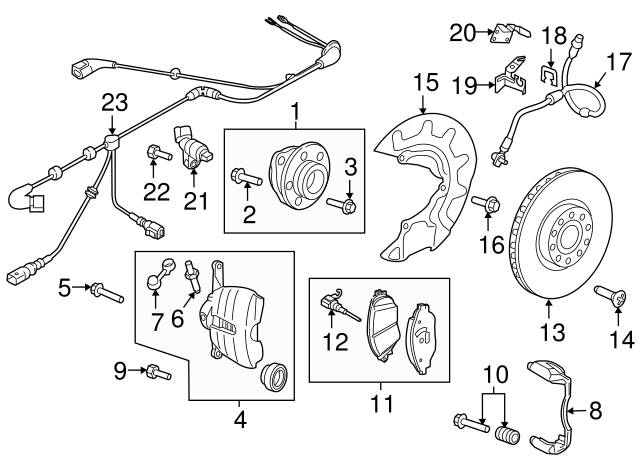
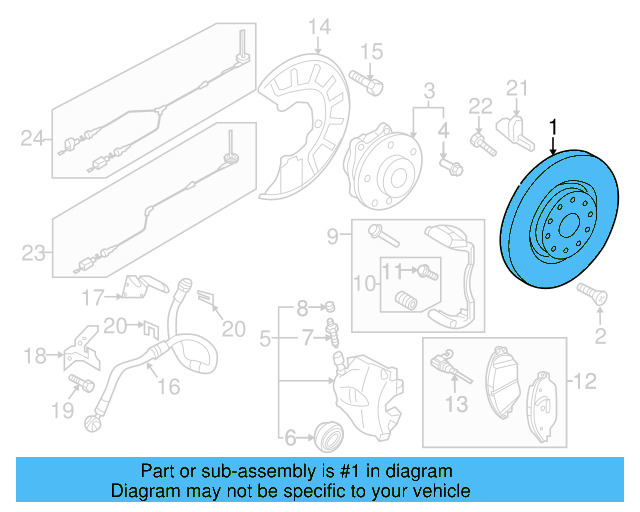
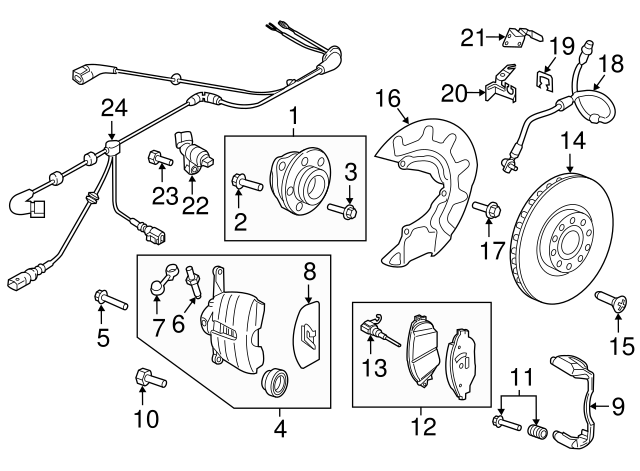
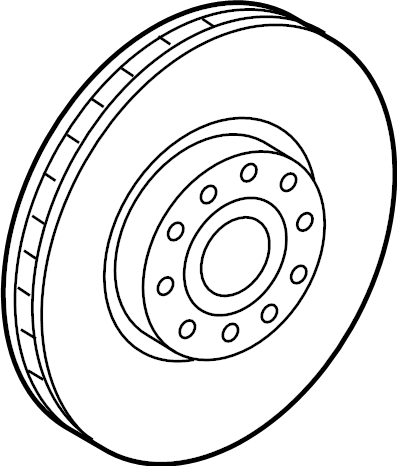
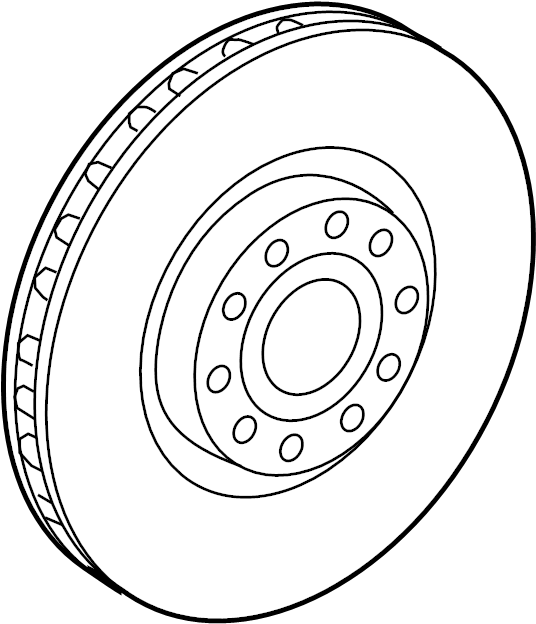
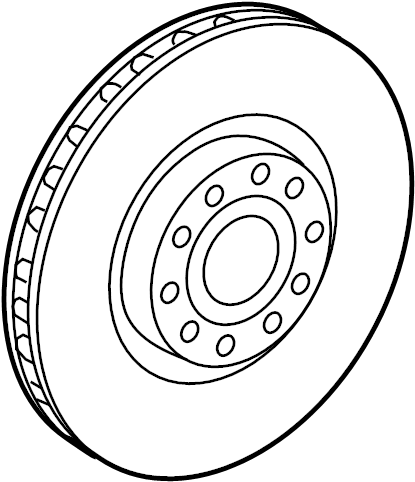
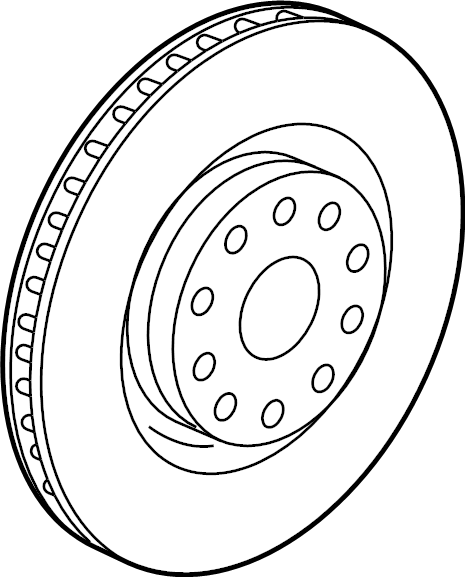
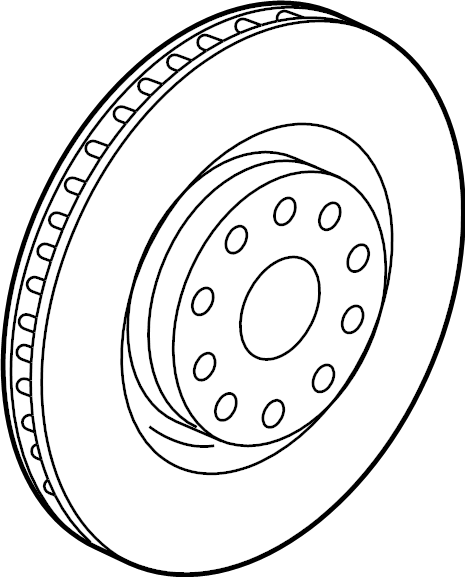
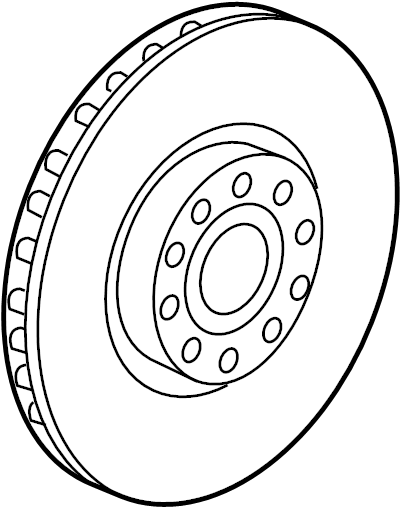
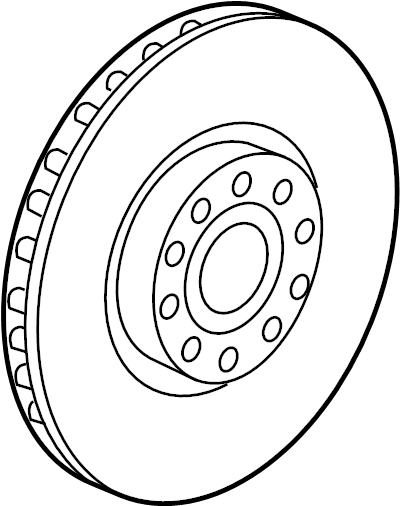
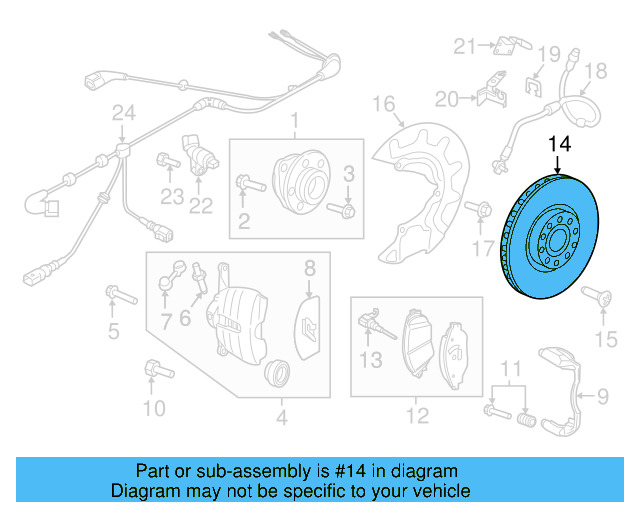
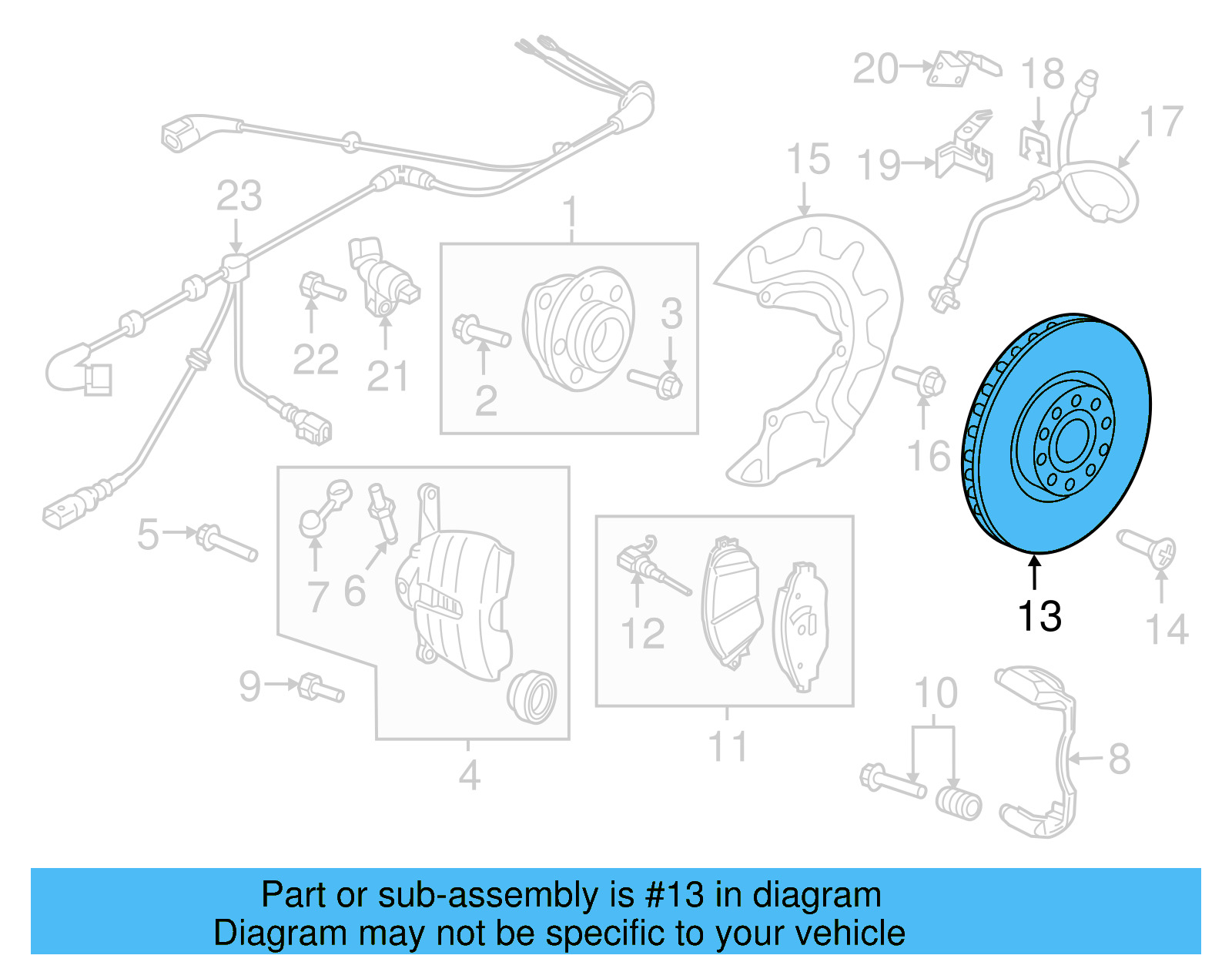
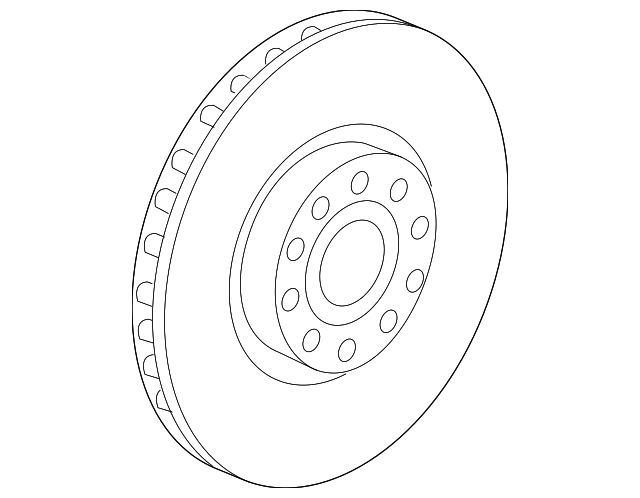
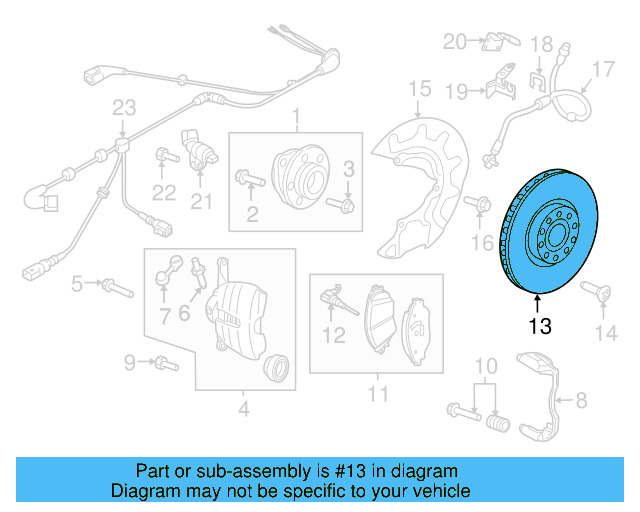
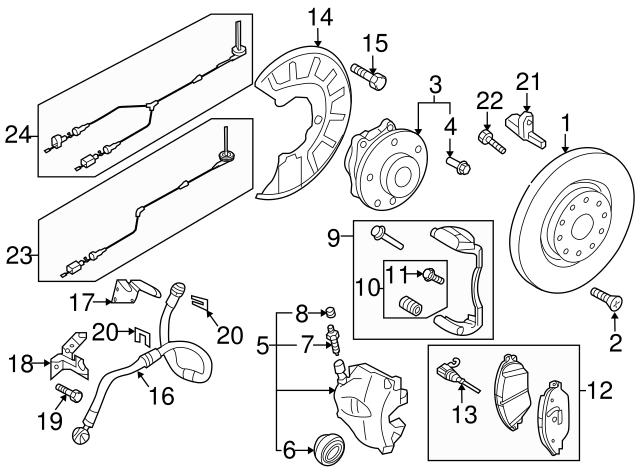
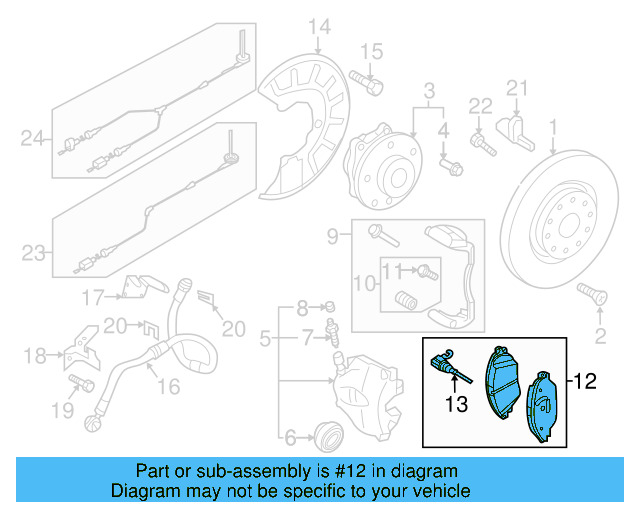
Rotor 5Q0-615-301-G
Neglecting a worn rotor can lead to several issues, including reduced braking effectiveness, vibrations during braking, and increased stopping distances. Signs that replacement is necessary include a squeaking noise, warping, or visible cracks on the surface, indicating that the rotor has reached the end of its service life.
Choosing this OEM rotor with part number 5Q0-615-301-G ensures it aligns perfectly with factory standards for braking systems. Using original parts helps maintain braking integrity and reduces the chance of failure often seen with inferior alternatives.
Available in Stores
| Seller | Price | Action |
|---|---|---|
|
Leith Volkswagen
Official Dealer
|
$204 |
| Seller | Price | Action |
|---|---|---|
|
Volkswagen
New
|
$146 $113 | |
|
Capitol Volkswagen
New
|
$227 |
| Seller | Price | Action |
|---|---|---|
|
Infoparts13.com.ua
Used
|
$222 | |
|
Алето Авто - оригинальні Б/У та нові оригінальні запчастини но авто з США
Used
|
$36 | |
|
ORIGINAL AUTO
Used
|
$192 |
| Seller | Price | Action |
|---|---|---|
|
Volkswagen of Downtown L.A.
New
|
$166 $140 |
| Seller | Price | Action |
|---|---|---|
|
motostacja24
New
|
$67 | |
|
Oficjalny sklep ROTINGER
New
|
$263 | |
|
Oficjalny sklep ROTINGER
New
|
$249 |
Vehicle Fitment
Vehicles confirmed compatible with this part
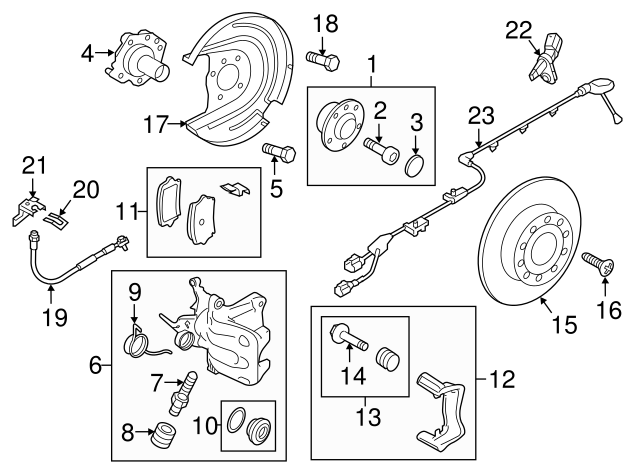
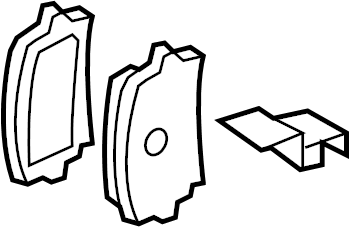
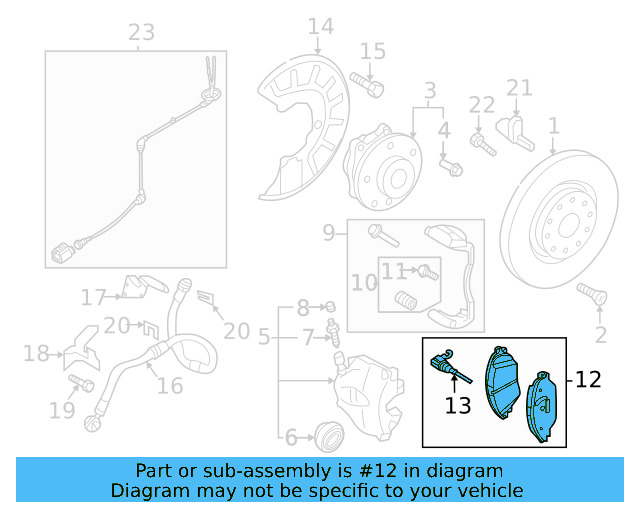
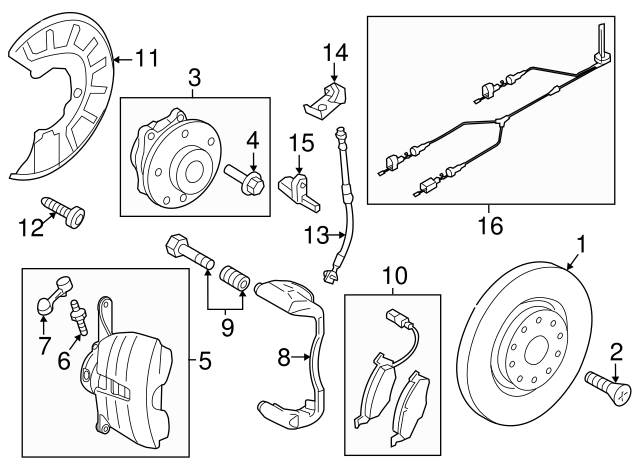
Technical Specifications
| OEM Part Number | 5Q0615301G |
|---|---|
| Rotor Diameter | 340 mm |
| Rotor Thickness (New) | 30 mm |
| Position | Front Axle |
| Design | Vented |
| Material | Cast Iron |
| Quantity | 1 (single disc) |
| Replaces (Superseded) | 1K0615301AD |
| Application | Performance Brake Package Models |
Direct factory replacement for performance brake packages across multiple VW Group platforms, ensuring precise hub fit and proper caliper alignment.
Internal venting channels accelerate airflow through the rotor, dissipating heat rapidly and reducing the risk of brake fade under high-demand driving.
Larger 340 mm swept area delivers enhanced braking force and improved pedal feel compared to standard rotors fitted to base trim vehicles.
Compatible Aftermarket Alternatives
The following aftermarket parts are confirmed direct equivalents for OEM 5Q0-615-301-G, cross-referenced from major manufacturer catalogs.
| Manufacturer | Part Number | Notes | Dimensions (mm) |
|---|---|---|---|
| Brembo | 09.C306.11 | Premium OE-supplier aftermarket rotor; Brembo supplies rotors to VW Group at the factory level. Excellent quality and direct fitment. Recommended | 340 mm x 30 mm |
| Brembo | 09.C306.1X | Cross-drilled/slotted variant from Brembo; suitable for drivers seeking improved bite and heat venting. Verify finish preference before ordering. | 340 mm x 30 mm |
| Bosch | 14011564 | OE-equivalent rotor from Bosch; meets OEM dimensional and metallurgical specifications. Widely available and competitively priced. | 340 mm x 30 mm |
| Fremax | 5Q0615301G | Budget-friendly aftermarket option cross-referenced directly to OEM number. Suitable for standard driving conditions. | 340 mm x 30 mm |
| Volkswagen OEM | 5Q0615301G | Genuine VW dealer part. Best choice when warranty compliance or OEM provenance documentation is required. | 340 mm x 30 mm |
Always verify fitment against your VIN before ordering.
How to Replace the Rotor
Replacing the front brake disc on a VW Group vehicle is a straightforward job for an experienced DIYer with the correct tools. Always work on a level surface, use jack stands rated for the vehicle's weight, and consult your model-specific service manual for torque specifications before beginning. Plan to replace rotors in axle pairs and inspect brake pads at the same time.
-
Prepare the Vehicle
Park on a level surface, engage the parking brake, and place wheel chocks behind the rear wheels. Loosen the lug nuts on the wheel being serviced by one half-turn before lifting the vehicle.
-
Lift and Support the Vehicle
Use a floor jack at the manufacturer-specified jacking point to raise the vehicle. Place a rated jack stand under the vehicle's frame or pinch weld before removing the wheel completely.
-
Remove the Brake Caliper
Unbolt the caliper mounting bolts and carefully slide the caliper off the rotor. Suspend the caliper from the spring or strut using a wire hanger or bungee cord — never let it hang by the brake hose.
-
Remove the Old Brake Disc
Remove the retaining set screw (if present) securing the rotor to the hub. Slide the rotor off the hub. If corrosion has bonded the rotor, apply penetrating oil and tap the rotor face gently with a rubber mallet until it breaks free.
-
Prepare the Hub and New Rotor
Clean the hub mating surface thoroughly with a wire brush to remove rust and debris. Wipe down the new rotor's friction surfaces with brake cleaner to remove any protective anti-rust coating before installation.
-
Install the New Brake Disc
Slide the new 5Q0615301G rotor onto the hub, ensuring it seats flush. Reinstall the retaining set screw finger-tight if applicable. Confirm the rotor sits evenly with no wobble before proceeding.
-
Reinstall Caliper and Wheel
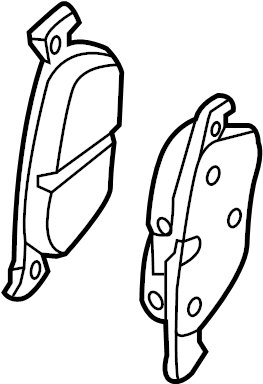
Inspect brake pads and replace if worn. Reposition the caliper over the new rotor and torque the caliper mounting bolts to the specification in your service manual. Reinstall the wheel, hand-tighten lug nuts, lower the vehicle, then torque lug nuts to 120–140 Nm (or per your model's specification) in a star pattern.
-
Bed the Brakes and Final Check
Before driving, pump the brake pedal firmly several times until it feels solid. Check the brake fluid level and top up if needed. Perform a slow-speed test stop, then carry out a proper brake bed-in procedure per the rotor manufacturer's recommendation to optimize performance and longevity.
Signs of a Worn Part
-
Brake Pedal Vibration or Pulsation
A warped or unevenly worn rotor causes the pedal to pulsate rhythmically during braking, often felt through the steering wheel on front rotors.
-
Squealing or Grinding Noises
Squealing indicates pads are near their wear limit; grinding suggests metal-to-metal contact, which can rapidly score the rotor surface and requires immediate attention.
-
Increased Stopping Distance
A glazed, deeply grooved, or worn-below-minimum-thickness rotor reduces the effective friction surface area, resulting in noticeably longer stopping distances.
-
Visible Scoring or Deep Grooves
Deep circumferential grooves, cracks, or a lip at the rotor's outer edge visible during a wheel-off inspection indicate the rotor has worn beyond serviceable limits.
-
Brake Fade Under Sustained Use
A rotor that is cracked, heat-checked, or too thin loses its ability to absorb and dissipate heat, causing brake fade during repeated hard stops or downhill driving.
Replacement Intervals
Volkswagen Group does not publish a fixed kilometre-based replacement interval for brake rotors. Replacement is condition-based: measure rotor thickness with a micrometer at multiple points and replace when the minimum thickness (discard thickness stamped on the rotor or listed in the service manual) is reached. Always replace rotors in axle pairs.
Frequently Asked Questions
Is the 5Q0615301G sold as a single rotor or a pair?
OEM part number 5Q0615301G is sold individually as a single brake disc. You will need to order two to replace both front rotors, which is always recommended to maintain balanced braking.
What vehicles is the 5Q0615301G compatible with?
This rotor fits performance brake package variants of several VW Group models, including the Volkswagen Golf R, GTI, Jetta GLI, Arteon (2019–2023), Tiguan, Audi A3 (2017–2020), S3, Q3, and certain SEAT and Škoda models. Always confirm fitment using your vehicle's VIN before ordering, as trim level and brake package matter.
Does this rotor replace the older part number 1K0615301AD?
Yes. The 5Q0615301G supersedes (replaces) OEM part number 1K0615301AD. If your parts system or service manual lists the older number, the 5Q0615301G is the current correct part to order.
Can I use an aftermarket rotor instead of the OEM part?
Yes, high-quality aftermarket rotors from Brembo (09.C306.11) or Bosch (14011564) are dimensionally equivalent and meet or exceed OEM specifications for street use. Brembo is the recommended aftermarket choice as they are an established OE supplier to Volkswagen Group.
Should I replace the brake pads at the same time as the rotors?
It is strongly recommended. Installing new rotors against worn pads will rapidly score the fresh rotor surface and compromise braking performance. New pads also allow for a proper bed-in procedure that maximises rotor life.
How do I know when this rotor needs to be replaced?
Replace the rotor when it reaches the minimum discard thickness stamped on the rotor hat or listed in your service manual, when deep grooves or cracks are visible, when pulsation or grinding is felt during braking, or when inspection reveals a pronounced wear lip at the outer edge. Thickness should be measured with a micrometer at multiple points around the circumference.
Found an Error?
Help us improve! If you've spotted an error on the site or in the data, let us know and we'll fix it as soon as possible.