
 DE
DE
 English
 polski
 русский
 українська
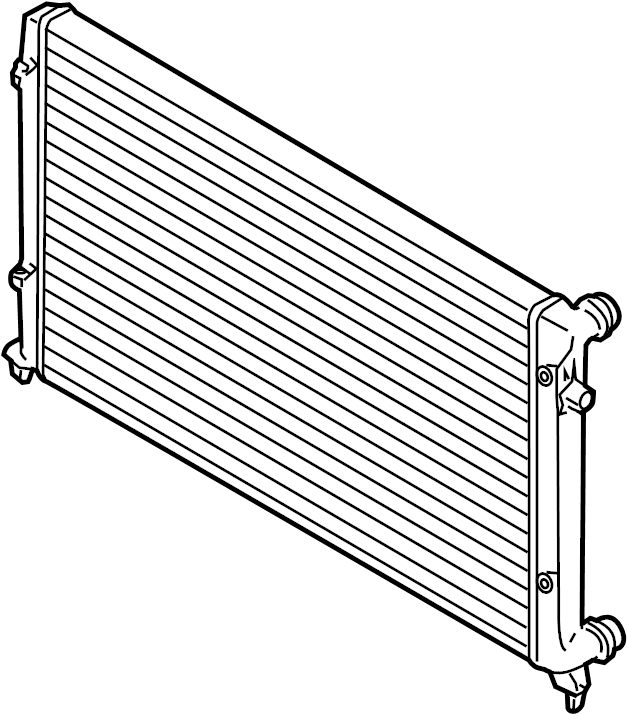
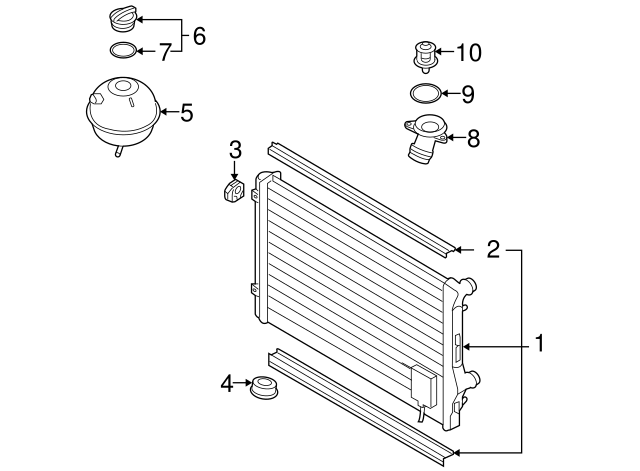
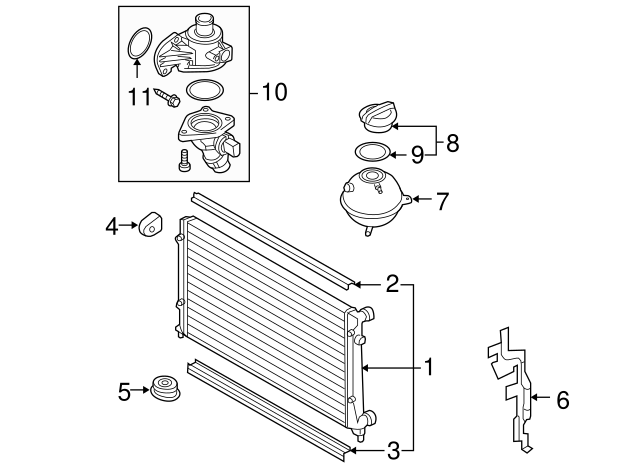
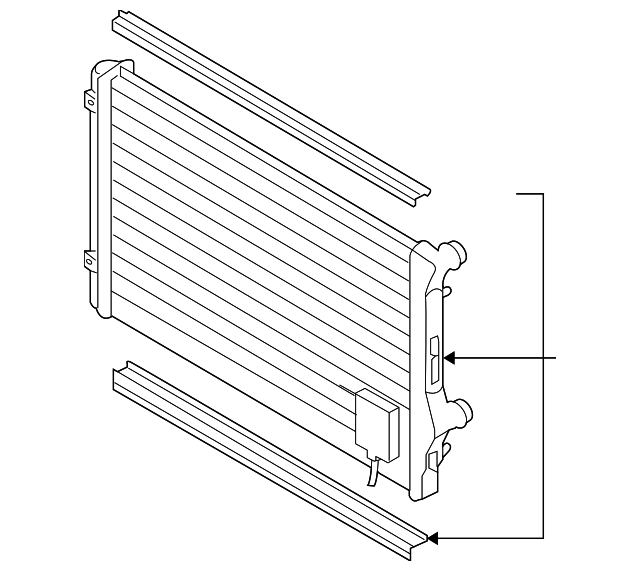
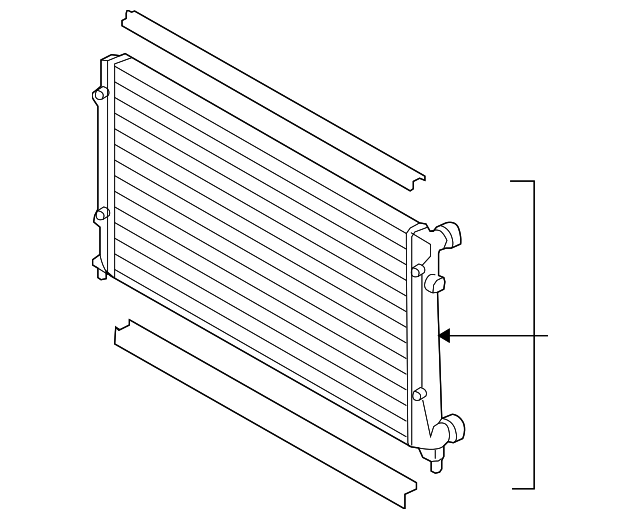
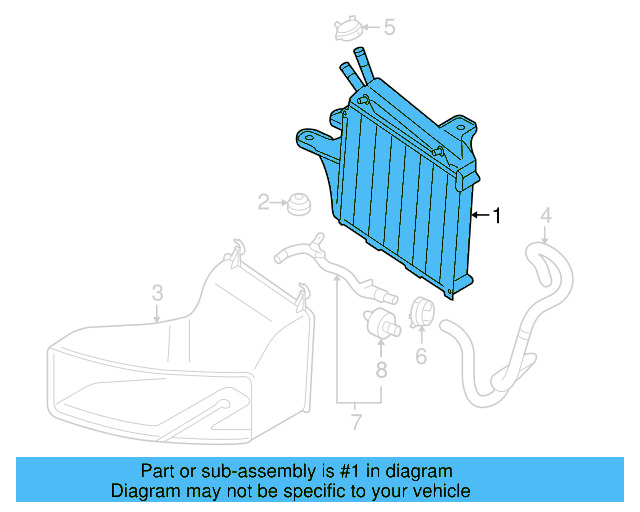
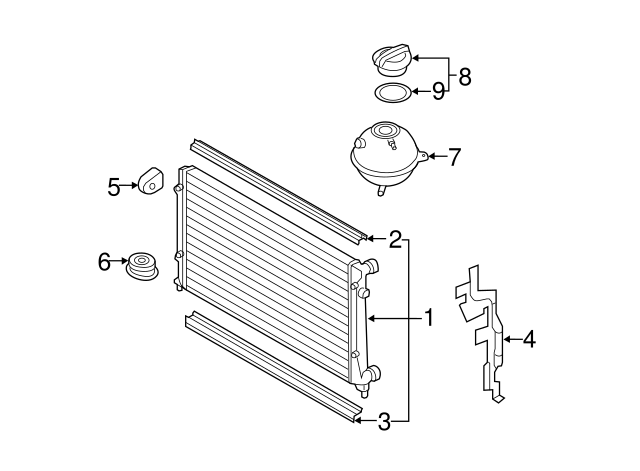
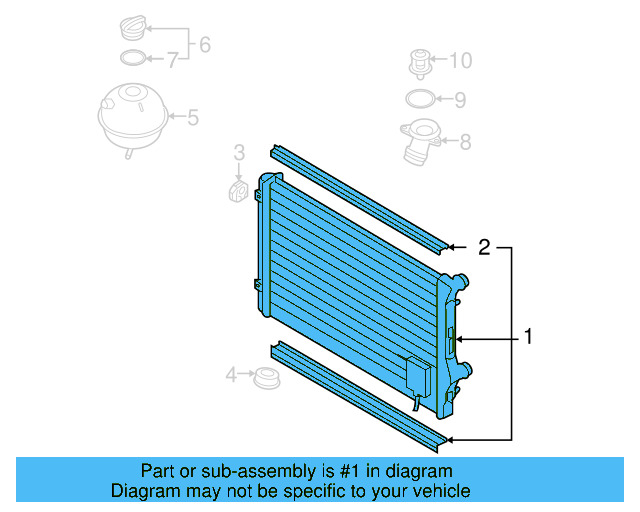
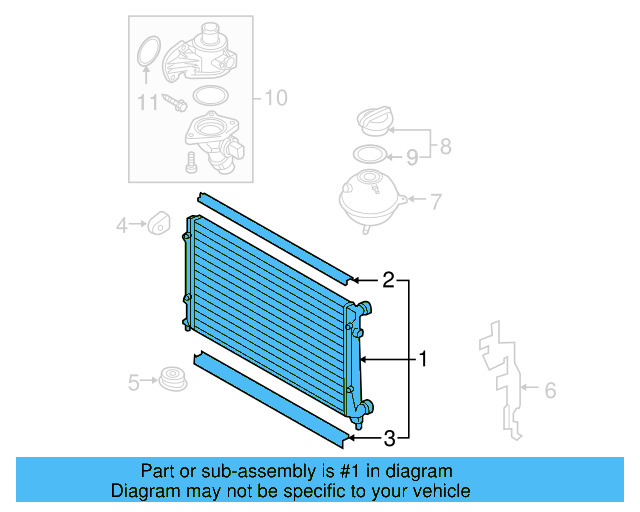
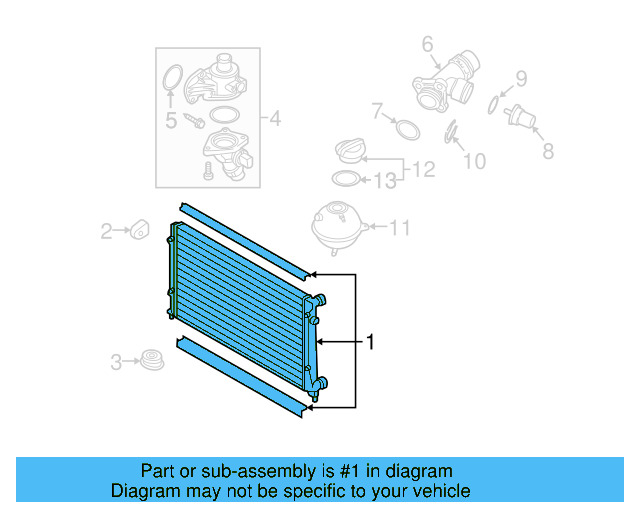
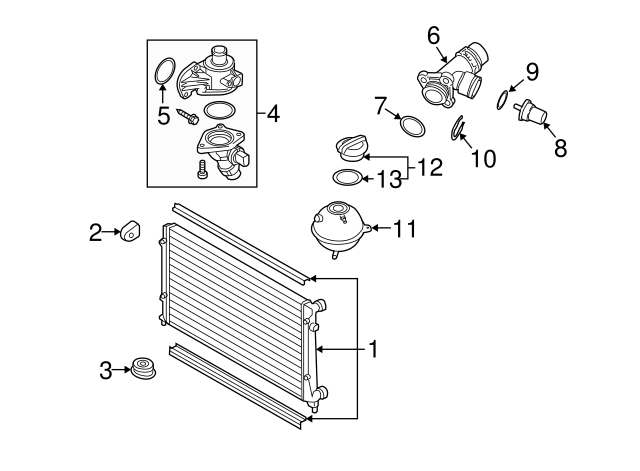
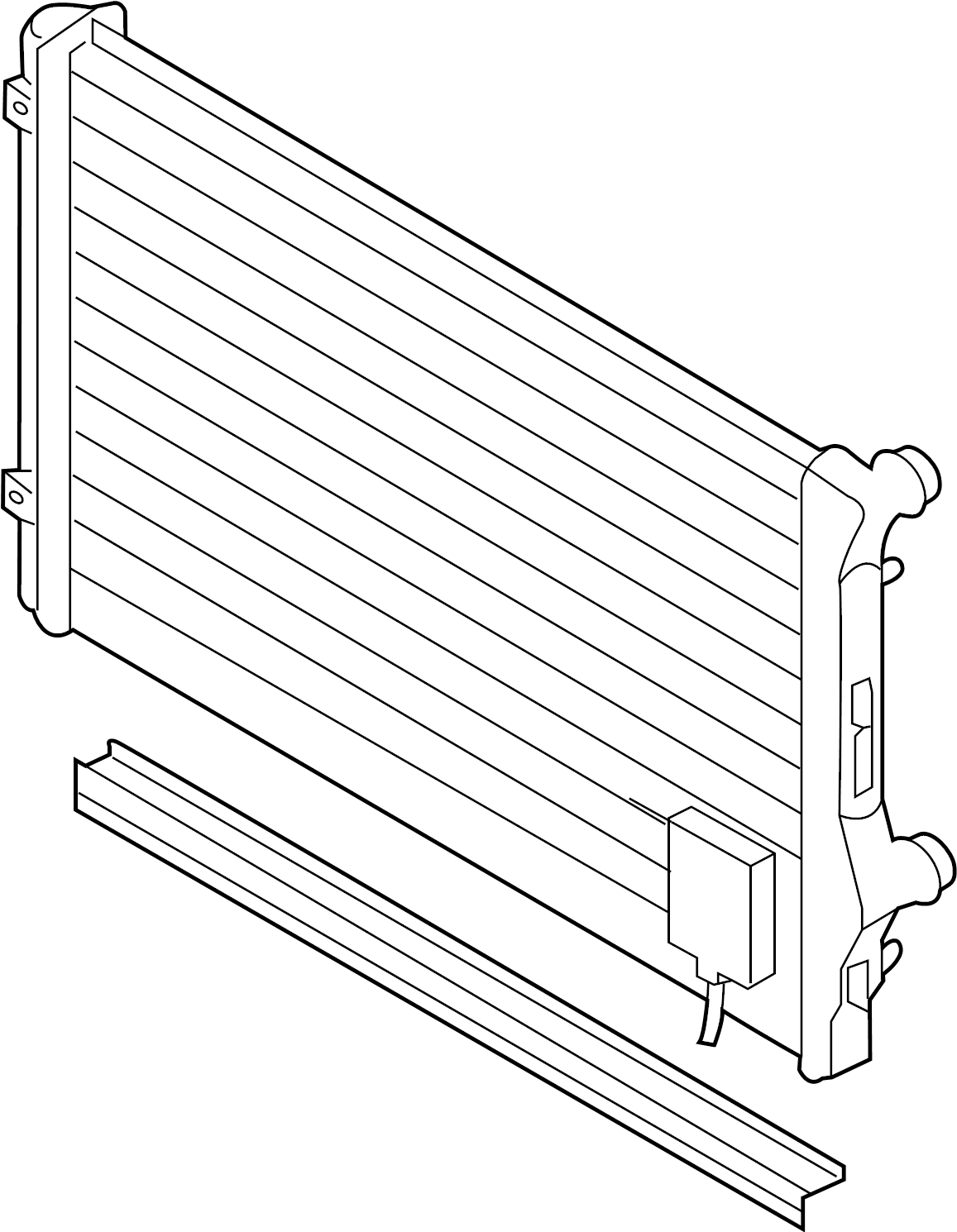
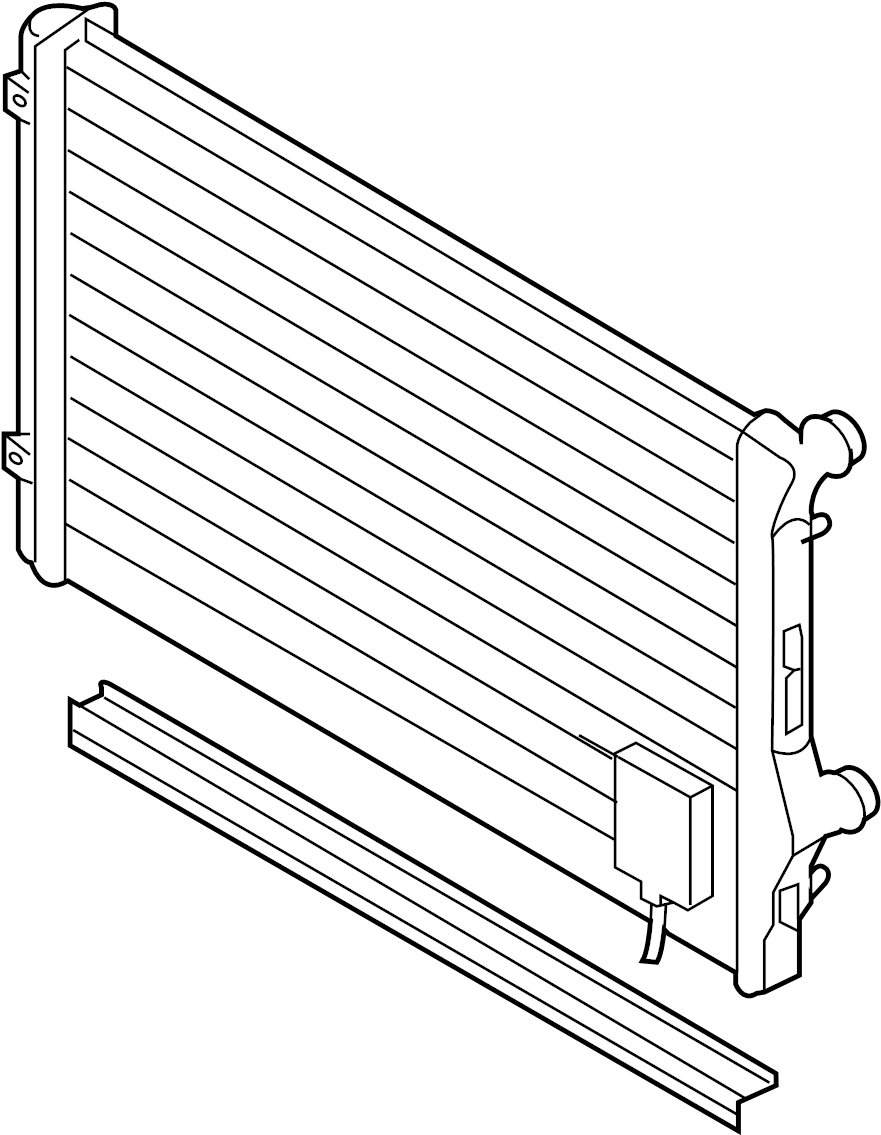
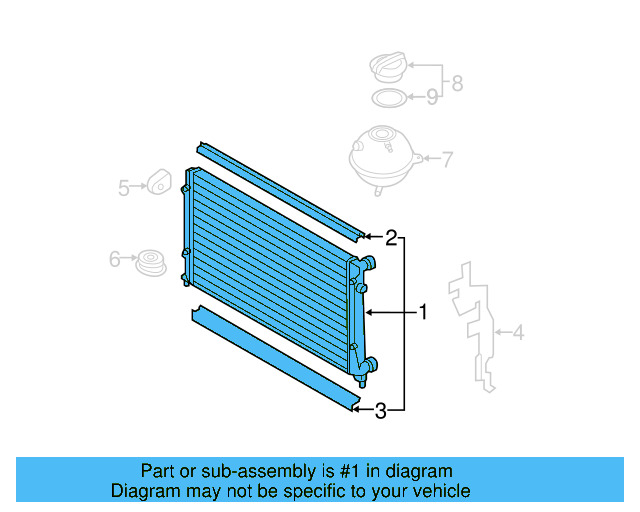
Radiator 1K0-198-251-CS
Neglecting the radiator can lead to severe consequences, including engine overheating, coolant leaks, and potential engine damage. Signs that indicate it may need replacement include fluctuating temperature gauges, visible coolant leaks, and a buildup of debris or corrosion on the radiator surface, which can impede its cooling efficiency.
Opting for this OEM part with part number 1K0-198-251-CS ensures reliability and performance standards that match original factory specifications. Choosing an original part helps avoid the risks associated with subpar aftermarket alternatives, which may not integrate properly and compromise cooling efficiency.
Verfügbar in Shops 13 Angebote
Fahrzeug-Passgenauigkeit 16 Fahrzeuge
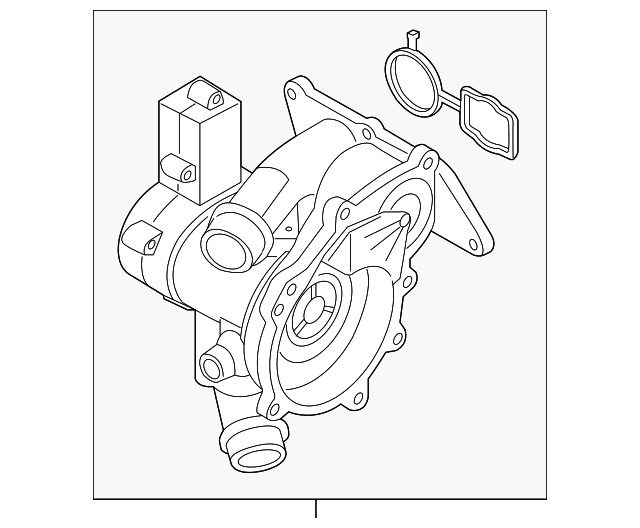
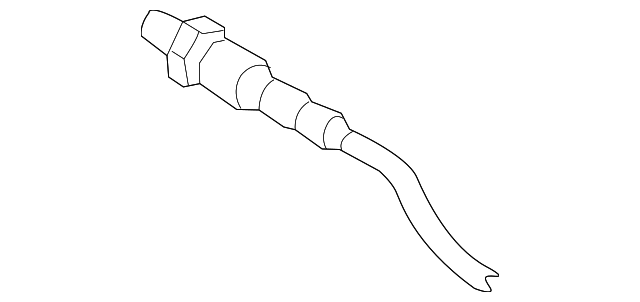
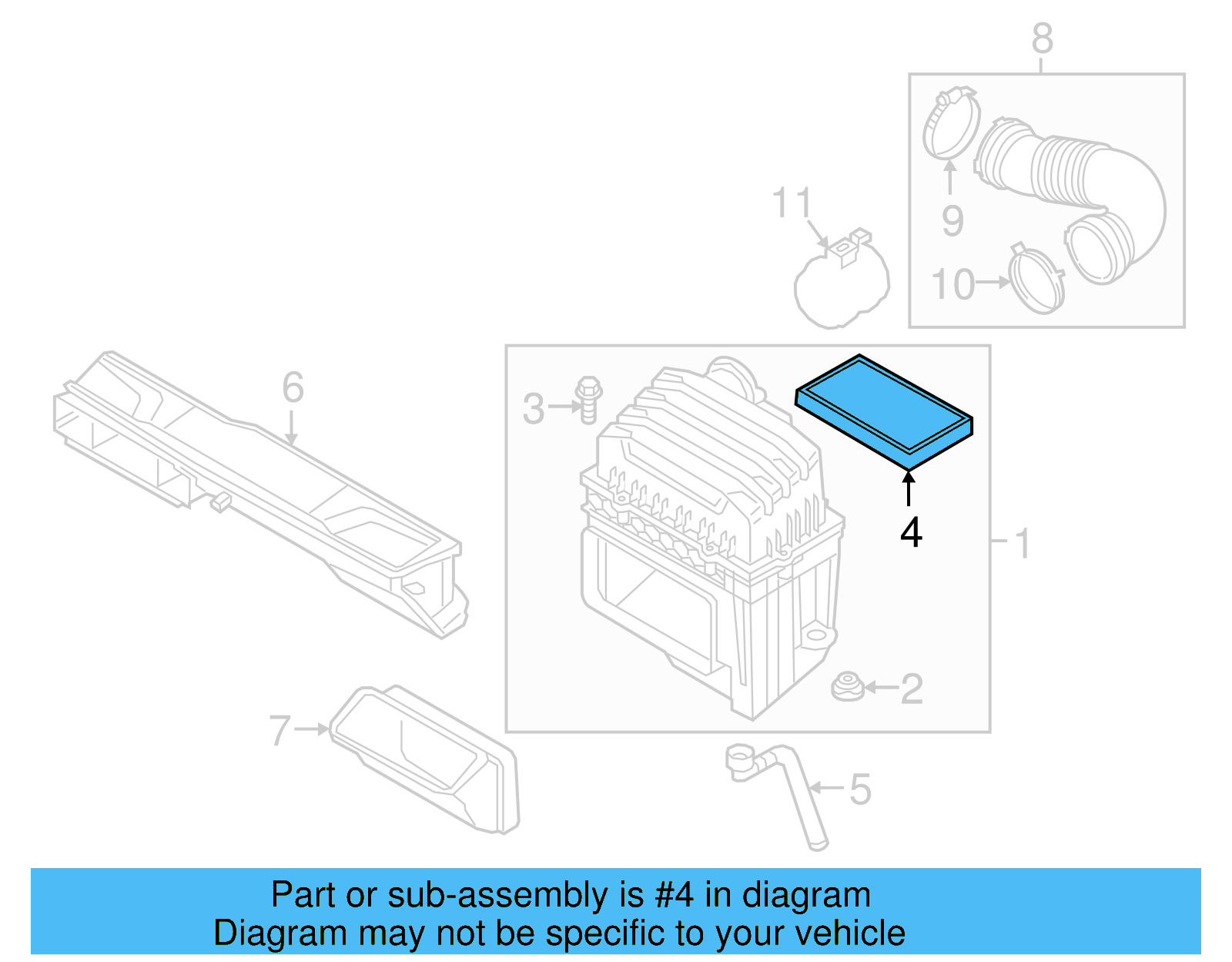
Technische Daten
| OEM Part Number | 1K0-198-251-CS |
|---|---|
| Tank Material | Plastic |
| Product Fit | Direct Fit |
| Quantity Sold | Individually |
| Warranty | 24-month limited |
| Engine Compatibility | 2.0L L4 1984cc Turbocharged |
| Core Material | — |
| Overall Dimensions (H × W × D) | — |
| Coolant Capacity | — |
| Transmission Cooler | Applicable where equipped (verify by application) |
So ersetzen Sie Radiator
Replacing the radiator on compatible VW and Audi 2.0L L4 vehicles is a moderate-difficulty job that typically requires basic hand tools, a coolant catch pan, and access to the front of the engine bay. Always allow the engine to cool completely before beginning and consult the vehicle's factory service manual for torque specifications.
-
Prepare the Vehicle
Ensure the engine is completely cool. Disconnect the negative battery terminal. Raise the vehicle safely and secure it on jack stands to allow access from below.
-
Drain the Coolant
Position a drain pan beneath the radiator. Open the radiator drain valve or carefully remove the lower radiator hose to drain all coolant. Dispose of used coolant per local regulations.
-
Remove the Front Bumper Cover
Remove the front bumper cover to gain full access to the radiator assembly. This is typically required on MkV/MkVI platform vehicles to allow the radiator to be extracted.
-
Disconnect Hoses, Lines, and Connectors
Detach the upper and lower radiator hoses. If equipped, disconnect the automatic transmission cooler lines and plug them to prevent fluid loss. Unplug the radiator fan electrical connectors.
-
Remove Mounting Hardware and Old Radiator
Remove any mounting brackets, bolts, or retaining clips securing the radiator. Carefully lift the radiator straight up and out of the engine bay, avoiding damage to surrounding components.
-
Install the New Radiator
Lower the new 1K0-198-251-CS radiator into position. Reconnect all mounting brackets and fasteners. Reattach radiator hoses, transmission cooler lines (if applicable), and fan electrical connectors. Reinstall the front bumper cover.
-
Refill and Bleed the Cooling System
Fill the cooling system with the correct VW-approved coolant mixture (G12, G13, or equivalent as specified for your vehicle). Bleed the system thoroughly to remove all air pockets, using the bleed screw or by running the engine with the heater set to maximum heat.
-
Final Inspection and Test
Reconnect the negative battery terminal. Start the engine and bring it to operating temperature. Check all connections for coolant leaks. Monitor the temperature gauge to confirm the engine is running within the normal range.
Anzeichen für ein verschlissenes Teil
-
Engine Overheating
The temperature gauge climbs into the red zone or the overheating warning light activates, indicating the radiator is no longer dissipating heat effectively.
-
Coolant Leaks Under the Vehicle
Puddles of green, pink, or orange fluid beneath the front of the vehicle after parking signal a cracked tank, damaged seams, or failed end-tank seals on the radiator.
-
Low Coolant Level
Repeatedly low coolant in the reservoir without an obvious external leak may indicate a slow internal crack or a seeping end-tank connection losing coolant under pressure.
-
Discolored or Contaminated Coolant
Brown, rusty, or oily coolant in the reservoir or radiator suggests internal corrosion, contamination from a failed head gasket, or degraded coolant breaking down internally.
-
Visible Physical Damage or Corrosion
Bent fins, cracked plastic end tanks, whitish mineral deposits, or green staining on the radiator body are clear visual signs the unit needs replacement.
Wechselintervalle
Radiator replacement is condition-based. Consistent coolant maintenance is the primary factor in extending radiator life. Always verify coolant service intervals in the vehicle's factory maintenance schedule.
Häufig gestellte Fragen
Is part number 1K0-198-251-CS the same as 1K0-121-251-CS?
Yes, 1K0-121-251-CS is the primary OEM radiator part number, while 1K0-198-251-CS is a service/repair cross-reference number used within the Volkswagen Group parts system. Both refer to the same radiator assembly for compatible 2.0L L4 applications.
Which vehicles is this radiator compatible with?
This radiator fits the 2008–2010 Audi A3 (2.0L L4), 2008–2014 VW GTI (2.0L L4), 2008–2010 VW Jetta GLI (2.0L L4), 2009–2010 VW Eos (2.0L L4), 2010 VW Passat (2.0L L4), and 2012–2013 VW Beetle Turbo (2.0L L4). Always verify fitment using your vehicle's VIN before ordering.
Can I use an aftermarket radiator instead of OEM?
Yes, several reputable aftermarket brands including AVA Cooling Systems, ABAKUS, and AKS DASIS produce direct-fit equivalents. AVA Cooling Systems is generally considered the top aftermarket choice due to their OE supply heritage. Verify the exact part number with the manufacturer before purchasing.
What coolant type should I use when refilling after replacement?
Use VW-approved G12+, G12++, or G13 coolant mixed with distilled water to a 50/50 ratio unless your climate requires a different concentration. Never mix different coolant formulations, as this can cause corrosion and void the warranty.
Does this radiator include the cooling fan?
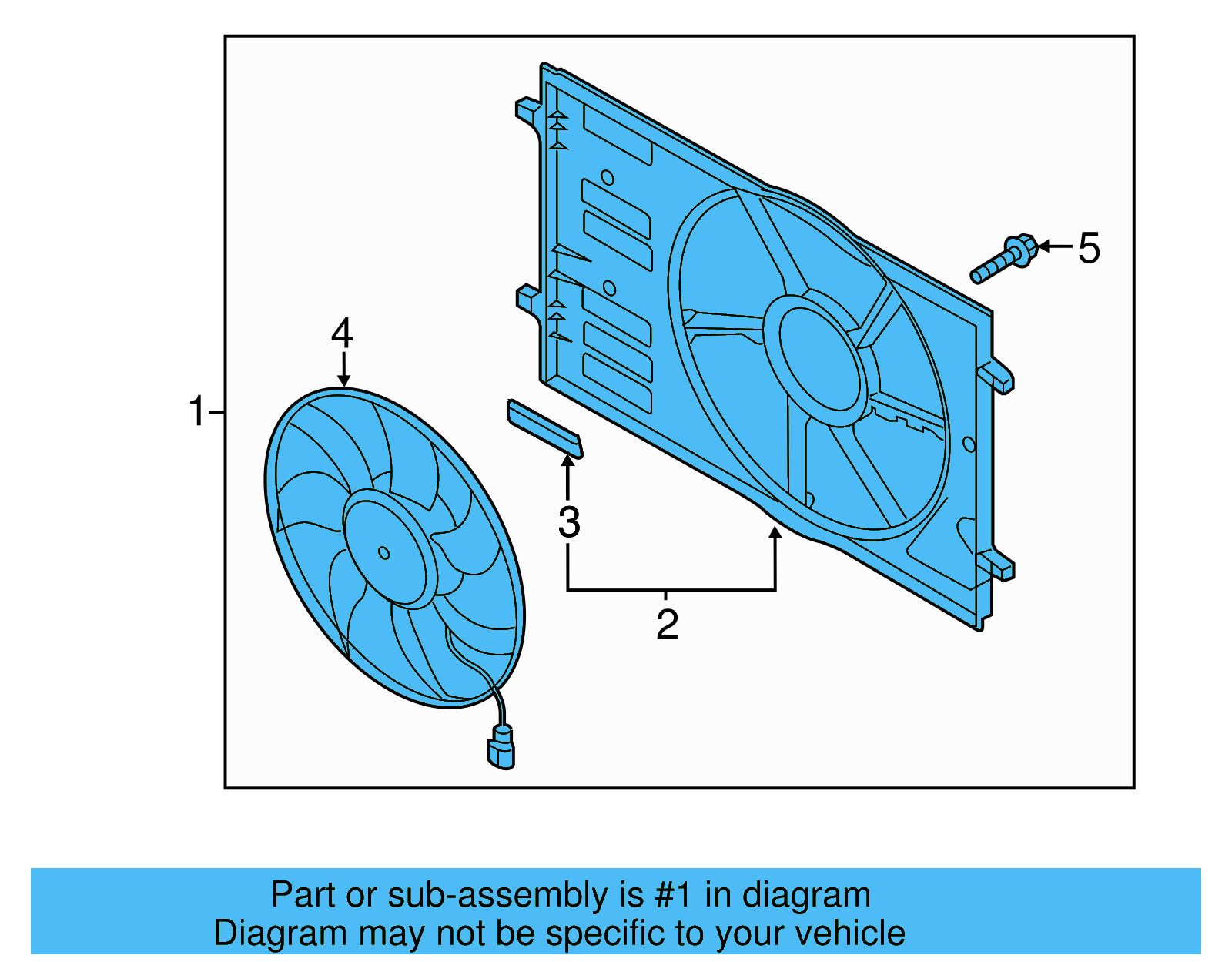
No, the 1K0-198-251-CS part number covers the radiator assembly only and is sold individually. The radiator fan, fan shroud, and associated electrical components are separate parts and must be ordered separately if replacement is needed.
How long does a radiator replacement typically take?
For a qualified technician, radiator replacement on these VW/Audi platforms typically takes 2–4 hours, as the front bumper cover must be removed for access. A DIY installer should plan for additional time and consult the factory service manual for torque specifications and bleed procedures.
Fehler gefunden?
Helfen Sie uns, besser zu werden — wenn Sie einen Fehler auf der Website oder in den Daten entdeckt haben, teilen Sie uns dies mit, und wir beheben ihn so schnell wie möglich.