
 EN
EN
 Deutsch
 polski
 русский
 українська
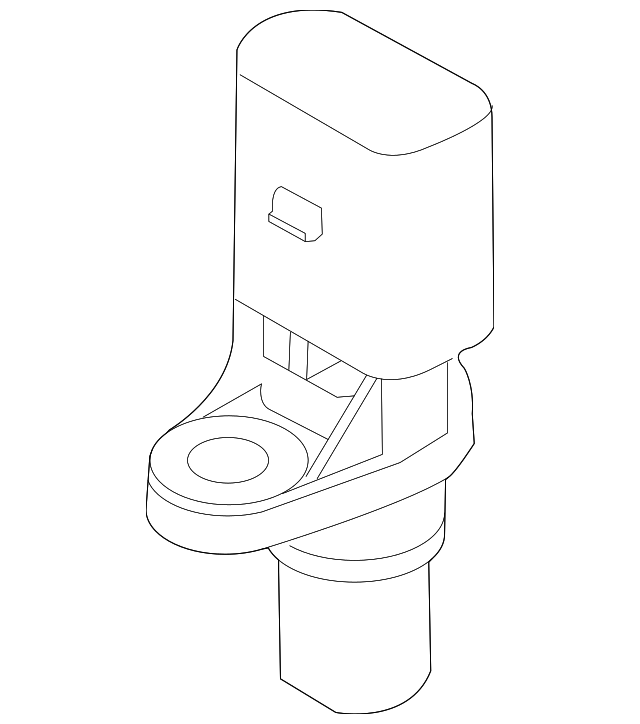
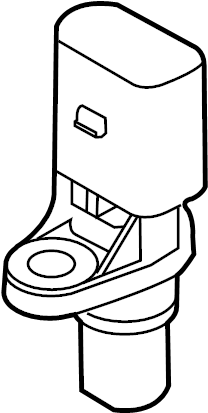

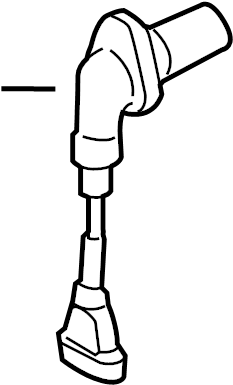
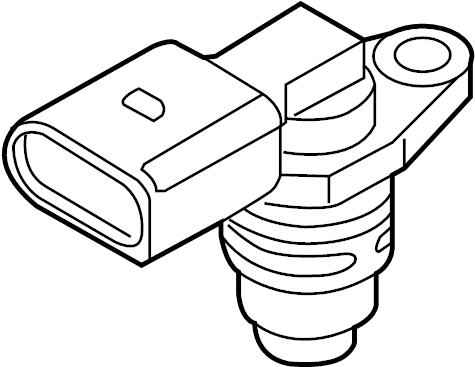
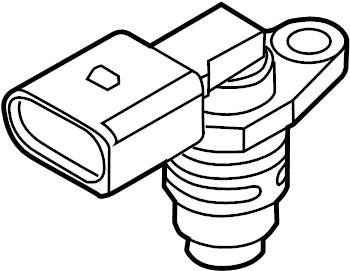
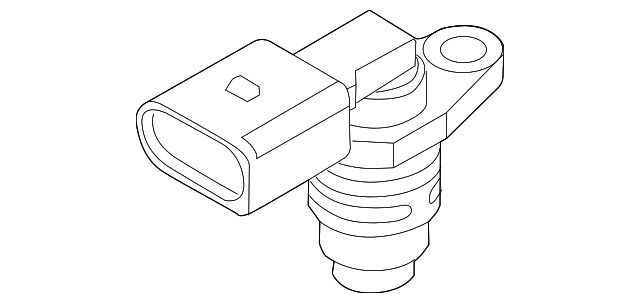
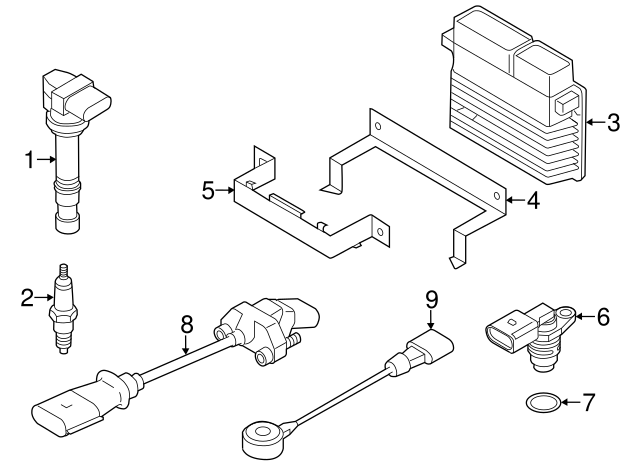
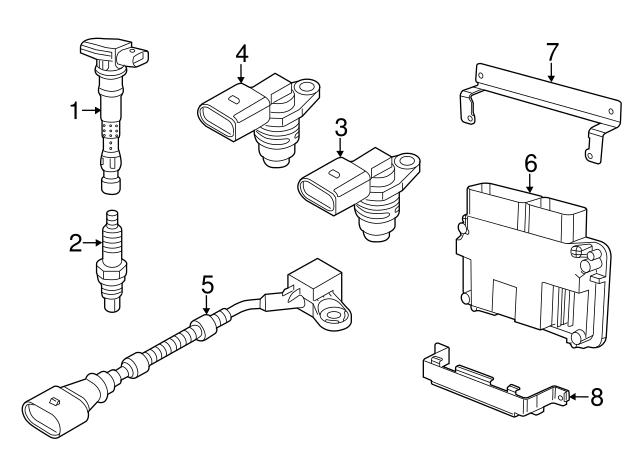
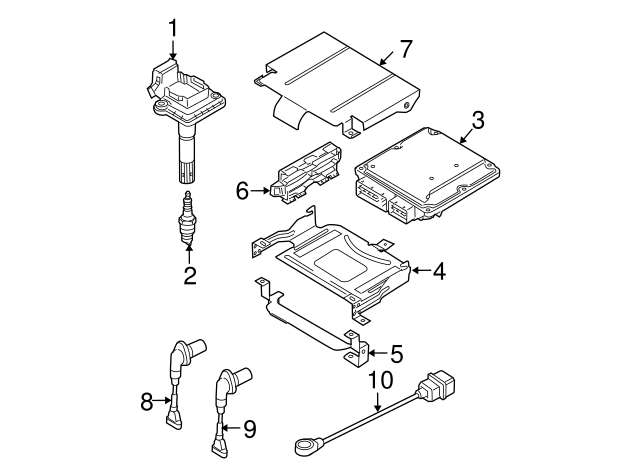
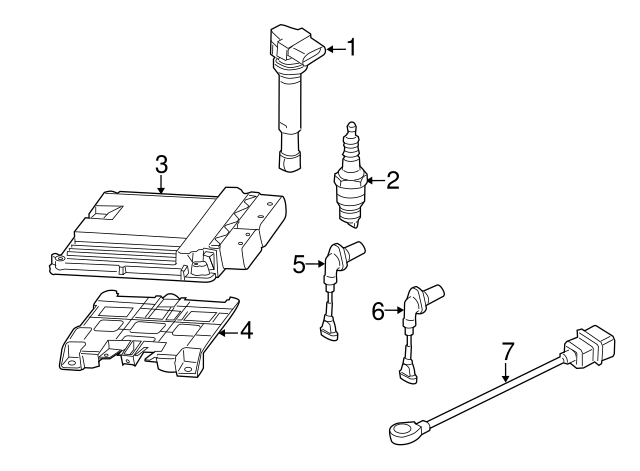
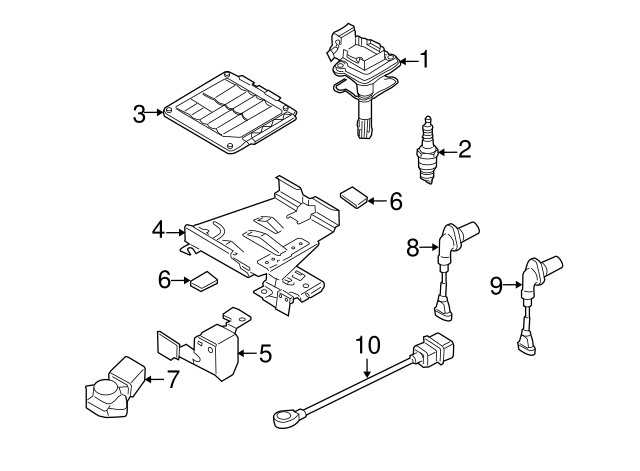
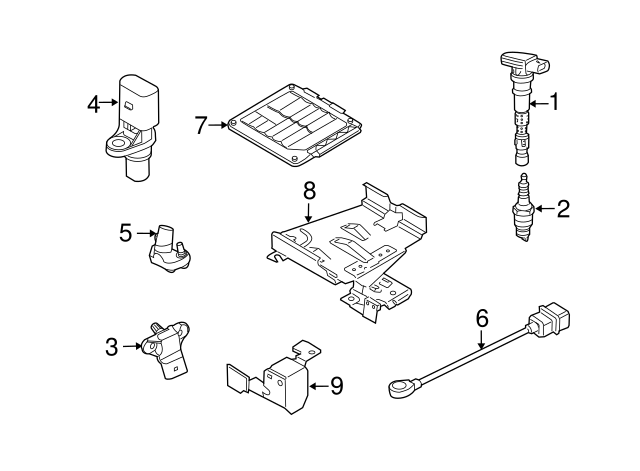
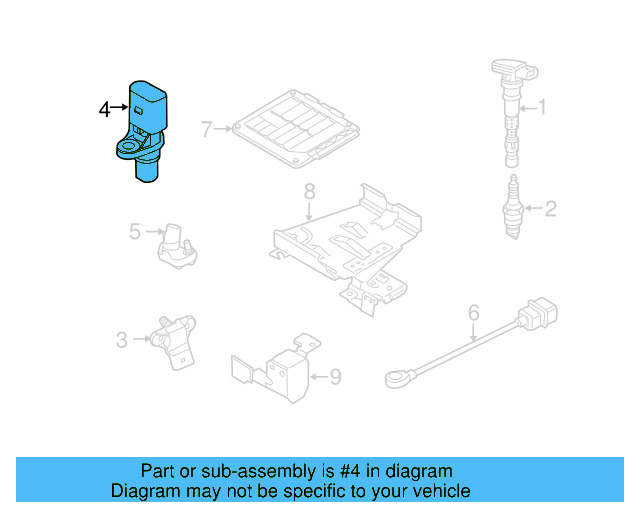
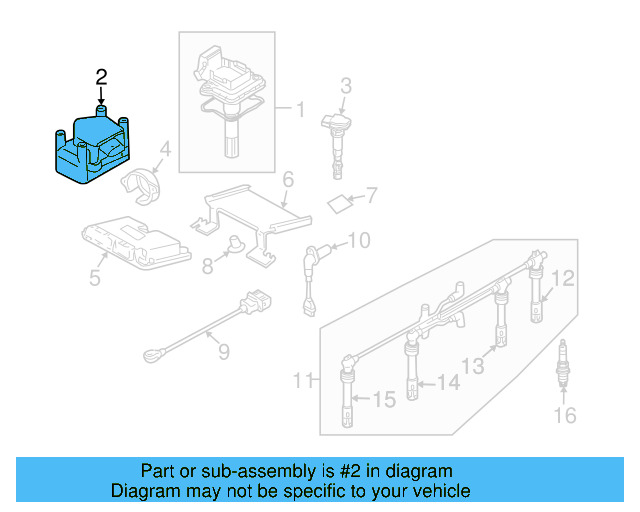
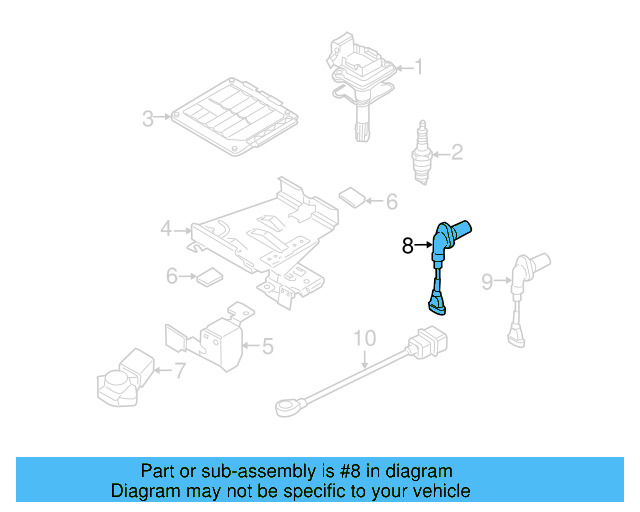
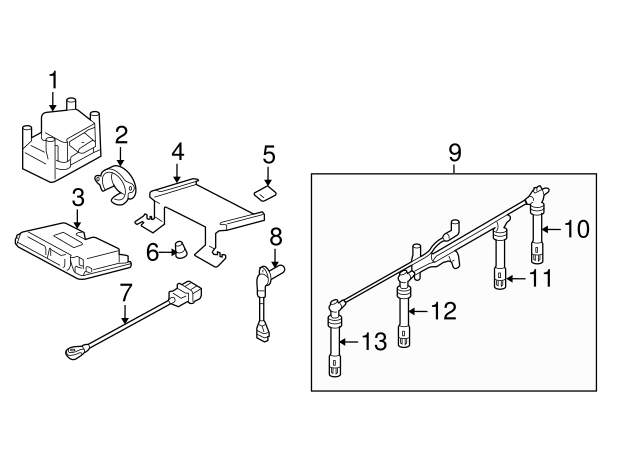
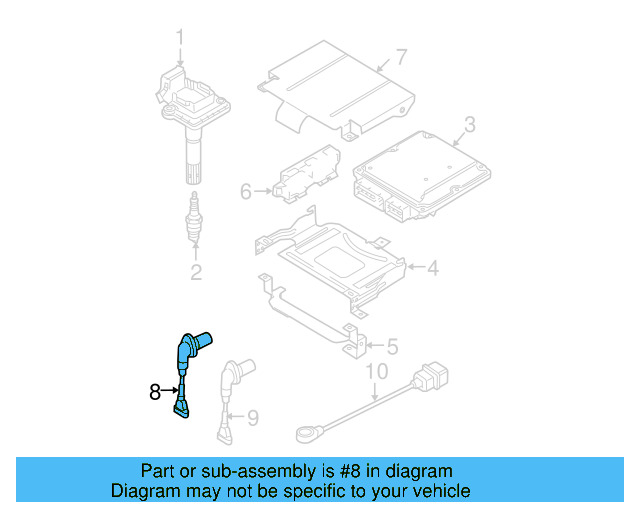
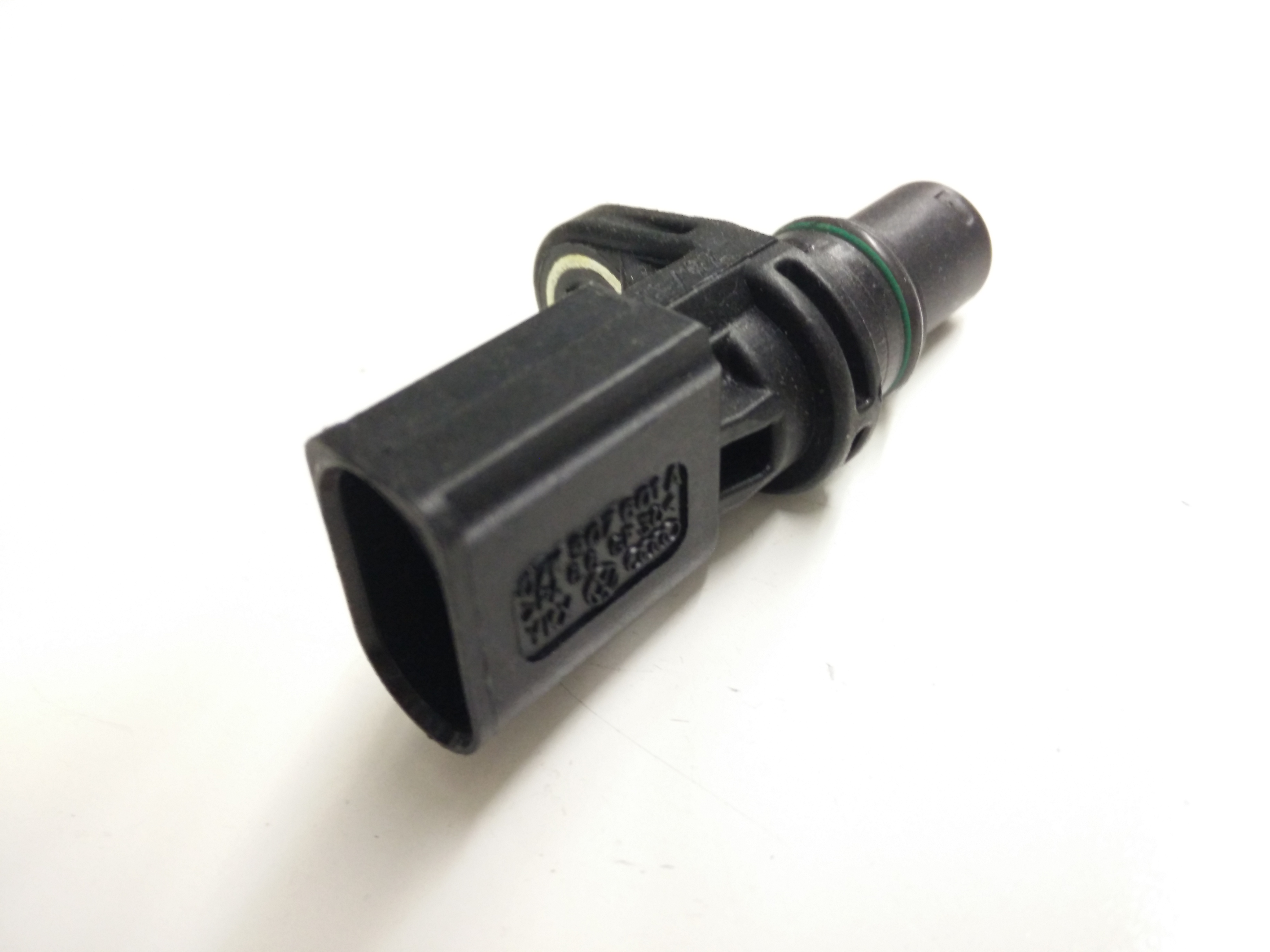
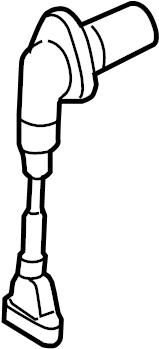
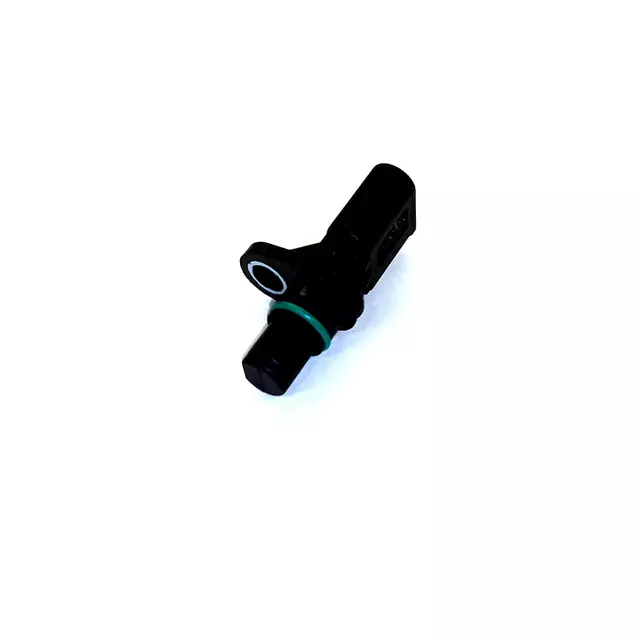
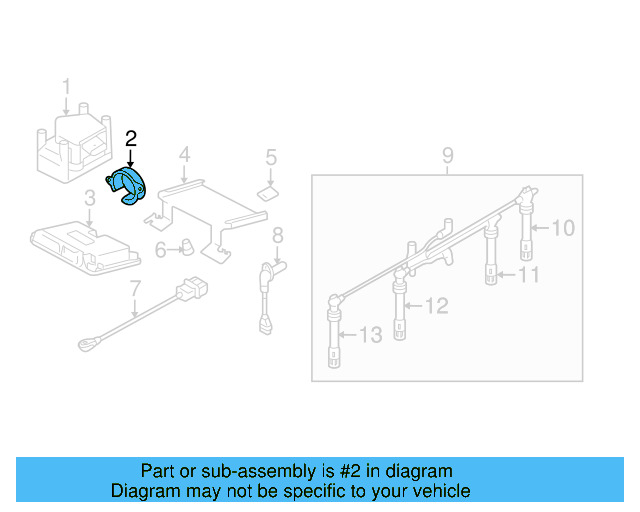
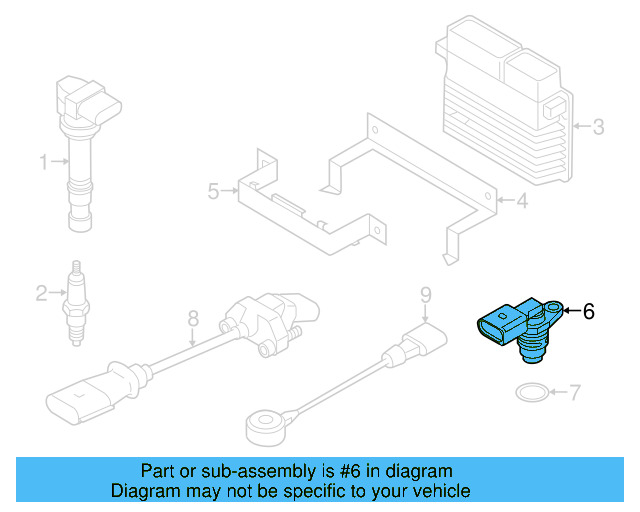
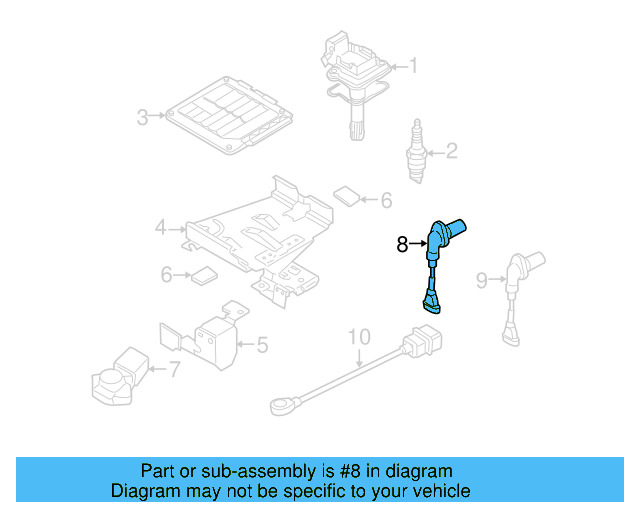
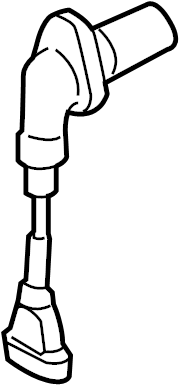
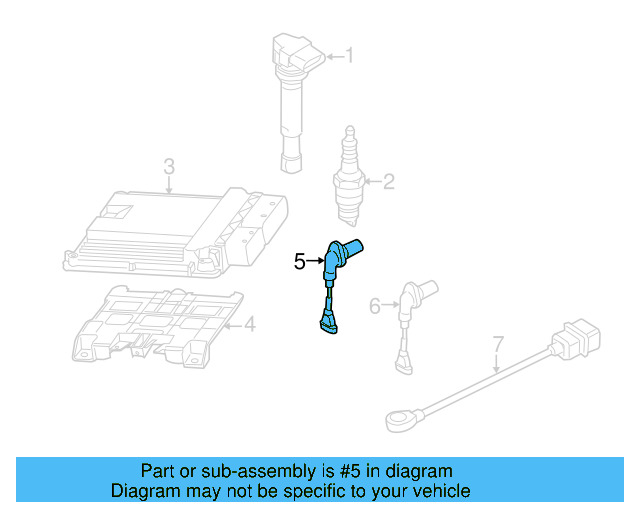
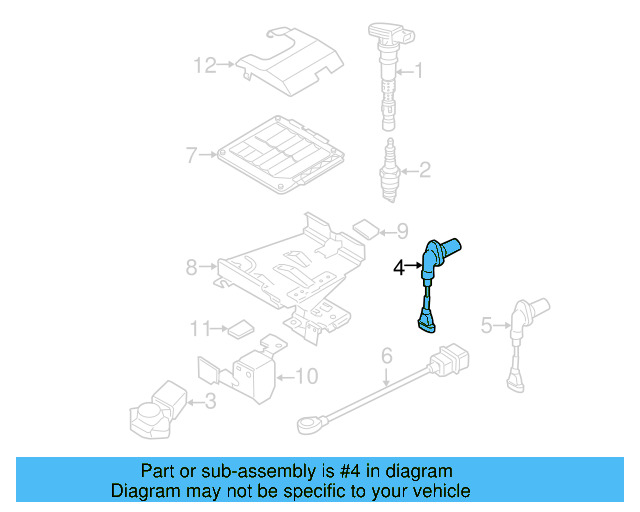
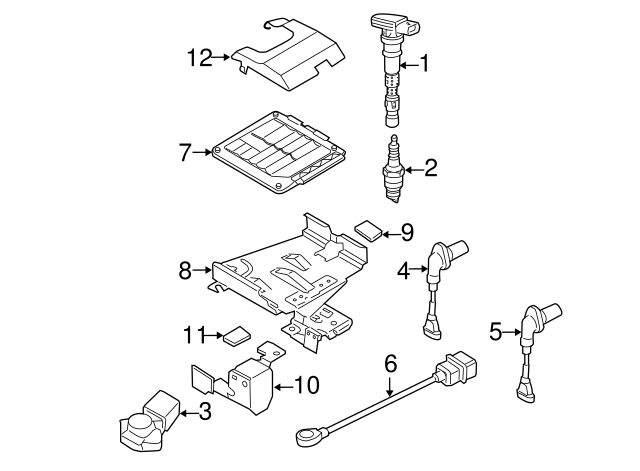
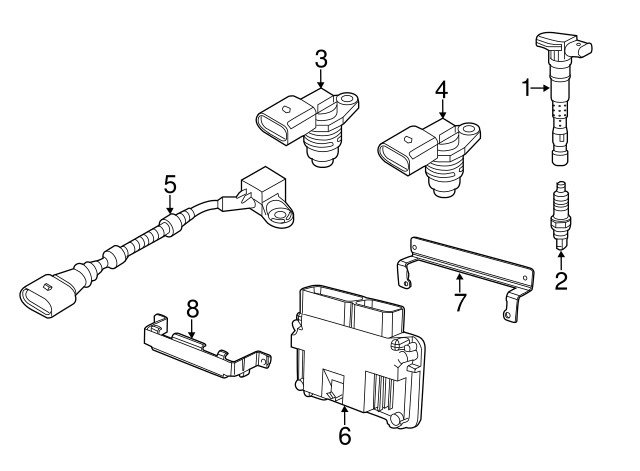
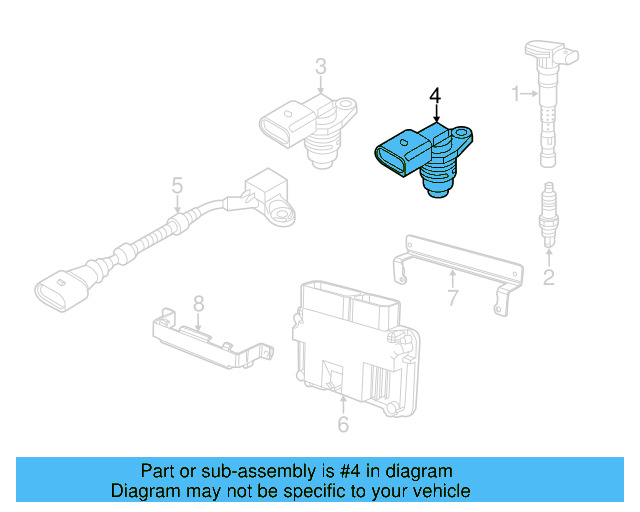
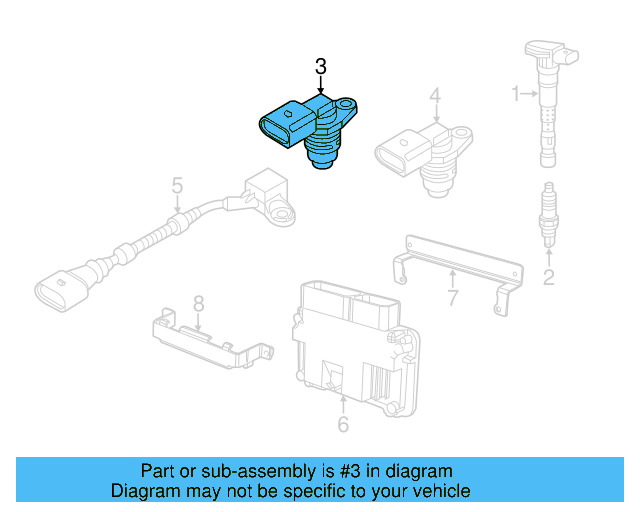
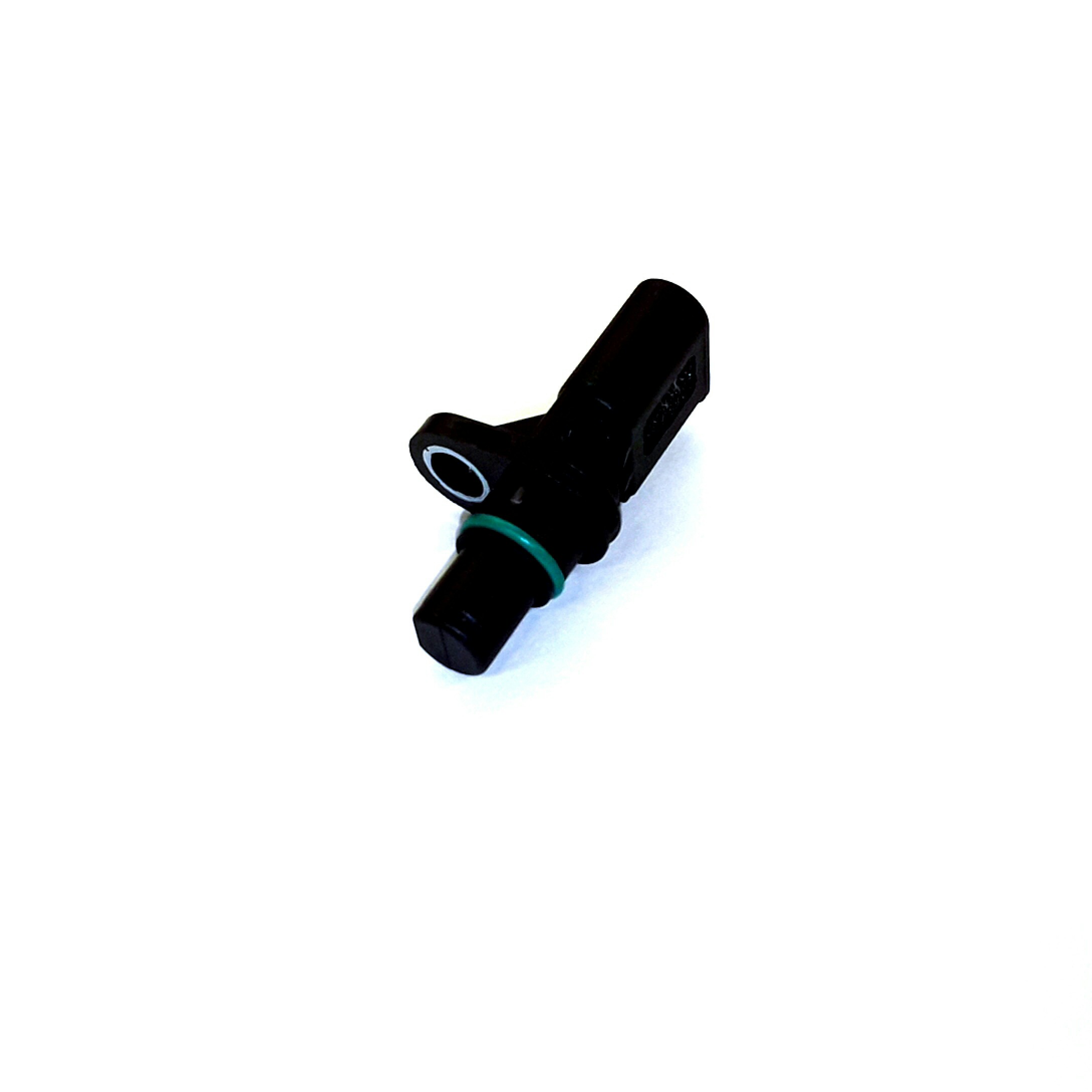
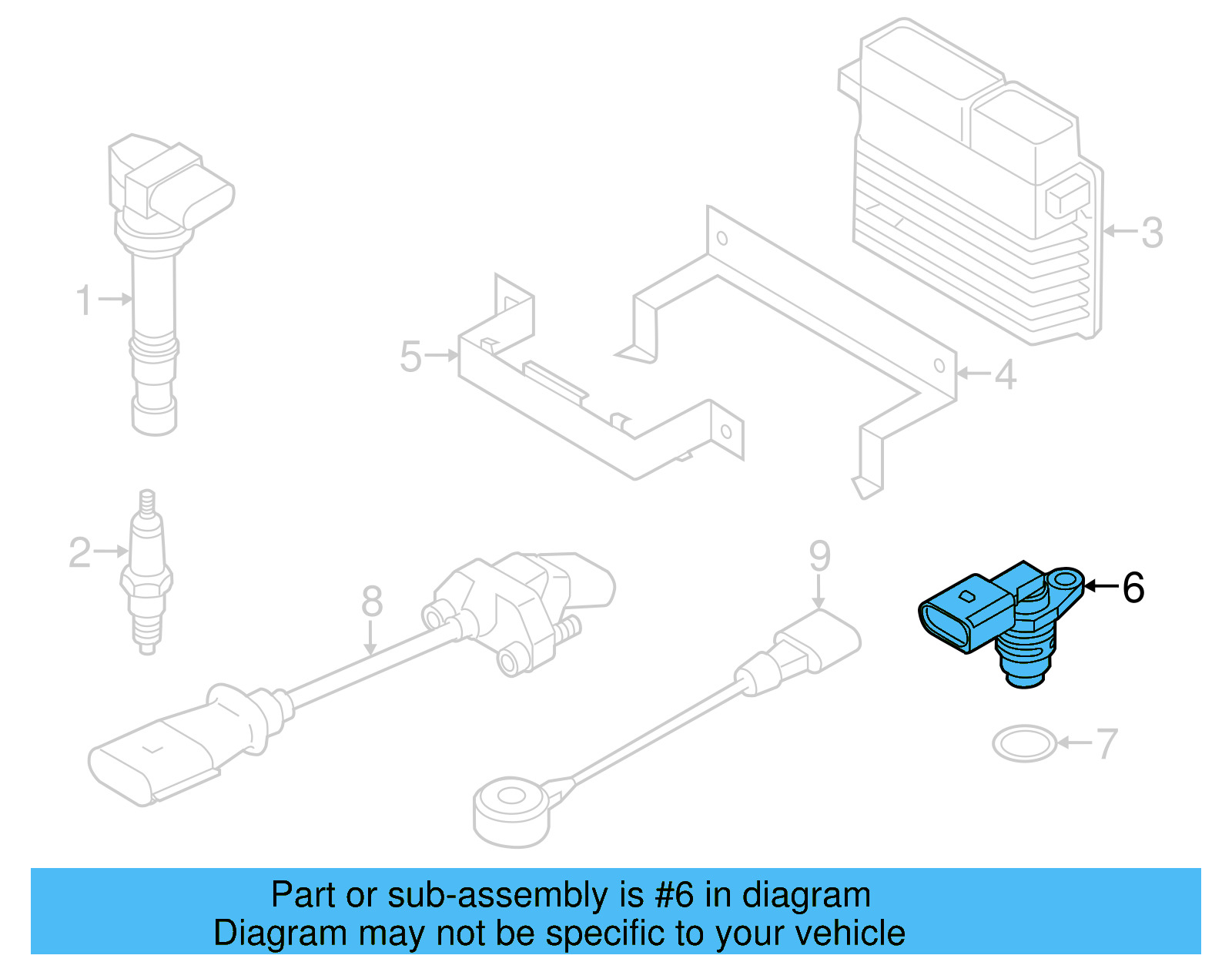
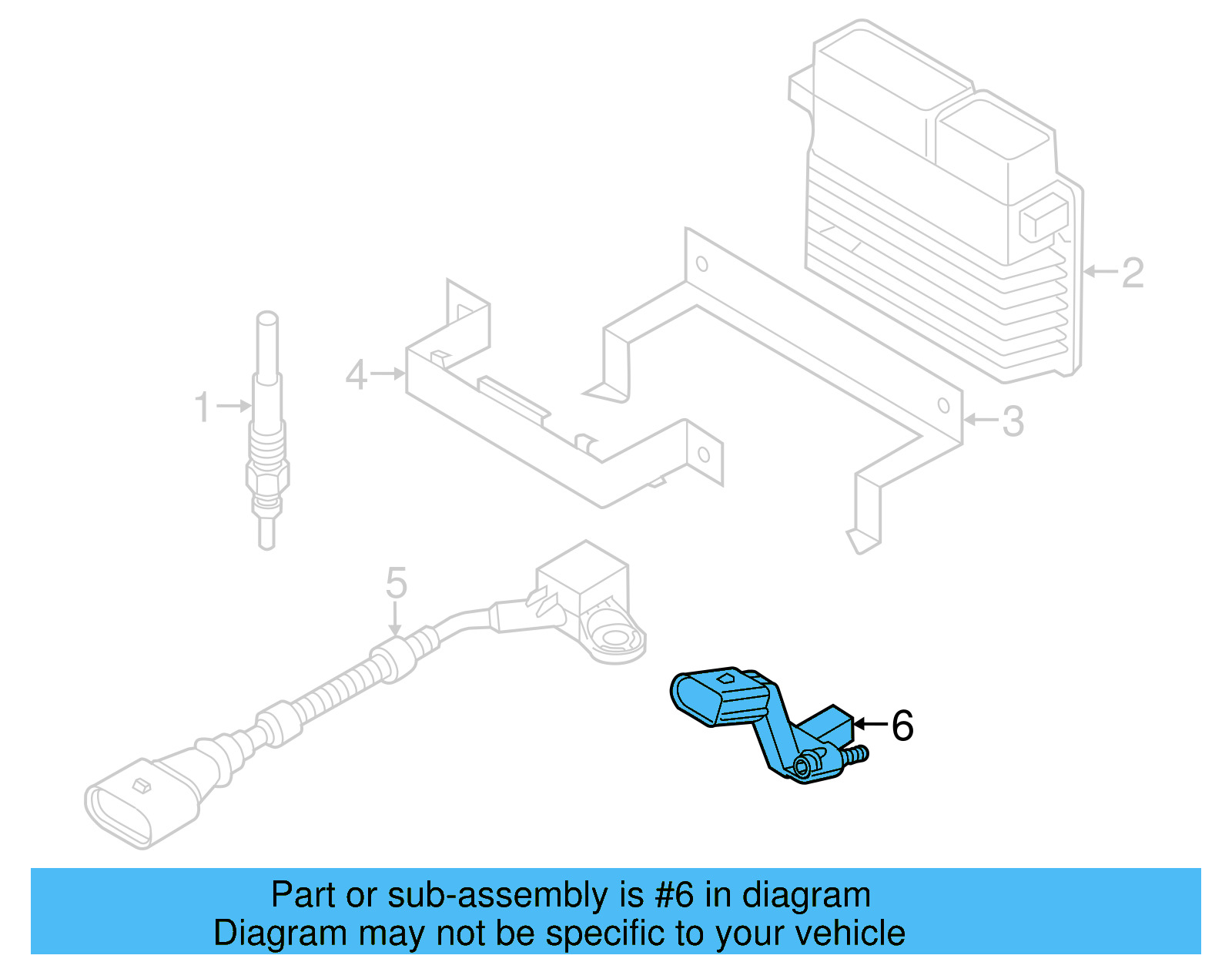
Camshaft Position Sensor 07K-907-601-A
Available in stores 32 offers
Vehicle fitment 63 vehicles

Technical specifications
| OEM Part Number | 07K 907 601 A |
|---|---|
| Supersedes | 07K 907 601 |
| Part Type | Camshaft Position Sensor |
| Connector Type | 3-pin electrical connector |
| Mounting Hardware | Single bolt (Torx T30) |
| Material | Plastic housing with metal internals |
| Replacement Trigger | On-condition / as needed |
| Length | — |
| Diameter | — |
| Weight | — |
How to replace the Camshaft Position Sensor
Replacing the 07K907601A camshaft position sensor is a straightforward job achievable with basic hand tools in under an hour. The sensor is mounted on the cylinder head and secured by a single Torx T30 bolt. Always consult your vehicle's service manual for model-specific torque values and always disconnect the battery before beginning electrical work.
-
Disconnect the Battery
Before starting any electrical work, disconnect the negative terminal of the vehicle's battery to prevent shorts or ECM damage.
-
Locate the Sensor
Find the camshaft position sensor on the cylinder head. Refer to your vehicle's service manual if you are unsure of the exact mounting location for your engine variant.
-
Unplug the Electrical Connector
Squeeze the locking tab and carefully unplug the three-pin electrical connector from the sensor. Avoid pulling on the wiring harness itself.
-
Remove the Mounting Bolt
Using a Torx T30 bit and appropriate socket wrench, remove the single bolt securing the sensor to the cylinder head. Keep the bolt safe for reuse or replace with a new fastener.
-
Extract the Old Sensor
Gently pull the sensor straight out of its bore in the cylinder head. Avoid twisting or prying, which could damage the housing or O-ring sealing surface.
-
Install the New Sensor
Inspect the new sensor's O-ring for damage. Lightly lubricate the O-ring with clean engine oil and insert the new sensor straight into the bore until it seats fully.
-
Torque the Mounting Bolt
Thread the mounting bolt by hand first, then tighten to the manufacturer's specified torque value using a calibrated torque wrench. Consult your service manual for the exact specification.
-
Reconnect and Verify
Plug in the three-pin electrical connector until it clicks into place. Reconnect the battery, start the engine, and verify that no warning lights are present. Clear any stored fault codes with a diagnostic scan tool if needed.
Signs of a worn part
-
Check Engine Light
A failing camshaft position sensor commonly triggers DTCs such as P0340 or P0341, illuminating the Check Engine Light on the instrument cluster.
-
Engine Misfires or Runs Rough
Inaccurate camshaft position data disrupts fuel injection and ignition timing, causing noticeable misfires, rough idle, or shaking under load.
-
Hard Start or No-Start Condition
Without reliable camshaft position signals, the ECM cannot correctly time fuel delivery, making the engine difficult or impossible to start.
-
Hesitation or Stalling During Acceleration
Intermittent sensor signal loss can cause the engine to hesitate, stumble, or stall unexpectedly — particularly noticeable when accelerating from a stop.
-
Reduced Engine Performance
The ECM may enter a limp or reduced-power mode when camshaft position data is unreliable, resulting in sluggish throttle response and decreased power output.
Replacement intervals
Unlike wear items such as filters or spark plugs, camshaft position sensors do not have a manufacturer-defined replacement schedule. Always diagnose with a scan tool before replacing — confirm fault codes point specifically to the camshaft position sensor circuit before purchasing.
Frequently asked questions
Is 07K907601A the same as 07K907601 (without the 'A')?
Yes. The 07K907601A is a supersession of the earlier 07K907601. The 'A' suffix indicates a revised OEM part number. The updated version 07K907601A is the correct current part to order and will replace both numbers.
Will this sensor fit my specific engine — how do I verify compatibility?
Compatibility depends on your engine code, not just the model year. Confirmed fitments include VW Beetle, Golf, GTI, Jetta, Passat, and Rabbit (2005–2014) and Audi A3, A4, A4 Quattro, and TT (2005–2009). Always cross-check using your vehicle's VIN or engine code sticker before ordering.
Can I drive with a faulty camshaft position sensor?
It is not recommended. A failing sensor can cause stalling, misfires, or a no-start condition. In some cases the vehicle may enter limp mode. Continued driving risks potential damage to catalytic converters due to misfires, and creates a safety hazard if the engine stalls unexpectedly.
What tools do I need to replace this sensor?
You will need a Torx T30 bit with a socket wrench or extension, a torque wrench, an OBD-II scan tool to clear fault codes, and clean engine oil for lubricating the O-ring. The job does not typically require any specialty tools.
Should I choose OEM or an aftermarket brand like Febi or Meyle?
For this sensor, reputable European aftermarket brands such as Febi Bilstein or Meyle are widely regarded as equivalent to OEM quality and are often stocked at lower prices. Avoid unbranded or low-cost generic sensors, as inconsistent signal output can cause intermittent faults that are difficult to diagnose.
Do I need to reprogram or reset anything after installing the new sensor?
No reprogramming is required. However, you should use an OBD-II scan tool to clear any stored camshaft position sensor fault codes (e.g., P0340, P0341) after installation so the ECM can operate normally with the new sensor data.
Found an error?
Help us improve — if you've spotted an error on the site or in the data, let us know and we'll fix it as soon as possible.