
 EN
EN
 Deutsch
 polski
 русский
 українська
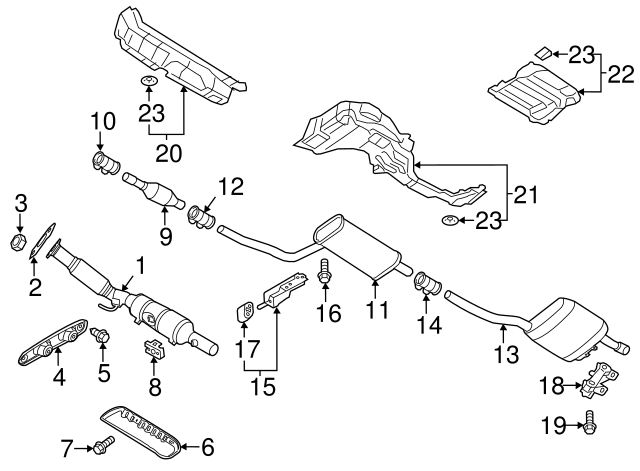
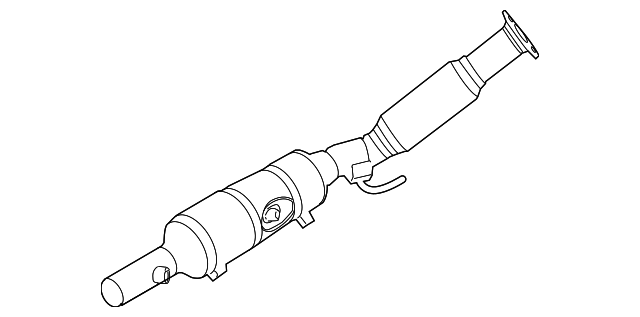
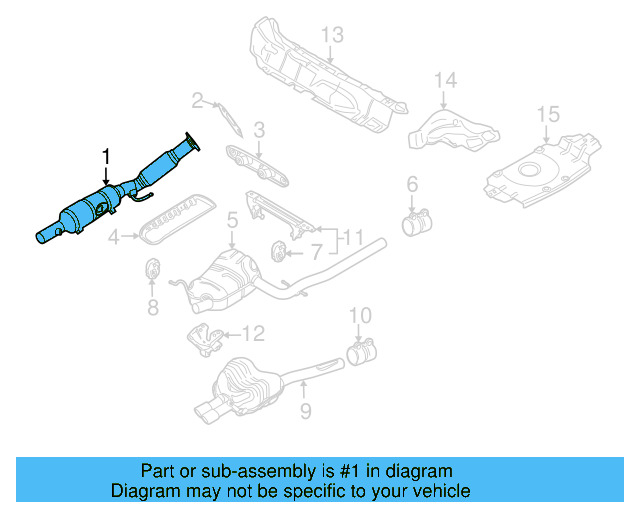
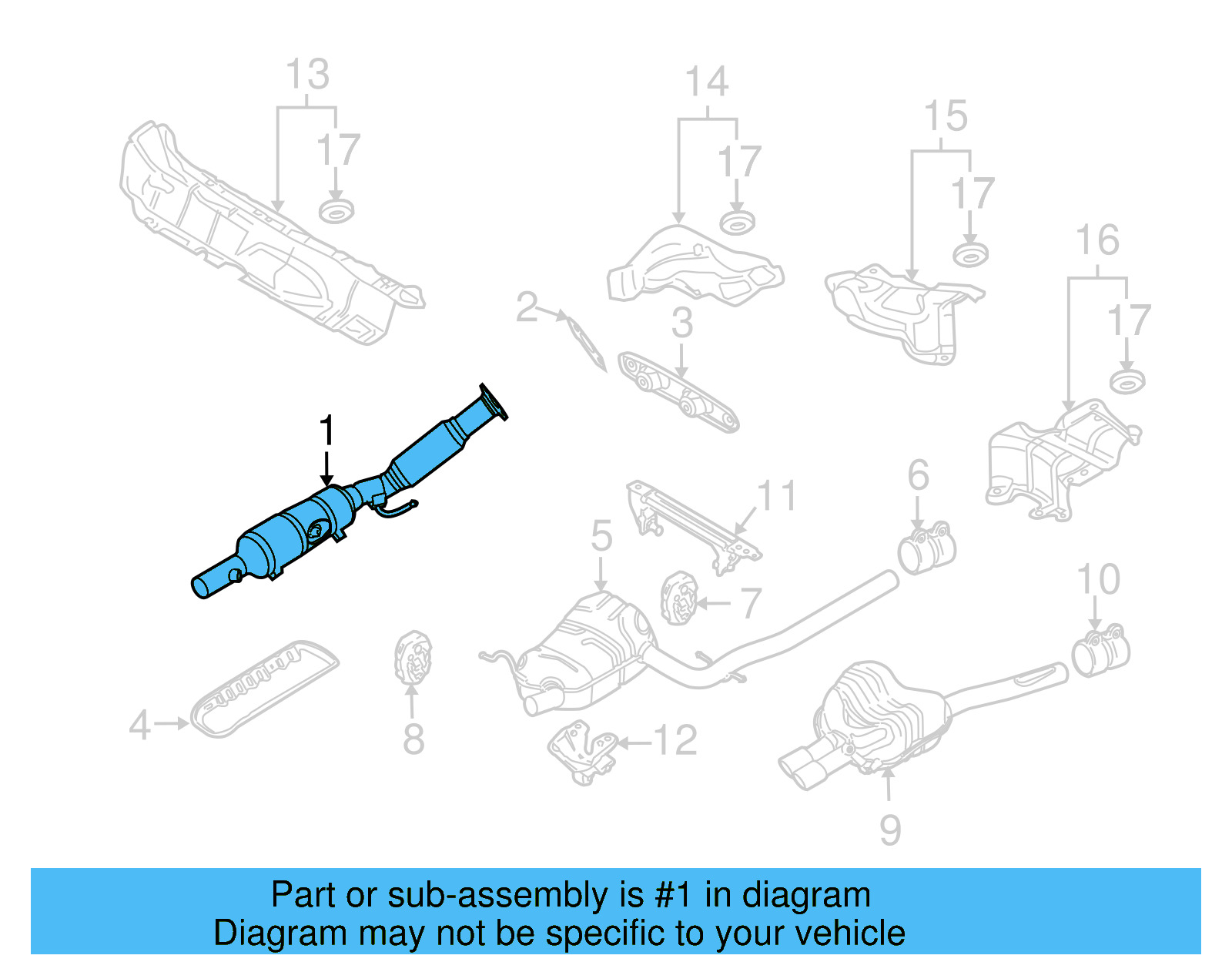
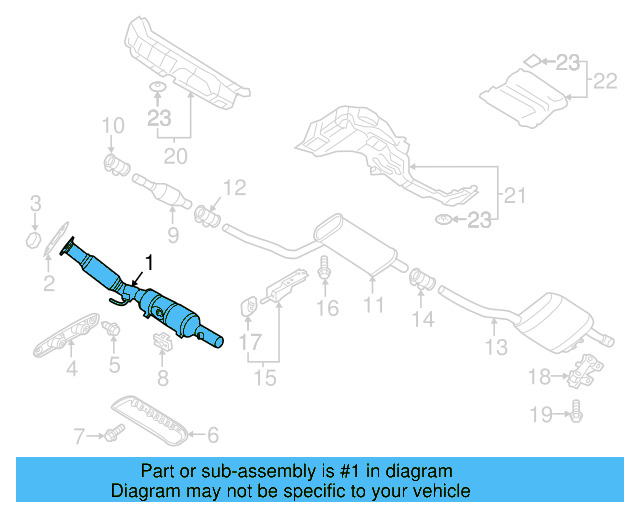
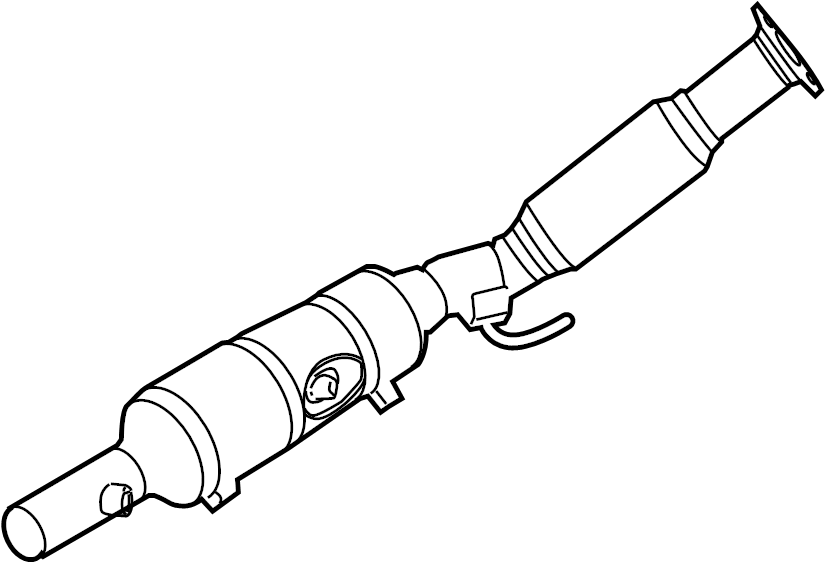
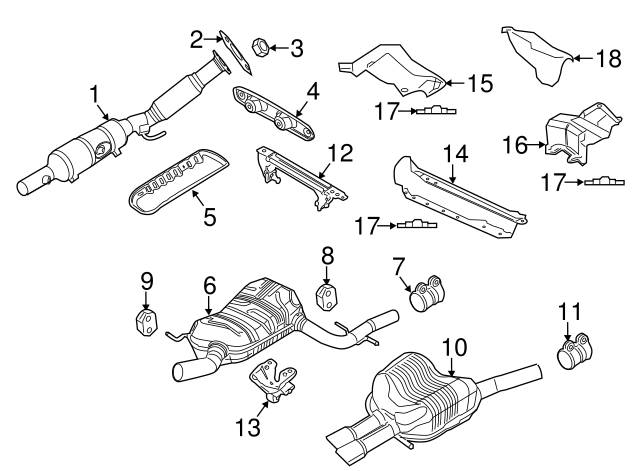
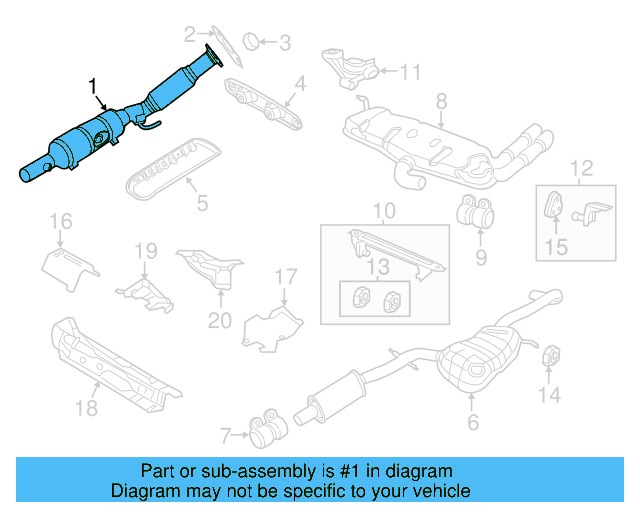
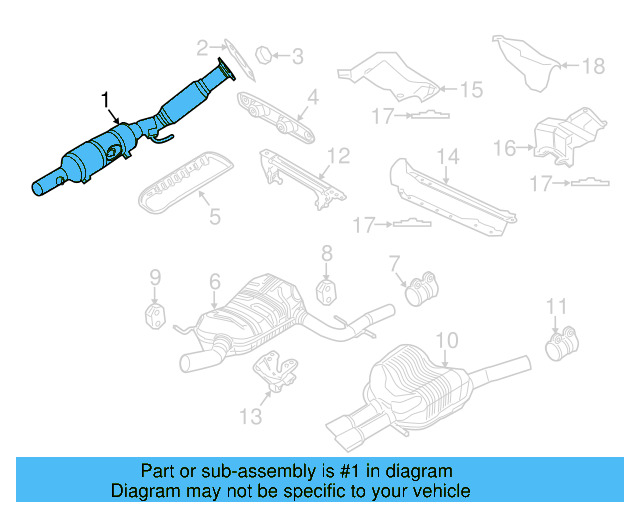
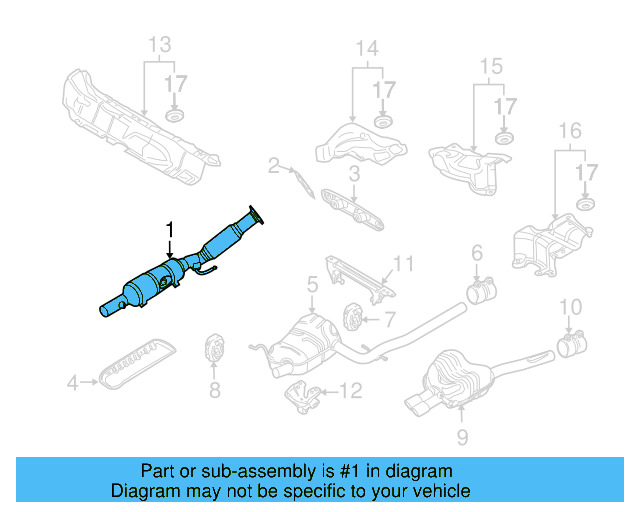
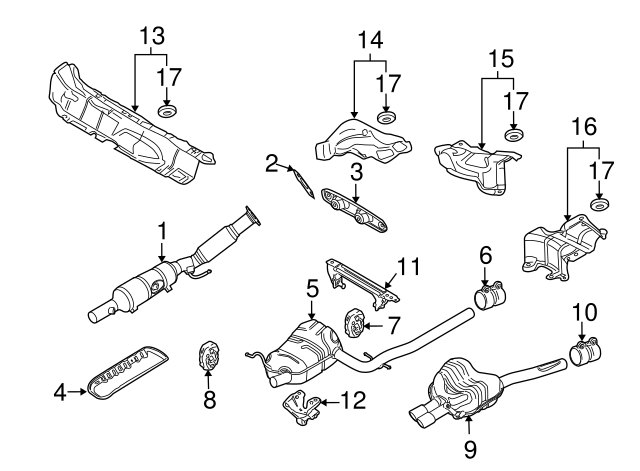
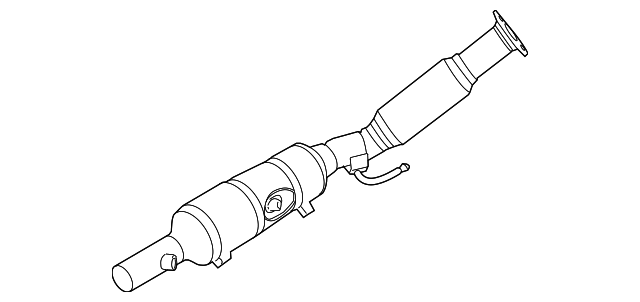
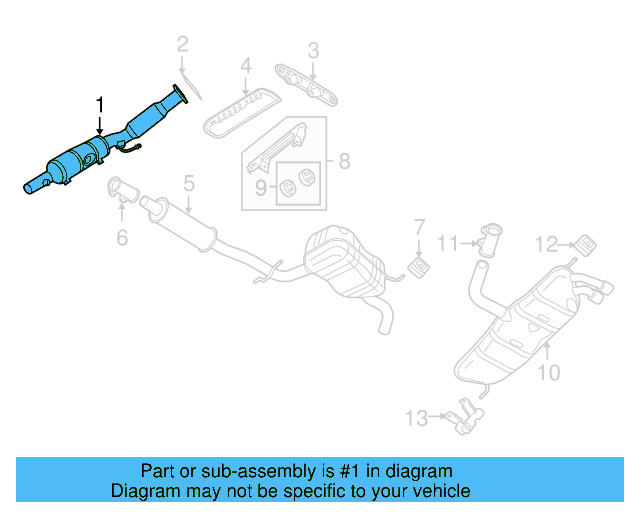
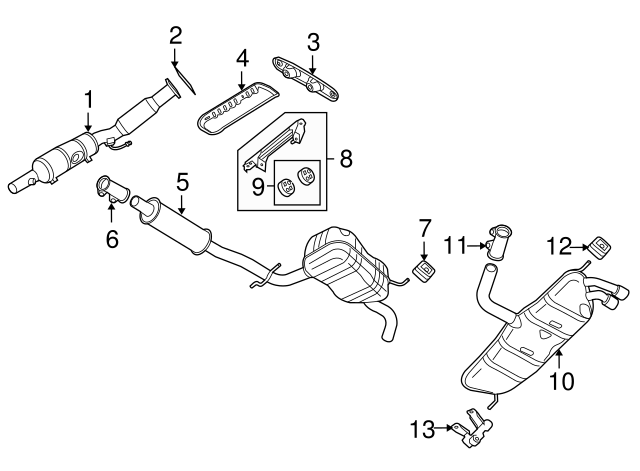
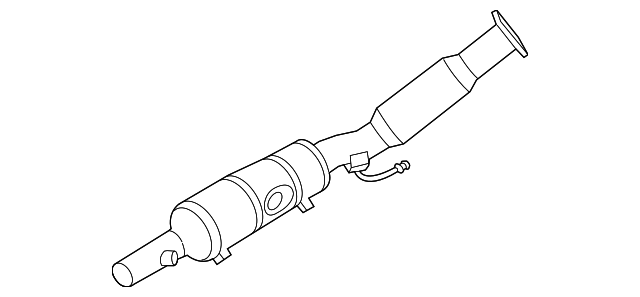
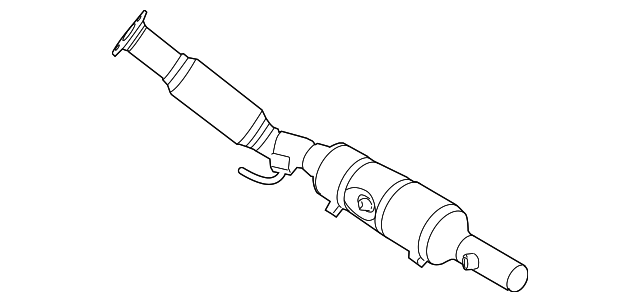
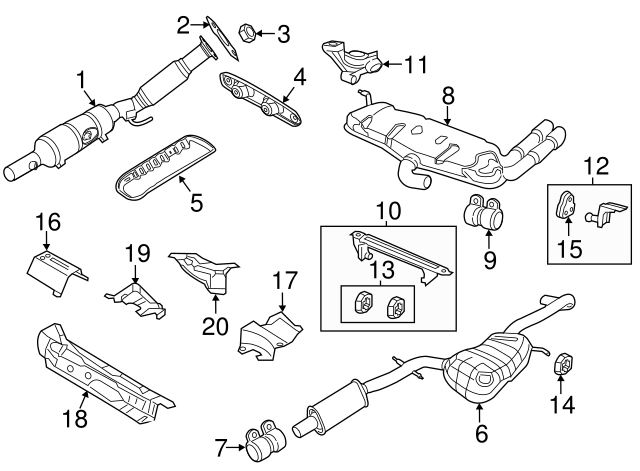
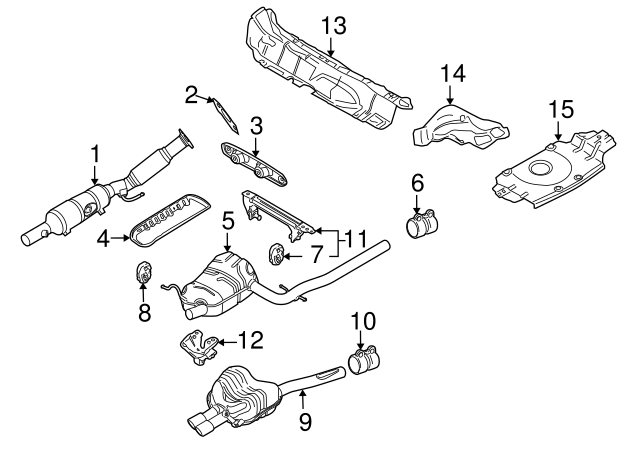
Catalytic Converter 5C0-253-059-AL
Available in stores 4 offers
Vehicle fitment 35 vehicles
Technical specifications
| OEM Part Number | 5C0-253-059-AL |
|---|---|
| Part Type | Front Catalytic Converter with Exhaust Pipe |
| Engine Application | 2.5L 5-Cylinder Gasoline |
| Substrate Type | Ceramic Honeycomb |
| Catalyst Coating | Platinum, Palladium, Rhodium |
| Housing Material | Stainless Steel |
| Mounting Method | Flanges and Clamps |
| Includes Exhaust Pipe | Yes |
| Compatible Model Years | 2010–2014 (Golf, Jetta, Jetta SportWagen); 2012–2014 (Beetle, Passat) |
| Dimensions | — |
How to replace the Catalytic Converter
Replacing the 5C0253059AL catalytic converter is an intermediate-level repair requiring basic hand tools, a vehicle lift or jack stands, and penetrating lubricant for corroded fasteners. Allow the exhaust system to cool completely before beginning. Consult your vehicle's factory service manual for torque specifications.
-
Safety Preparation
Park on a level surface, allow the exhaust system to cool completely, and disconnect the negative battery terminal. Gather gloves, eye protection, penetrating oil, and the necessary sockets and wrenches.
-
Lift and Secure the Vehicle
Raise the vehicle using a floor jack at the manufacturer-specified lift points and secure it firmly on jack stands rated for the vehicle's weight. Never work under a vehicle supported only by a jack.
-
Apply Penetrating Oil to Fasteners
Spray all flange bolts, clamp bolts, and studs connecting the catalytic converter to the exhaust manifold and downstream exhaust with penetrating lubricant. Allow 10–15 minutes to soak to reduce the risk of breaking fasteners.
-
Remove Exhaust Fasteners and Disconnect O2 Sensors if Applicable
Loosen and remove the flange bolts and clamps at both the upstream (manifold) and downstream connections. If oxygen sensors are threaded into the converter body, carefully unplug the connectors and remove the sensors with an O2 sensor socket.
-
Detach and Remove the Old Catalytic Converter
Support the converter as you free it from its mounting points and carefully lower it from the vehicle. Inspect the exhaust manifold flange and downstream pipe flange for cracks, warping, or damaged gasket seating surfaces.
-
Install the New Catalytic Converter
Position the 5C0253059AL in place, using new gaskets or seals if supplied or recommended. Hand-thread all bolts and clamps before torquing to the manufacturer-specified values listed in the factory service manual.
-
Reinstall Oxygen Sensors and Reconnect Wiring
Thread oxygen sensors back into their bungs by hand first to avoid cross-threading, then torque to specification. Reconnect all sensor wiring harness connectors and secure any heat shield hardware.
-
Lower Vehicle, Reconnect Battery, and Verify
Remove jack stands and lower the vehicle. Reconnect the negative battery terminal. Start the engine and let it reach operating temperature, then inspect all joints for exhaust leaks by listening and feeling for escaping gases. Clear any stored diagnostic trouble codes with a scan tool.
Signs of a worn part
-
Check Engine Light
The ECU monitors catalytic converter efficiency via upstream and downstream oxygen sensors. A failing converter triggers P0420 or related codes, illuminating the check engine light.
-
Reduced Engine Power and Acceleration
A clogged or melted substrate creates excessive exhaust backpressure, restricting flow and causing a noticeable loss of power, sluggish throttle response, and poor acceleration.
-
Rattling Noise from Exhaust
Internal ceramic substrate breakdown causes loose fragments to rattle inside the converter shell, especially during cold starts or acceleration. This sound is distinct and typically worsens over time.
-
Sulfur (Rotten Egg) Odor
A strong sulfur smell from the exhaust indicates the converter is no longer properly converting hydrogen sulfide gases, a common sign of catalyst degradation or poisoning.
-
Failed Emissions Test
Elevated hydrocarbon, CO, or NOx readings at an emissions inspection point directly to catalytic converter inefficiency, even if the check engine light has not yet illuminated.
Replacement intervals
Catalytic converter life is heavily influenced by engine health. Oil consumption, coolant leaks, or prolonged rich-running conditions from misfires will poison the catalyst prematurely. Address any engine faults before installing a new converter to protect the investment.
Frequently asked questions
Will part number 5C0253059AL fit my 2013 Volkswagen Jetta S with the 2.5L engine?
Yes. The 5C0253059AL is confirmed to fit the 2010–2014 Volkswagen Jetta including the S, SE, and SEL trims equipped with the 2.5L 5-cylinder gasoline engine. Always verify against your vehicle's VIN and engine code before ordering.
What is the difference between 5C0253059AL and 5C0253059AM?
The 5C0253059AM suffix variant has been referenced for the 2012–2014 Beetle application. While closely related, suffix letters on VW part numbers can denote running production changes or application-specific differences. Confirm the correct suffix for your specific vehicle model and year using your VIN.
Can I use an aftermarket catalytic converter instead of this OEM part?
Aftermarket converters are available at lower cost, but quality and emissions compliance vary significantly. In California and other CARB states, only CARB-Executive-Order (EO) certified converters are legal for street use. OEM replacements guarantee fit, catalyst efficiency, and compliance with your vehicle's original emissions certification.
Do I need to replace the oxygen sensors at the same time?
Not necessarily, but it is good practice to inspect both the upstream and downstream O2 sensors when replacing the catalytic converter. A contaminated or slow-responding post-cat sensor can trigger a check engine light shortly after a new converter is installed, making it appear the repair failed.
Why does my new catalytic converter smell strange during the first few drives?
A mild burning smell during the first few heat cycles after installation is normal. Manufacturing oils and coatings on the new converter burn off during initial use. This should dissipate within a few drive cycles. A persistent strong sulfur smell, however, may indicate an engine issue rather than the converter itself.
What causes a catalytic converter to fail prematurely on the VW 2.5L engine?
The most common causes of premature failure are engine oil consumption contaminating the substrate, coolant leaks entering the combustion chamber, prolonged engine misfires forcing unburned fuel into the converter, and physical impact damage from road debris. Resolving any underlying engine fault before installation is critical to protecting the new part.
Found an error?
Help us improve — if you've spotted an error on the site or in the data, let us know and we'll fix it as soon as possible.