
 EN
EN
 Deutsch
 polski
 русский
 українська
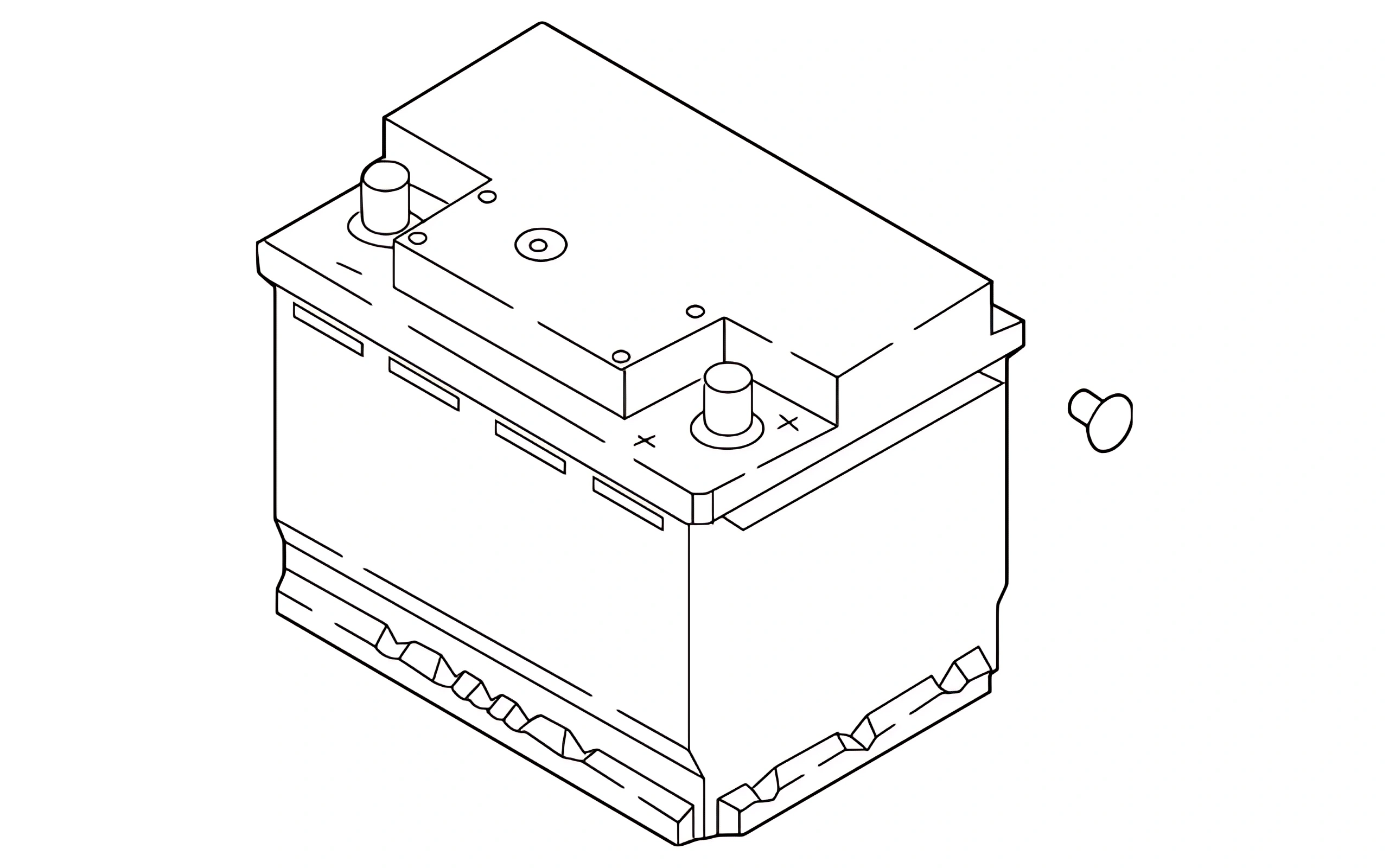
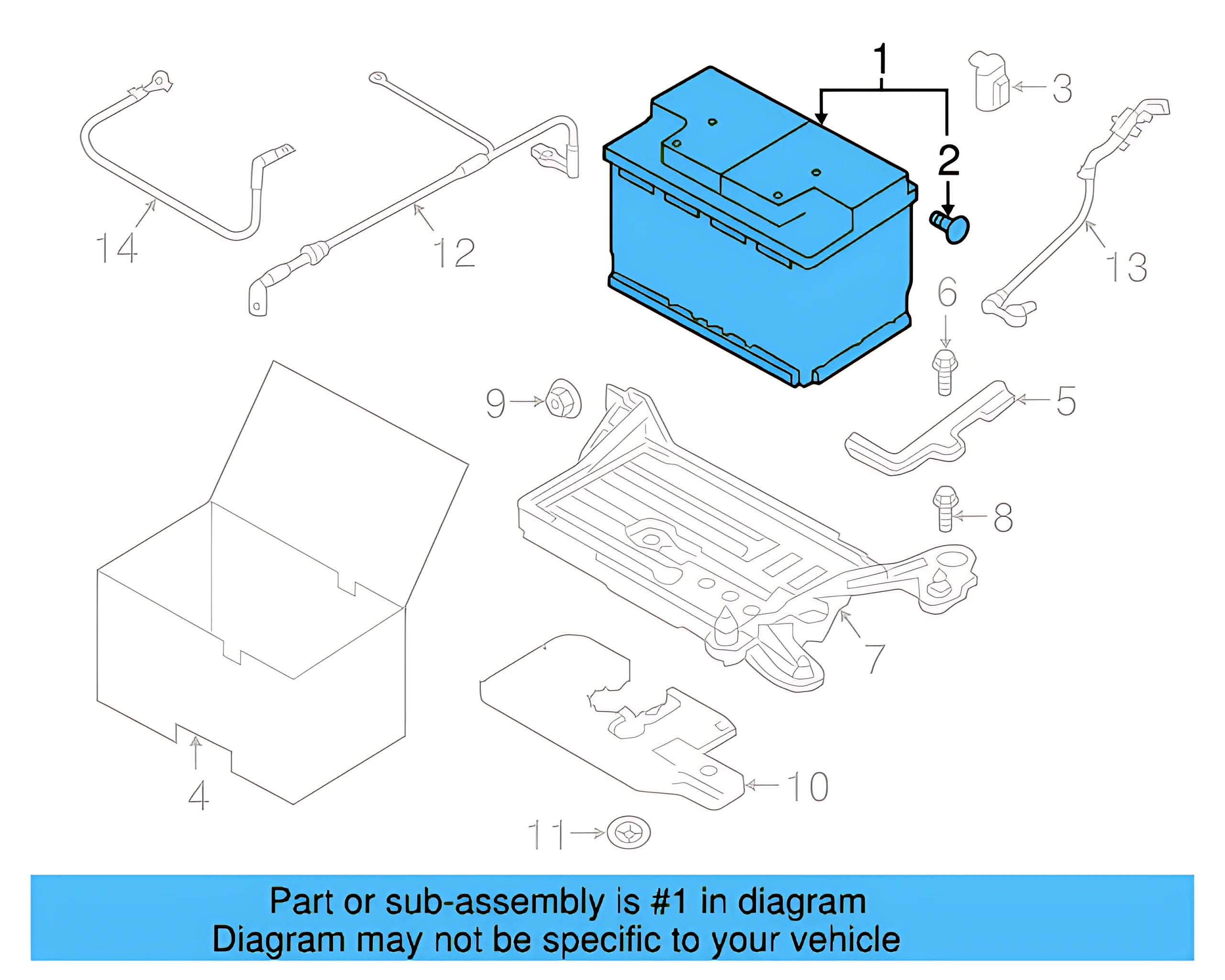
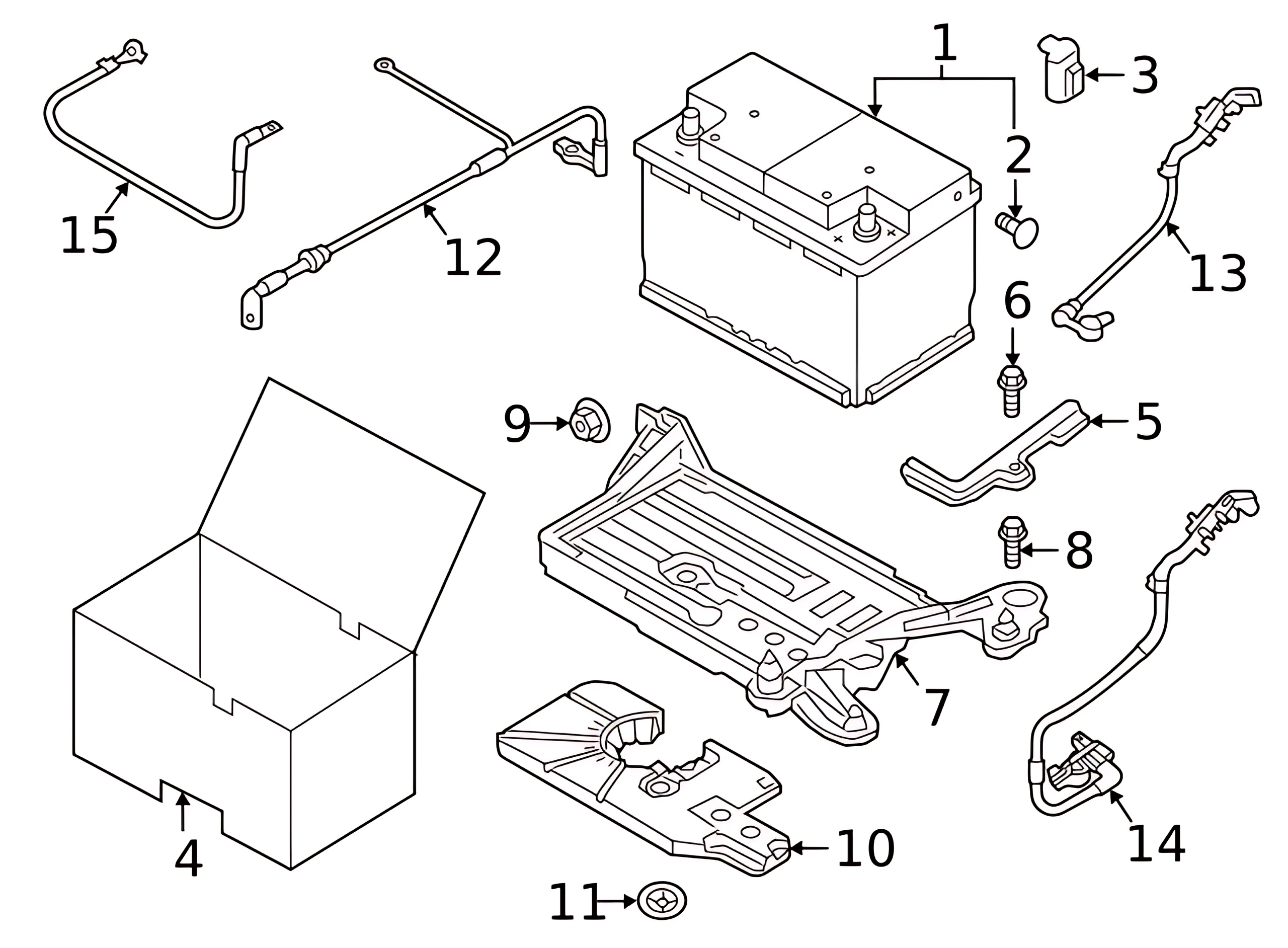
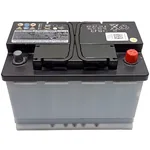
Vehicle Battery 5K0-915-105-G
Available in stores 10 offers
Vehicle fitment 199 vehicles

Technical specifications
| Voltage | 12 V |
|---|---|
| Capacity | 72 Ah |
| Cold Cranking Amps (CCA) | 380 A |
| Length | 278 mm |
| Width | 175 mm |
| Height | 190 mm |
| Terminal Type | T1 |
| Hold-Down Type | B13 |
| Weight | Approx. 18.7 kg |
| Hold-Down Bolt Torque | Approx. 20 Nm (verify in service manual) |
How to replace the Vehicle Battery
Battery replacement on VW Group vehicles is a straightforward DIY task but requires attention to terminal sequence, hold-down torque, and potential battery registration via diagnostic software. Read all steps before beginning and consult your vehicle's service manual for model-specific details.
-
Safety Preparation
Turn off the vehicle, remove the ignition key, and put on protective gloves and safety eyewear. Ensure the work area is well-ventilated, as batteries can emit hydrogen gas.
-
Locate the Battery
Open the hood and locate the battery. On most VW Group vehicles covered by this part number it is in the engine bay; however, some models place it under the rear seat or in the trunk — consult your owner's manual if unsure.
-
Disconnect the Negative Terminal First
Loosen the clamp bolt on the negative (−) cable and slide the cable off the terminal. Always disconnect negative first to eliminate the risk of electrical shorts.
-
Disconnect the Positive Terminal
Loosen the clamp bolt on the positive (+) cable and remove it from the terminal. Tuck it away from the battery so it cannot contact metal surfaces.
-
Remove the Hold-Down Clamp
Unscrew the B13 hold-down bolt securing the battery to the tray. Set the hardware aside in a safe place for reinstallation.
-
Remove Old Battery and Install New One
Carefully lift out the old battery — it weighs approximately 18.7 kg. Place the new 5K0-915-105-G in the tray in the same orientation. Reinstall the hold-down clamp and torque the bolt to approximately 20 Nm per the service manual.
-
Reconnect Terminals — Positive First
Attach the positive (+) cable to the positive terminal first, then attach the negative (−) cable. Tighten both clamps securely to prevent voltage drop from loose connections.
-
Test and Register the Battery
Start the vehicle and verify normal operation. Many VW Group vehicles require battery registration (coding) via a compatible diagnostic tool such as VCDS or an OEM scan tool so the alternator management system calibrates correctly for the new battery.
Signs of a worn part
-
Slow Engine Crank
The starter motor turns over sluggishly on ignition attempts, indicating the battery can no longer deliver sufficient current to spin the engine at the required speed.
-
Battery or Charging System Warning Light
The dashboard battery or charging system warning illuminates, signalling that the battery or alternator output is outside the expected voltage range.
-
Dim Headlights and Interior Lights
Headlights, dome lights, or instrument cluster brightness drops noticeably, especially under additional electrical load, pointing to reduced battery capacity.
-
Electrical Component Malfunctions
Infotainment resets, power window hesitation, or erratic behavior from electronic modules can result from unstable voltage caused by a deteriorating battery.
-
Swollen or Deformed Battery Case
Physical bulging of the battery housing indicates internal damage from overcharging or excessive heat and the battery must be replaced immediately for safety.
Replacement intervals
Volkswagen does not publish a fixed mileage-based battery replacement schedule. Perform a load test annually after year three, or any time starting performance feels sluggish, to proactively identify capacity loss before a no-start situation occurs.
Frequently asked questions
Is the 5K0-915-105-G the correct battery for my vehicle?
This battery fits a range of VW Group vehicles including certain model years of the Volkswagen Beetle (2013–2019), Golf, Jetta, Audi A3, Škoda Octavia, and SEAT Leon. Always confirm fitment using your specific VIN with a dealer or official parts catalog, as battery location and requirements can vary by trim level and optional equipment.
Do I need to register or code the new battery after installation?
Yes, most modern VW Group vehicles equipped with battery management systems require battery registration via a compatible diagnostic tool (such as VCDS, OBD11, or a dealer scan tool). Without registration, the alternator may apply an incorrect charging profile, shortening the new battery's life.
Can I use an aftermarket battery with higher capacity or CCA than the OEM spec?
A battery with slightly higher Ah or CCA (such as the Bosch S4 007 at 680 A or the Varta E44 at 780 A) is generally acceptable and can even improve cold-start performance, provided the physical dimensions and terminal configuration remain the same. Do not exceed the battery tray size or alter terminal polarity.
What does the hold-down type B13 mean and why does it matter?
B13 describes the style and location of the bracket that clamps the battery securely in the tray. Using a battery with an incompatible hold-down design means the bracket may not seat correctly, allowing the battery to shift during driving and potentially damaging the case or terminals.
Is the 5K0-915-105-G the same as 5K0-915-105-F or 000-915-105-DG?
Yes. The -G suffix indicates the current superseding revision. Part numbers 5K0-915-105-F, 000-915-105-DG, 000-915-089-F, and 1J0-915-105-AF are all superseded OEM numbers that this part directly replaces. Ordering any of these numbers from a VW dealer will result in the -G variant being supplied.
How should I dispose of the old battery?
Lead-acid batteries are classified as hazardous waste. Return the old battery to an auto-parts retailer, a Volkswagen dealership, or a certified battery recycling facility. Many retailers offer a core exchange credit when you bring in the old unit.
Found an error?
Help us improve — if you've spotted an error on the site or in the data, let us know and we'll fix it as soon as possible.