
 PL
PL
 Deutsch
 English
 русский
 українська
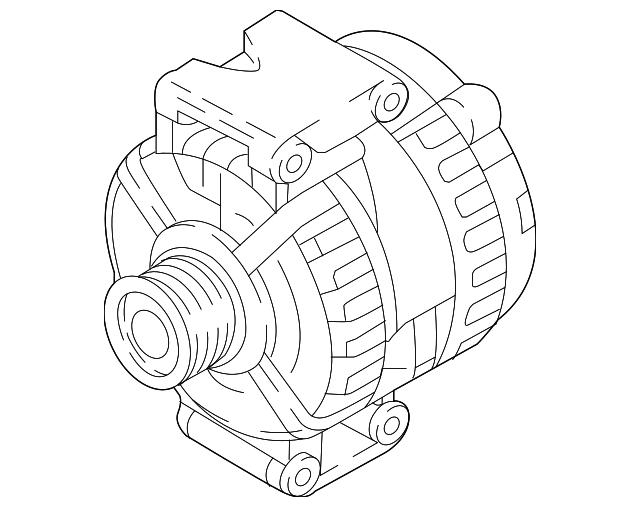
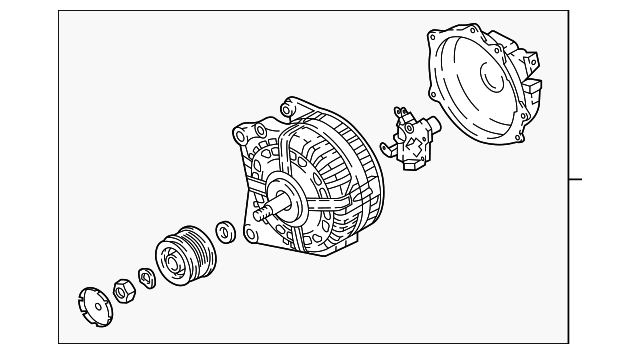
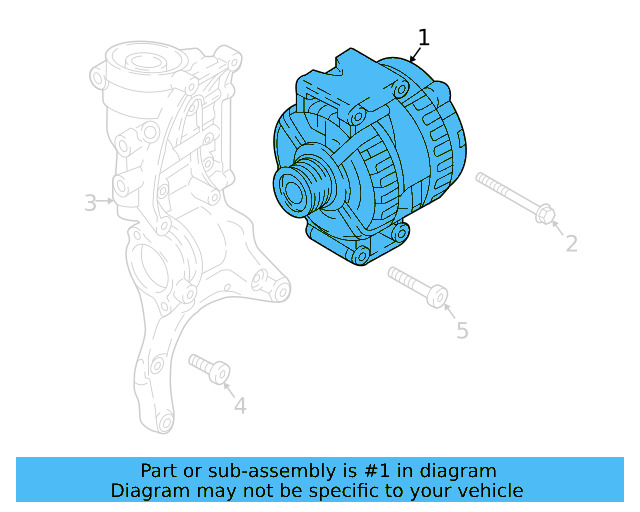
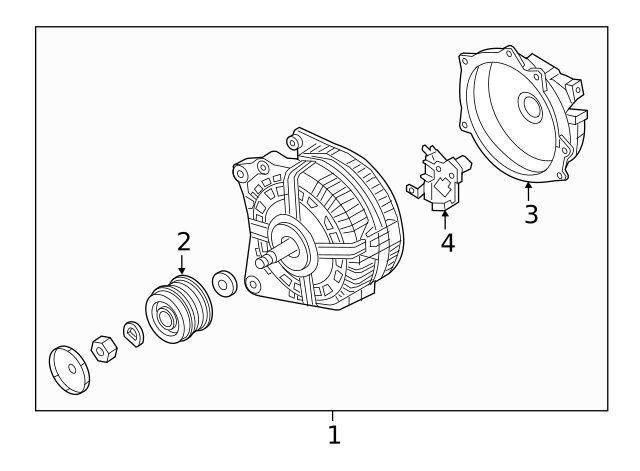
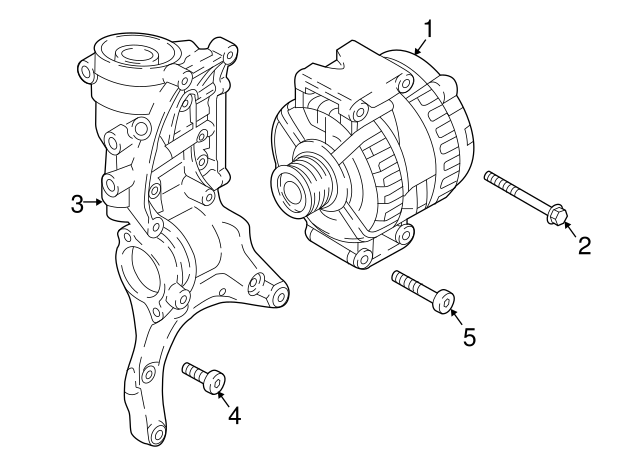
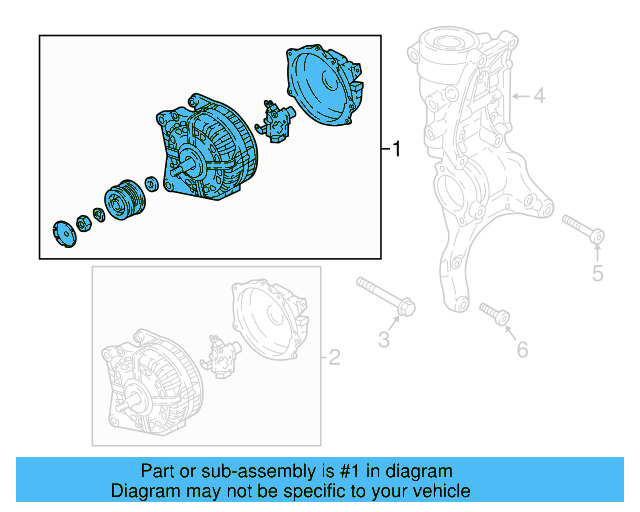
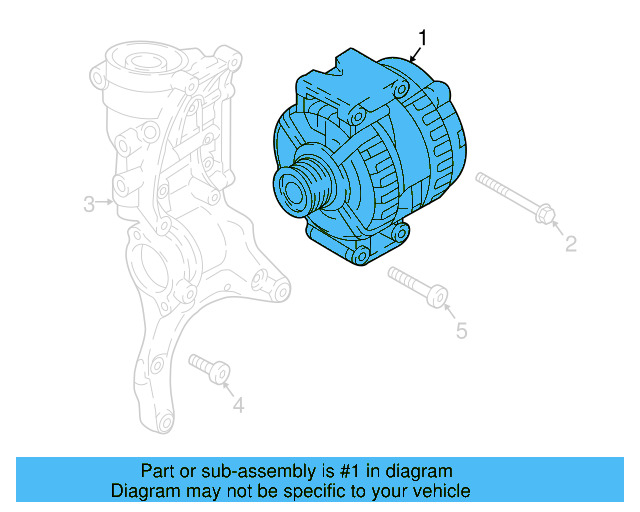
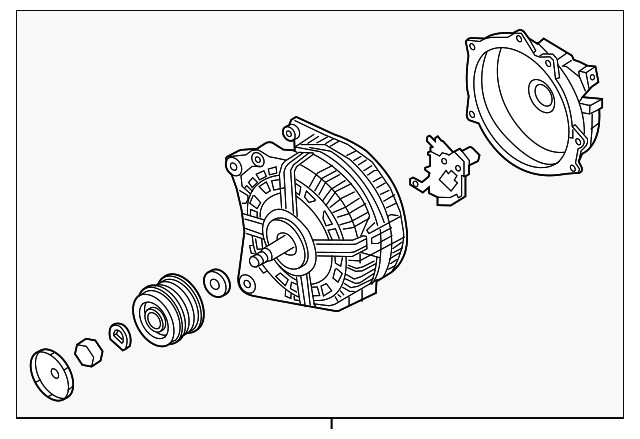
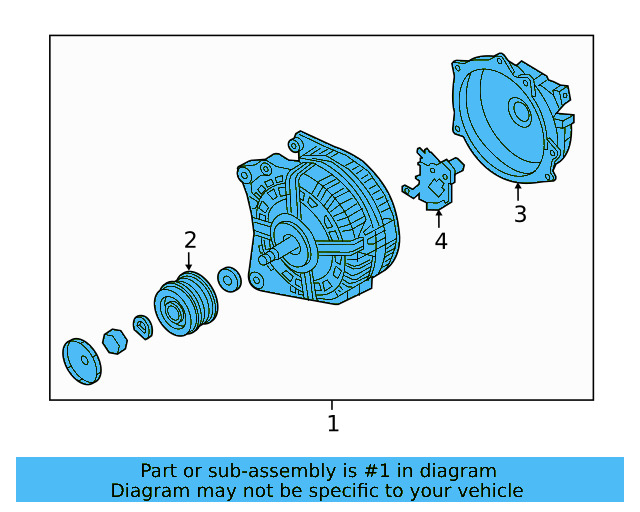
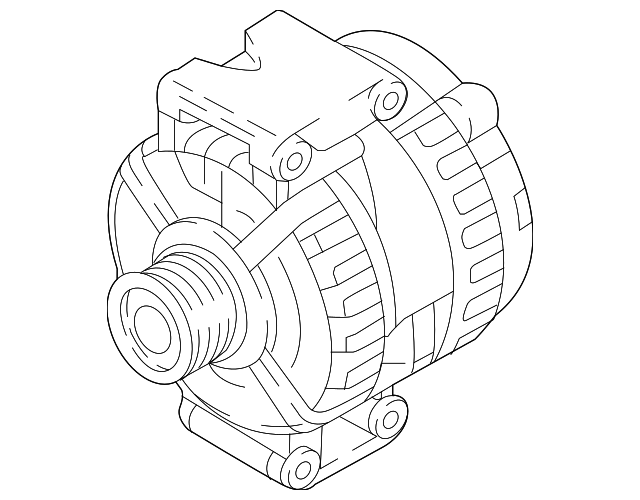
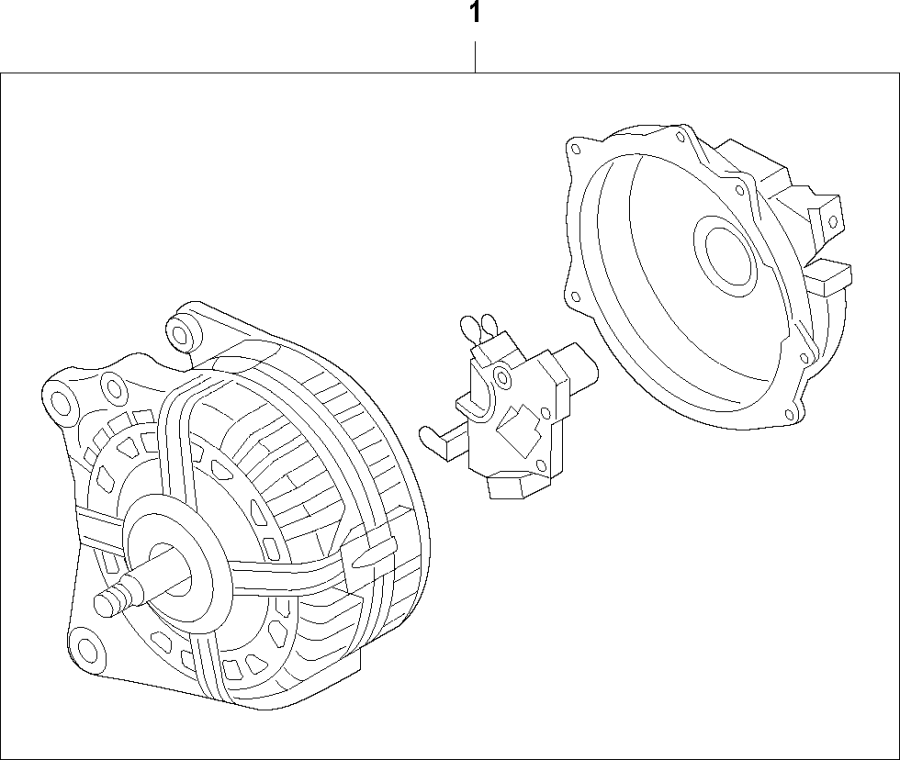
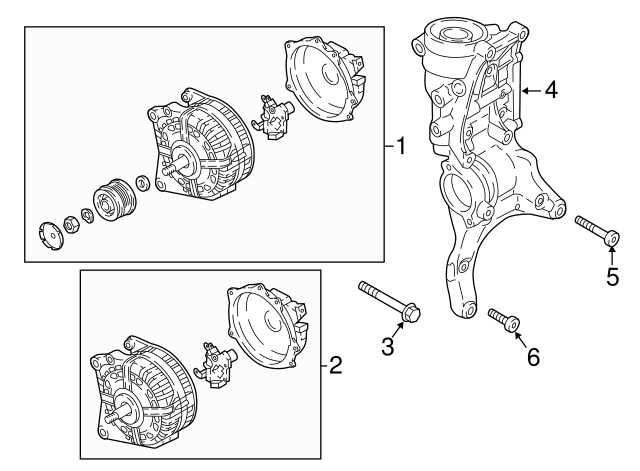
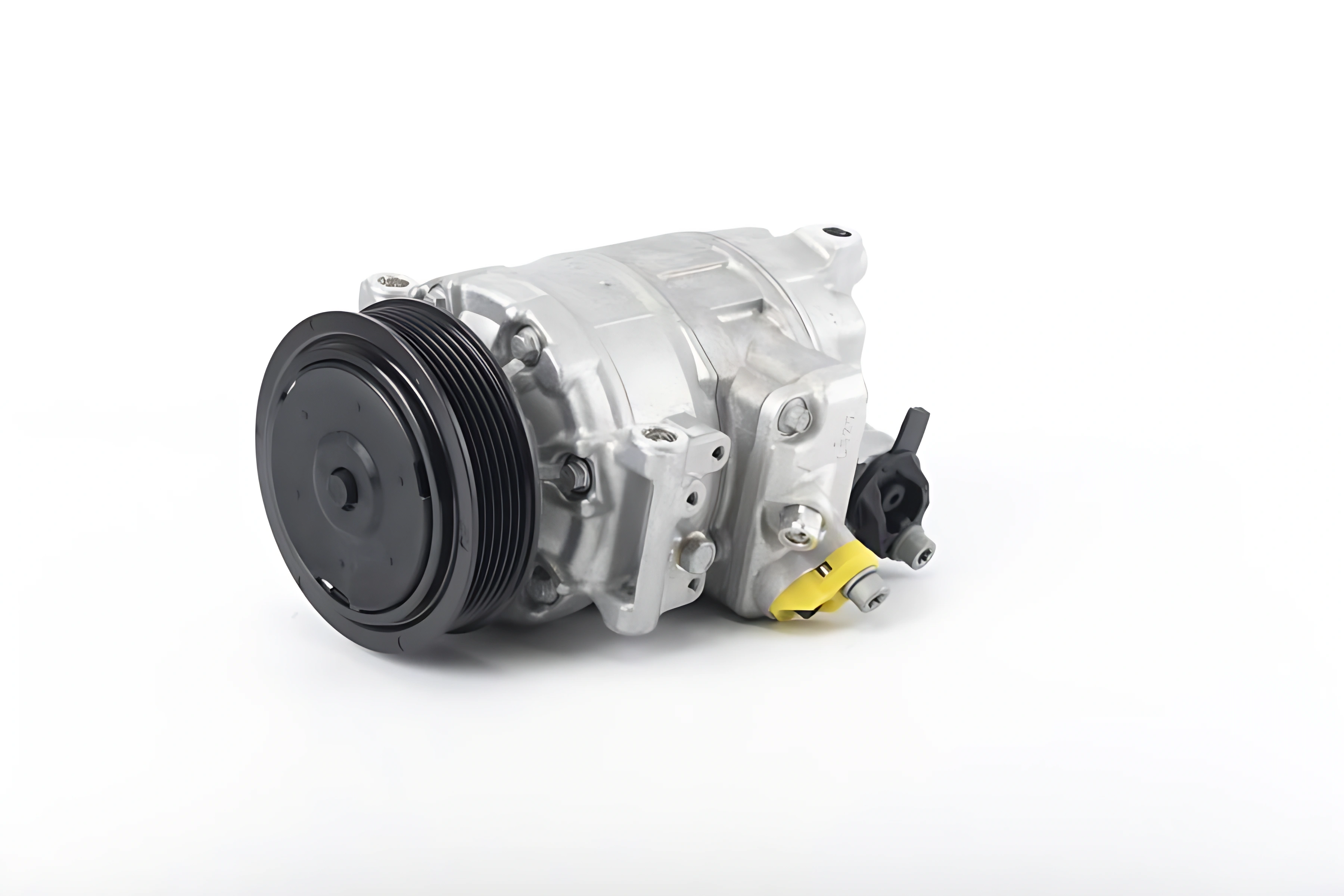
Alternator 06K-903-026-L
Dostępne w sklepach 16 ofert
Dopasowanie do pojazdu
Brak informacji o pasujących pojazdach dla tej części.

Specyfikacja techniczna
| OEM Part Number | 06K903026L |
|---|---|
| Output (Amperage) | 140 A |
| Manufacturer | Bosch |
| Engine Application | 2.0L (EA888 and related VW Group 4-cylinder platforms) |
| Housing Material | Aluminum |
| Winding Material | Copper |
| Supersedes | 06K903026B, 06K903026BV, 06K903026BX |
| Variant Suffixes Available | 06K903026LV (exchange), 06K903026LX (exchange) |
| Dimensions | — |
| Weight | — |
Jak wymienić Alternator
Replacing the alternator on VW Group 2.0L vehicles is an intermediate-level repair requiring basic hand tools and a safe method to disconnect the battery. Always reference the vehicle-specific service manual for torque specifications and belt routing diagrams before beginning work.
-
Disconnect the Battery
Turn off the ignition and remove the negative (–) terminal from the battery first, followed by the positive (+) terminal. Wait at least 10 minutes before proceeding to allow any capacitor charge to dissipate.
-
Relieve Serpentine Belt Tension
Locate the belt tensioner and use the appropriate socket or wrench to rotate it against spring tension. Slip the serpentine belt off the alternator pulley and slowly release the tensioner. Note or photograph the belt routing before removal.
-
Disconnect Electrical Connectors
Unplug the multi-pin electrical connector from the alternator. Remove the protective cover on the B+ (battery positive) stud and unthread the retaining nut, then carefully remove the B+ cable.
-
Remove the Alternator Mounting Bolts
Support the alternator by hand and remove all mounting bolts. The number and location of bolts vary by specific model and engine variant — consult the service manual for your vehicle. Keep hardware organized for reinstallation.
-
Extract the Old Alternator
Carefully maneuver the alternator out of the engine bay, taking care not to damage surrounding hoses, wiring, or the radiator. Compare the old and new units side by side to confirm identical connectors, pulley type, and mounting ears.
-
Install the New Alternator
Position the 06K903026L into the mounting bracket and hand-thread all mounting bolts before torquing any of them. Torque bolts to the specification listed in your service manual (typically 20–25 Nm for smaller fasteners; verify for your application).
-
Reconnect Electrical Connections
Attach the B+ cable to the stud and torque the nut to spec (typically 8–10 Nm), then reinstall the protective cover. Reconnect the multi-pin electrical connector until it clicks.
-
Reinstall Belt and Reconnect Battery
Route the serpentine belt according to the routing diagram and tension it using the tensioner. Reconnect the battery positive then negative terminals. Start the engine and verify charging voltage is between 13.8–14.8V using a multimeter or scan tool.
Oznaki zużycia części
-
Battery Warning Light On
The dashboard battery or charging system warning light is the most common early indicator that the alternator is no longer maintaining adequate voltage output.
-
Dimming or Flickering Lights
Headlights, interior lights, or dash illumination that dim at idle or flicker under load signal a drop in charging output from the alternator.
-
Difficulty Starting the Engine
A failing alternator cannot fully recharge the battery between drives, leading to progressively weaker cranking and eventual no-start conditions.
-
Electrical Accessory Malfunctions
Erratic behavior from power windows, infotainment, climate control, or other electronics can result from insufficient or unstable voltage caused by a failing alternator.
-
Unusual Noise from Alternator Area
A worn bearing or damaged rotor inside the alternator produces grinding, whining, or squealing noises that increase with engine RPM.
Częstotliwość wymiany
Because alternator life is highly dependent on operating conditions and electrical load, VW Group does not publish a fixed replacement mileage. Always test charging output (target 13.8–14.8V at idle) before condemning the unit.
Najczęściej zadawane pytania
Is 06K903026L the correct alternator for my vehicle?
This part fits a broad range of VW Group vehicles with 2.0L engines including the VW Atlas, Atlas Cross Sport, Golf R, GTI, Jetta GLI, Tiguan, Audi Q3, Audi S3, and various SEAT and Škoda models. Always confirm fitment using your full VIN through a dealer or reputable parts catalog before ordering.
What does the 'L' suffix mean, and how does it relate to 06K903026B?
The 'L' suffix designates the current production revision of this alternator. VW Group periodically supersedes part numbers as designs are updated. 06K903026L directly replaces the earlier 06K903026B and its variants (BV, BX). The LV and LX suffixes denote exchange (remanufactured) versions of the L unit.
Should I buy new OEM, OEM exchange, or aftermarket?
New OEM (06K903026L) offers the highest confidence in fit and longevity. OEM exchange variants (LV/LX) and Bosch remanufactured units are cost-effective alternatives that still meet original specs. Generic aftermarket alternators vary widely in quality — if choosing aftermarket, stick to established brands like Bosch, Valeo, or Denso and verify the amperage rating is 140A.
Will I need to program or adapt the new alternator after installation?
Newer VW Group vehicles use a smart charging system that communicates with the ECM. On these platforms, a replacement alternator may require a basic settings or adaptation procedure using VCDS (VAG-COM) or an OEM-level scan tool. Check a model-specific forum or your service manual to confirm whether adaptation is required for your exact vehicle.
Can a bad alternator damage my battery or other electronics?
Yes. An alternator that overcharges (above ~14.8V) can boil and damage the battery, and may harm sensitive electronics. One that undercharges leaves the battery in a perpetually low state of charge, shortening battery life. Replace a failing alternator promptly to protect the rest of the charging and electrical system.
How do I confirm the alternator is actually the problem before buying?
Have the charging system tested first. A multimeter should read 13.8–14.8V across the battery terminals at idle with accessories on. Most auto parts stores offer free charging system tests. Also pull fault codes with an OBD-II scanner — codes such as P0620, P0621, or VW-specific charging faults will point directly to the alternator or voltage regulator.
Znalazłeś błąd?
Pomóż nam się rozwijać — jeśli zauważyłeś błąd na stronie lub w danych, daj nam znać, a naprawimy go jak najszybciej.