

PartsBat PartsBat Beta

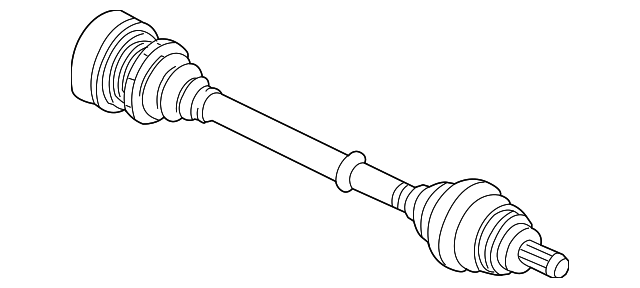
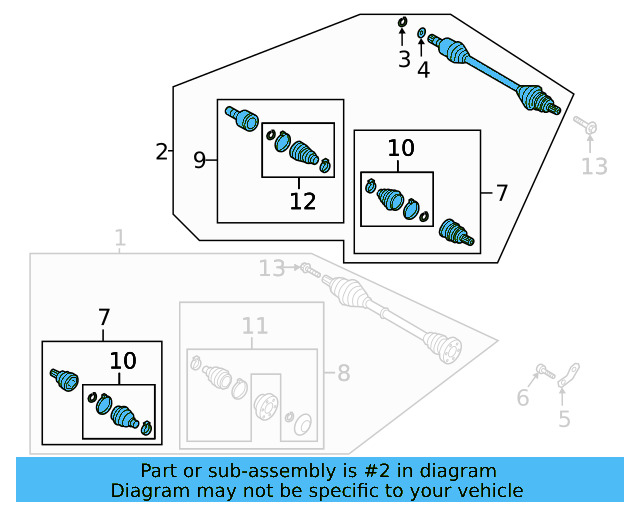
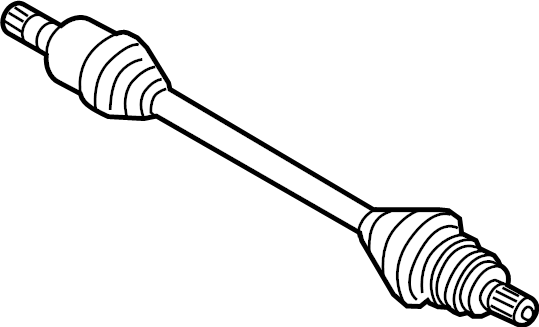
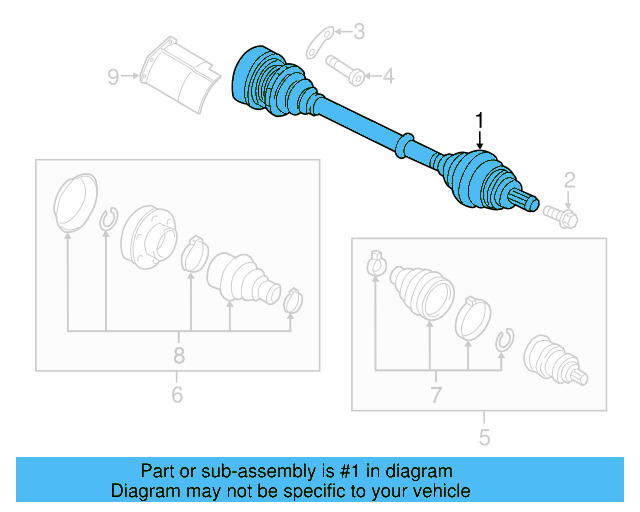
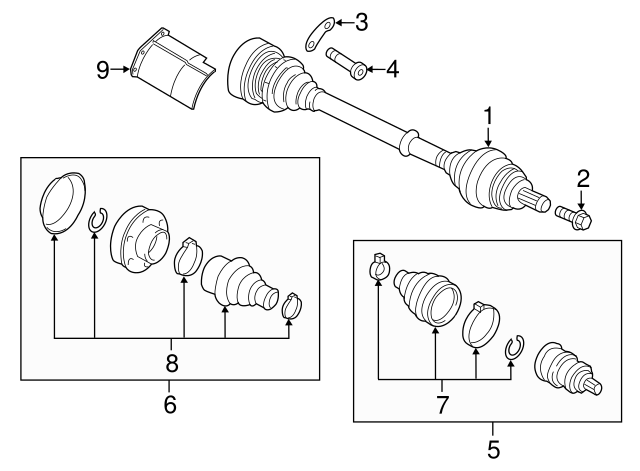
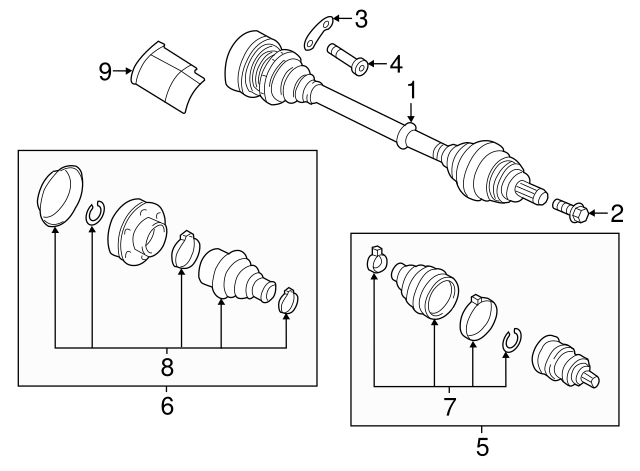
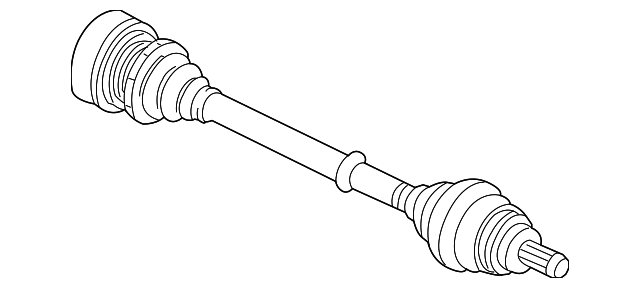
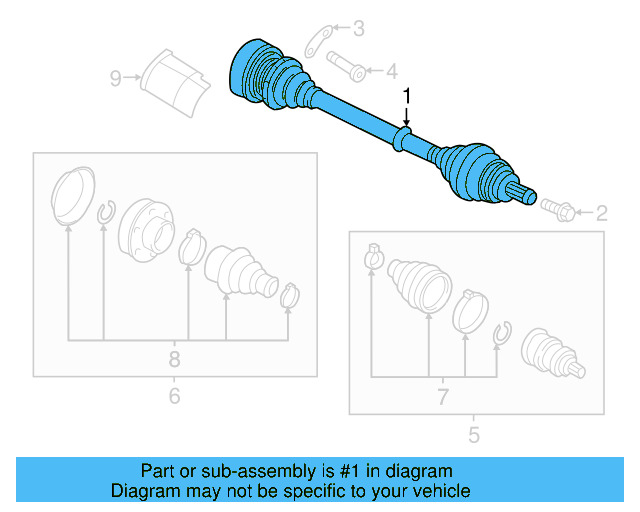
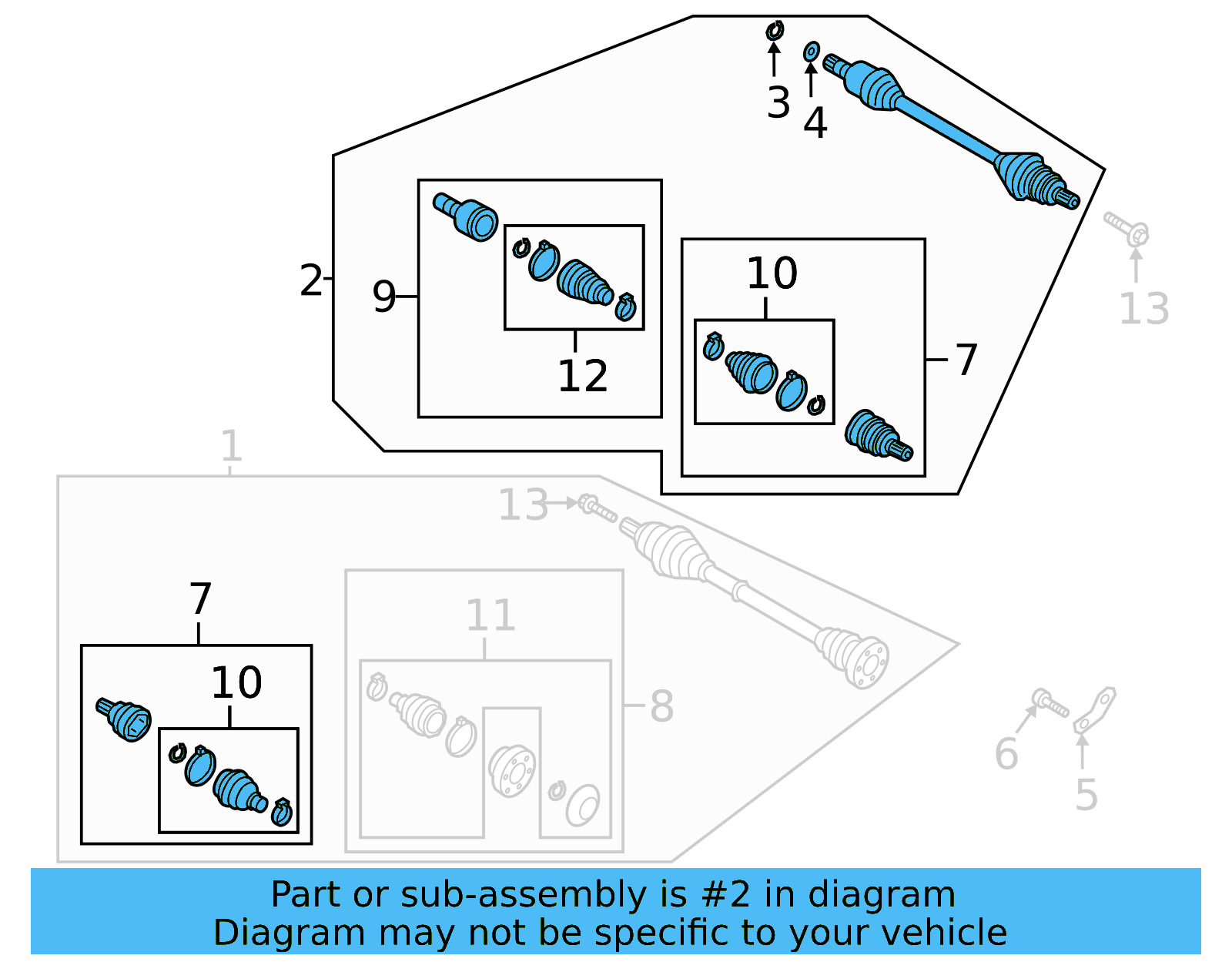
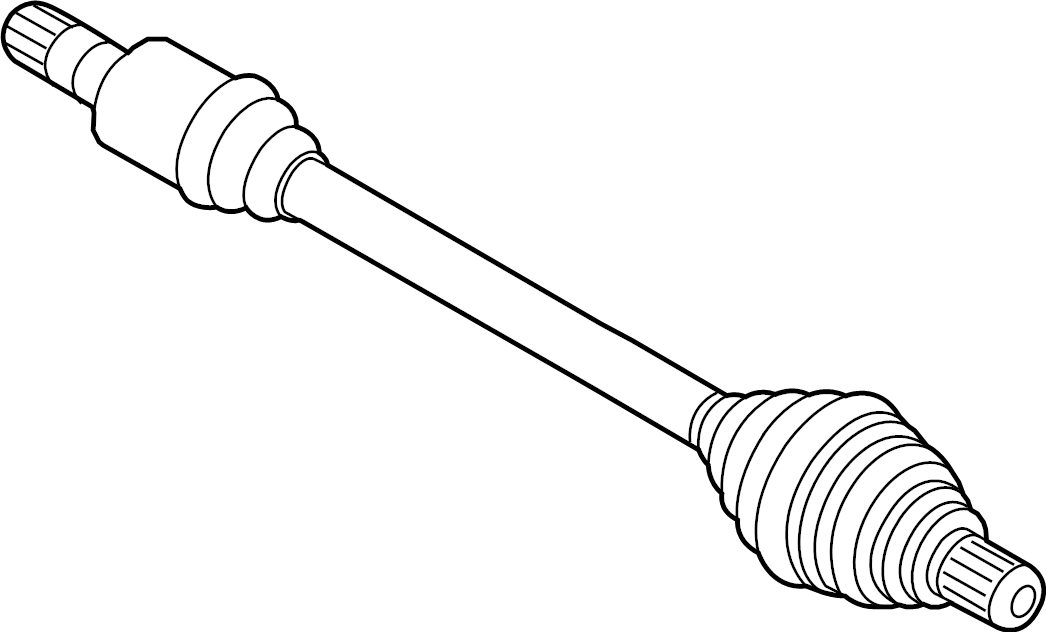
Axle Assembly 5Q0-407-271-EA

Nr katalogowy
5Q0-407-271-EA 5q0407271ea 5q0-407-271-ea 5Q0407271EA
Zamienniki
5Q0-407-271-CQ 5q0-407-271-cq 5Q0407271CQ
Nazwy alternatywne
VW Golf Front Left Axle Assembly 5Q0-407-271-EA Drive Shaft MQB Front CV Axle Left Volkswagen Front Left Half Shaft 5Q0407271CQ Replacement Shaft
Zakres cen
$488 – $788
z 6 ofert
Oryginalne części 6
Części używane 0
Pasujące pojazdy 102
Porównaj 6 ofert

Dostępne w sklepach 6 ofert

leithvwcary.com Dostawca części samochodowych
1 sprzedawca 1 nowych
Leith Volkswagen
Autoryzowany dealer
$738
Inni sprzedawcy Dostawca części samochodowych
3 sprzedawców 3 nowych
Volkswagen
Nowa
$572 $488
Capitol Volkswagen
Nowa
$788
Alexandria Volkswagen
Nowa
$593
parts.vw.com Dostawca części samochodowych
2 sprzedawców 2 nowych
Volkswagen of Downtown L.A.
Nowa
$592 $539
Lewisville Volkswagen
Nowa
$592 $533

Dopasowanie do pojazdu 102 pojazdy
Rok Marka Model Nadwozie i wersja Silnik
2018 Volkswagen Golf R Base 2.0L L4 - Gas
2019 Volkswagen Golf R Base 2.0L L4 - Gas
2019 Volkswagen GTI Autobahn 2.0L L4 - Gas
2019 Volkswagen GTI Rabbit Edition 2.0L L4 - Gas
2019 Volkswagen GTI S 2.0L L4 - Gas
2019 Volkswagen GTI SE 2.0L L4 - Gas
2019 Volkswagen Jetta GLI 35th Anniversary Edition 1.4L L4 - Gas
2019 Volkswagen Jetta GLI Autobahn 1.4L L4 - Gas
2019 Volkswagen Jetta GLI S 1.4L L4 - Gas
2019 Volkswagen Jetta R-Line 1.4L L4 - Gas
2019 Volkswagen Jetta S 1.4L L4 - Gas
2019 Volkswagen Jetta SE 1.4L L4 - Gas
2019 Volkswagen Jetta SEL 1.4L L4 - Gas
2019 Volkswagen Jetta SEL Premium 1.4L L4 - Gas
2019 Volkswagen Jetta GLI 35th Anniversary Edition 2.0L L4 - Gas
2019 Volkswagen Jetta GLI Autobahn 2.0L L4 - Gas
2019 Volkswagen Jetta GLI S 2.0L L4 - Gas
2019 Volkswagen Jetta R-Line 2.0L L4 - Gas
2019 Volkswagen Jetta S 2.0L L4 - Gas
2019 Volkswagen Jetta SE 2.0L L4 - Gas
2019 Volkswagen Jetta SEL 2.0L L4 - Gas
2019 Volkswagen Jetta SEL Premium 2.0L L4 - Gas
2020 Volkswagen GTI Autobahn 2.0L L4 - Gas
2020 Volkswagen GTI S 2.0L L4 - Gas
2020 Volkswagen GTI SE 2.0L L4 - Gas
2020 Volkswagen Jetta GLI Autobahn 1.4L L4 - Gas
2020 Volkswagen Jetta GLI S 1.4L L4 - Gas
2020 Volkswagen Jetta R-Line 1.4L L4 - Gas
2020 Volkswagen Jetta S 1.4L L4 - Gas
2020 Volkswagen Jetta SE 1.4L L4 - Gas
2020 Volkswagen Jetta SEL 1.4L L4 - Gas
2020 Volkswagen Jetta SEL Premium 1.4L L4 - Gas
2020 Volkswagen Jetta GLI Autobahn 2.0L L4 - Gas
2020 Volkswagen Jetta GLI S 2.0L L4 - Gas
2020 Volkswagen Jetta R-Line 2.0L L4 - Gas
2020 Volkswagen Jetta S 2.0L L4 - Gas
2020 Volkswagen Jetta SE 2.0L L4 - Gas
2020 Volkswagen Jetta SEL 2.0L L4 - Gas
2020 Volkswagen Jetta SEL Premium 2.0L L4 - Gas
2021 Volkswagen GTI Autobahn 2.0L L4 - Gas
2021 Volkswagen GTI S 2.0L L4 - Gas
2021 Volkswagen GTI SE 2.0L L4 - Gas
2021 Volkswagen Jetta GLI Autobahn 1.4L L4 - Gas
2021 Volkswagen Jetta GLI S 1.4L L4 - Gas
2021 Volkswagen Jetta R-Line 1.4L L4 - Gas
2021 Volkswagen Jetta S 1.4L L4 - Gas
2021 Volkswagen Jetta SE 1.4L L4 - Gas
2021 Volkswagen Jetta SEL 1.4L L4 - Gas
2021 Volkswagen Jetta SEL Premium 1.4L L4 - Gas
2021 Volkswagen Jetta GLI Autobahn 2.0L L4 - Gas
2021 Volkswagen Jetta GLI S 2.0L L4 - Gas
2021 Volkswagen Jetta R-Line 2.0L L4 - Gas
2021 Volkswagen Jetta S 2.0L L4 - Gas
2021 Volkswagen Jetta SE 2.0L L4 - Gas
2021 Volkswagen Jetta SEL 2.0L L4 - Gas
2021 Volkswagen Jetta SEL Premium 2.0L L4 - Gas
2022 Volkswagen Golf R Base 2.0L L4 - Gas
2022 Volkswagen GTI Autobahn 2.0L L4 - Gas
2022 Volkswagen GTI S 2.0L L4 - Gas
2022 Volkswagen GTI SE 2.0L L4 - Gas
2022 Volkswagen Jetta GLI Autobahn 1.5L L4 - Gas
2022 Volkswagen Jetta S 1.5L L4 - Gas
2022 Volkswagen Jetta SE 1.5L L4 - Gas
2022 Volkswagen Jetta SEL 1.5L L4 - Gas
2022 Volkswagen Jetta Sport 1.5L L4 - Gas
2022 Volkswagen Jetta GLI Autobahn 2.0L L4 - Gas
2022 Volkswagen Jetta S 2.0L L4 - Gas
2022 Volkswagen Jetta SE 2.0L L4 - Gas
2022 Volkswagen Jetta SEL 2.0L L4 - Gas
2022 Volkswagen Jetta Sport 2.0L L4 - Gas
2023 Volkswagen Golf R 20th Anniversary Edition 2.0L L4 - Gas
2023 Volkswagen Golf R Base 2.0L L4 - Gas
2023 Volkswagen GTI 40th Anniversary Edition 2.0L L4 - Gas
2023 Volkswagen GTI Autobahn 2.0L L4 - Gas
2023 Volkswagen GTI S 2.0L L4 - Gas
2023 Volkswagen GTI SE 2.0L L4 - Gas
2023 Volkswagen Jetta GLI Autobahn 1.5L L4 - Gas
2023 Volkswagen Jetta S 1.5L L4 - Gas
2023 Volkswagen Jetta SE 1.5L L4 - Gas
2023 Volkswagen Jetta SEL 1.5L L4 - Gas
2023 Volkswagen Jetta Sport 1.5L L4 - Gas
2023 Volkswagen Jetta GLI Autobahn 2.0L L4 - Gas
2023 Volkswagen Jetta S 2.0L L4 - Gas
2023 Volkswagen Jetta SE 2.0L L4 - Gas
2023 Volkswagen Jetta SEL 2.0L L4 - Gas
2023 Volkswagen Jetta Sport 2.0L L4 - Gas
2024 Volkswagen Golf R Base 2.0L L4 - Gas
2024 Volkswagen GTI Autobahn 2.0L L4 - Gas
2024 Volkswagen GTI S 2.0L L4 - Gas
2024 Volkswagen GTI SE 2.0L L4 - Gas
2024 Volkswagen Jetta GLI 40th Anniversary Edition 1.5L L4 - Gas
2024 Volkswagen Jetta GLI Autobahn 1.5L L4 - Gas
2024 Volkswagen Jetta S 1.5L L4 - Gas
2024 Volkswagen Jetta SE 1.5L L4 - Gas
2024 Volkswagen Jetta SEL 1.5L L4 - Gas
2024 Volkswagen Jetta Sport 1.5L L4 - Gas
2024 Volkswagen Jetta GLI 40th Anniversary Edition 2.0L L4 - Gas
2024 Volkswagen Jetta GLI Autobahn 2.0L L4 - Gas
2024 Volkswagen Jetta S 2.0L L4 - Gas
2024 Volkswagen Jetta SE 2.0L L4 - Gas
2024 Volkswagen Jetta SEL 2.0L L4 - Gas
2024 Volkswagen Jetta Sport 2.0L L4 - Gas

Specyfikacja techniczna

OEM Part Number 5Q0407271EA
Position Front Left (Driver Side)
Joint Type Inner and Outer Constant Velocity (CV) Joints
Material High-strength steel
CV Boot Material Protective rubber (factory installed)
Transmission Compatibility Automatic transmission variants
Axle Nut Torque ~200 Nm + 90° angle tightening (verify in workshop manual)
Shaft Length
Spline Count
Weight

Jak wymienić Axle Assembly

Replacing the front left drive shaft on a VW Group MQB-platform vehicle requires standard workshop tools, a torque wrench with angle gauge, and new single-use fasteners where specified. Work on a level surface with the vehicle securely supported on jack stands. Always consult the model-specific workshop manual for exact torque values before beginning.

Szybkie wskazówki

  • Always use a new axle nut — the OEM axle nut is a single-use stretch fastener and must not be reused, as it cannot maintain correct clamping force after initial tightening.
  • Use an angle torque gauge when tightening the axle nut to the specified rotation angle; a standard torque wrench alone is not sufficient for angle-tightening fasteners.
  • Inspect the transmission oil seal before installing the new shaft — a damaged or worn seal should be replaced at this stage to prevent fluid leaks after reassembly.
  • When inserting the inner CV joint, listen and feel for the circlip to snap into the differential groove; give the shaft a firm tug to confirm positive retention before proceeding.
  • Verify VIN-based fitment before purchasing — multiple 5Q0407271-series suffixes exist for different transmission types and production date ranges; using the wrong variant can cause installation failure.
  • Do not grease the outer CV splines before insertion into the hub; excess lubricant on the hub bore taper can reduce clamping integrity of the axle nut.
  1. Prepare the Vehicle

    Park on a level surface and engage the parking brake. Loosen the front left wheel lug nuts while the vehicle is still on the ground. Raise the vehicle with a floor jack and support it securely on jack stands. Remove the front left wheel.

  2. Remove the Axle Nut

    Remove the center axle nut securing the outer CV joint to the wheel hub. This nut is a single-use stretch bolt on most MQB applications — do not reuse it. Set aside for disposal.

  3. Detach Suspension Components

    Disconnect the lower control arm ball joint and the tie-rod end from the steering knuckle to allow the hub assembly to swing outward and create clearance for shaft removal. Note the position of any alignment-sensitive components.

  4. Extract the Old Drive Shaft

    Carefully withdraw the outer CV joint stub from the wheel hub. Then disengage the inner CV joint from the transmission by pulling the shaft firmly and axially outward until the circlip releases. Avoid damaging the transmission oil seal during removal.

  5. Install the New Drive Shaft

    Insert the inner CV joint end into the transmission with a firm push until the circlip audibly and positively engages. Confirm the shaft cannot be pulled back out by hand. Align the outer CV joint with the wheel hub splines and push fully into position.

  6. Reconnect Suspension Components

    Reattach the lower control arm ball joint and tie-rod end. Tighten all fasteners to manufacturer-specified torque values per the workshop manual. Install a new axle nut and torque to approximately 200 Nm plus 90° angle, or the exact figure specified for the vehicle.

  7. Reinstall Wheel and Test

    Reinstall the front left wheel and hand-tighten the lug nuts. Lower the vehicle to the ground and torque the lug nuts to specification in a star pattern. Perform a low-speed test drive, turning lock-to-lock in both directions, and listen for any clicking or vibration before returning the vehicle to normal use.

Oznaki zużycia części

  • Clicking Noise During Turns

    A repetitive clicking or popping sound when turning and accelerating is the most common symptom of a worn outer CV joint, indicating loss of proper articulation and lubrication.

  • Vibration Under Acceleration

    Noticeable vibration through the steering wheel or floorboard during acceleration may indicate an imbalanced or damaged drive shaft or deteriorating inner CV joint.

  • Grease on Inner Wheel Area

    Dark grease splattered on the inside of the wheel, wheel well, or undercarriage indicates a split or torn CV boot allowing lubricant to escape and contaminants to enter the joint.

  • Clunking on Acceleration or Deceleration

    A clunking or thudding sensation when applying or releasing throttle can signal a worn inner CV joint or excessive play in the shaft's plunge mechanism.

  • Shudder at Low Speed Turns

    A rhythmic shudder felt through the vehicle during slow-speed turns, such as in a parking lot, points to a failing inner tripod joint that is no longer plunging smoothly.

Częstotliwość wymiany

Condition-Based Replacement
No fixed mileage interval
Volkswagen does not publish a scheduled replacement interval for drive shafts. Replacement is determined by inspection findings — torn boots, grease loss, audible joint noise, or measurable play indicate the shaft should be replaced immediately.
Severe Duty Inspection
Every 20,000 miles / 30,000 km or annually
Vehicles operated in harsh conditions — frequent deep water crossings, off-road use, heavily salted roads, or extreme temperature environments — should have CV boots and joints inspected more frequently for early signs of cracking or contamination.

CV boot condition should be visually inspected at every routine service interval. A torn boot does not always mean the joint has failed immediately, but continued operation without repair will accelerate joint wear significantly. Address boot damage promptly to avoid full shaft replacement.

Najczęściej zadawane pytania

Will 5Q0407271EA fit my Volkswagen Golf VII with a manual transmission?

No — the 5Q0407271EA is specified for automatic transmission variants within the Golf VII and related MQB platform models. Manual transmission applications use a different part number. Always confirm fitment using your vehicle's VIN through an official VW parts catalog or dealer.

What does the 'EA' suffix mean and why does it matter?

The suffix denotes a specific design revision or application variant within the 5Q0407271 series. Earlier suffixes such as CQ, G, and DB represent prior versions — the EA is a current or superseding release. Using an incorrect suffix may result in a shaft with different length, spline count, or joint design that will not fit properly.

Can I reuse the original axle nut when installing this drive shaft?

No. The axle nut used on MQB platform vehicles is a single-use stretch-type fastener that permanently deforms when torqued. Reusing it risks insufficient clamping force, which can allow the hub to loosen during operation. Always install a new axle nut.

Is it safe to drive with a torn CV boot but no other symptoms yet?

Driving with a torn CV boot is not recommended. Once the boot tears, grease is flung out and road contaminants enter the joint. Even if no noise is present initially, the joint will wear rapidly and complete shaft failure can follow within a short mileage. Early boot replacement or shaft replacement is far less expensive than towing and emergency repair.

Are aftermarket alternatives like GKN or SKF acceptable replacements for the OEM part?

Yes, OEM-tier brands such as GKN Driveline, SKF, LÖBRO, and Spidan produce high-quality equivalents suitable for this application. When ordering, cross-reference the exact OEM part number to ensure the replacement matches in shaft length, inner and outer spline count, and joint type. Avoid unbranded or heavily discounted shafts with no engineering data available.

Does replacing the drive shaft require a wheel alignment afterward?

Disconnecting the lower control arm ball joint and tie-rod end as part of this procedure can potentially alter toe and camber settings. It is strongly recommended to have a four-wheel alignment performed after this repair to ensure correct steering geometry and prevent uneven tire wear.

Znalazłeś błąd?

Pomóż nam się rozwijać — jeśli zauważyłeś błąd na stronie lub w danych, daj nam znać, a naprawimy go jak najszybciej.