
 PL
PL
 Deutsch
 English
 русский
 українська

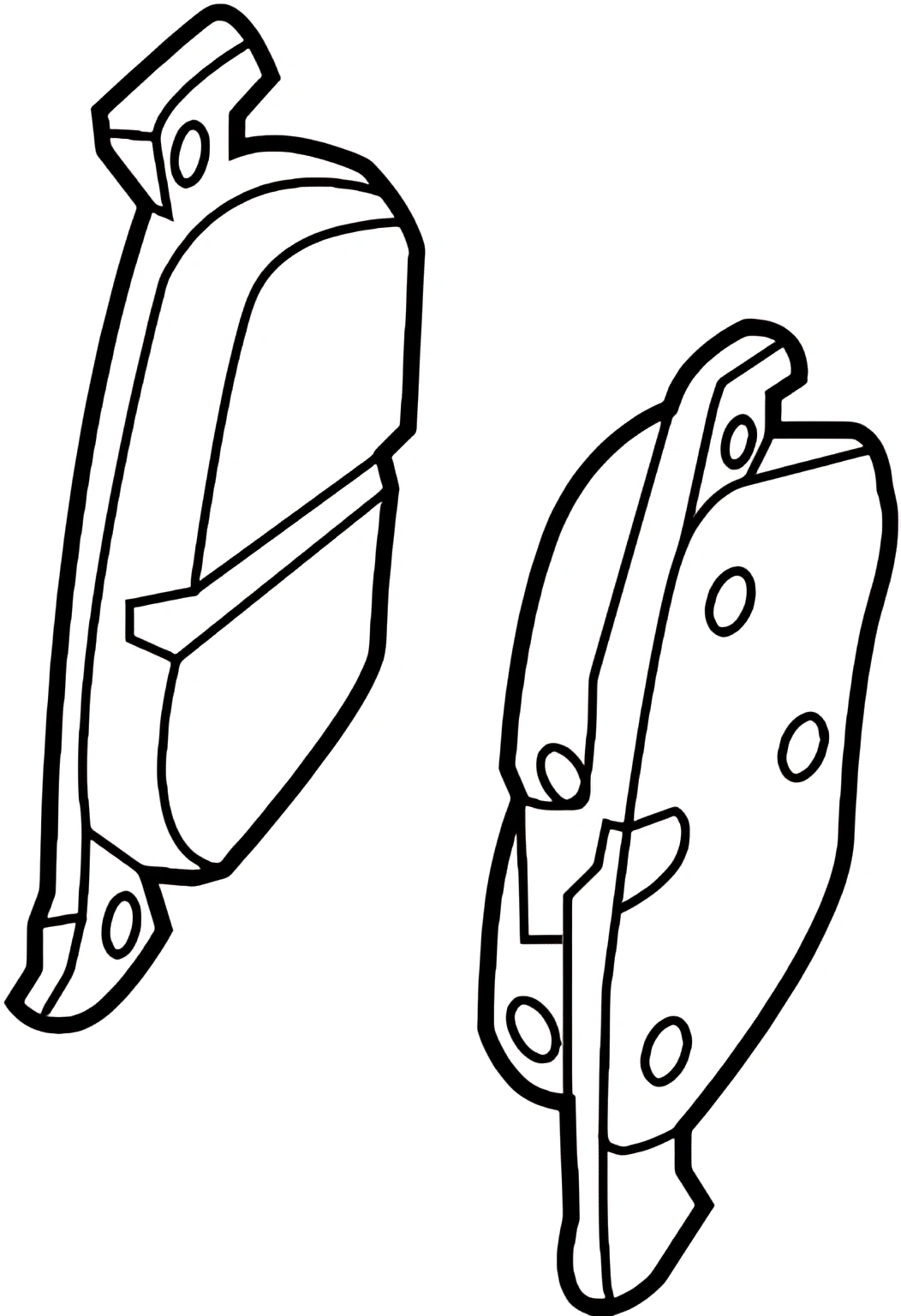
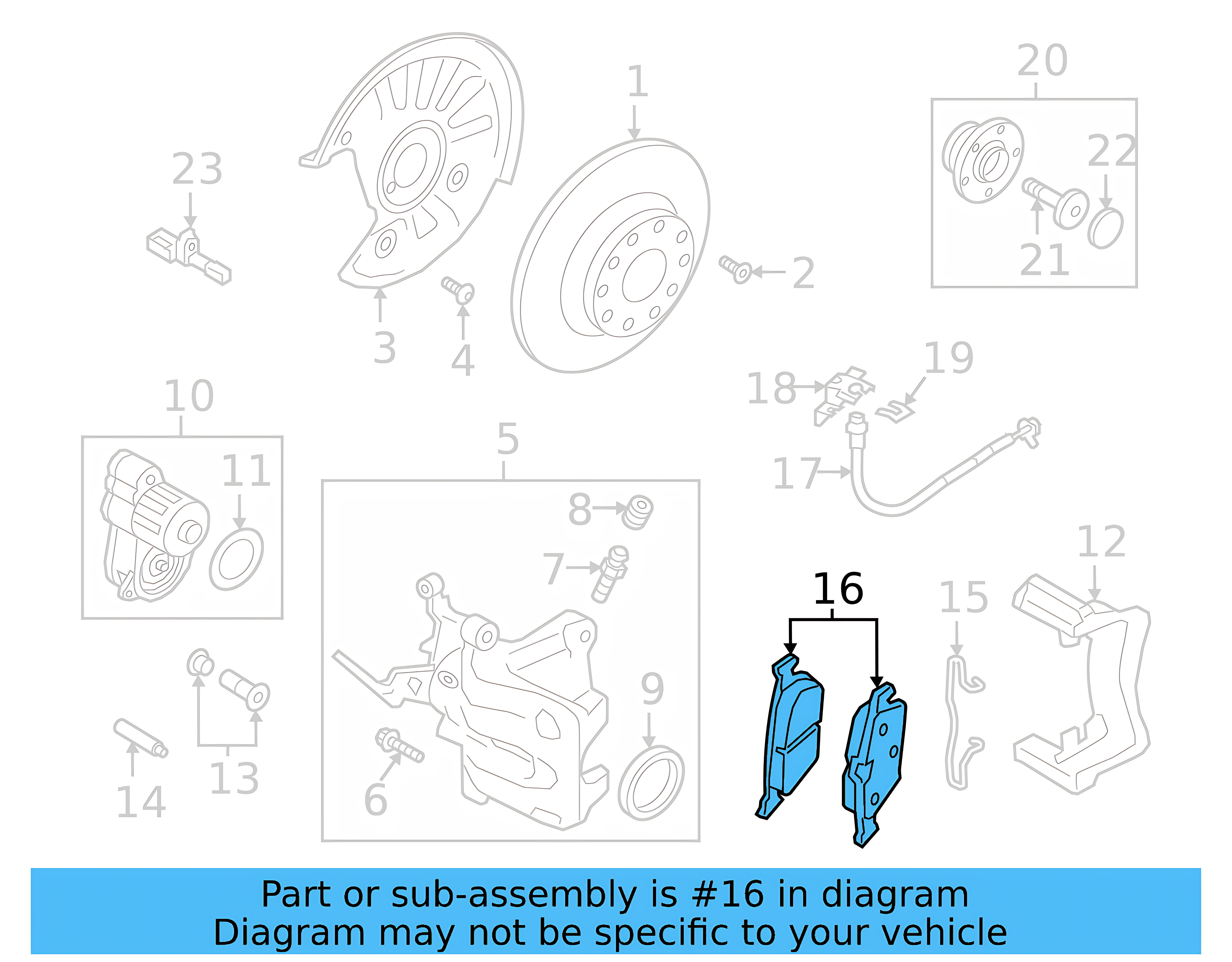
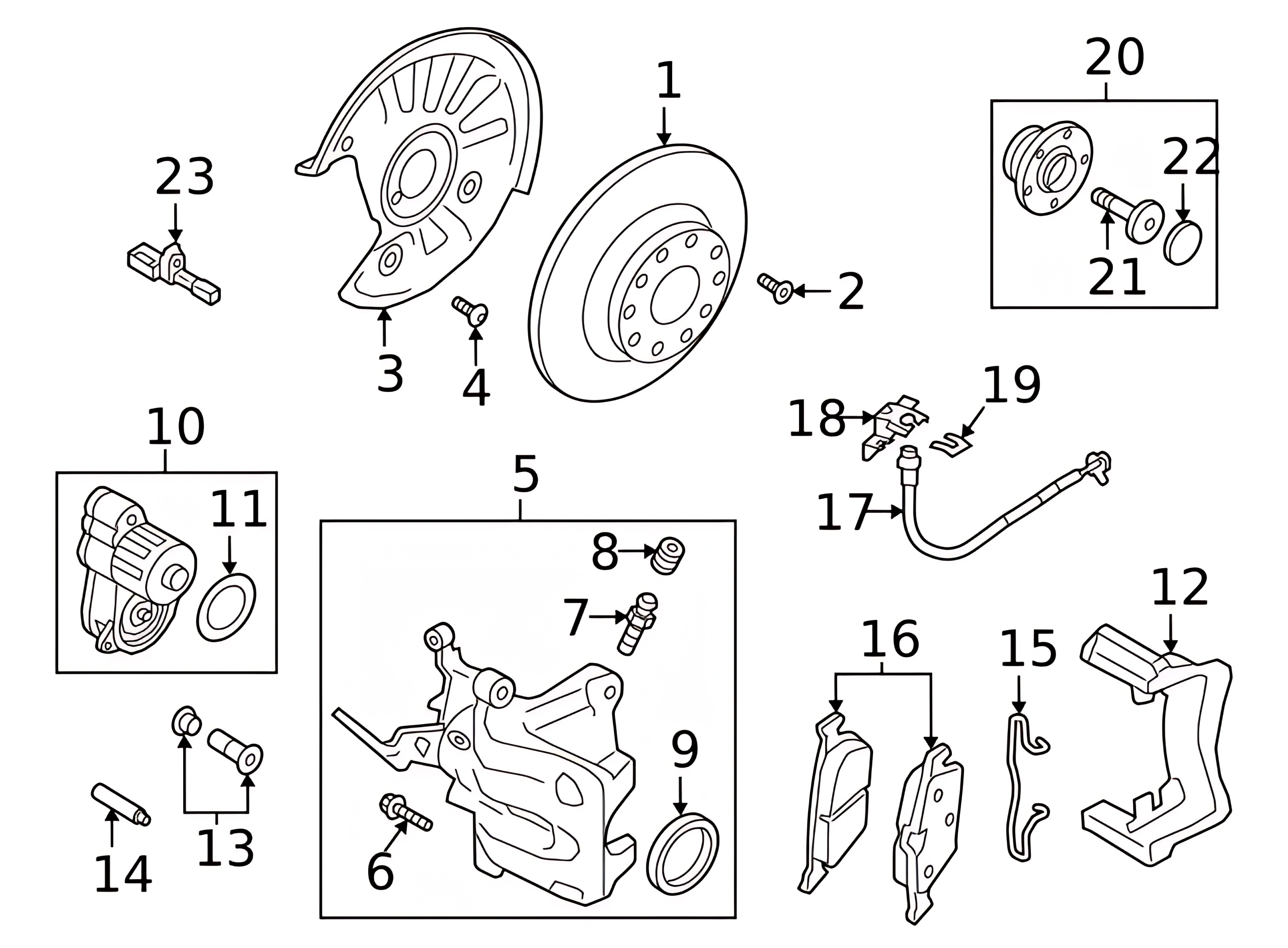
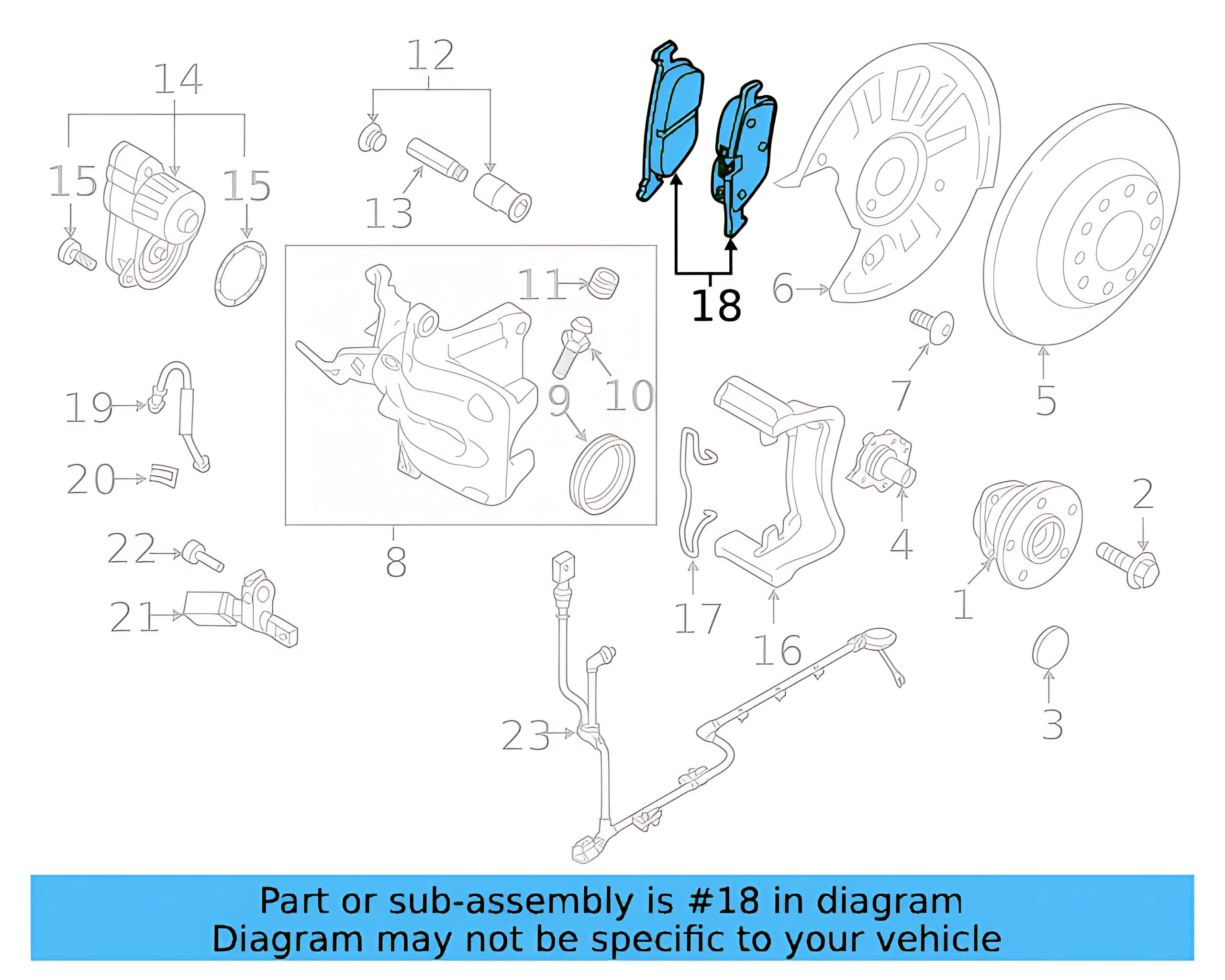
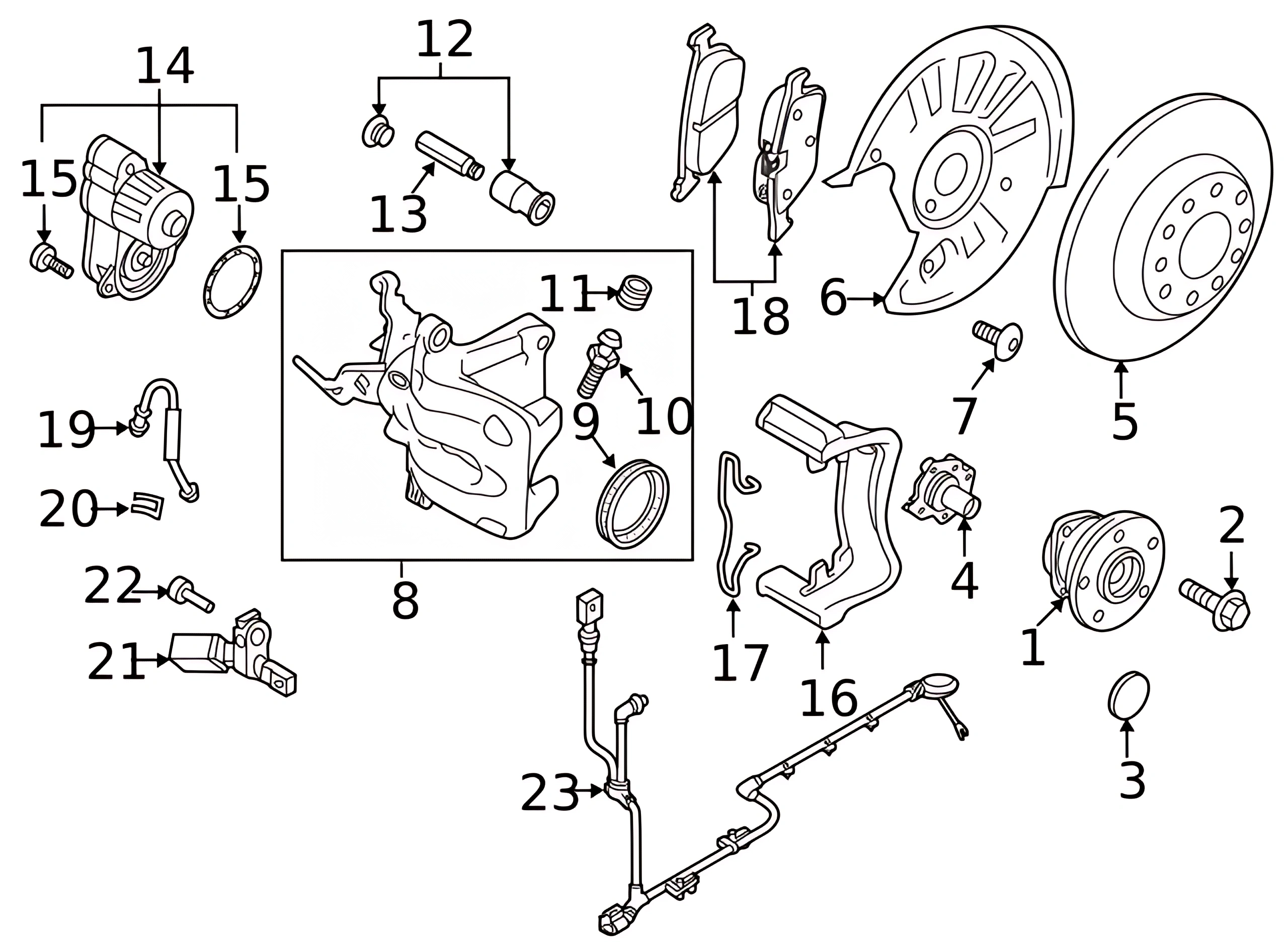
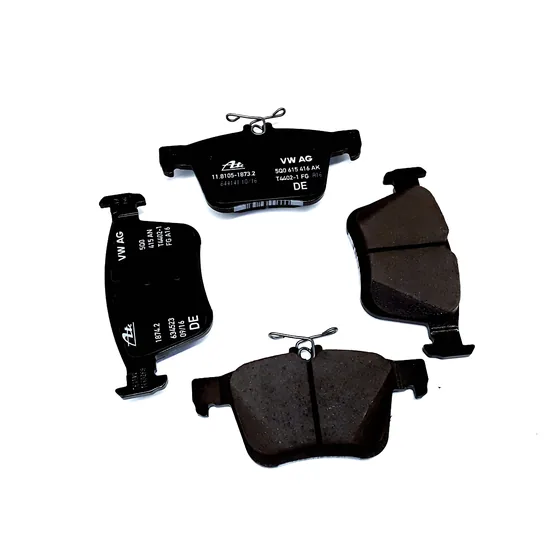
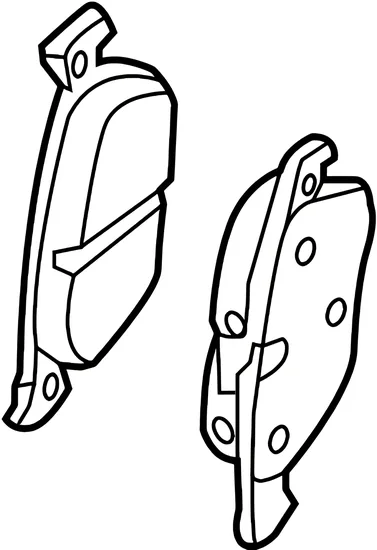
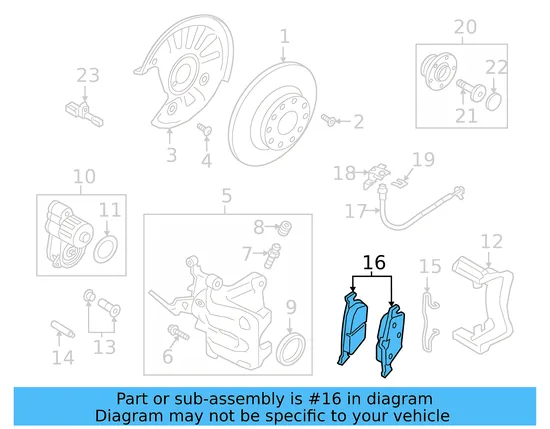
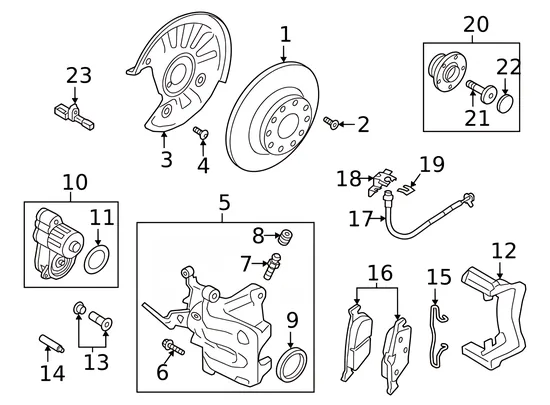
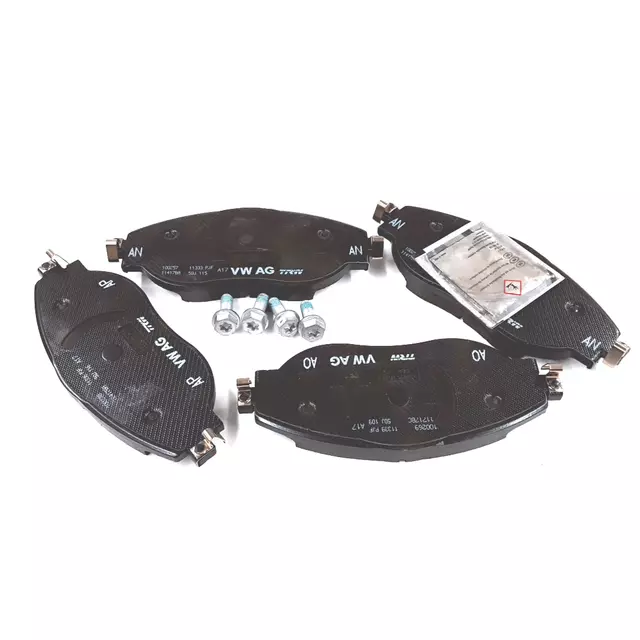
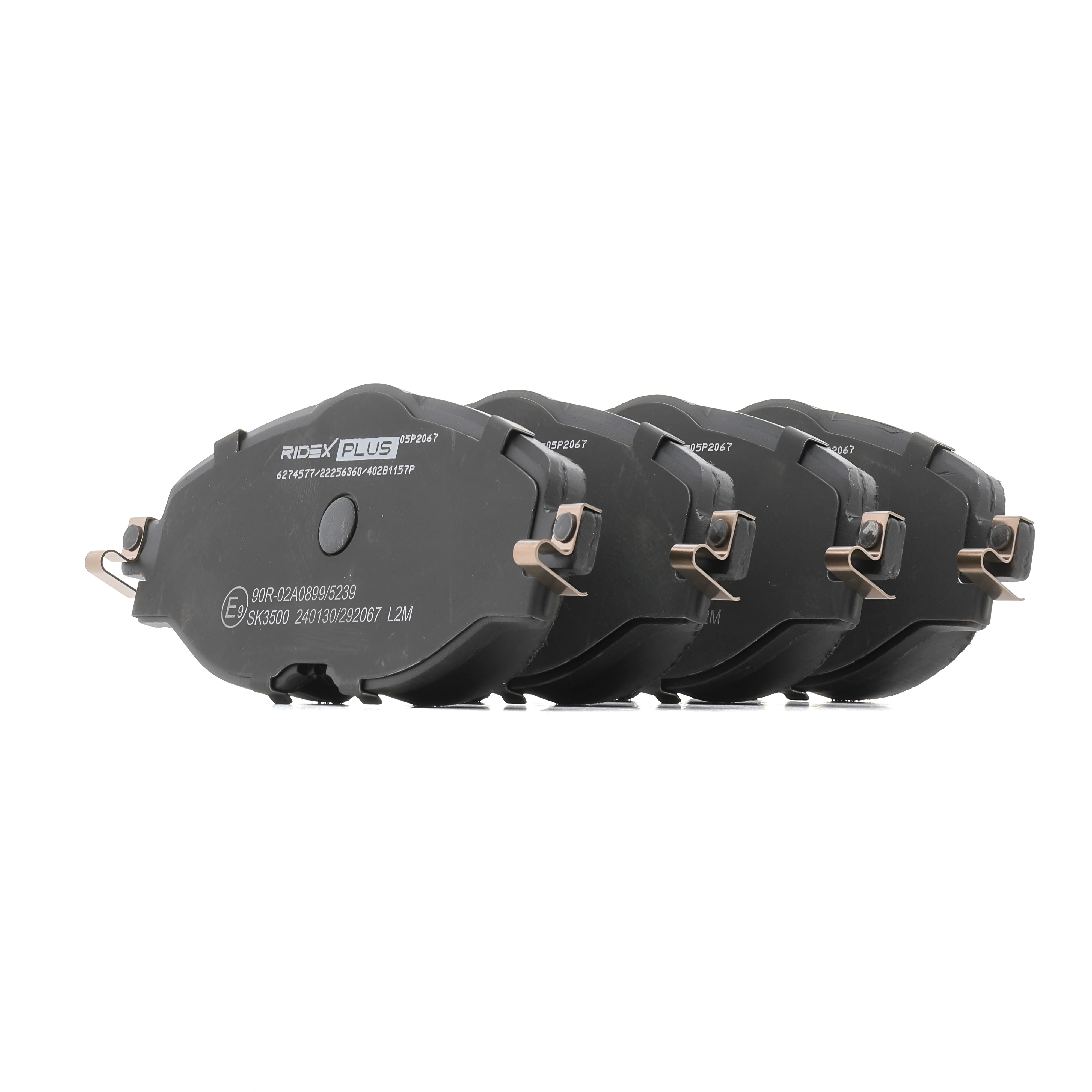
Brake Pads Rear 5Q0-698-451-AK
Over time, brake pads wear down due to constant friction. Signs of wear include squeaking or grinding noises, reduced stopping power, or vibrations when braking. Ignoring these symptoms can lead to more serious brake system issues and increased repair costs.
Choosing an OEM part with number 5Q0-698-451-AK guarantees quality and fitment that aftermarket options often compromise. This ensures the brake system integrates seamlessly, maintaining optimal braking performance and vehicle safety.
Dostępne w sklepach 25 ofert
Dopasowanie do pojazdu 65 pojazdów

Specyfikacja techniczna
| OEM Part Number | 5Q0-698-451-AK |
|---|---|
| Official Part Name | Brake Lining (Rear) |
| Axle Position | Rear |
| Brake System Type | Disc Brake |
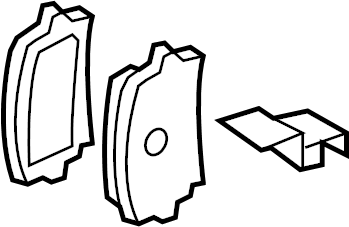
| Hardware Included | Yes — retaining clips included |
| Pad Material | Semi-metallic / ceramic composite (OEM specification) |
| Pad Dimensions | — |
| Quantity in Set | 1 set (both rear wheels) |
| Brand Group | Volkswagen Group (VAG) |
Jak wymienić Brake Pads Rear
Replacing rear brake pads on VAG-platform vehicles is a straightforward procedure but requires attention to torque specifications and piston retraction method. Unlike front calipers, many VW/Audi rear calipers use a screw-type (wind-back) piston that must be rotated clockwise while being compressed — not simply pushed in. Have the vehicle's service manual available for model-specific torque values before beginning.
-
Prepare the Vehicle
Park on a level surface, engage the parking brake, and place wheel chocks around the front wheels. Gather required tools: jack, jack stands, lug wrench, caliper wind-back tool, torque wrench, brake cleaner, and fresh brake fluid.
-
Remove the Wheel
Loosen the lug nuts slightly before lifting the vehicle. Raise the rear of the vehicle with a floor jack and secure it on rated jack stands. Remove the lug nuts fully and take off the wheel.
-
Remove the Brake Caliper
Remove the caliper guide pin bolts. Carefully slide the caliper assembly off the rotor and hang it from the suspension or chassis using a wire hook — never let it hang by the brake hose.
-
Remove Old Brake Pads and Clean the Carrier
Extract the old pads from the caliper carrier bracket. Remove any old clips. Clean the pad contact surfaces on the carrier using a wire brush and brake cleaner to remove rust and debris.
-
Retract the Rear Caliper Piston
Using a caliper wind-back tool, rotate the piston clockwise while applying inward pressure until it is fully retracted into the caliper bore. Do not attempt to press the piston straight in — rear pistons on these vehicles must be wound back.
-
Install New Pads and Hardware
Fit the new retaining clips included with the 5Q0698451AK set into the carrier bracket. Seat the new brake pads into the clips, ensuring they sit flush and move freely without binding.
-
Reinstall the Caliper and Wheel
Slide the caliper back over the new pads onto the rotor. Thread in the guide pin bolts by hand, then torque to the manufacturer's specification (refer to service manual). Reinstall the wheel and torque lug nuts in a star pattern to spec.
-
Bed-In and Post-Installation Check
Before driving, pump the brake pedal firmly several times until pedal feel is restored and firm. Check the brake fluid reservoir and top up if needed. Perform a controlled bed-in procedure — several moderate stops from 30 mph — to properly seat the new pads against the rotors.
Oznaki zużycia części
-
Squealing or Grinding Noises
High-pitched squealing during braking typically indicates worn pad material reaching the wear indicator. Grinding suggests metal-on-metal contact and immediate replacement is required.
-
Increased Stopping Distance
If the vehicle takes noticeably longer to stop than usual, reduced friction material thickness may be causing degraded braking force at the rear axle.
-
Brake Pedal Vibration or Pulsation
A pulsing sensation through the brake pedal under moderate to hard braking can indicate uneven pad wear, glazed pads, or accompanying rotor damage.
-
Brake Warning Light Illumination
Some VAG vehicles equipped with electronic wear sensors will trigger the brake warning light on the instrument cluster when rear pad thickness reaches the minimum threshold.
-
Vehicle Pulling to One Side
Uneven wear or a sticking rear caliper piston can cause the vehicle to drift left or right during braking, indicating one pad set is more worn or compressed than the other.
Częstotliwość wymiany
Volkswagen's official position is inspection-based rather than mileage-based for brake pad replacement. Always replace pads before friction material reaches the OEM minimum thickness limit. Rear pads on these platforms often outlast front pads due to brake bias distribution.
Najczęściej zadawane pytania
Will 5Q0698451AK fit my vehicle?
This part fits select VW and Audi models including the Jetta (without red caliper, without 4-link rear suspension), E-Golf (up to 11/30/2016), Taos, Audi S3 (up to 06/26/2017), and Audi TT Quattro (up to 11/06/2017). Fitment is configuration- and production-date-specific — always verify using your vehicle's VIN before ordering.
Does this set include all the hardware needed for installation?
Yes. The 5Q0698451AK set includes the retaining clips necessary for installation. You should not need to purchase additional hardware separately, though confirming clip condition on the caliper carrier is still recommended.
Do I need a special tool to install these rear brake pads?
Yes. The rear calipers on these VAG-platform vehicles use a screw-type (wind-back) piston that must be rotated clockwise while being compressed. A caliper wind-back tool is required — attempting to push the piston straight in without rotating it will damage the caliper seals.
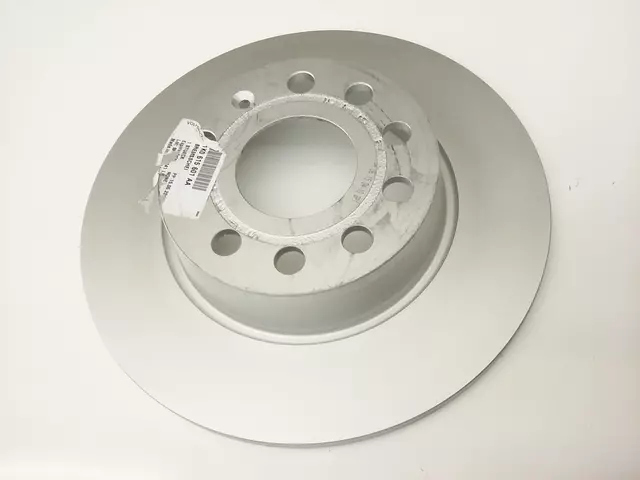
Should I replace rotors at the same time?
Not necessarily, but it is best practice to inspect rotor thickness and surface condition when replacing pads. If rotors show deep scoring, warping, or are below the minimum thickness specification, they should be replaced together to ensure proper pad seating and braking performance.
What older part numbers does 5Q0698451AK replace?
This part supersedes and replaces the following earlier OEM numbers: 5Q0-698-451-N, 8V0-698-451-B, and 5Q0-698-451-C. If you have one of these numbers on a previous invoice or parts catalogue, the AK suffix is the current equivalent.
Can I use an aftermarket brand instead of the genuine OEM part?
Yes. Reputable European brake suppliers such as Ate, Textar, and Pagid manufacture pads to OEM-equivalent specifications and are commonly used as factory-fill suppliers for VAG vehicles. The Ate equivalent is the top recommended alternative. Confirm the aftermarket part number maps correctly to your specific vehicle configuration before purchasing.
Znalazłeś błąd?
Pomóż nam się rozwijać — jeśli zauważyłeś błąd na stronie lub w danych, daj nam znać, a naprawimy go jak najszybciej.