
 PL
PL
 Deutsch
 English
 русский
 українська
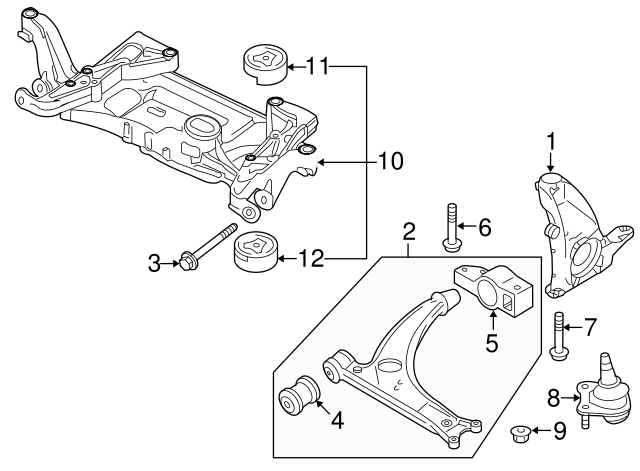
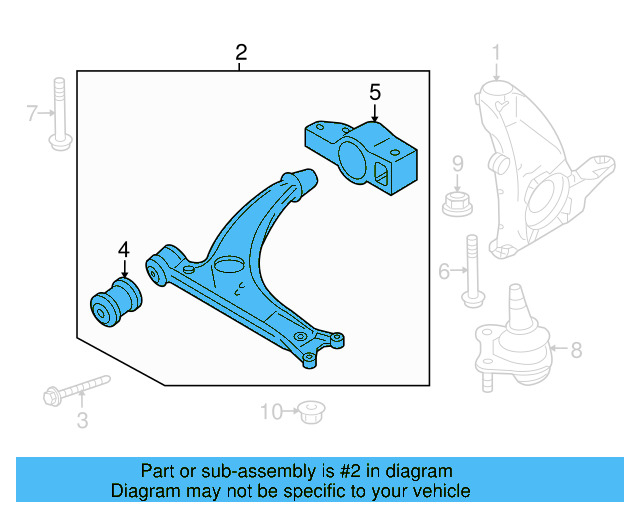
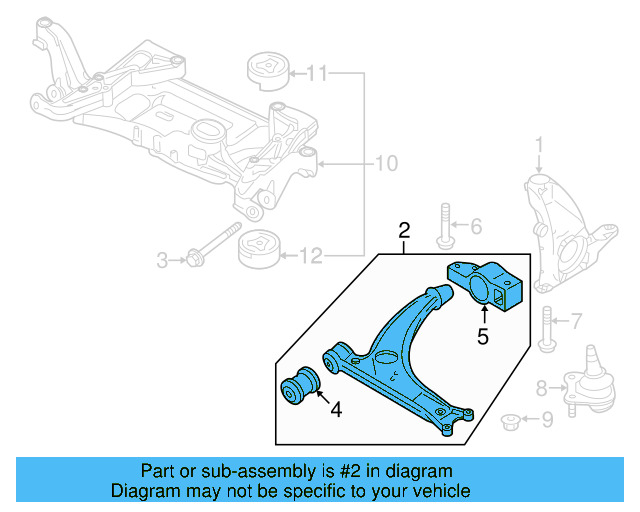
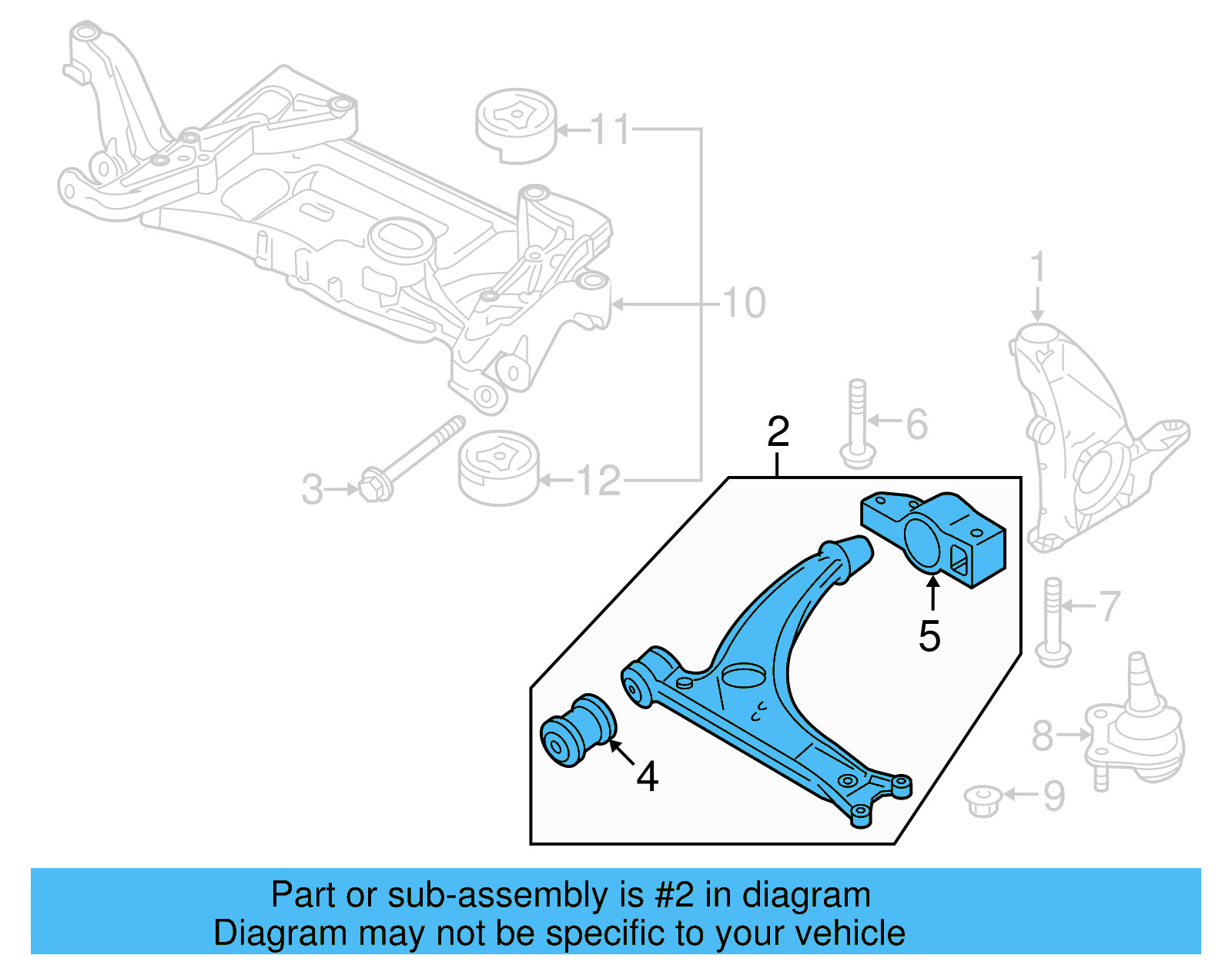
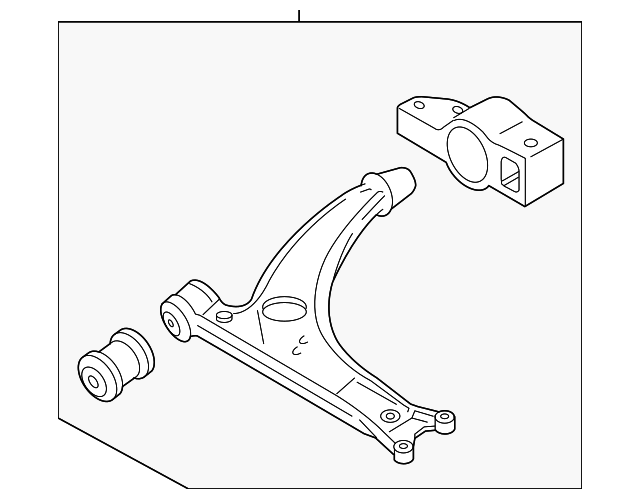
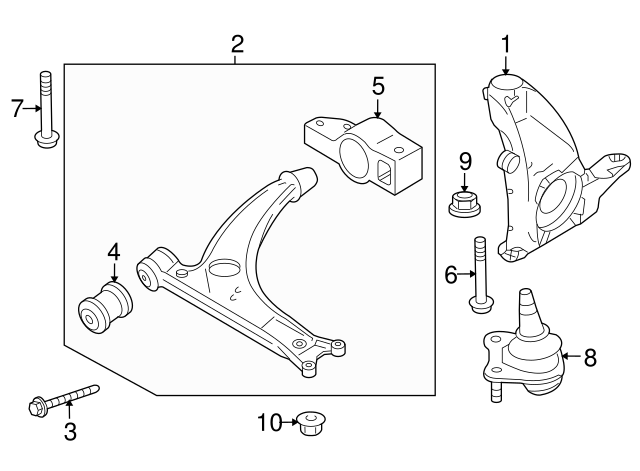
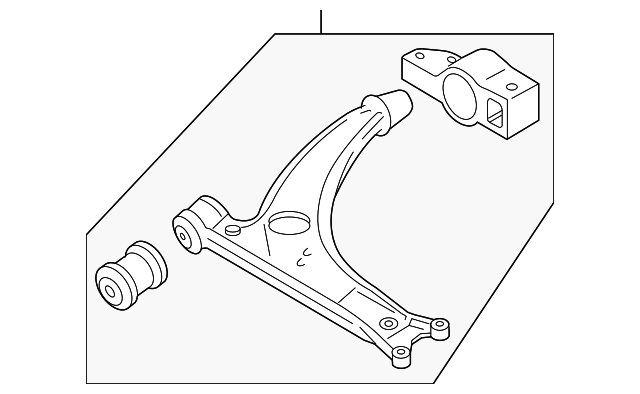
Lower Control Arm 5N0-407-152
Dostępne w sklepach 32 oferty
Dopasowanie do pojazdu 89 pojazdów
Specyfikacja techniczna
| OEM Part Number | 5N0 407 152 |
|---|---|
| Position | Front Right (Passenger Side, LHD) |
| Material | Steel |
| Weight | 8.20 lbs (3.72 kg) |
| Bushings Included | Yes — pre-installed |
| Drive Type Restriction | Front-Wheel Drive only — not for AWD models |
| Engine Application | 2.0L L4 1984cc |
| Length | — |
| Width | — |
| Height | — |
Jak wymienić Lower Control Arm
Replacing the front right lower control arm on a Volkswagen Tiguan or CC is a straightforward job for an experienced DIYer or technician. Always work on a level surface with the vehicle securely supported on jack stands, and consult the factory service manual for model-year-specific torque specifications. A wheel alignment is required after installation.
-
Prepare the Vehicle
Park on a level surface and engage the parking brake. Loosen the front right wheel lug nuts while the vehicle is still on the ground. Raise the vehicle with a floor jack and secure it on jack stands rated for the vehicle weight. Remove the front right wheel.
-
Disconnect the Sway Bar Link
Locate the sway bar end link where it attaches to the control arm. Remove the retaining nut and separate the link from the arm. Set the link aside; inspect it for wear while it is accessible.
-
Separate the Ball Joint from the Steering Knuckle
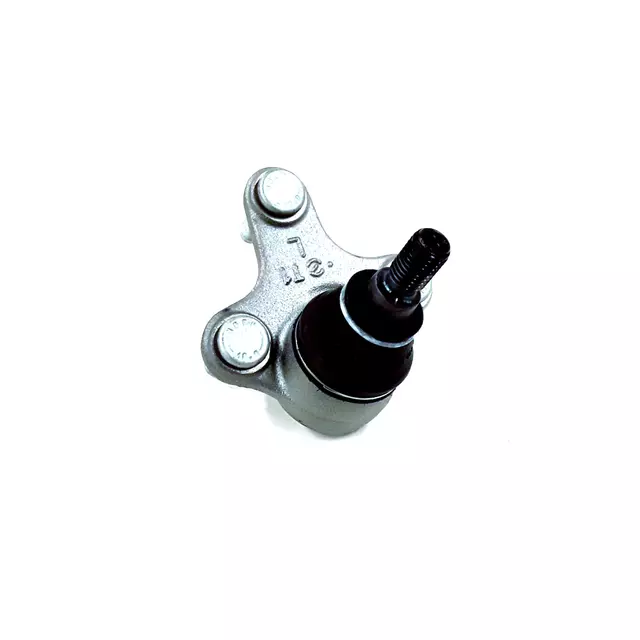
Remove the ball joint pinch bolt or castellated nut securing the control arm ball joint to the steering knuckle. Use a ball joint separator or press tool if needed. Do not strike the knuckle casting with a hammer to avoid cracking.
-
Remove the Subframe Mounting Bolts
Detach the control arm from the subframe by removing the front and rear mounting bolts. Note the position of any eccentric bolts or alignment cams — these affect wheel alignment and should be marked before removal.
-
Remove the Old Control Arm
With all fasteners removed, maneuver the old control arm out of the vehicle. Compare it side-by-side with the new 5N0407152 to confirm the bushing positions, ball joint location, and overall geometry match.
-
Install the New Control Arm
Position the new arm and hand-thread all subframe mounting bolts first. Insert the ball joint into the steering knuckle and tighten the pinch bolt or nut to the torque value specified in the service manual for your model year. Reattach the sway bar end link.
-
Final Torque and Reassembly
Tighten all subframe bolts to specification with the suspension at ride height (simulate by placing a jack under the lower arm) to avoid pre-loading the bushings in a stressed position. Reinstall the wheel and torque the lug nuts to spec.
-
Lower Vehicle and Schedule Alignment
Lower the vehicle and perform a final torque check on all fasteners. Drive the vehicle immediately to a wheel alignment shop — replacing a lower control arm changes front-end alignment angles and an alignment is required to prevent uneven tire wear and restore proper handling.
Oznaki zużycia części
-
Clunking or Knocking Noise
A worn control arm bushing or loose ball joint produces a clunking or knocking sound from the front suspension, most noticeable over bumps, potholes, or during low-speed parking maneuvers.
-
Steering Pull or Wander
A failed bushing or bent arm shifts front-end alignment angles, causing the vehicle to pull to one side or feel vague and unstable at highway speeds.
-
Vibration Through the Steering Wheel
Excessive play in a worn ball joint or collapsed bushing can transmit road vibrations directly through the steering column, felt as a shimmy or buzz in the steering wheel.
-
Uneven or Rapid Tire Wear
A compromised lower control arm alters camber and toe alignment, leading to abnormal wear patterns — typically excessive inner or outer edge wear — on the front tires.
-
Loose or Wandering Steering Feel
Worn bushings allow the control arm to shift under cornering loads, producing a vague or unpredictable steering response when changing lanes or navigating curves.
-
Visible Bushing Damage or Arm Deformation
During inspection, cracked, torn, or extruded rubber bushings, or any visible bend or crack in the arm itself, are direct indicators that the control arm must be replaced immediately.
Częstotliwość wymiany
Volkswagen does not specify a mileage-based replacement interval for this control arm. Replace immediately upon discovery of cracked or collapsed bushings, torn ball joint boots, grease leakage, or any measurable play in the ball joint. Average service life under normal conditions is typically 80,000–150,000 miles, but road conditions and environment heavily influence longevity.
Najczęściej zadawane pytania
Is this the left or right control arm?
The 5N0407152 is the front RIGHT (passenger side on left-hand drive vehicles) lower control arm. The front LEFT lower control arm carries a different part number. Always verify side before ordering.
Does this part fit AWD (4Motion) Tiguan models?
No. Based on available fitment data, this part is compatible with front-wheel drive (FWD) Tiguan models only. AWD (4Motion) Tiguans use a different control arm configuration. Confirm your drivetrain before purchasing.
Does the 5N0407152 come with bushings already installed?
Yes. The OEM part and its direct equivalents (including LEMFOERDER) come with bushings pre-installed. You do not need to purchase or press in separate bushings.
Do I need a wheel alignment after replacing this control arm?
Yes — a four-wheel alignment is required after any lower control arm replacement. The arm directly affects camber and toe settings, and driving without an alignment will cause rapid, uneven tire wear and poor handling.
Which aftermarket brand is the best alternative to the OEM part?
LEMFOERDER is the recommended aftermarket choice. LEMFOERDER is a Tier-1 OEM supplier to the Volkswagen Group, meaning they manufacture components to the same specifications as the original part. Their 5N0 407 152 matches the OEM weight and material.
What years and models does the 5N0407152 fit?
This part fits the Volkswagen Tiguan (2009–2017, FWD, 2.0L L4, from November 2009 production), Volkswagen Tiguan Limited (2017–2018, 2.0L L4), and Volkswagen CC (2011–2014, 2.0L L4). Always verify fitment using your VIN for production-date-specific compatibility.
Znalazłeś błąd?
Pomóż nam się rozwijać — jeśli zauważyłeś błąd na stronie lub w danych, daj nam znać, a naprawimy go jak najszybciej.