 PL
PL
 Deutsch
 English
 русский
 українська
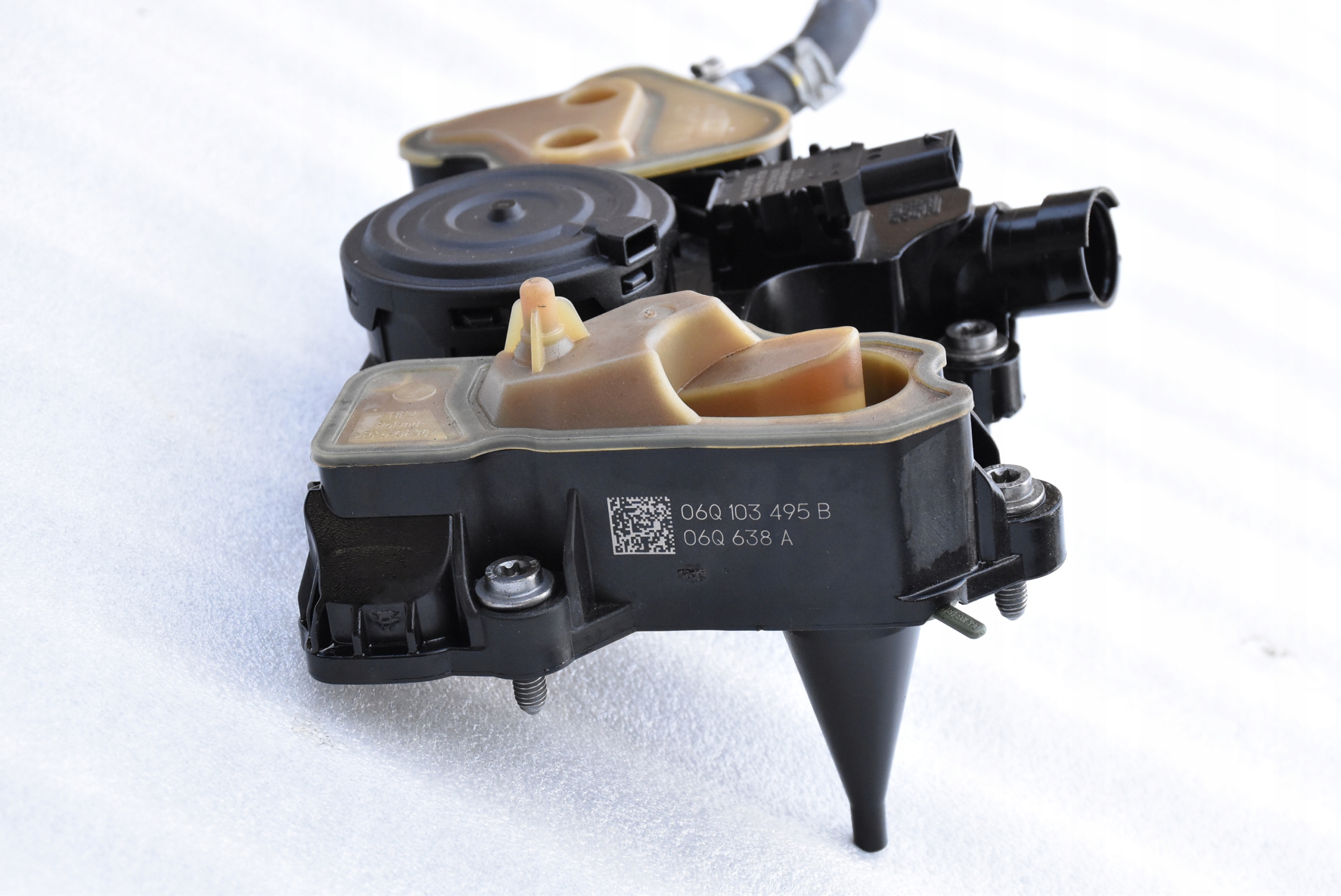
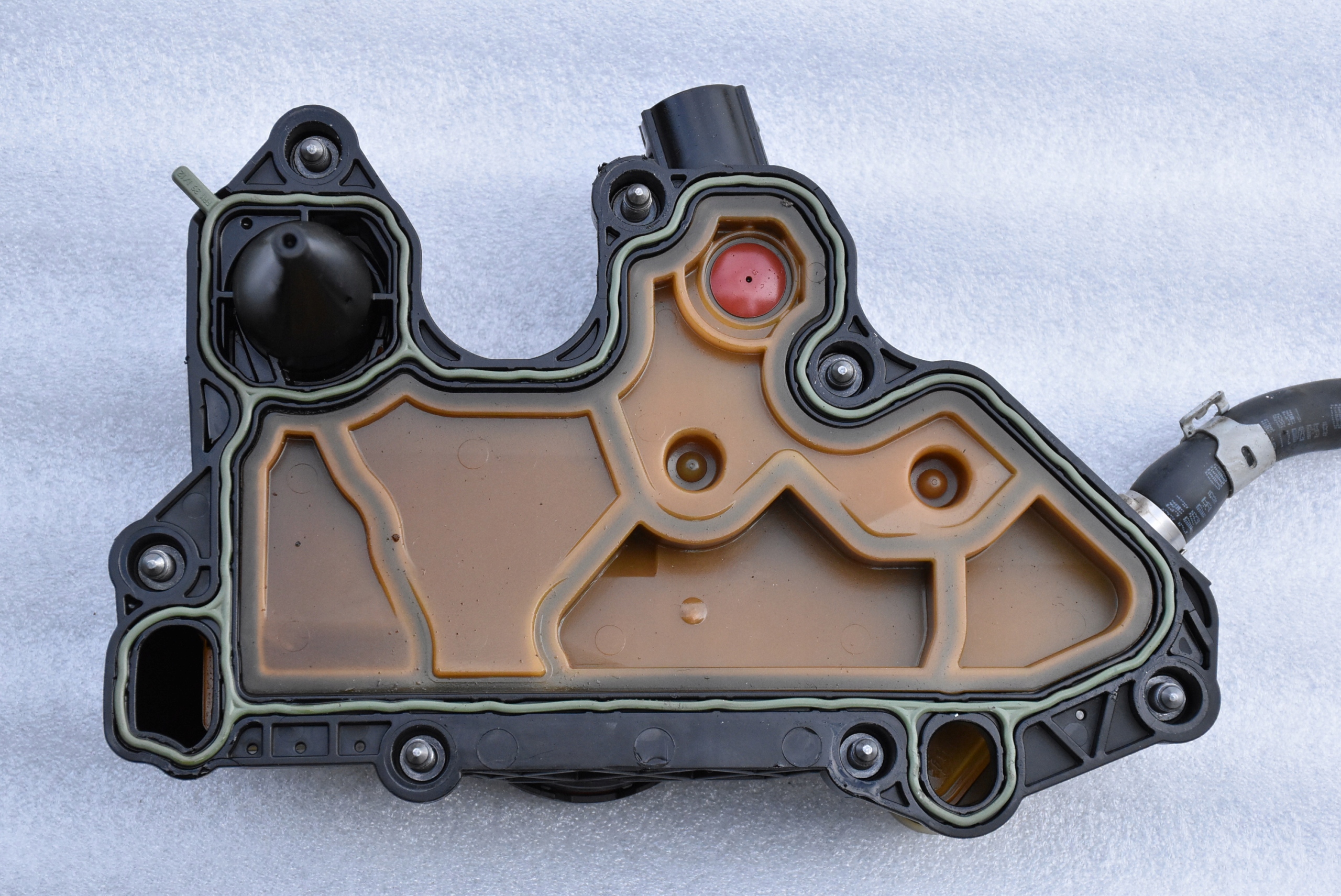
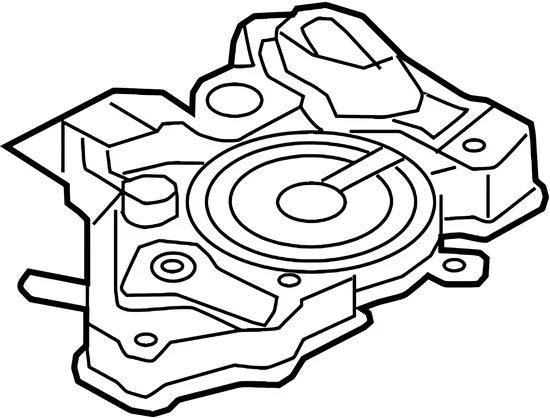
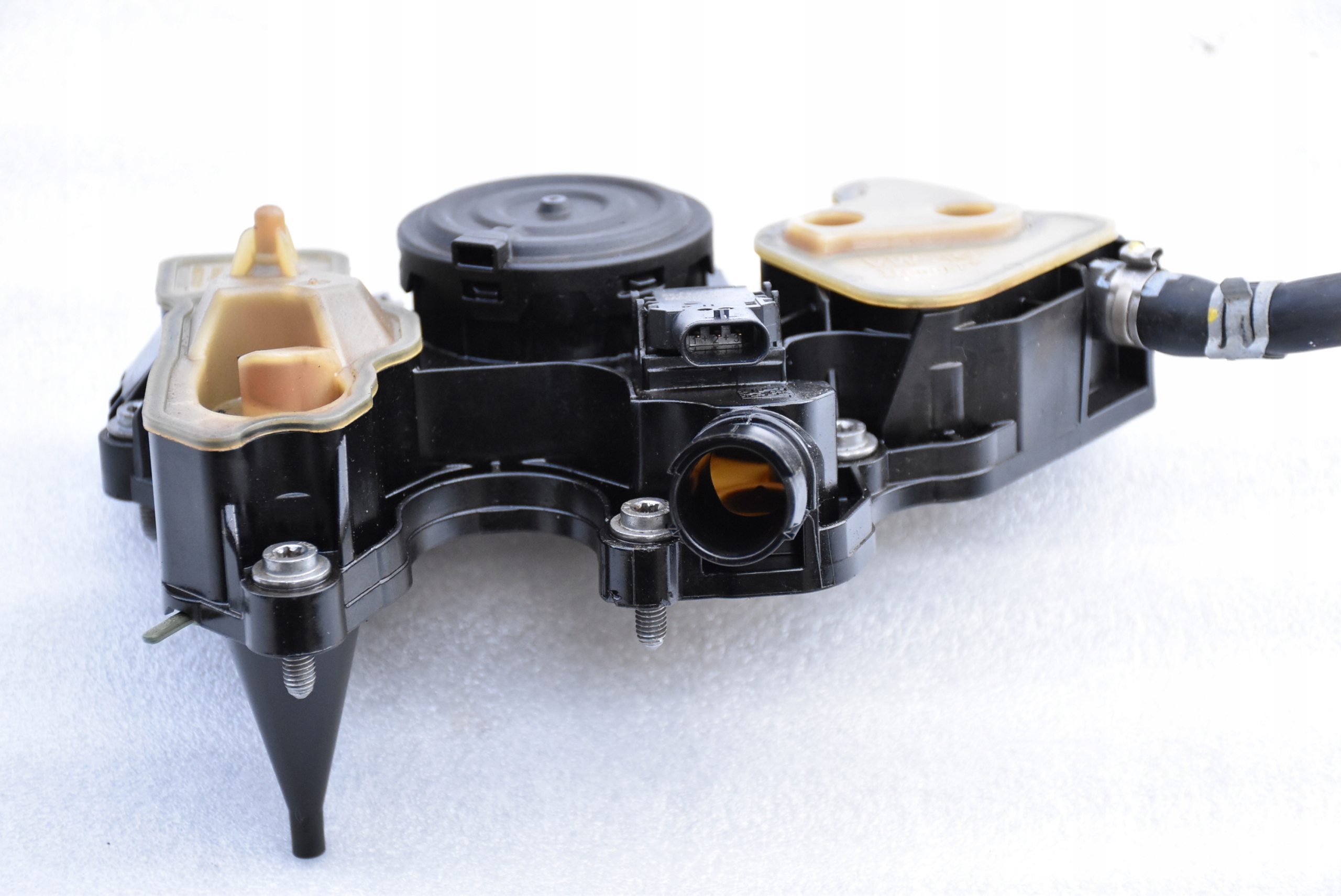
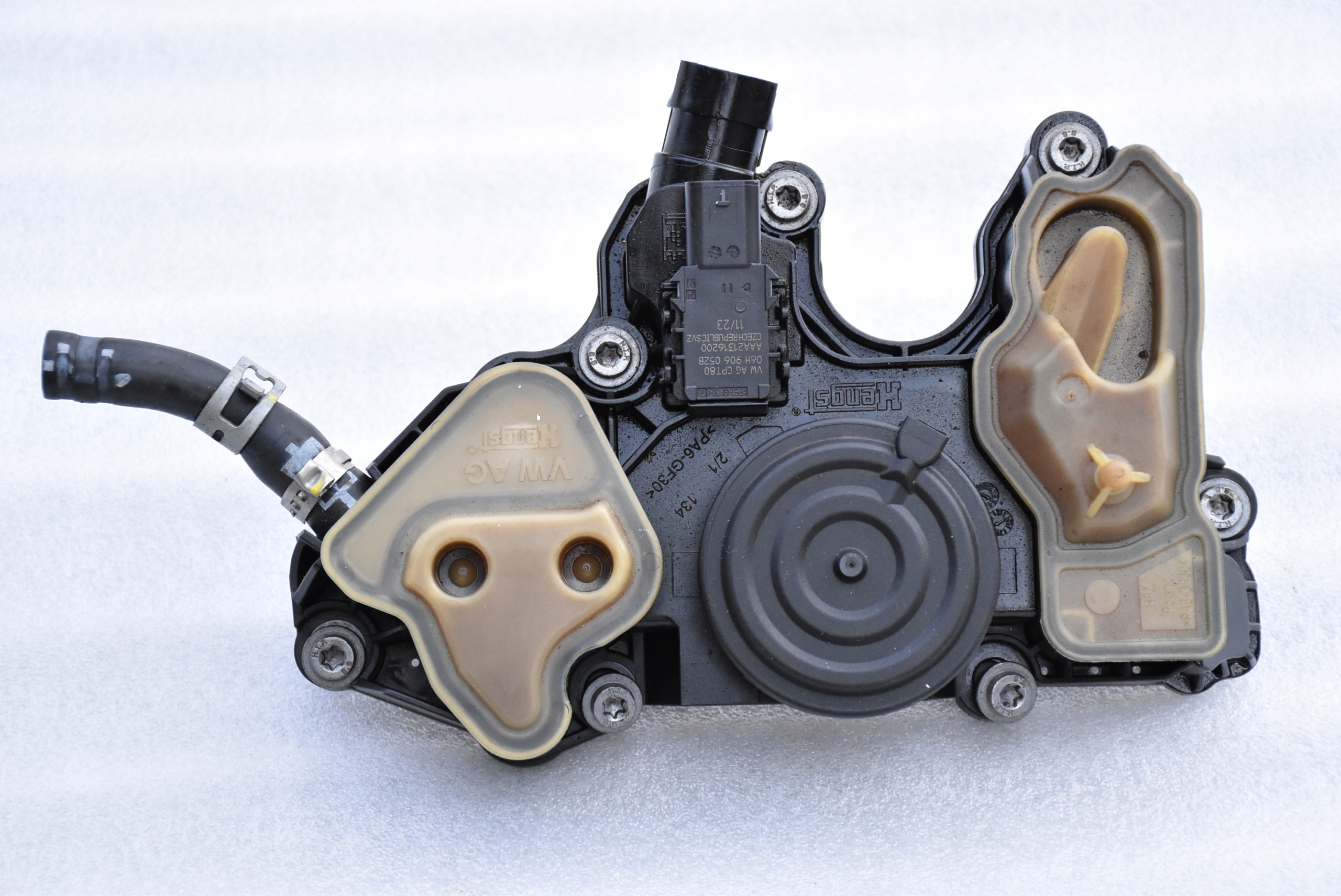
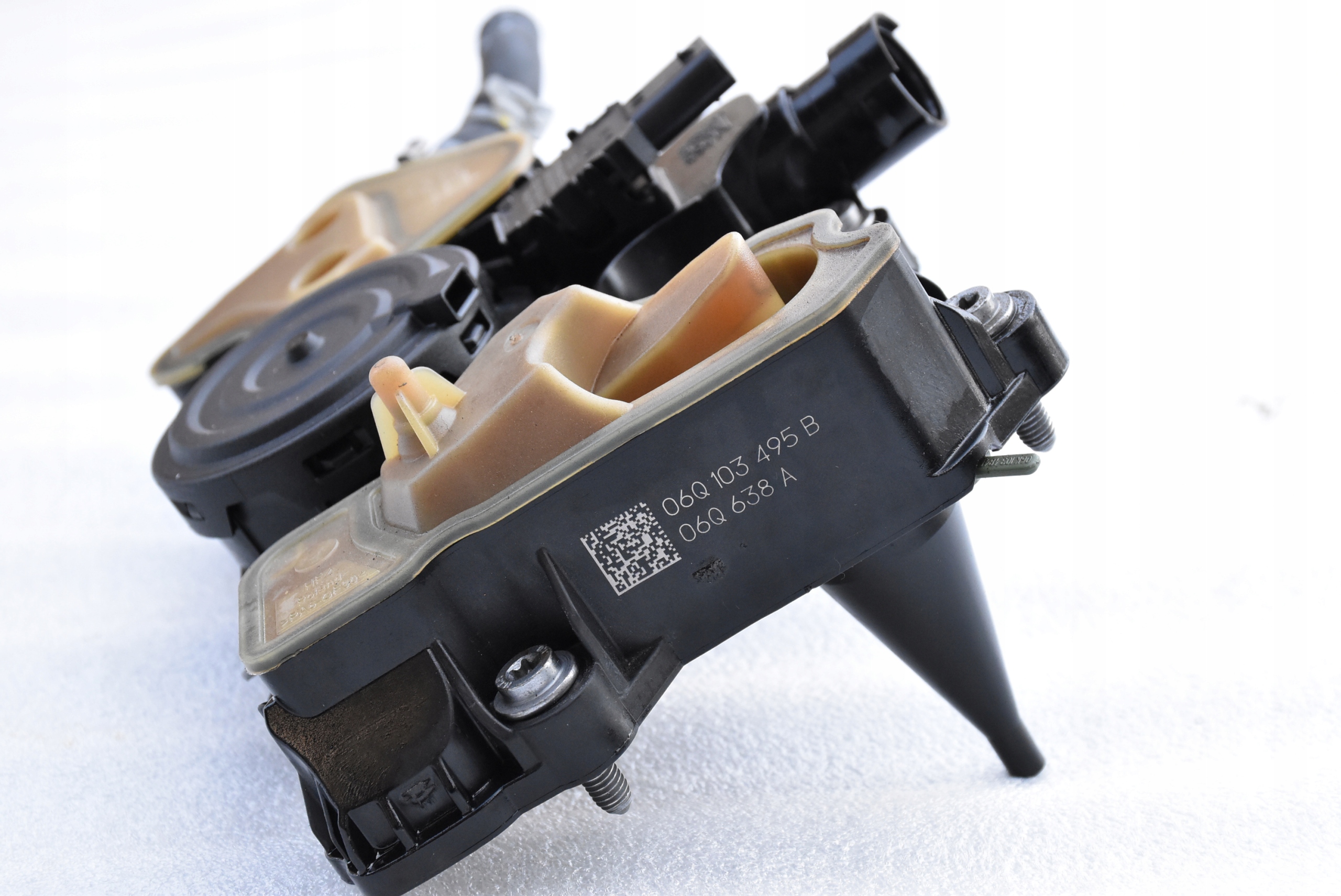
Oil/Air Separator 06Q-103-495-B
Neglecting the oil/air separator can lead to oil buildup in the intake system, resulting in reduced engine performance and increased emissions. Symptoms of a failing separator may include rough idling, oil leaks, or a noticeable decrease in fuel economy, indicating that it's time for a replacement.
Choosing this OEM oil/air separator with part number 06Q-103-495-B ensures the right fit and functionality needed for effective engine operation. By opting for this original component, it helps maintain the integrity of the engine's air management system, reducing the risk of future complications.
Dostępne w sklepach 23 oferty
Dopasowanie do pojazdu 49 pojazdów

Specyfikacja techniczna
| OEM Part Number | 06Q103495B |
|---|---|
| Superseded By | 06Q103495G |
| Part Type | Oil/Air Separator (PCV Valve) |
| Official OEM Name | Separator |
| Material | Plastic and metal composite construction |
| Function | Separates oil vapors from crankcase blow-by gases |
| Compatible Engine Codes | DMSA, DPAA, CZRA, DSPA, DHHA, DSNA, DSFA |
| Thread Size | — |
| Dimensions | — |
| Brand Group | Volkswagen Group (VAG) |
Jak wymienić Oil/Air Separator
Replacing the oil/air separator on VAG 2.0T engines is a moderate DIY task that requires basic hand tools and careful hose management. Always allow the engine to cool completely before beginning. Refer to your vehicle's factory service manual for torque specifications and engine-specific routing diagrams.
-
Prepare the Vehicle
Park on a level surface, turn off the engine, and allow it to cool completely. Disconnect the negative battery terminal to eliminate electrical hazards before working near the intake system.
-
Access the Engine Bay
Remove any engine covers or intake ducting that obstructs access to the oil/air separator. On most VAG 2.0T applications, the separator is located on or near the valve cover toward the rear of the engine.
-
Label and Disconnect Hoses
Photograph or label all vacuum and crankcase ventilation hoses connected to the separator before removal. Carefully release each hose clamp and disconnect the hoses, noting their routing for reinstallation.
-
Remove the Separator
Unscrew or unclip the oil/air separator from its mounting location. Some units are bolted to the valve cover while others snap into place. Remove the unit carefully to avoid damaging surrounding components.
-
Inspect Hoses and Mating Surfaces
Before installing the new part, inspect all connected hoses for cracks, hardening, or oil saturation. Clean the mating surfaces to ensure a leak-free seal with the new separator.
-
Install the New Separator
Position the new 06Q103495B separator and secure it per the factory method (bolt or clip). Reconnect all hoses in the correct orientation as noted during disassembly. Ensure all clamps are properly seated.
-
Reassemble and Test
Reinstall all engine covers and intake ducting. Reconnect the negative battery terminal. Start the engine and allow it to reach operating temperature. Check for vacuum leaks, abnormal idle, or oil seepage around the new separator.
Oznaki zużycia części
-
Increased Oil Consumption
A failed separator allows oil mist to pass into the intake manifold and be burned in combustion, causing noticeable drops in oil level between service intervals.
-
Engine Oil Leaks
A clogged or failed oil/air separator can cause excessive crankcase pressure to build up, forcing oil past gaskets and seals and resulting in external oil leaks.
-
Poor Engine Performance
Unmetered air entering the intake system through a failed separator or cracked PCV hose can cause rough idle, hesitation, or reduced power output.
-
Check Engine Light
Faults related to crankcase ventilation leaks or improper fuel trim corrections caused by oil vapor ingestion can trigger diagnostic trouble codes and illuminate the CEL.
-
Blue or White Smoke from Exhaust
When oil is drawn into the combustion chamber due to a failed separator, it burns and can produce bluish or white smoke, especially during cold starts or acceleration.
Częstotliwość wymiany
No official fixed replacement interval is published by Volkswagen for part number 06Q103495B. Many owners and VAG specialists recommend proactive inspection or replacement around 60,000–80,000 miles on high-mileage vehicles, or whenever PCV-related symptoms appear.
Najczęściej zadawane pytania
What is the difference between 06Q103495B and 06Q103495G?
06Q103495G is the factory supersession of 06Q103495B, meaning Volkswagen released an updated version. The newer -G suffix part is the preferred replacement and may incorporate design improvements. Always confirm the latest available part number with your dealer or supplier before ordering.
Is this part compatible with Audi and Porsche vehicles?
Yes, the 06Q103495B is used across the Volkswagen Group platform. Confirmed fitment includes Audi S3 (2.0L) and reported compatibility with Porsche Cayenne and Macan variants. Always verify against your specific vehicle's VIN and engine code before purchasing.
Can I replace this part myself, or do I need a mechanic?
This is a moderate DIY repair suitable for enthusiasts with basic mechanical experience and hand tools. The key challenge is correctly routing and reconnecting all crankcase ventilation hoses. Using a VAG-compatible scan tool to clear fault codes afterward is strongly recommended.
What engine codes is this separator compatible with?
Confirmed compatible engine codes include DMSA, DPAA, CZRA, DSPA, DHHA, DSNA, and DSFA. These are predominantly turbocharged four-cylinder engines found in late-model VW Arteon, Golf R, GTI, Passat, and Tiguan models. Always verify your specific engine code.
Will a failed oil/air separator damage my engine?
If left unaddressed, a failed separator can cause progressive damage. Excess crankcase pressure can blow out gaskets and seals, oil ingestion into the intake can foul the throttle body and intercooler, and unmetered air leaks can cause the engine to run lean, potentially causing long-term damage.
Are there quality aftermarket alternatives to the OEM part?
Yes. Suppliers such as MANN-FILTER, MAHLE, and Hengst produce OE-quality crankcase ventilation components for VAG applications. However, specific part numbers for this application were not confirmed in available research. It is recommended to cross-reference your engine code directly with the aftermarket supplier's catalog to confirm fitment.
Znalazłeś błąd?
Pomóż nam się rozwijać — jeśli zauważyłeś błąd na stronie lub w danych, daj nam znać, a naprawimy go jak najszybciej.