
 PL
PL
 Deutsch
 English
 русский
 українська
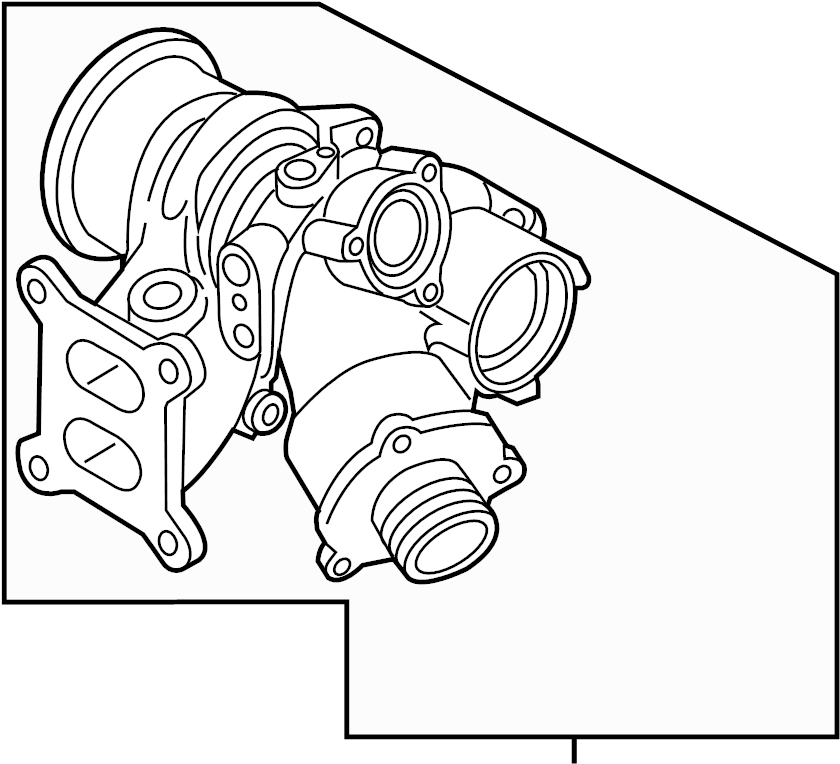
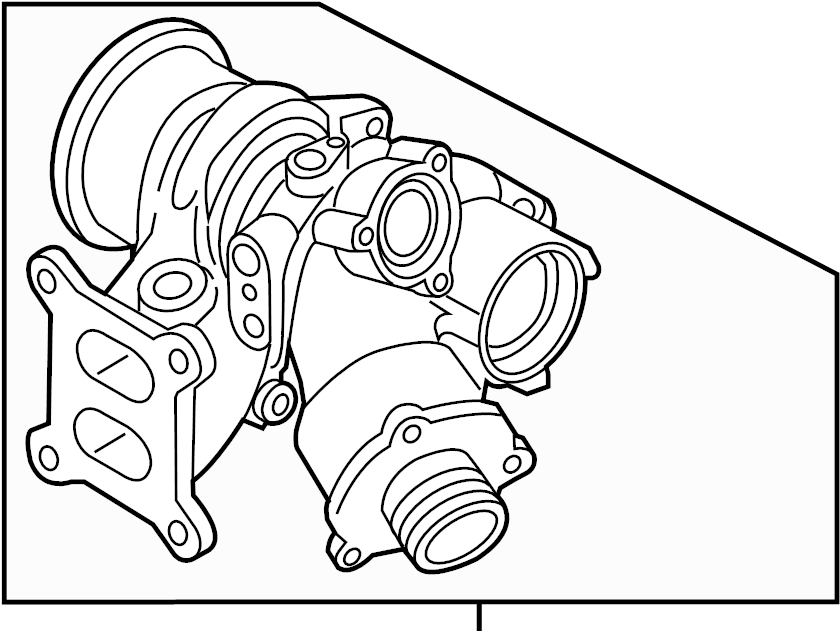
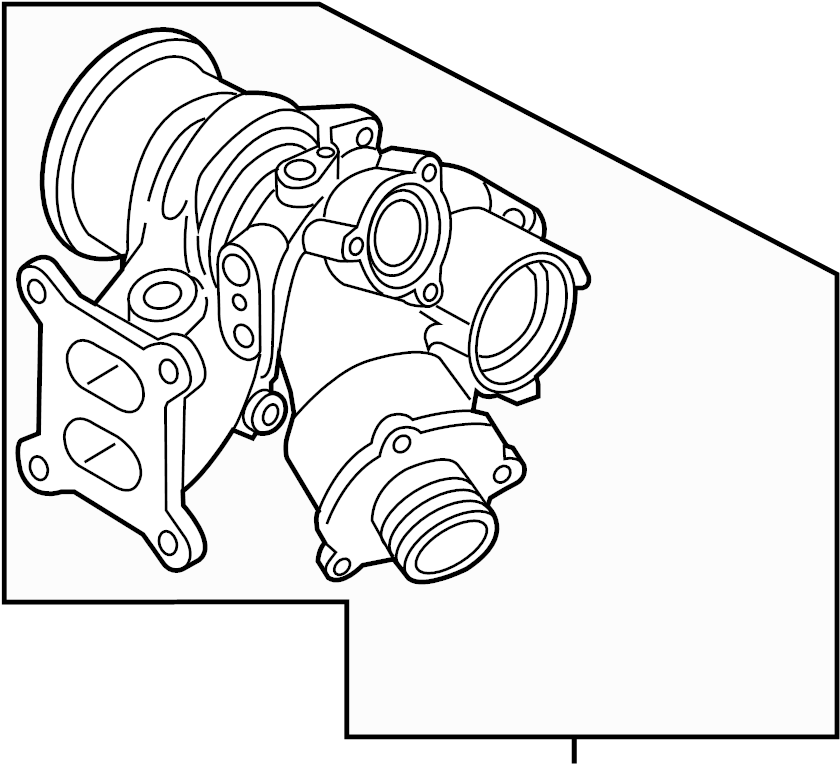
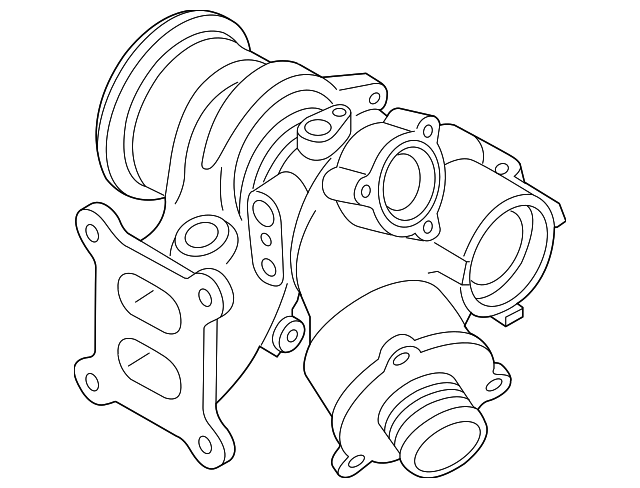
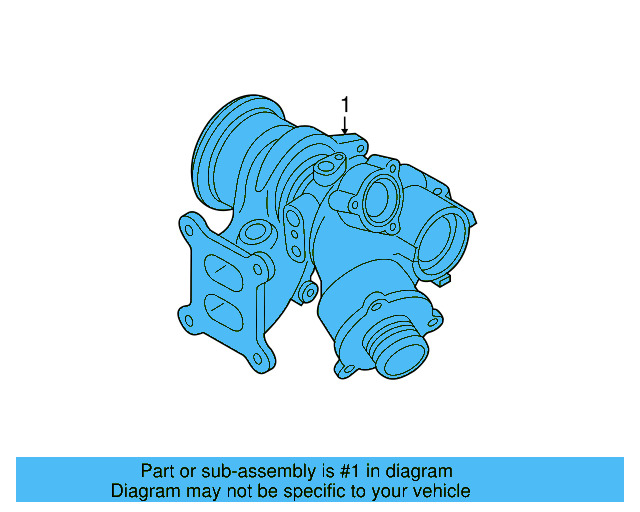
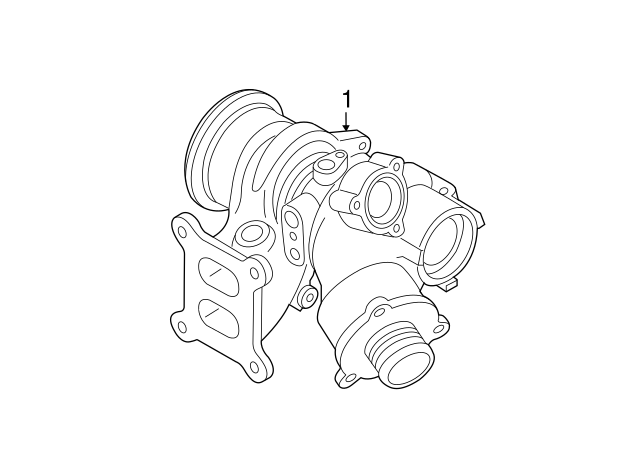
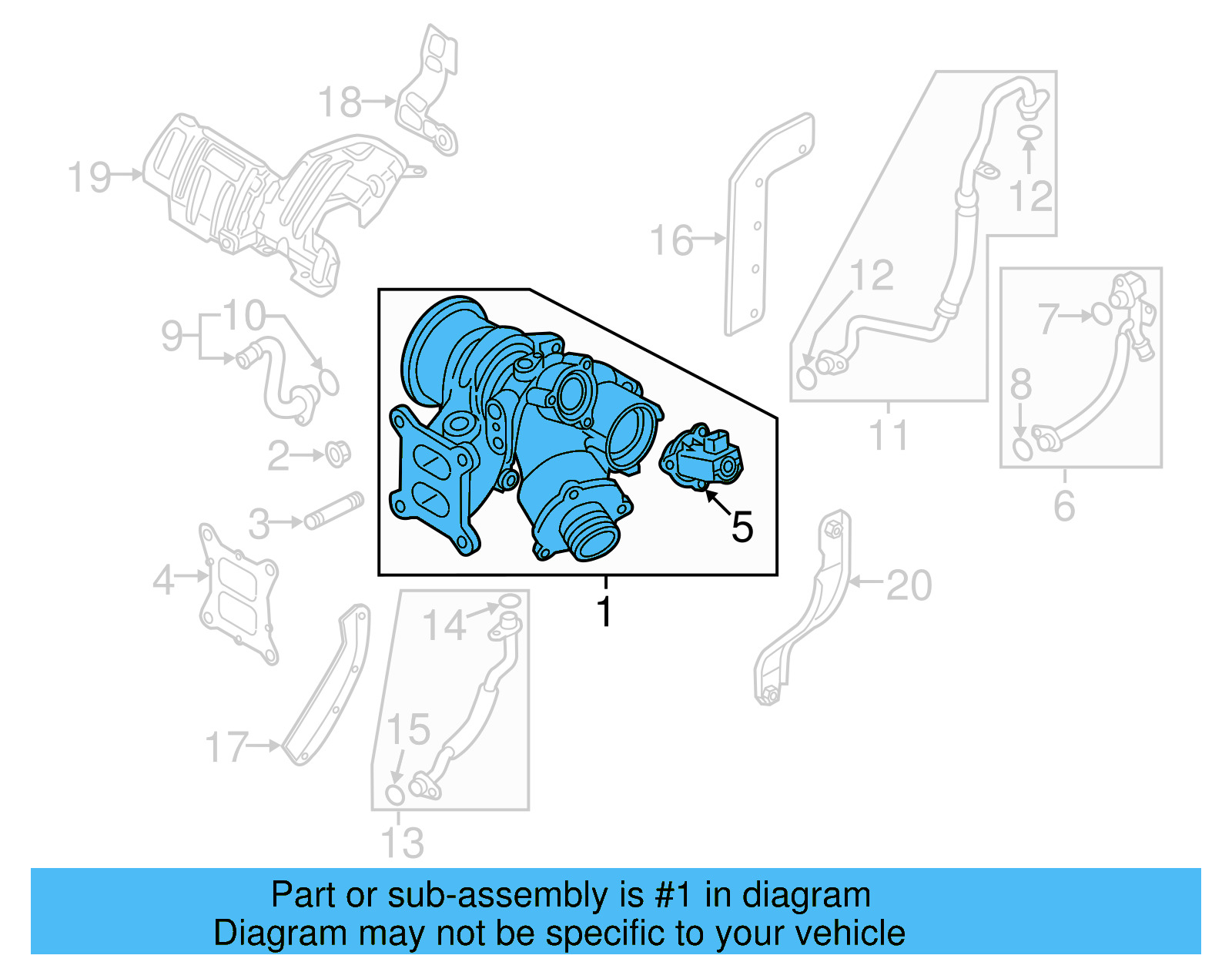
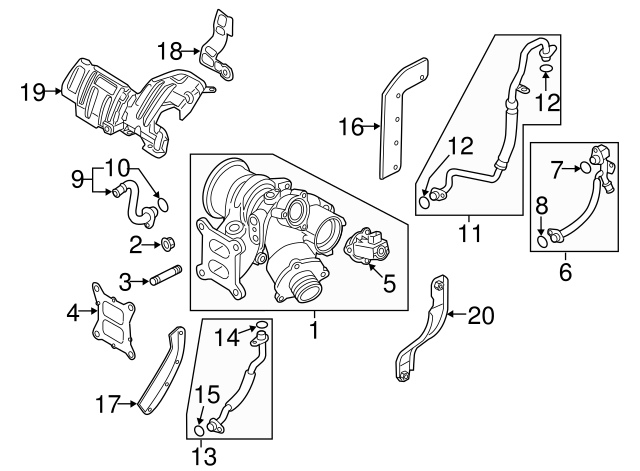
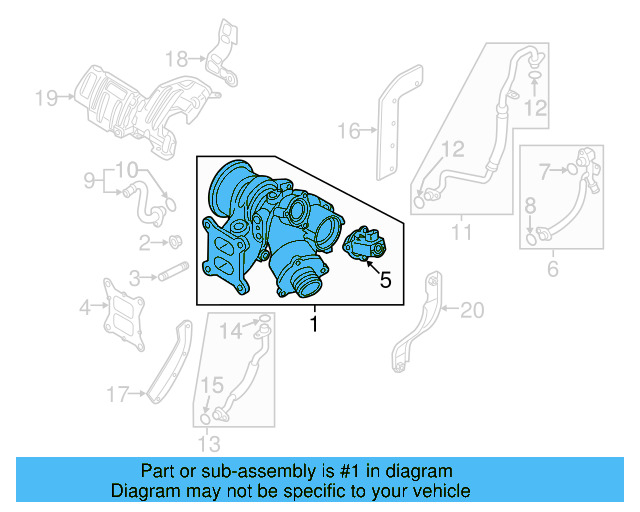
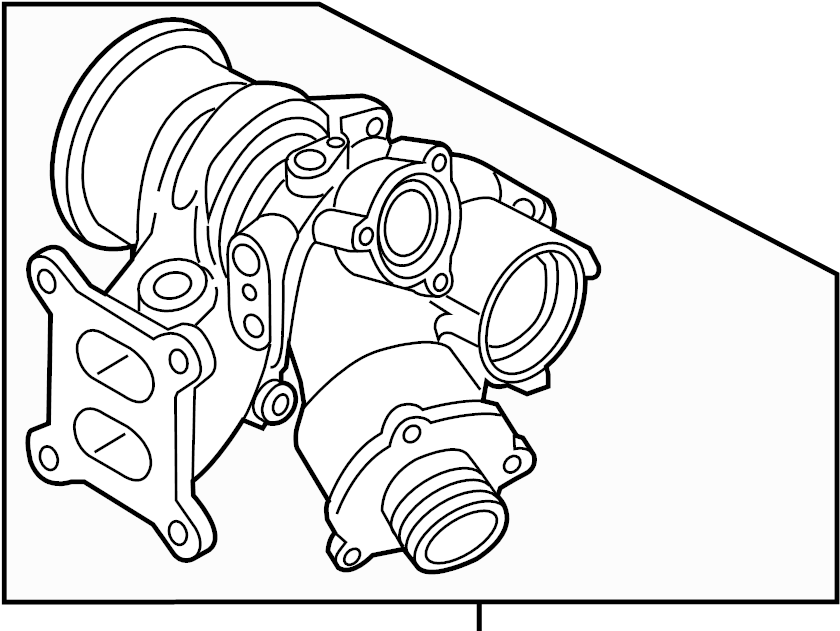
Turbocharger 06K-145-713-L
Dostępne w sklepach 7 ofert
Dopasowanie do pojazdu 35 pojazdów
Specyfikacja techniczna
| OEM Part Number | 06K145713L |
|---|---|
| Turbocharger Manufacturer | IHI |
| IHI Model Number | F41CEG-SR029B |
| Engine Displacement | 1.8L |
| Fuel Type | Gasoline |
| Compatible Brands | Volkswagen, Audi |
| Part Type | Exhaust Manifold Turbocharger (integrated) |
| Supersedes | 06K145713E, 06K145713F, 06K145713G, 06K145713H, 06K145713K, 06K145713KX |
| Overall Dimensions | — |
| Weight | — |
Jak wymienić Turbocharger
Replacing a turbocharger on a 1.8L VW Group engine is an involved procedure requiring proper tools, safety precautions, and access to a vehicle-specific service manual for torque values. The steps below outline the general process; always consult the official VW/Audi workshop manual and consider having the work performed by a certified technician.
-
Preparation and Safety
Allow the engine to cool completely before beginning work. Disconnect the negative battery terminal and place the vehicle on secure jack stands. Gather necessary tools including socket sets, torque wrench, and drain pans.
-
Drain Engine Oil
Drain the engine oil into a suitable container and remove the oil filter. Fresh oil and a new filter must be installed after the turbo replacement to prevent contamination of the new unit.
-
Disconnect Intake and Charge Pipes
Loosen clamps and disconnect the intake air duct, intercooler charge pipes, and any vacuum or boost pressure lines connected to the turbocharger. Label hoses for correct reassembly.
-
Remove Oil Feed and Return Lines
Disconnect the turbocharger oil feed line and oil return line. Plug or cap these lines immediately to prevent oil spillage and contamination. Inspect lines for cracks or blockage before reuse.
-
Disconnect Exhaust Connections
Remove the exhaust downpipe from the turbocharger outlet. On this integrated exhaust manifold-turbocharger assembly, unbolt the unit from the cylinder head. Remove all mounting hardware and retain hardware in order.
-
Remove the Turbocharger Assembly
Carefully extract the exhaust manifold turbocharger assembly from the engine bay. Take care not to damage surrounding sensors, wiring harnesses, or coolant lines during removal.
-
Install New Turbocharger
Transfer any reusable brackets or heat shields to the new unit. Install new gaskets as required. Mount the new 06K145713L assembly onto the cylinder head, reconnect all oil, coolant, intake, and exhaust connections. Torque all fasteners to manufacturer specifications per the workshop manual.
-
Prime and Start
Fill with fresh engine oil. Before starting, crank the engine without ignition for several seconds to pre-lubricate the turbocharger bearings. Start the engine, allow it to idle, and inspect for leaks. Check for fault codes using a diagnostic scan tool.
Oznaki zużycia części
-
Loss of Engine Power
A failing turbocharger produces less boost pressure, resulting in noticeably reduced acceleration and overall engine performance, especially under load.
-
Unusual Whining or Grinding Noise
Worn turbocharger bearings or a damaged compressor/turbine wheel often produce a high-pitched whine or grinding sound that increases with engine RPM.
-
Excessive Exhaust Smoke
Blue or black smoke from the exhaust can indicate oil leaking past turbocharger seals into the exhaust stream, a common sign of internal seal failure.
-
Increased Oil Consumption
If the turbocharger's internal seals are failing, engine oil is burned through the turbine or compressor side, leading to unexplained oil level drops between changes.
-
Check Engine Light Illuminated
Turbocharger faults, boost pressure deviations, or wastegate issues will trigger stored diagnostic trouble codes and illuminate the check engine light on the instrument cluster.
Częstotliwość wymiany
Turbocharger longevity is directly tied to engine oil change discipline. Maintaining oil changes at or before the factory-recommended interval with a VW-approved specification oil (e.g., VW 502 00) is the single most effective way to extend turbocharger life.
Najczęściej zadawane pytania
Is 06K145713L the correct and latest part number for my 2016 Audi A3 1.8T?
Yes. The 06K145713L is the current and final supersession for the 06K145713 family of turbochargers used on 1.8L VW Group engines, including the 2015–2016 Audi A3. It replaces all earlier revisions from 06K145713E through 06K145713K.
Can I use an older revision like 06K145713H or 06K145713K instead?
Yes, earlier revisions are cross-compatible and were used on the same vehicles. However, 06K145713L is the latest engineering revision and is the preferred replacement. Sourcing an older revision is acceptable if 06K145713L is unavailable, but verify the revision is confirmed compatible with your specific engine code.
Does this turbocharger come with a gasket kit or oil lines?
OEM dealer-supplied units typically include the turbocharger assembly only. Gaskets, oil feed line seals, and oil return line gaskets are usually sold separately. Always request a gasket kit or install new seals at the time of replacement to prevent leaks.
Can I install this turbocharger myself, or do I need a professional?
Turbocharger replacement on this integrated exhaust manifold-turbo assembly is a complex job requiring significant mechanical experience, proper torque equipment, and access to a VAG workshop manual for torque specifications. It is strongly recommended to have the work performed by a certified VW or Audi technician if you are not experienced with this type of repair.
Will an aftermarket turbocharger from Trio Automotive or similar brands work as well as OEM?
Reputable aftermarket units designed as direct replacements can function adequately, but OEM or genuine IHI-sourced units are manufactured to the tightest tolerances and are the safest choice for longevity. If cost is a factor, ensure any aftermarket unit explicitly lists 06K145713L or its superseded equivalents in its compatibility data.
What engine oil specification should I use after replacing this turbocharger?
Volkswagen specifies oil meeting VW 502 00 standard for 1.8L turbocharged gasoline engines. Using the correct specification low-ash, full-synthetic oil and adhering strictly to oil change intervals is critical to protecting the new turbocharger's bearings and seals.
Znalazłeś błąd?
Pomóż nam się rozwijać — jeśli zauważyłeś błąd na stronie lub w danych, daj nam znać, a naprawimy go jak najszybciej.