
 UK
UK
 Deutsch
 English
 polski
 русский
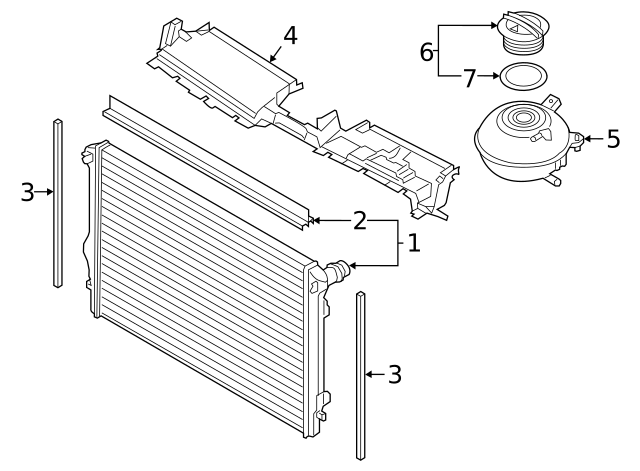
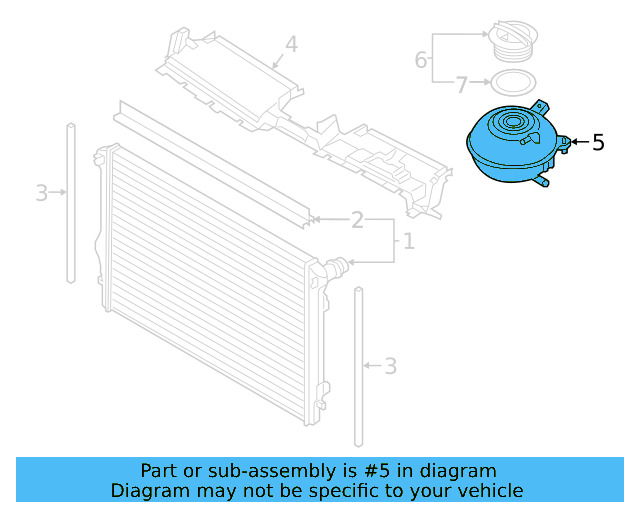
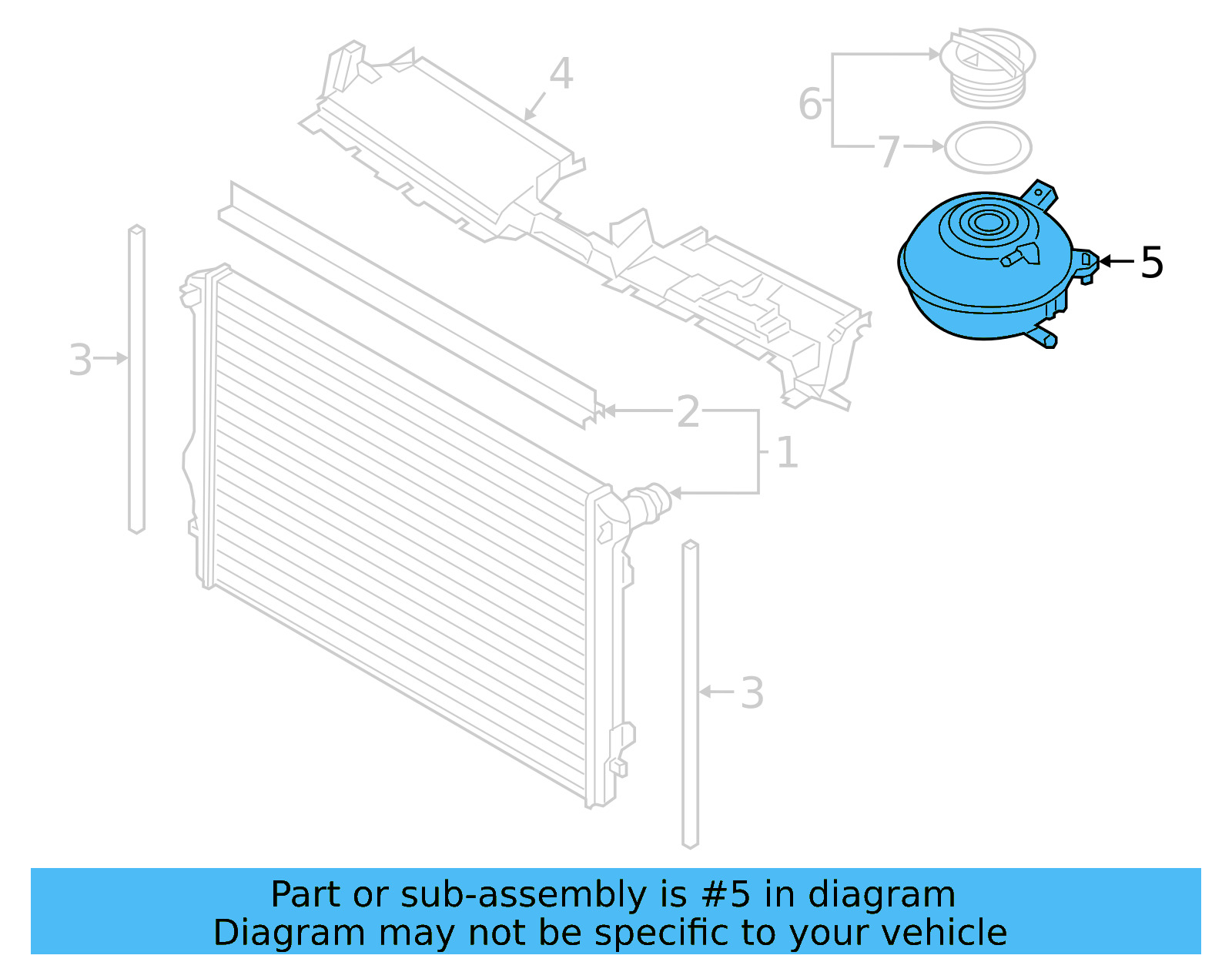
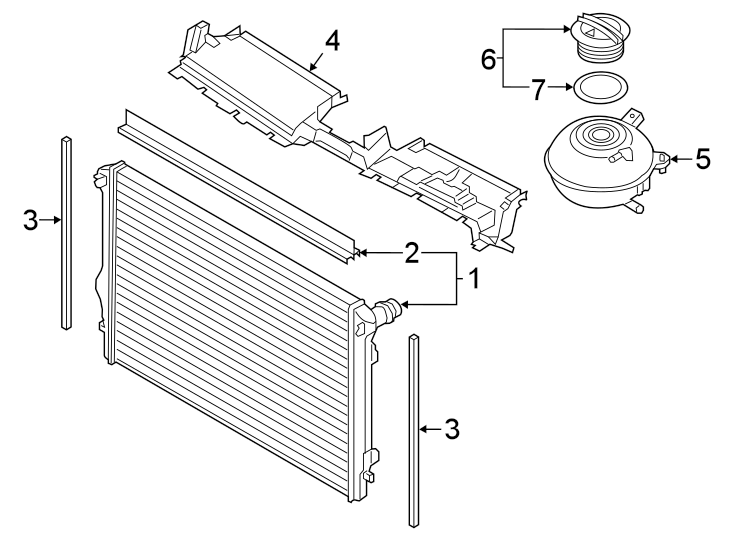
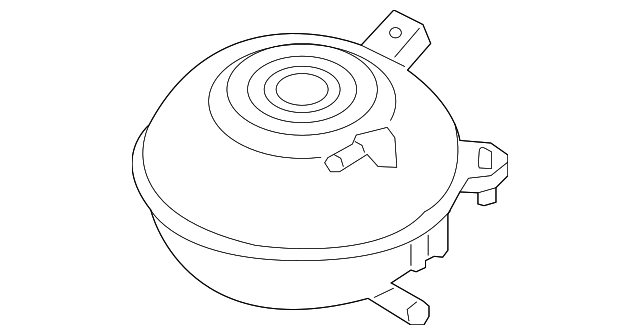
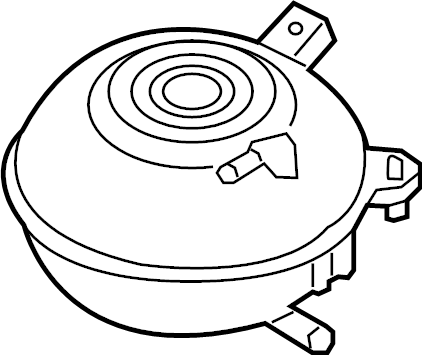
Expansion Tank 3Q0-121-407-F
Доступно в магазинах 4 пропозиції
Сумісність з автомобілями 14 автомобілів
Технічні характеристики
| OEM Part Number | 3Q0-121-407-F |
|---|---|
| Material | Polypropylene (PP) |
| Color / Finish | White / Translucent |
| Approximate Capacity | ~1 liter |
| Approximate Dimensions (L × W × H) | ~190 mm × 180 mm × 160 mm |
| Inlet Hose Outer Diameter | ~9 mm |
| Outlet Hose Outer Diameter | ~18 mm |
| Cap Seating Diameter | ~68 mm |
| Coolant Level Sensor Connector | Integrated 2-pin connector |
| Supersedes / Interchangeable With | 3Q0-121-407-C |
Як замінити Expansion Tank
Replacing the coolant expansion tank on a VW Arteon or compatible VAG platform vehicle is a straightforward DIY task requiring basic hand tools and approximately 45–90 minutes. Always allow the engine to cool completely before beginning and use the correct VW-approved coolant mixture when refilling.
-
Safety Preparation
Ensure the engine is completely cool — at least 2 hours after last use. Disconnect the negative battery terminal to prevent electrical shorts when handling the coolant level sensor connector.
-
Drain the Coolant
Position a drain pan beneath the radiator drain valve. Open the valve and allow coolant to fully drain into the pan. Do not dispose of used coolant down a drain — recycle it according to local regulations.
-
Disconnect the Level Sensor Connector
Locate the two-pin coolant level sensor connector on the side of the expansion tank. Press the release tab and pull the connector straight off. Avoid pulling on the wiring harness itself.
-
Remove Hoses and Mounting Hardware
Use hose clamp pliers to release the inlet hose (~9 mm) and outlet hose (~18 mm) from their ports. Remove any mounting bolts or retaining clips securing the tank to the engine bay bracket.
-
Remove the Old Expansion Tank
Carefully lift and maneuver the old tank out of the engine bay. Note its orientation and mounting position for reference when fitting the new unit.
-
Install the New Expansion Tank
Position the new 3Q0-121-407-F tank onto the mounting bracket. Secure all mounting bolts or clips, reconnect the inlet and outlet hoses ensuring clamps are seated past the bead, and plug in the two-pin level sensor connector until it clicks.
-
Refill and Bleed the Cooling System
Close the radiator drain valve. Refill the cooling system with the VW-approved coolant mixture (typically G13 or G12++ antifreeze at a 50/50 ratio with distilled water). Start the engine, allow it to reach operating temperature, and open any bleed valves to purge trapped air. Top off coolant as needed.
-
Inspect for Leaks and Reconnect Battery
With the engine at operating temperature, inspect all hose connections, the tank body, and the cap for leaks. Confirm the coolant level is stable within the MIN–MAX range. Reconnect the negative battery terminal and clear any stored fault codes if a scan tool is available.
Ознаки зношеної деталі
-
Visible Coolant Leak or Puddle
Cracks or fractures in the tank body allow coolant to seep or drip, leaving a green, pink, or orange puddle beneath the vehicle near the engine bay.
-
Coolant Warning Light Illuminated
A failed or cracked tank may cause coolant levels to drop below the sensor threshold, triggering the low-coolant warning light on the dashboard.
-
Engine Overheating
Coolant loss due to a leaking expansion tank reduces the system's ability to regulate engine temperature, causing the temperature gauge to spike or the engine to overheat.
-
Coolant Smell from Engine Bay
A sweet, pungent odor — particularly after driving — indicates coolant is leaking onto hot engine surfaces and evaporating, pointing to a compromised tank or hose connection.
-
Cloudy or Discolored Coolant
Plastic degradation inside an aging tank can contaminate coolant, resulting in discoloration or particulate matter visible through the translucent tank walls.
Періодичність заміни
Replace immediately upon discovery of any crack, persistent leak, or if the integrated coolant level sensor fails to function correctly. Do not delay — coolant loss can lead to rapid engine overheating and severe engine damage.
Часті запитання
Does the 3Q0-121-407-F come with the coolant level sensor and cap included?
The OEM part includes the integrated sensor port (two-pin connector housing), but the coolant level sensor float unit and the expansion tank cap are typically sold separately. Confirm with your supplier what is included in the box before ordering.
Which vehicles is the 3Q0-121-407-F compatible with?
Confirmed fitment includes the Volkswagen Arteon (2017 and newer). Compatibility may extend to other MQB-platform VAG vehicles, but you should verify using your vehicle's VIN or engine code before purchasing.
Is the 3Q0-121-407-F a direct replacement for 3Q0-121-407-C?
Yes. The -F revision supersedes the earlier -C revision and is a direct drop-in replacement using the same mounting points, hose connections, and sensor connector.
Can I use an aftermarket expansion tank instead of the OEM part?
Yes, aftermarket equivalents such as the JP Group part 1114703700 are available and can be cost-effective. However, verify that the aftermarket tank includes the correct sensor port, matching hose diameters (~9 mm inlet, ~18 mm outlet), and cap seating diameter (~68 mm) to ensure a proper fit.
What coolant type should I use when refilling after replacing this tank?
Volkswagen recommends G13 or G12++ specification antifreeze mixed 50/50 with distilled water. Never mix different coolant specifications, as incompatible formulas can react and form damaging deposits in the cooling system.
How do I know if my expansion tank needs replacement versus just a hose or clamp?
Inspect the tank body directly for cracks, crazing (a fine web of surface cracks), or brittleness. If the leak originates from the tank walls or the hose port itself rather than the clamp area, the tank should be replaced. A discolored or cloudy tank is also a sign of internal degradation warranting replacement.
Знайшли помилку?
Допоможіть нам стати кращими — якщо ви помітили помилку на сайті або в даних, повідомте нас, і ми виправимо її якнайшвидше.