
 DE
DE
 English
 polski
 русский
 українська
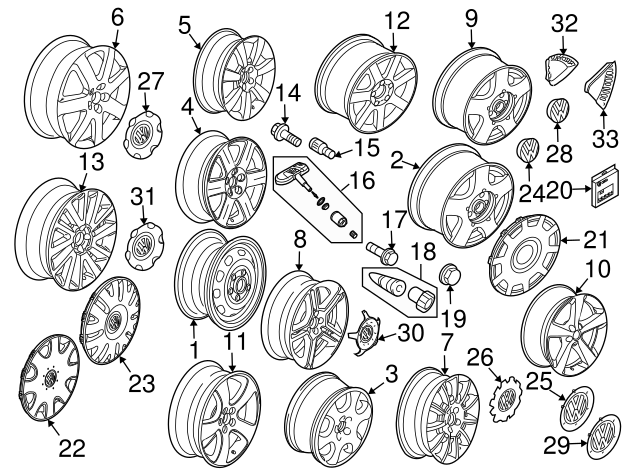
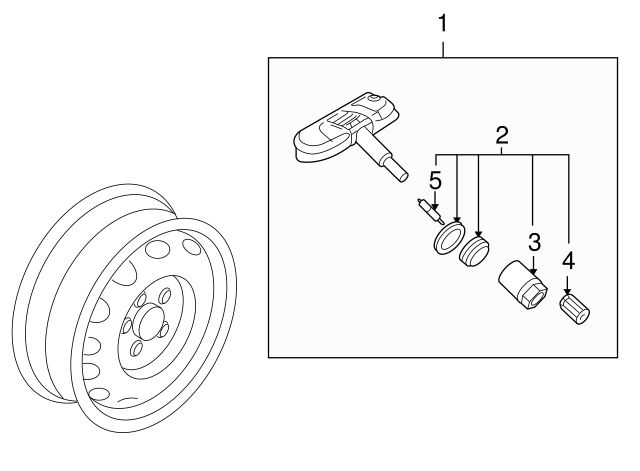
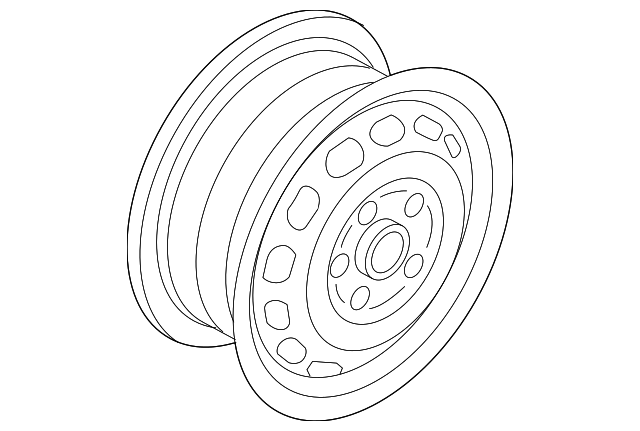
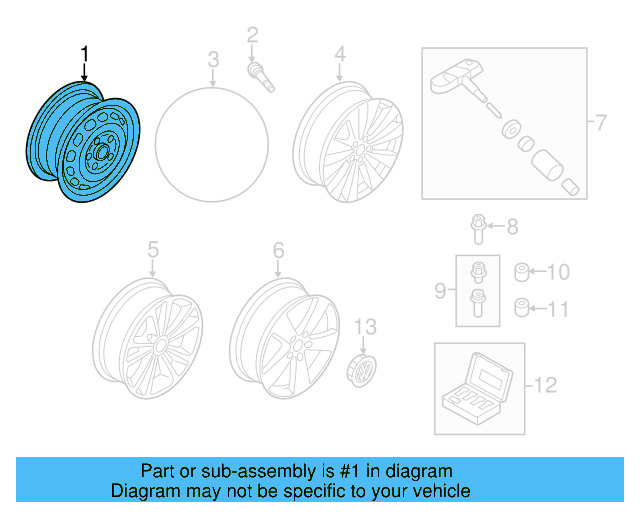
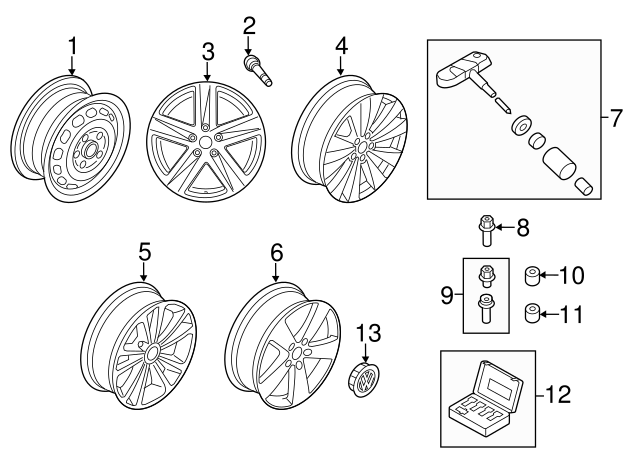
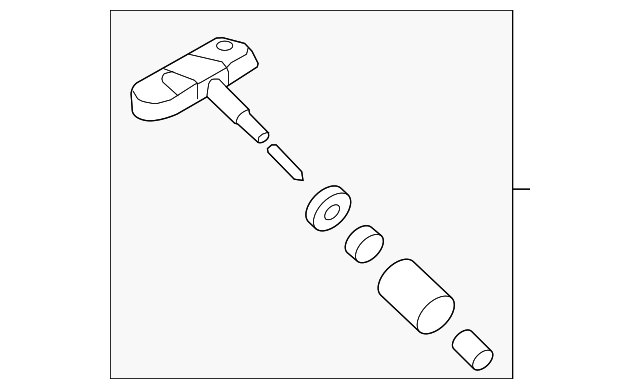
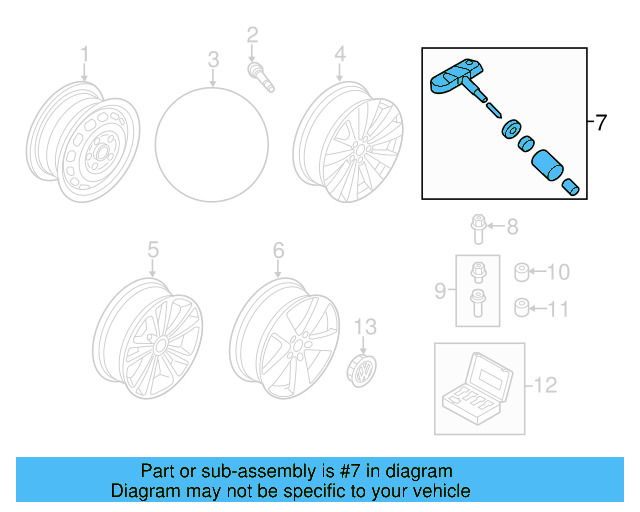
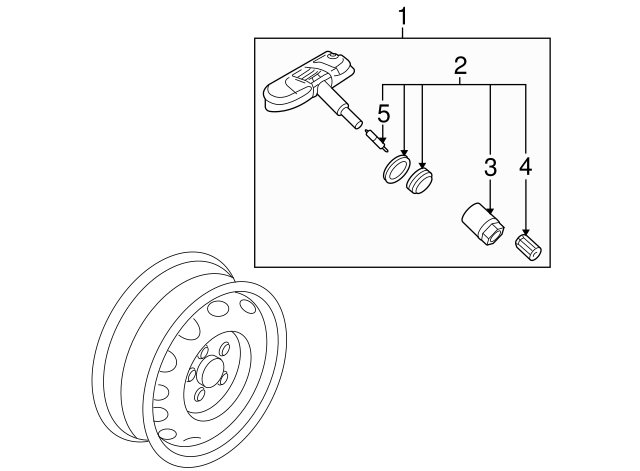
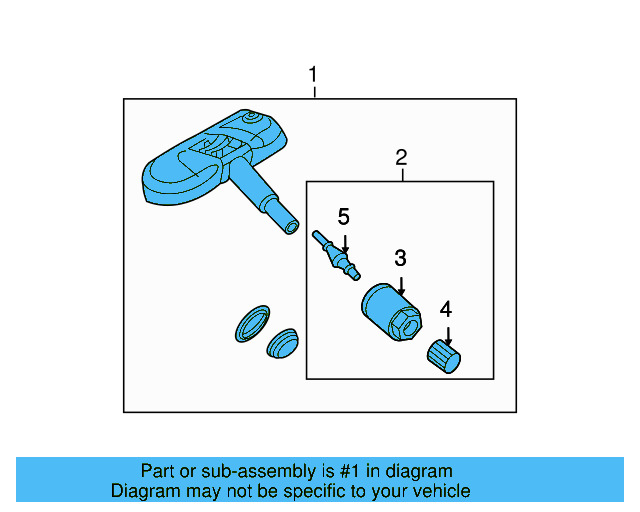
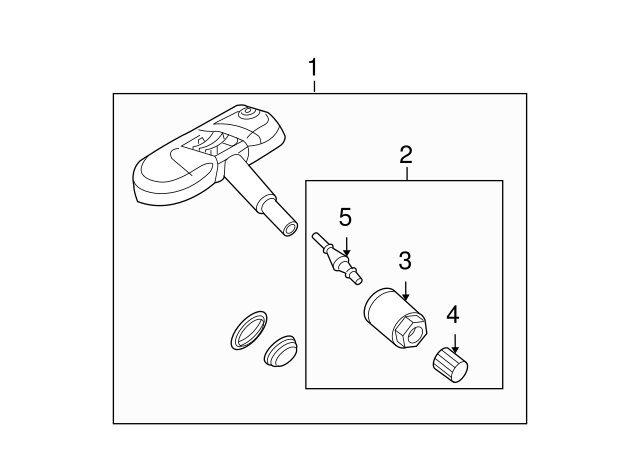
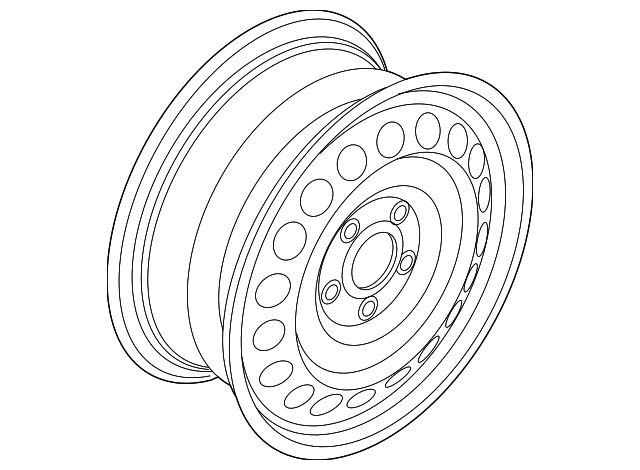
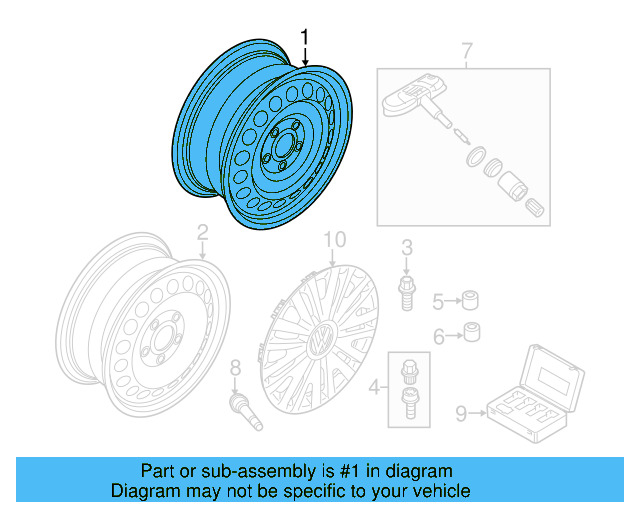
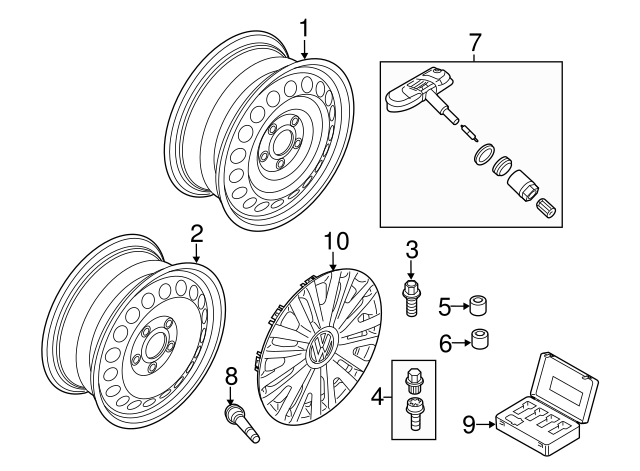
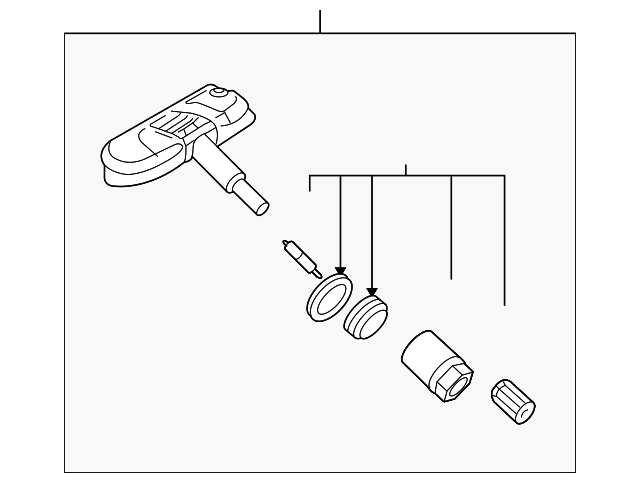
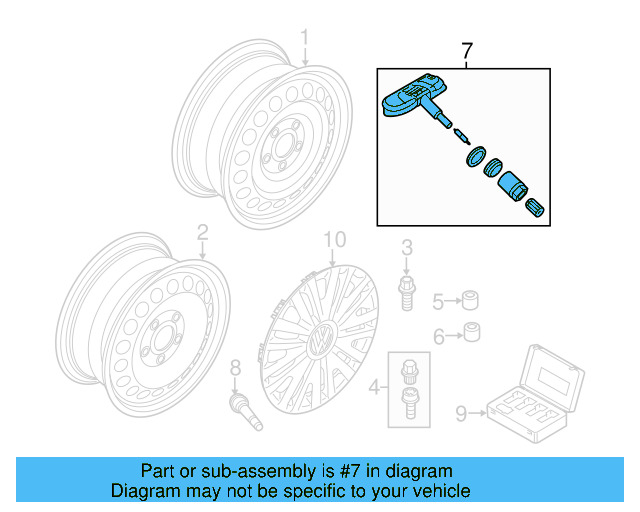
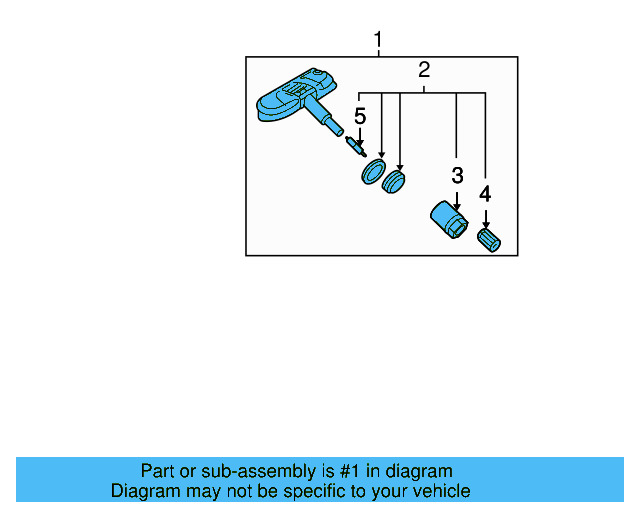
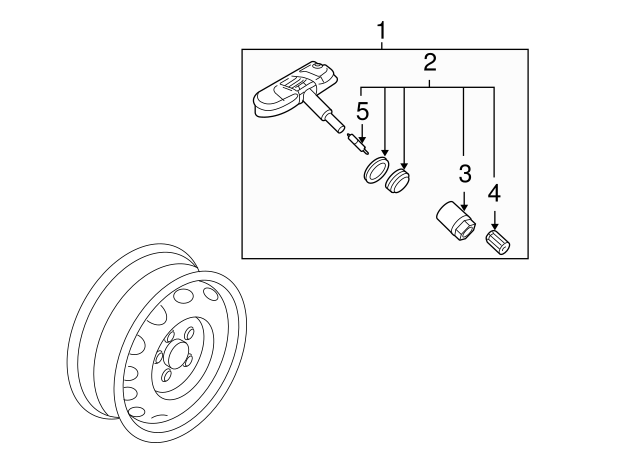
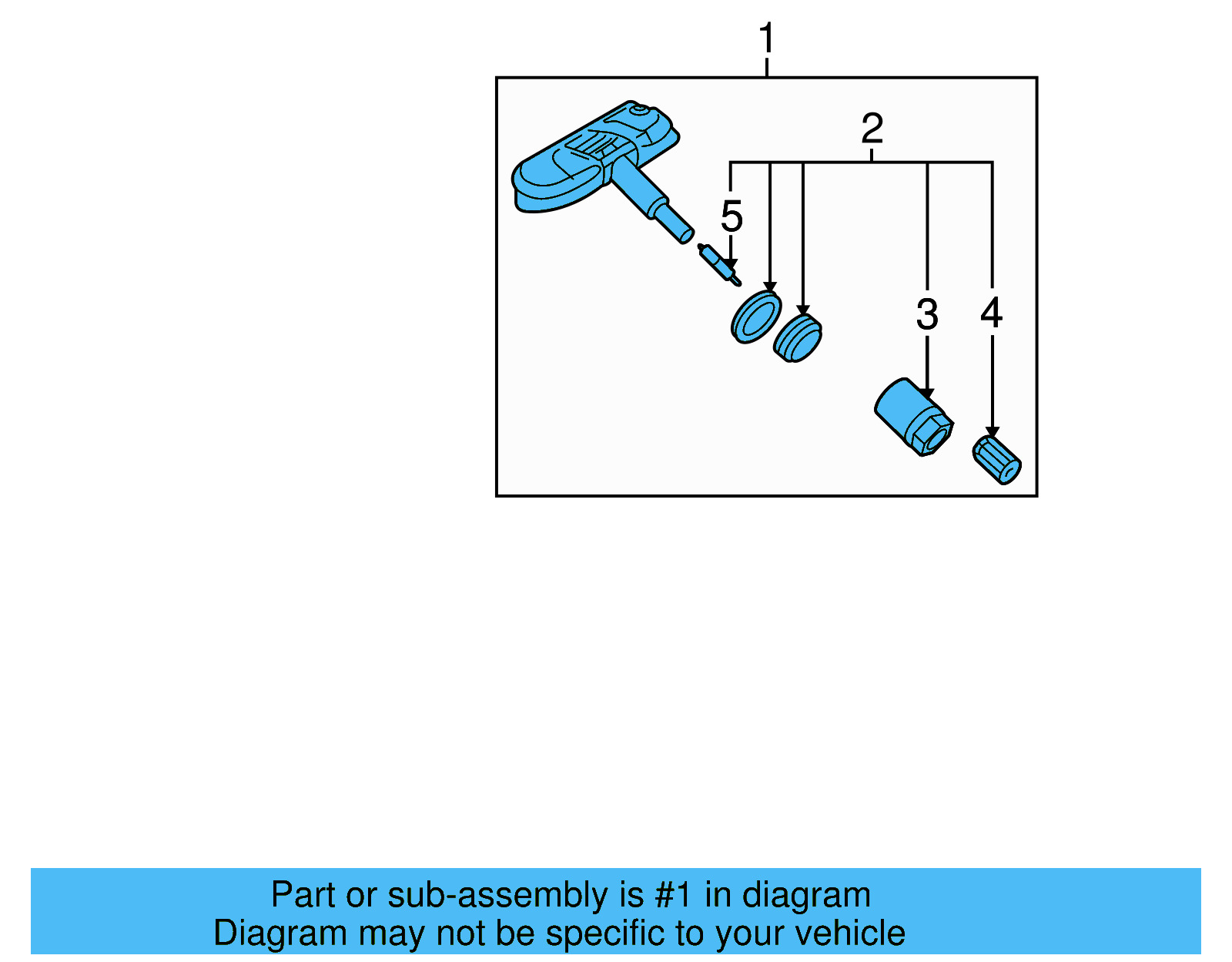
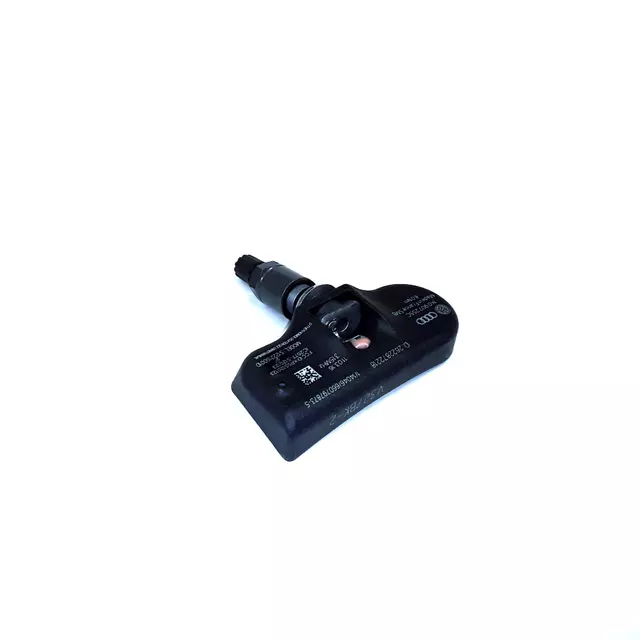
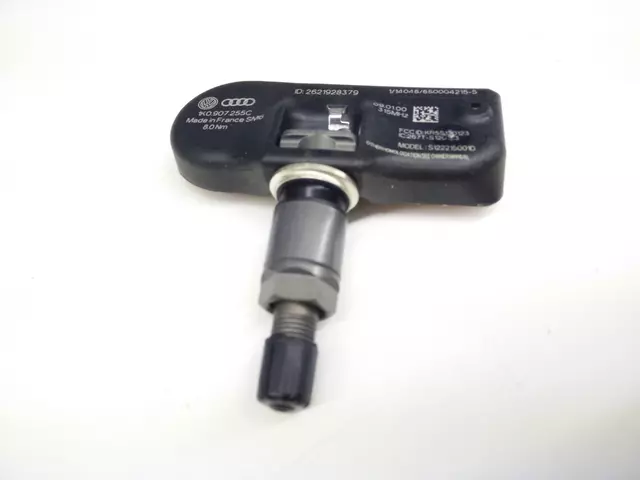
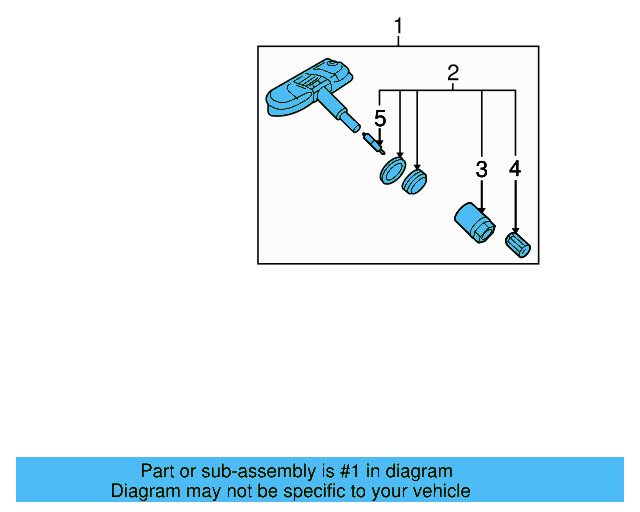
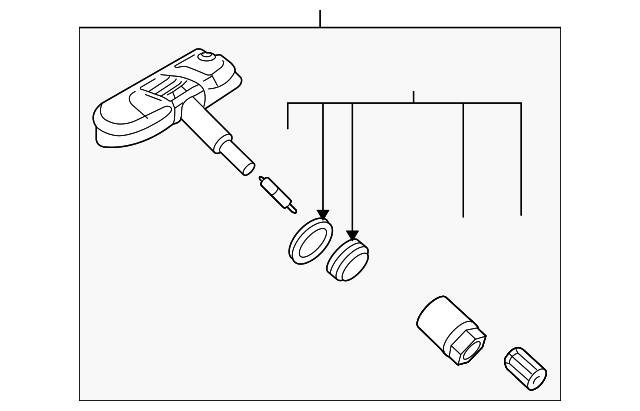
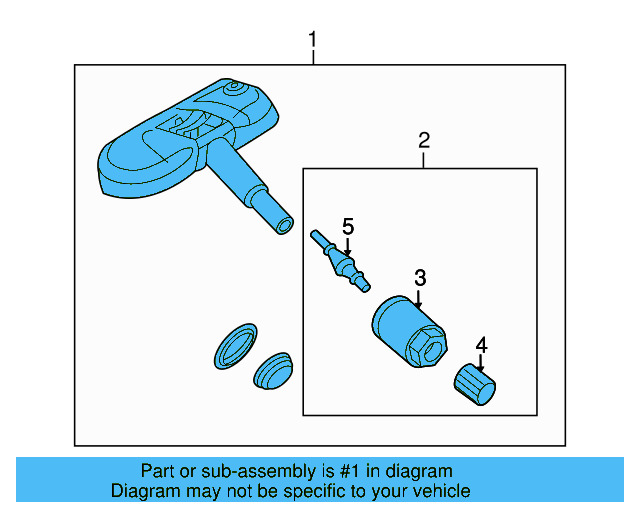
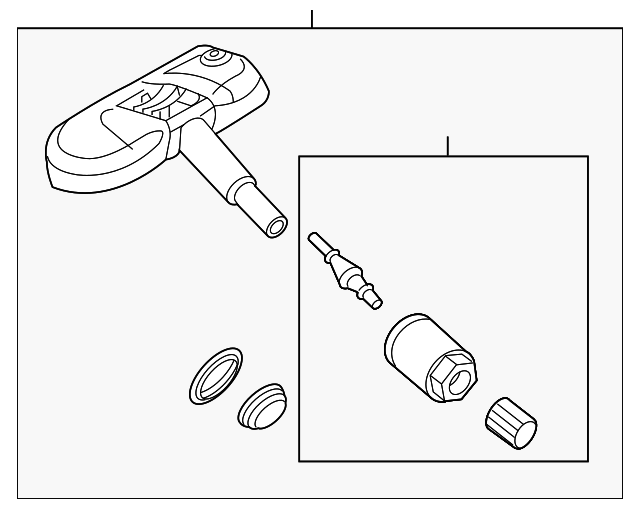
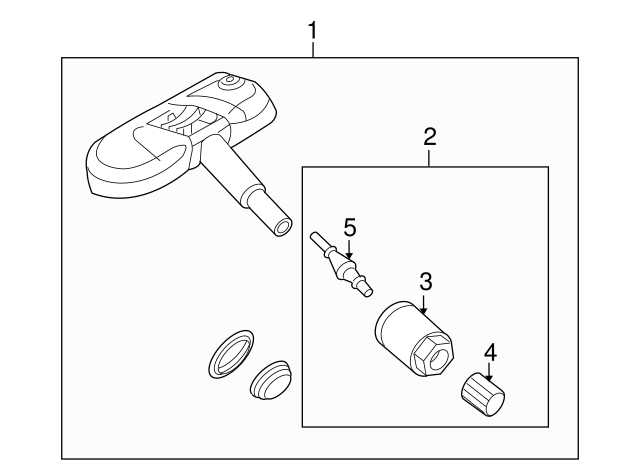
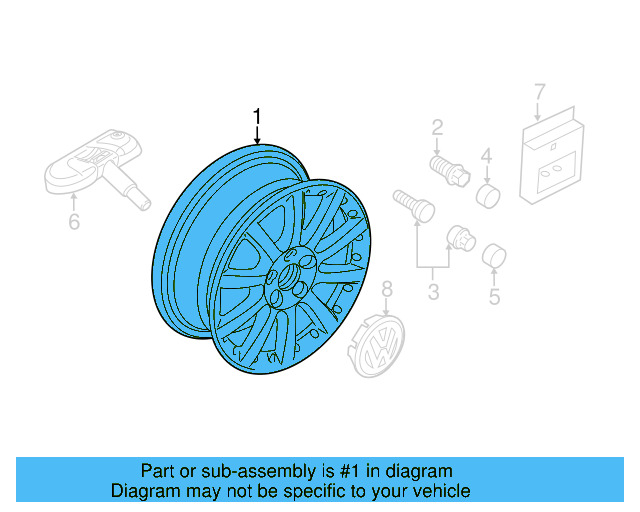
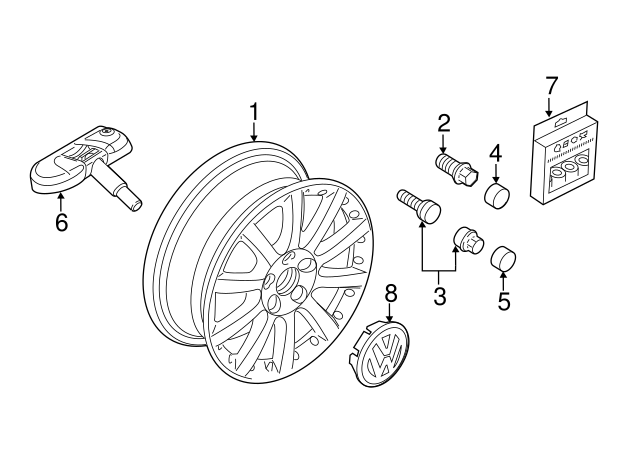
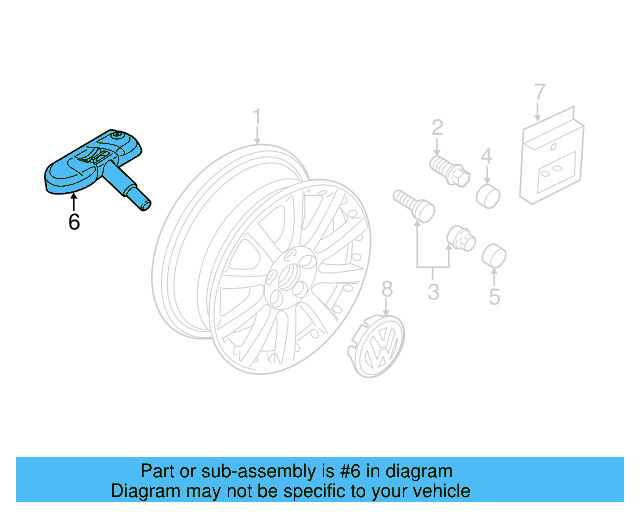
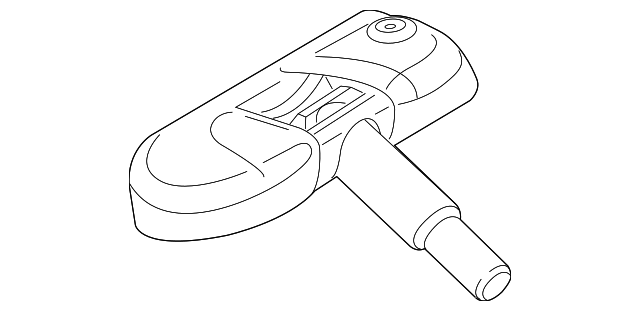
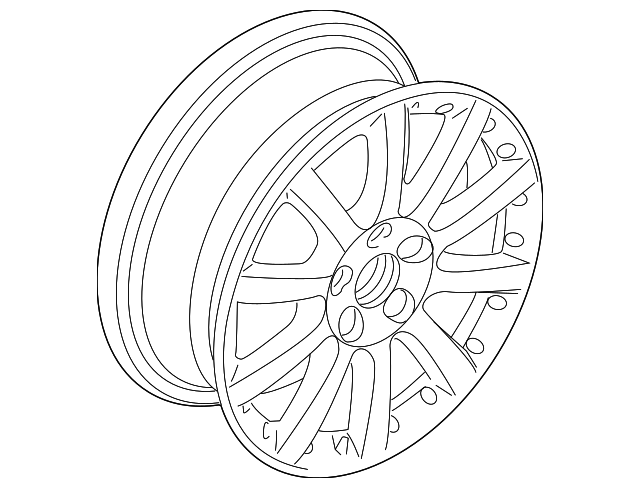
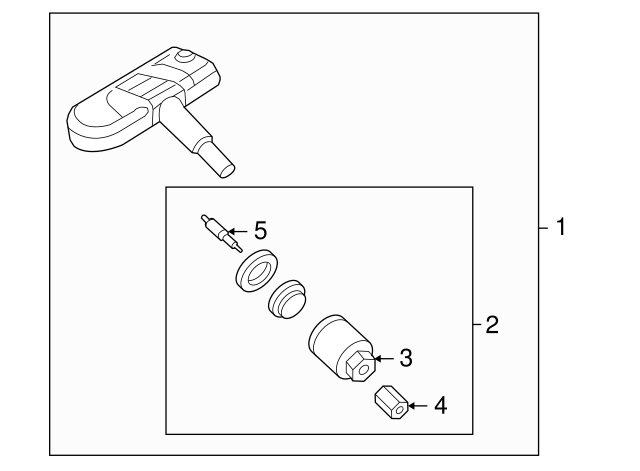
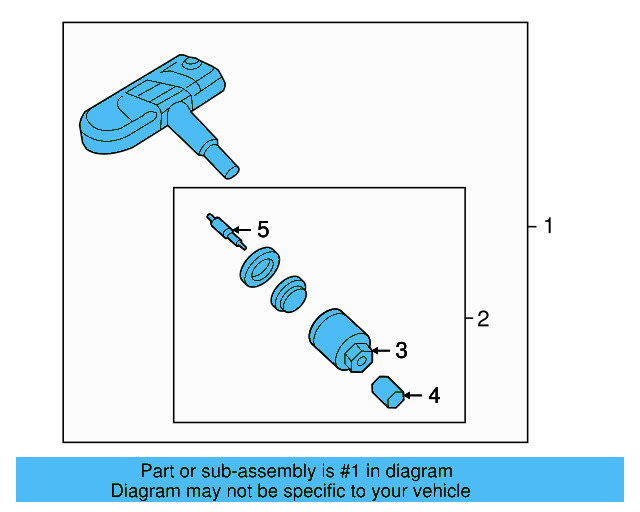
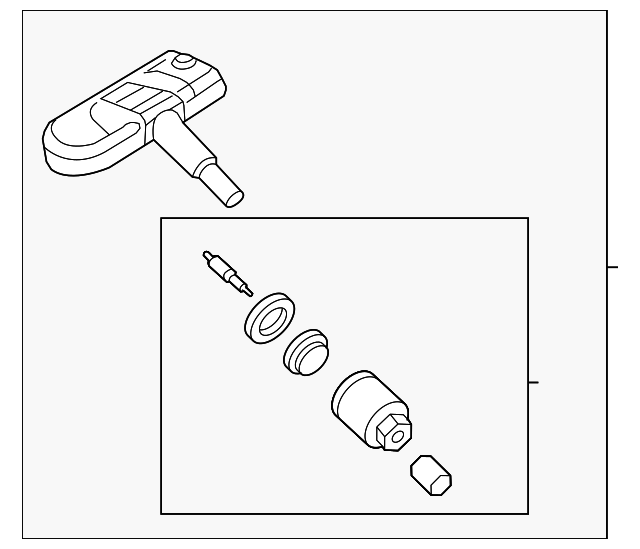
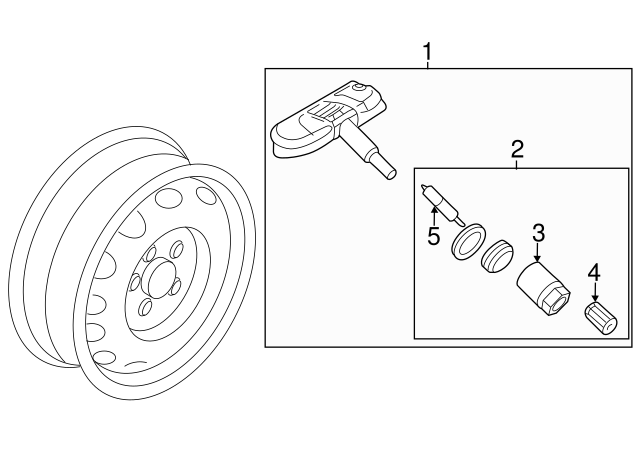
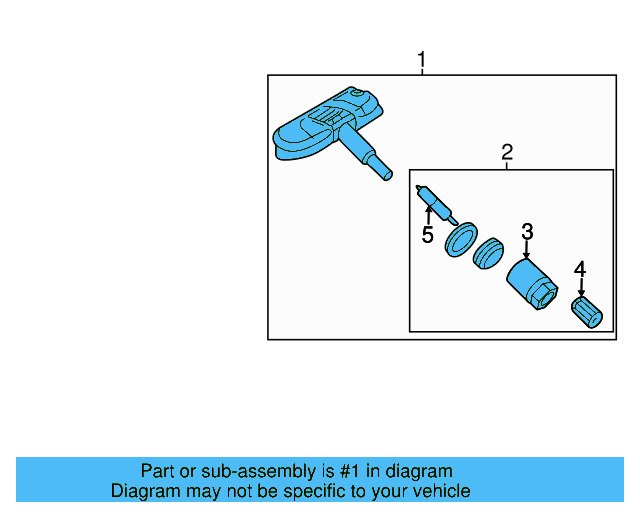
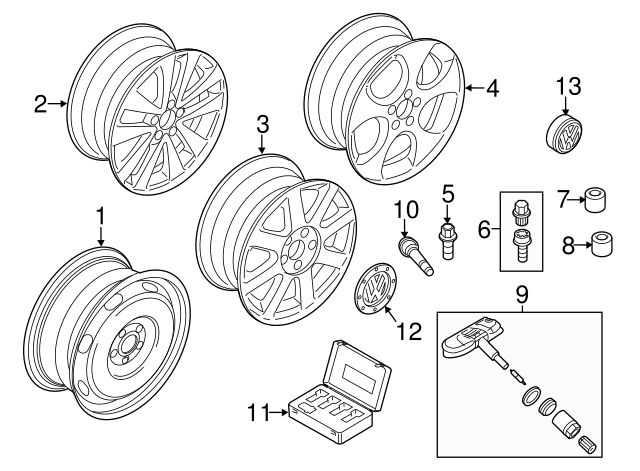
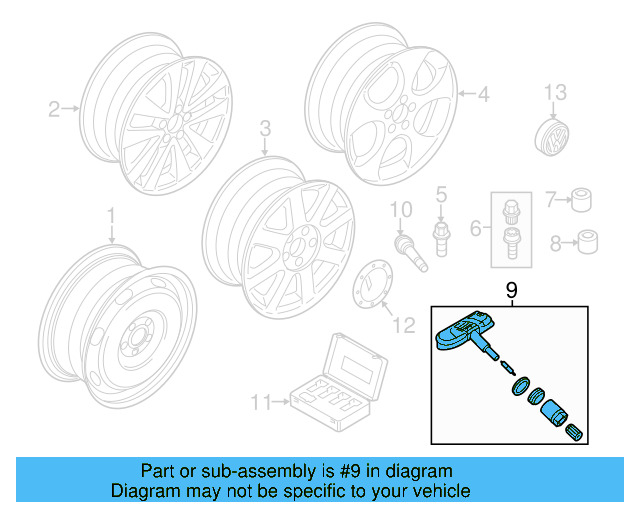
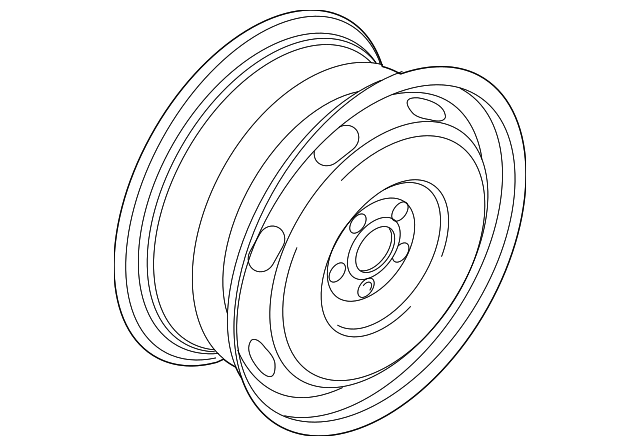
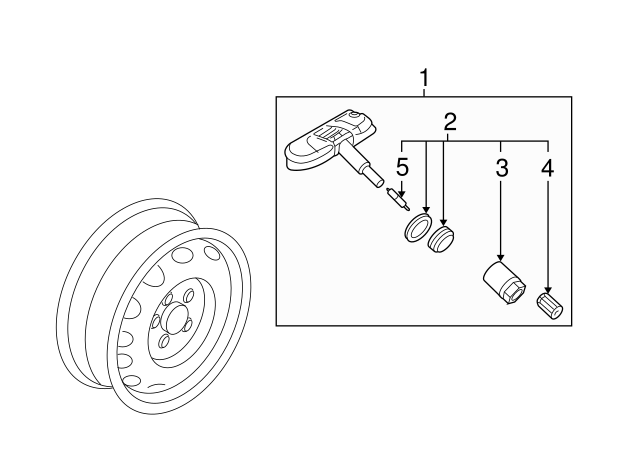
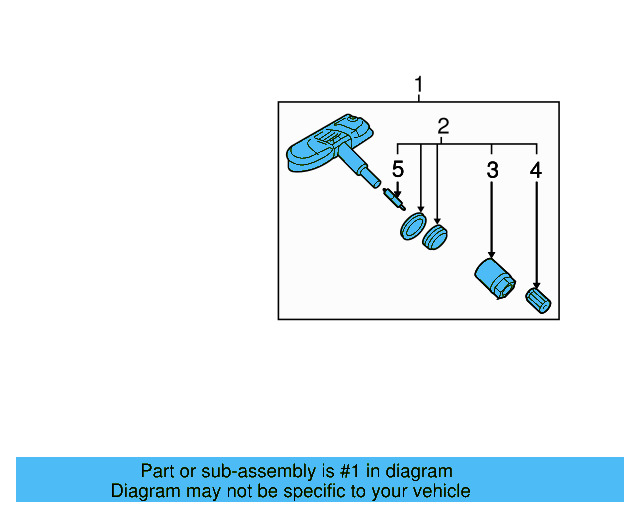
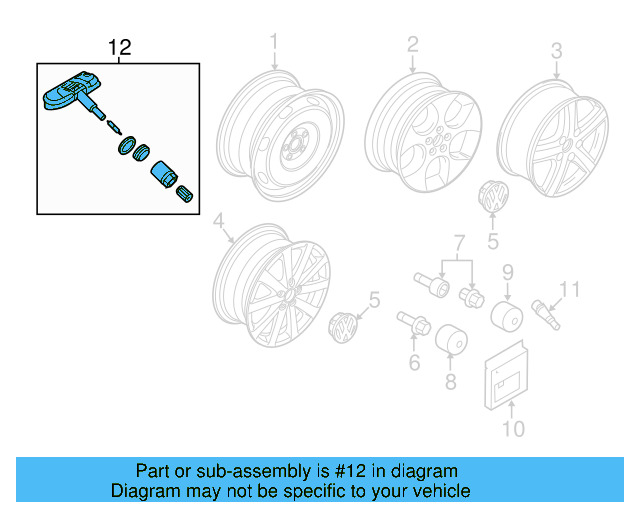
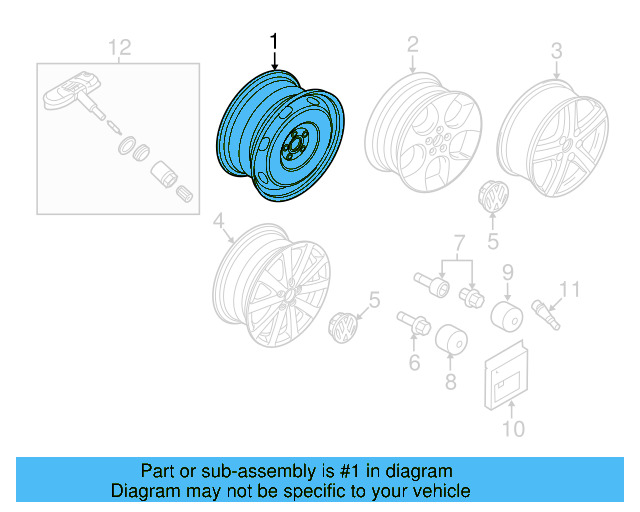
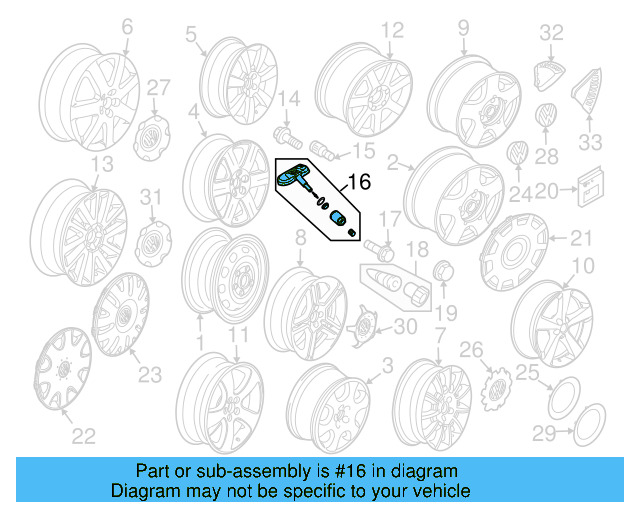
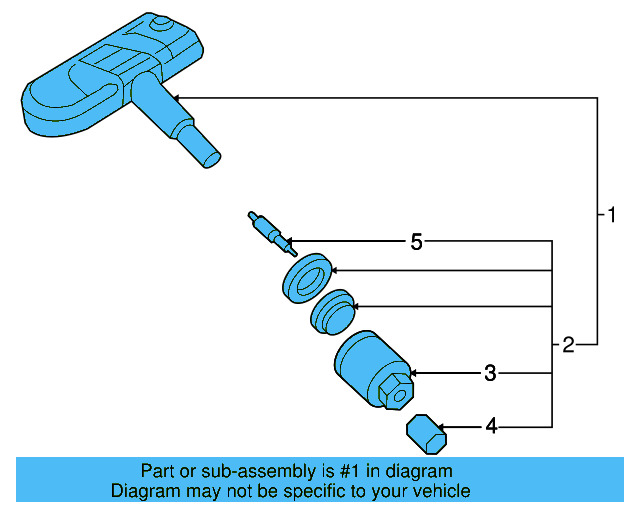
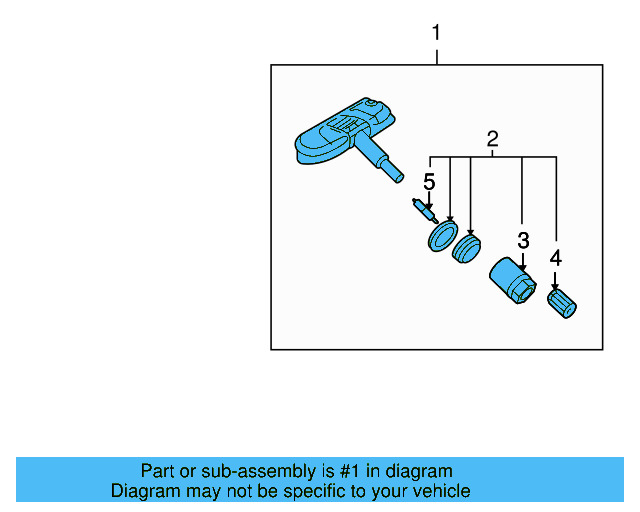
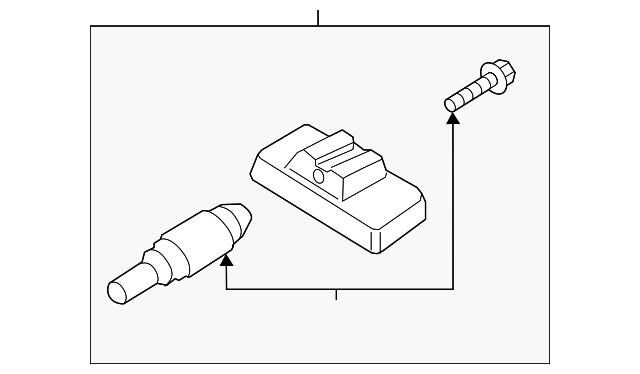
Sensor 1K0-907-253-D
Neglecting sensor maintenance can lead to inaccurate readings and system malfunctions. Signs that the sensor needs replacement include warning lights on the dashboard, poor engine performance, or irregular fuel consumption, all of which can compromise overall vehicle efficiency.
Choosing this OEM part with number 1K0-907-253-D guarantees a precise alignment with the vehicle's original systems. This helps prevent issues associated with inferior aftermarket options that may not meet the necessary standards for reliable performance.
Verfügbar in Shops 43 Angebote
Fahrzeug-Passgenauigkeit 352 Fahrzeuge

Technische Daten
| OEM Part Number | 1K0-907-253-D |
|---|---|
| Superseded From | 1K0-907-253-A |
| Operating Frequency | 315 MHz |
| Weight | Approx. 0.20 lbs (90 g) |
| Valve Stem | Integrated with sensor |
| Battery Life | 5–7 years (typical) |
| Retaining Nut Torque | Approx. 4 Nm (verify with service manual) |
| Dimensions | — |
| Material | — |
| Thread Size | — |
So ersetzen Sie Sensor
Replacing the 1K0907253D TPMS sensor requires demounting the tire from the wheel rim to access the sensor on the inside of the valve stem. Basic tire service equipment such as a tire machine and balancer is necessary. If you lack this equipment or experience, professional installation is strongly recommended.
-
Preparation
Park the vehicle on a flat, level surface and engage the parking brake. Gather required tools: floor jack, jack stands, lug wrench, tire machine, torque wrench, and the new TPMS sensor. Loosen the lug nuts on the affected wheel slightly before lifting the vehicle.
-
Remove the Wheel
Lift the vehicle using a floor jack and support it securely on jack stands. Fully remove the lug nuts and pull the wheel off the hub. Place it on a clean, flat surface.
-
Deflate and Dismount the Tire
Completely deflate the tire by removing the valve core. Use a tire machine to break the bead on both sides and dismount the tire from the wheel rim, taking care not to damage the rim or the existing sensor.
-
Remove the Old TPMS Sensor
Locate the TPMS sensor mounted on the inside of the valve stem hole in the wheel. Remove the retaining nut securing the sensor to the rim. Carefully detach the old sensor and discard it.
-
Install the New Sensor
Insert the new 1K0907253D sensor through the valve stem hole and seat it correctly against the rim. Thread the retaining nut by hand first, then torque to approximately 4 Nm using a torque wrench. Do not overtighten, as the sensor housing can crack.
-
Remount, Inflate, and Balance
Remount the tire onto the wheel rim using the tire machine. Reinstall the valve core and inflate the tire to the vehicle manufacturer's recommended pressure. Balance the wheel on a wheel balancer before reinstalling.
-
Reinstall the Wheel
Mount the wheel back onto the hub. Hand-tighten the lug nuts, lower the vehicle off the jack stands, then torque the lug nuts in a star pattern to the manufacturer's specification.
-
TPMS System Reset / Relearn
After installation, perform a TPMS relearn procedure as outlined in the vehicle owner's manual. This may involve driving the vehicle at a set speed for a specified distance or using a diagnostic scan tool to register the new sensor ID with the vehicle's ECU.
Anzeichen für ein verschlissenes Teil
-
TPMS Warning Light Illuminated
The most common symptom of a failed or failing sensor is a steady or flashing TPMS indicator light on the instrument cluster, indicating the system cannot receive a valid pressure signal.
-
Inaccurate Tire Pressure Readings
The vehicle display may show incorrect, frozen, or wildly fluctuating tire pressure values that do not correspond with actual measured tire pressure.
-
No Pressure Reading for One or More Tires
A specific wheel position may show no reading at all on the TPMS display, indicating the sensor in that wheel has stopped transmitting — often due to battery depletion.
-
Sensor Battery Depletion After 5–7 Years
TPMS sensor batteries are not serviceable or rechargeable. After 5 to 7 years the internal battery depletes and the entire sensor unit must be replaced.
-
TPMS Fault Code Stored in ECU
A diagnostic scan may reveal a stored fault code related to a specific wheel sensor, indicating communication loss, out-of-range signal, or sensor hardware failure.
Wechselintervalle
TPMS sensors do not follow a mileage-based service schedule. Replacement is driven by battery life (typically 5–7 years) or sensor malfunction. Inspect sensors visually for corrosion or physical damage whenever tires are dismounted.
Häufig gestellte Fragen
Is 1K0-907-253-D the correct TPMS sensor for my VW or Audi?
This sensor fits a range of Volkswagen and Audi models including the 2005–2014 VW Jetta, 2006–2017 Audi A3, 2008–2012 Audi S5, and 2010–2013 Audi A4, among others. Always cross-check fitment using your vehicle's VIN or consult a certified dealer, as compatibility varies by trim level and regional market.
What frequency does the 1K0907253D TPMS sensor use?
This sensor operates at 315 MHz, which is the frequency used by VW Group vehicles in North America. If your vehicle was sold in Europe or another market it may use 433 MHz — confirm your vehicle's frequency before ordering.
Do I need a special tool to reset the TPMS after replacing the sensor?
Yes, in most cases a TPMS relearn procedure is required after sensor replacement. This can be done using a VW/Audi compatible OBD-II diagnostic scan tool (such as VCDS/VAG-COM) or by following the relearn procedure outlined in the owner's manual, which may involve driving at a steady speed for a set distance.
Can I replace just one TPMS sensor, or do I need to replace all four?
You can replace a single failed sensor. However, if one sensor has depleted its battery after 5–7 years, the remaining sensors are likely near the end of their service life as well. Many technicians recommend replacing all four sensors at the same time to avoid repeated tire dismounting labor costs in the near future.
Is the HUF aftermarket version as good as the Genuine VW OEM part?
HUF is the original equipment manufacturer that supplies TPMS sensors to the VW Group, meaning the HUF-branded aftermarket part and the Genuine VW part are manufactured by the same company. The HUF part listed under the same number is considered the top recommended alternative and is effectively equivalent to the Genuine OEM part.
What is the superseded part number for 1K0-907-253-D?
The 1K0-907-253-D supersedes the earlier part number 1K0-907-253-A. If you have an older parts listing showing the -A suffix, the -D version is the current replacement and should be used instead.
Fehler gefunden?
Helfen Sie uns, besser zu werden — wenn Sie einen Fehler auf der Website oder in den Daten entdeckt haben, teilen Sie uns dies mit, und wir beheben ihn so schnell wie möglich.