
 DE
DE
 English
 polski
 русский
 українська
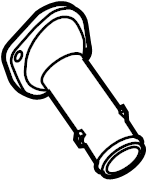
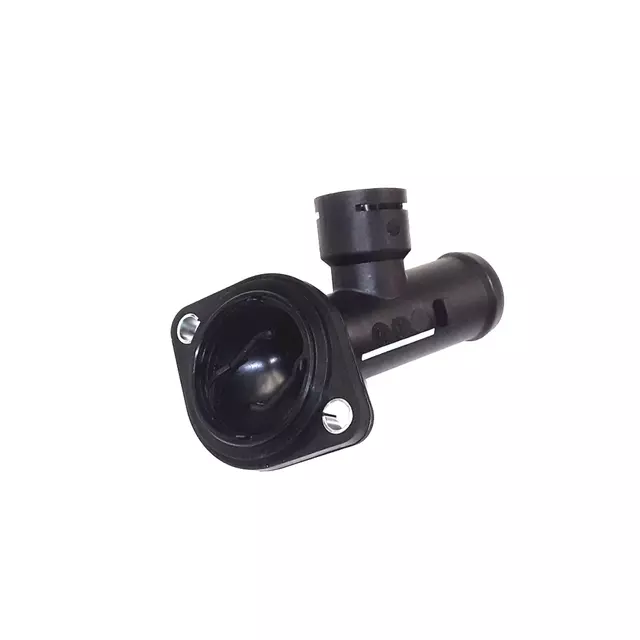
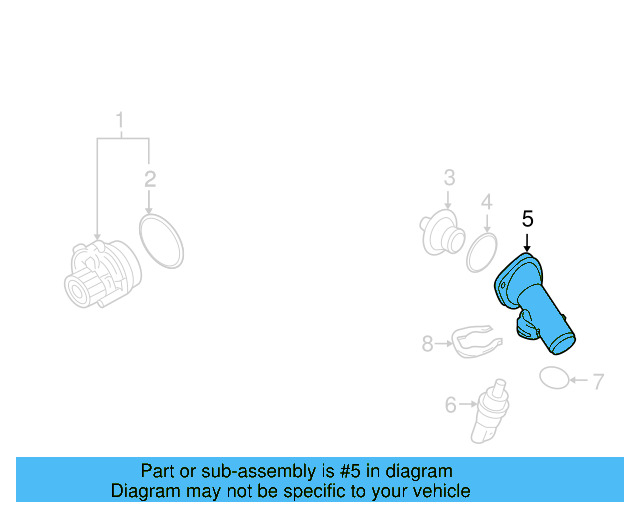
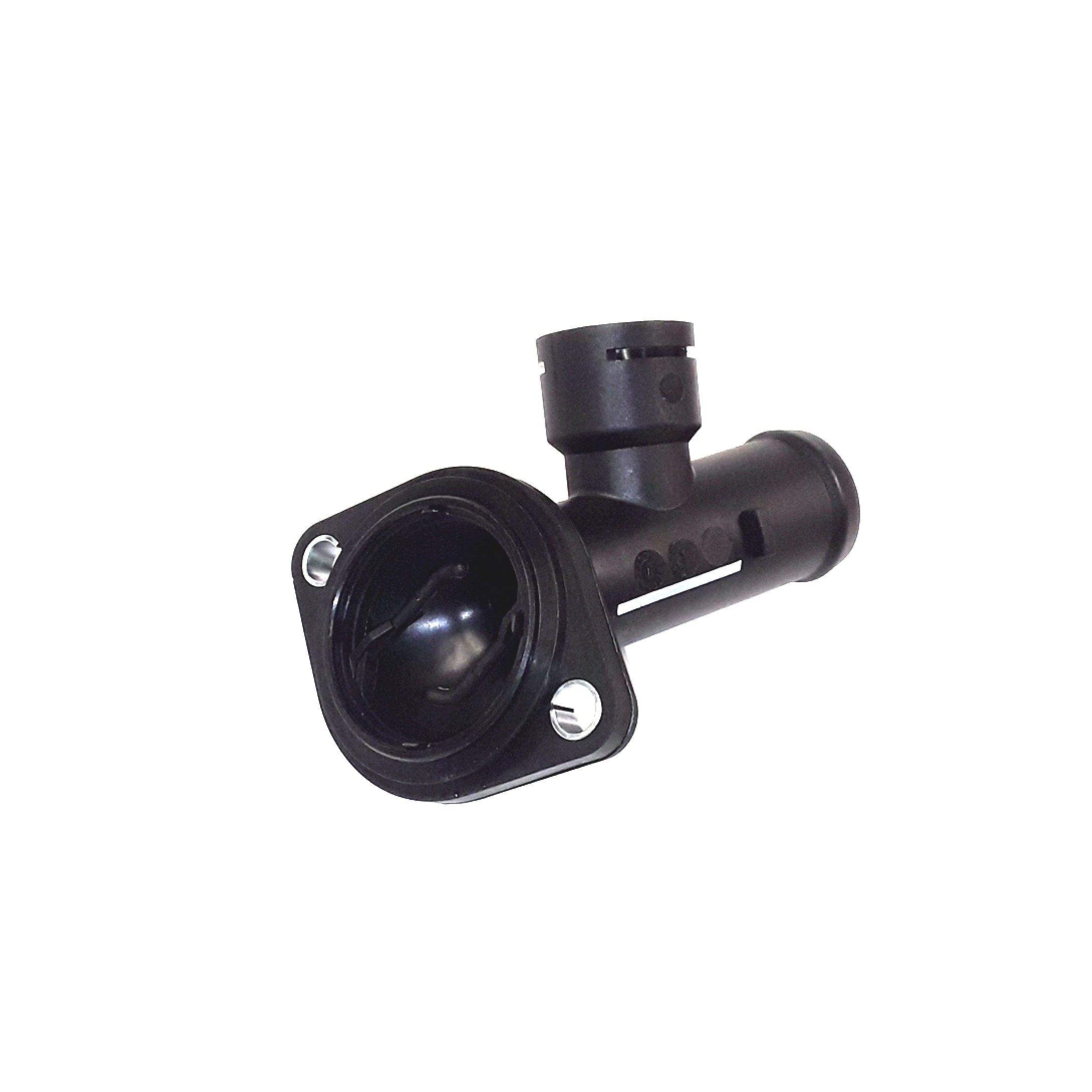
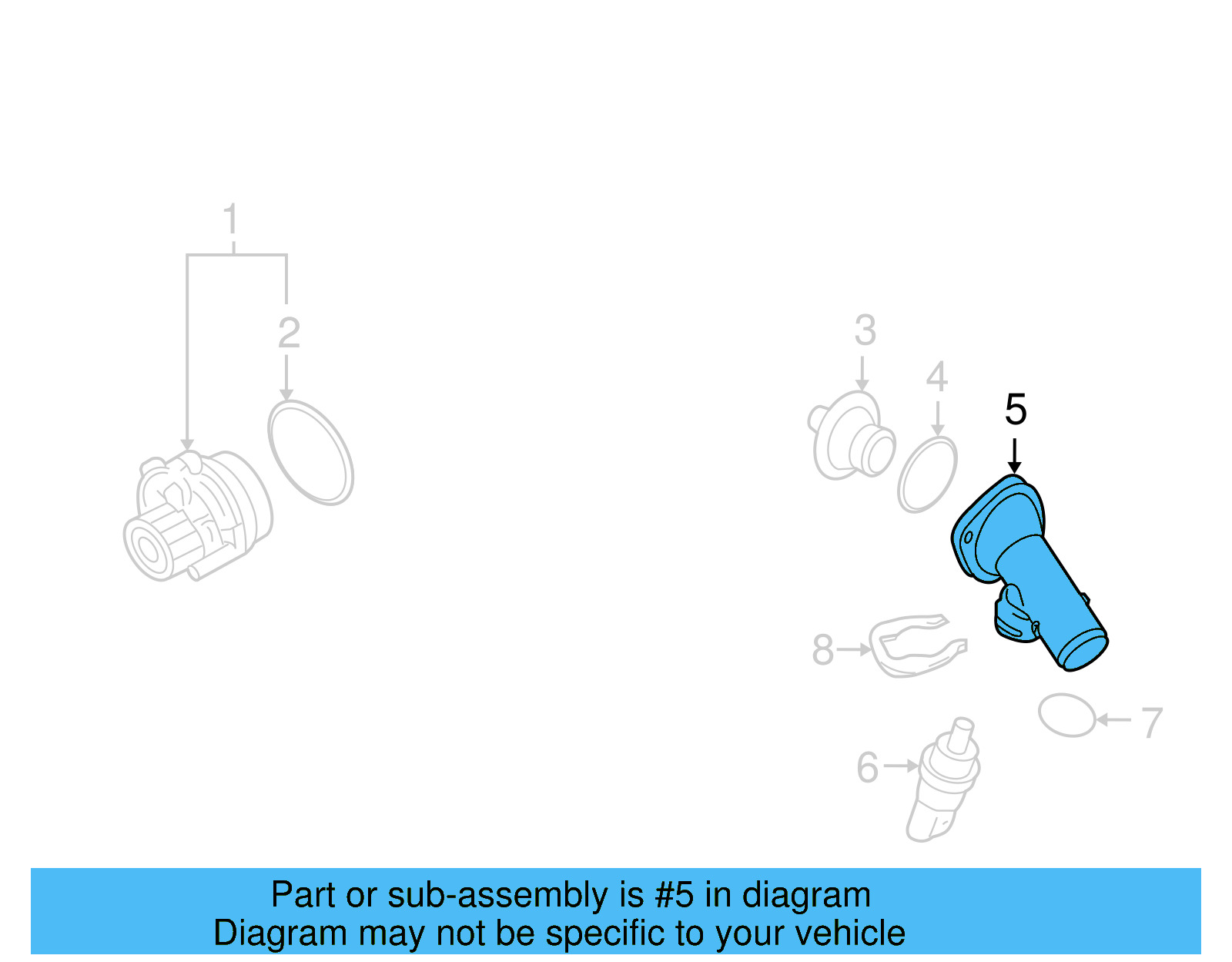
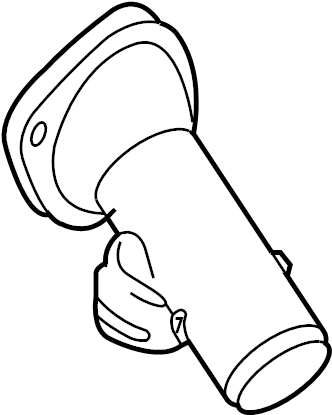
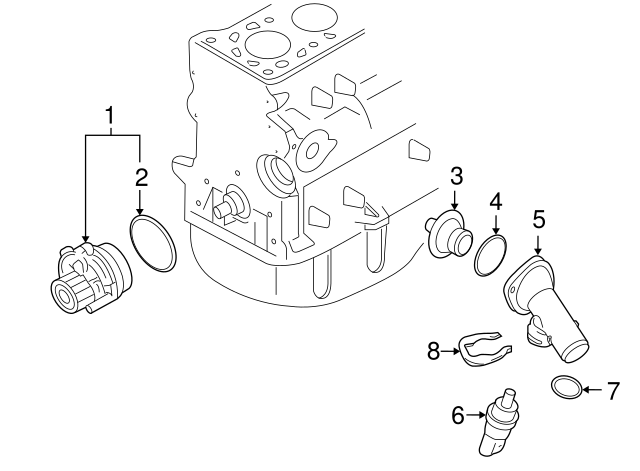
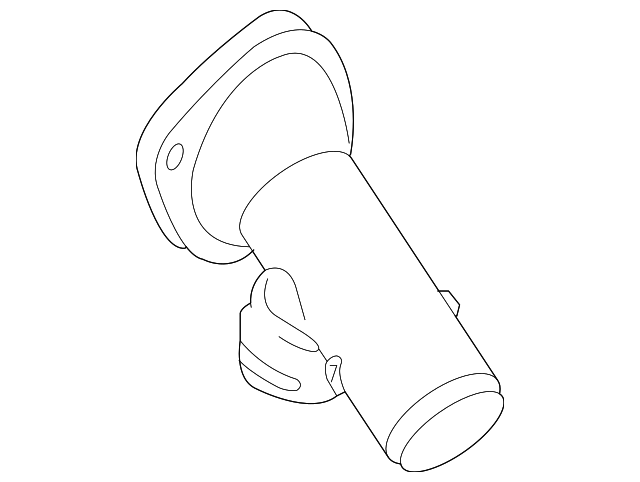
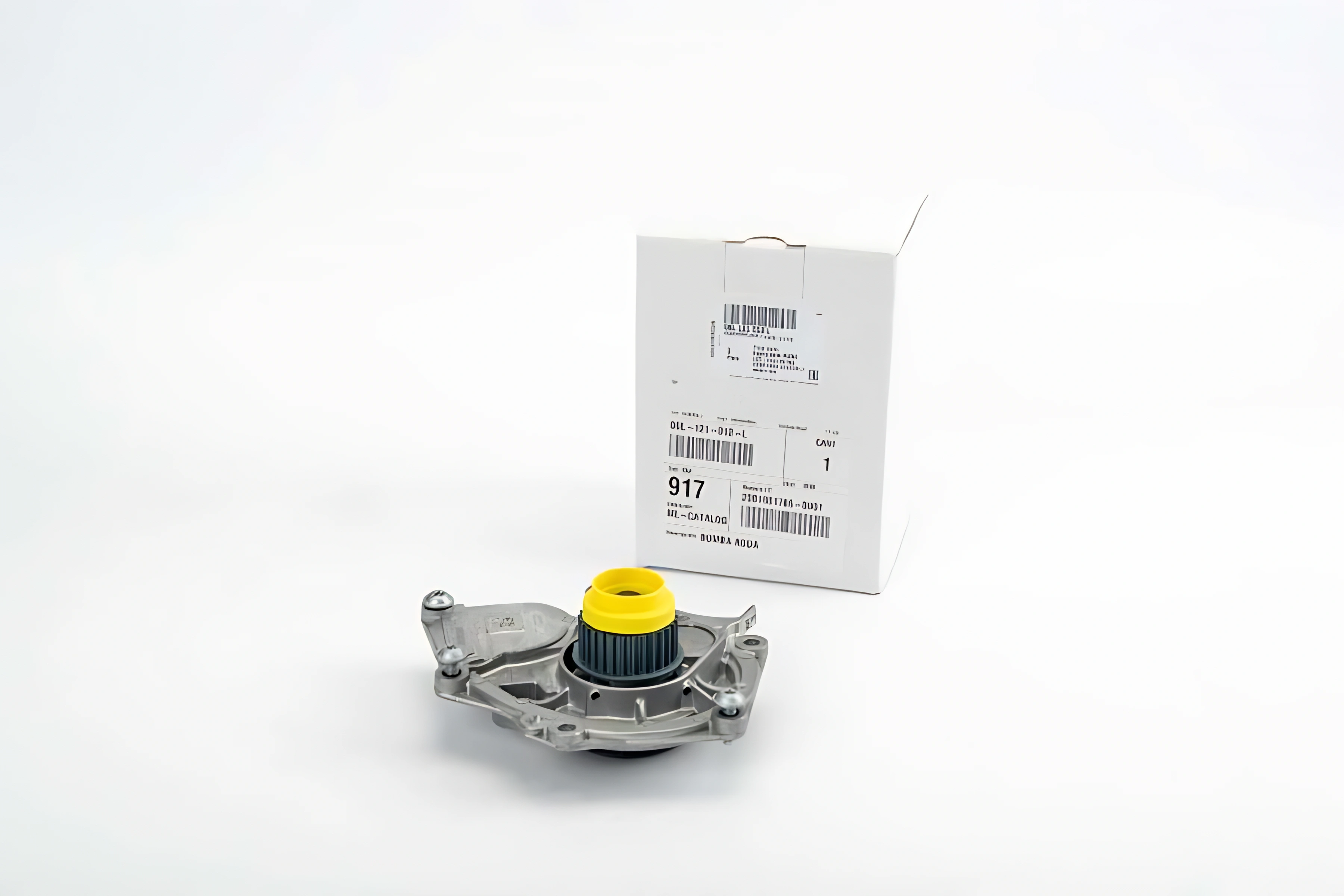
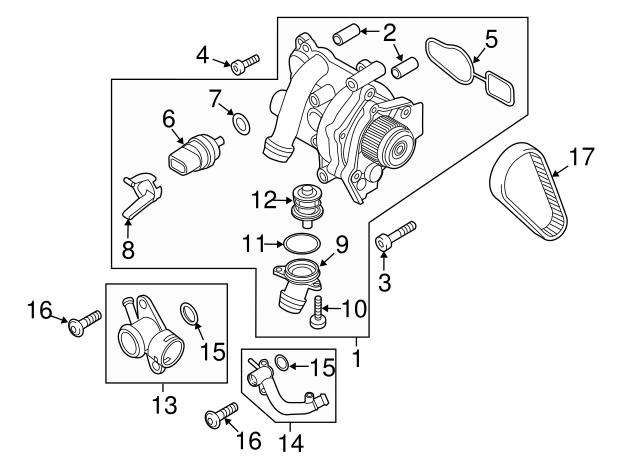
Thermostat Housing 03L-121-121-A
Verfügbar in Shops 8 Angebote
Fahrzeug-Passgenauigkeit 16 Fahrzeuge
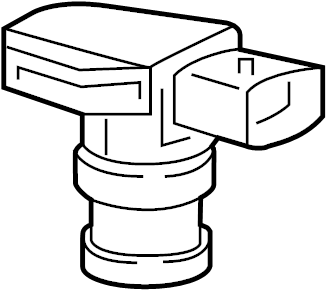
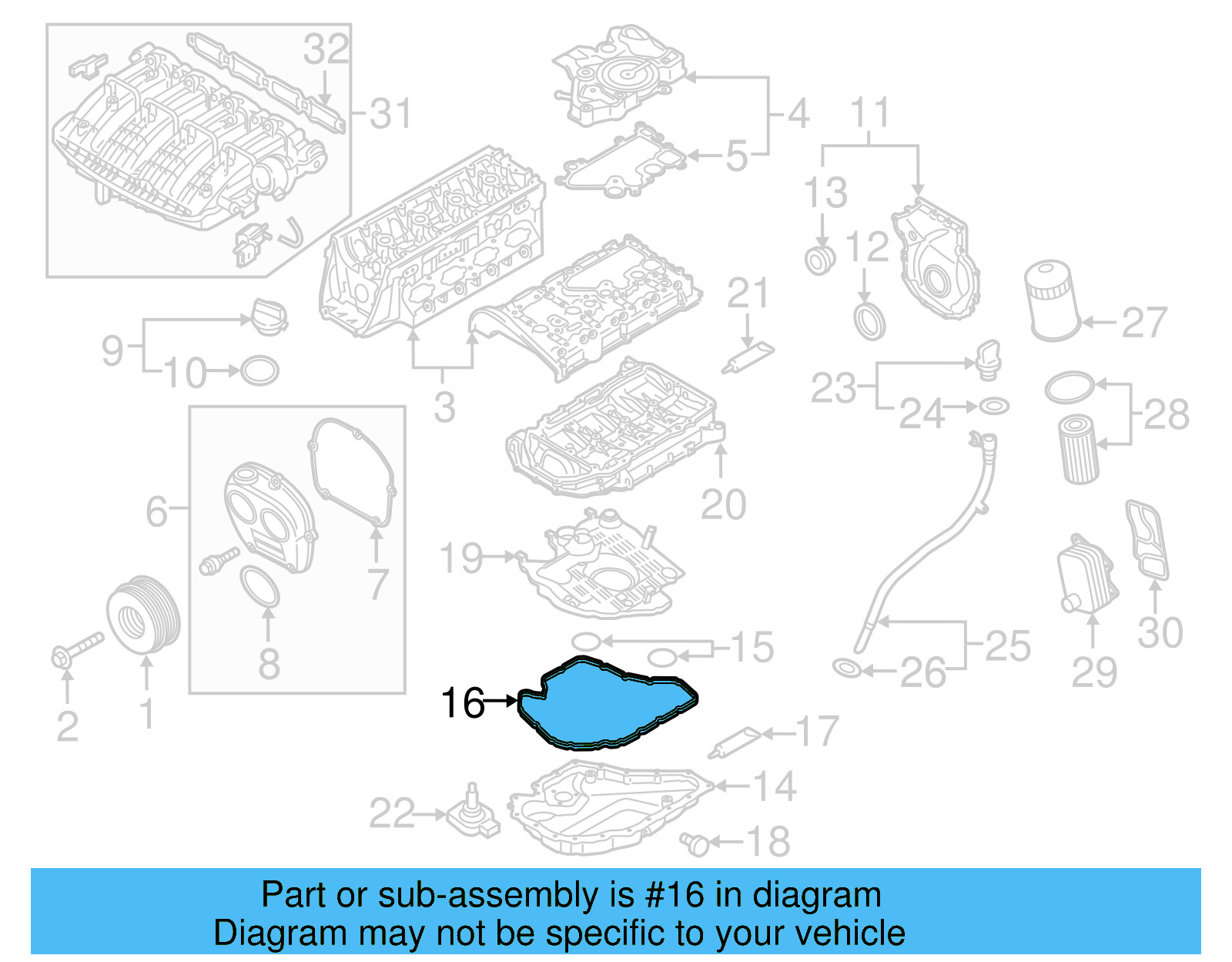
Technische Daten
| OEM Part Number | 03L 121 121 A |
|---|---|
| Part Type | Engine Coolant Thermostat Housing |
| Material | High-temperature plastic / composite |
| Compatible Engine Codes | BRM, CBEA, CJAA |
| Compatible Models | VW Jetta Mk5 TDI (2005–2006, 2009) |
| Gasket Included | Verify at purchase — may require separate gasket/seal |
| Width | — |
| Height | — |
| Thread Size | — |
| Replacement Type | As-needed (condition-based, no fixed interval) |
So ersetzen Sie Thermostat Housing
Replacing the thermostat housing on a VW TDI requires draining the cooling system and working carefully around coolant hoses and surrounding engine bay components. The job is suitable for a capable DIYer with basic mechanical experience. Always consult the factory service manual for your specific engine code for torque values and bleeding procedures before beginning.
-
Safety Preparation
Allow the engine to cool completely before beginning work. Disconnect the negative battery terminal to prevent accidental electrical activation. Place a drain pan beneath the vehicle.
-
Drain Engine Coolant
Open the radiator drain plug or lower coolant hose and allow the coolant to drain fully into a clean container. If the coolant is in good condition, it can be reused after filtration.
-
Remove Obstructing Components
Identify and carefully remove any engine covers, hose brackets, or ancillary components blocking clear access to the thermostat housing on your BRM, CBEA, or CJAA engine.
-
Disconnect Coolant Hoses
Release the hose clamps and detach the coolant hoses connected to the thermostat housing. Have a rag ready to catch residual coolant in the hoses.
-
Unbolt and Remove the Old Housing
Remove the retaining bolts securing the thermostat housing to the engine block. Carefully pull the housing free, noting the position of the thermostat inside for reference.
-
Clean Mating Surface and Replace Gasket
Thoroughly clean the mating surface on the engine block, removing all old gasket material. Install the new gasket or O-ring seal onto the new housing before fitting.
-
Install New Thermostat Housing
Position the new 03L121121A housing onto the engine and hand-thread all bolts before torquing to the manufacturer-specified value listed in the service manual for your engine code.
-
Refill Coolant and Bleed the System
Reconnect all hoses, tighten clamps, and refill the cooling system with the correct VW-approved coolant mixture. Start the engine and bleed any trapped air pockets per the factory bleeding procedure. Check for leaks at the housing once the engine reaches operating temperature.
Anzeichen für ein verschlissenes Teil
-
Visible Coolant Leak
Coolant puddles or wet staining found beneath the vehicle or around the thermostat housing area on the engine block, indicating a cracked housing or failed gasket seal.
-
Engine Overheating
The temperature gauge climbs abnormally high or the engine overheats due to restricted or unregulated coolant flow caused by a compromised thermostat housing.
-
Sweet Coolant Odor
A distinctive sweet smell from the engine bay is a reliable indicator of a coolant leak, often traced to the thermostat housing or its gasket before the leak becomes visually obvious.
-
Frequently Low Coolant Level
Needing to top off the coolant reservoir repeatedly without finding an obvious external leak may indicate a slow seep from the thermostat housing area.
-
Erratic Engine Temperature
The engine temperature fluctuates unpredictably or takes unusually long to reach normal operating temperature, suggesting coolant flow is not being properly regulated by the thermostat assembly.
Wechselintervalle
Thermostat housing replacement is condition-based, not scheduled. Proactively inspect the housing during coolant flushes or when any cooling system work is performed. The Volkswagen-recommended coolant flush interval for TDI models is every 2 years or 30,000 miles — use this as an inspection opportunity.
Häufig gestellte Fragen
Is 03L121121A the correct part for my VW Jetta TDI?
This part is confirmed for the VW Jetta Mk5 TDI with BRM engine code (2005–2006) and CBEA/CJAA engine codes (2009). Always cross-reference your exact engine code — found on a sticker in the engine bay or in your owner's manual — before ordering to confirm fitment.
Does this thermostat housing come with a gasket or O-ring?
Gasket or seal inclusion varies by supplier and brand. Genuine VW parts sometimes include a seal, while aftermarket units may not. Confirm with your retailer before ordering, and purchase the gasket separately if needed to avoid having to partially disassemble the job twice.
Can I use an aftermarket brand like Vaico instead of the Genuine VW part?
Yes. Vaico is a reputable German aftermarket brand whose parts are manufactured to OEM specifications and are widely used by independent VAG specialists. For the best guaranteed fitment and material quality, Genuine VW/Audi OEM remains the recommended choice, but Vaico is a reliable and cost-effective alternative.
What coolant should I use when refilling after replacing this housing?
Volkswagen TDI engines require VW-approved coolant, typically G12, G12+, G12++, or G13 specification (check your owner's manual for the exact spec for your model year). Never mix different coolant colors or types, as this can cause chemical reactions that damage seals and internal cooling system components.
How long does it take to replace the thermostat housing on a Jetta TDI?
For an experienced DIYer familiar with the engine bay, the job typically takes 1–2 hours including coolant drain, housing swap, and system refill with bleeding. First-time DIYers should budget 2–3 hours and review a vehicle-specific workshop manual or video guide beforehand.
Will a cracked thermostat housing cause my engine to overheat?
Yes. A cracked or leaking thermostat housing allows coolant to escape the system, reducing coolant volume and pressure. This can lead to improper thermostat operation, loss of cabin heat, and eventually engine overheating — which can cause serious and expensive engine damage if not addressed promptly.
Fehler gefunden?
Helfen Sie uns, besser zu werden — wenn Sie einen Fehler auf der Website oder in den Daten entdeckt haben, teilen Sie uns dies mit, und wir beheben ihn so schnell wie möglich.