

PartsBat PartsBat Beta

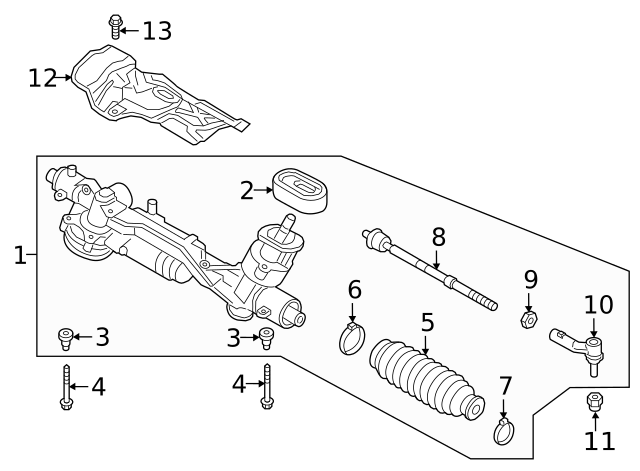
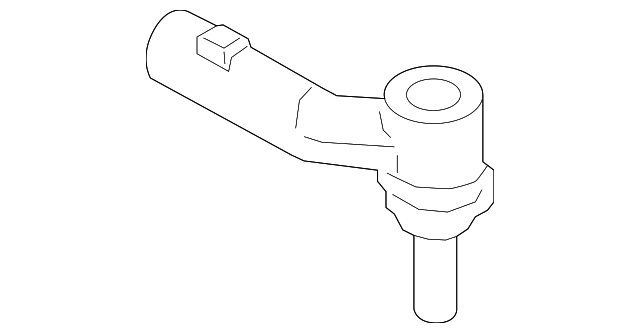
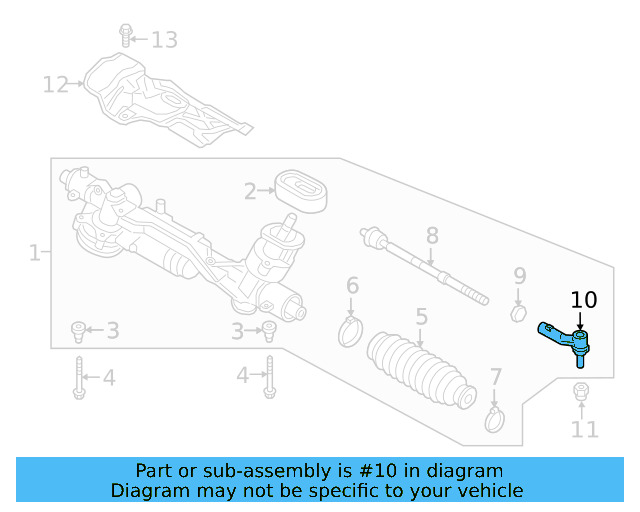
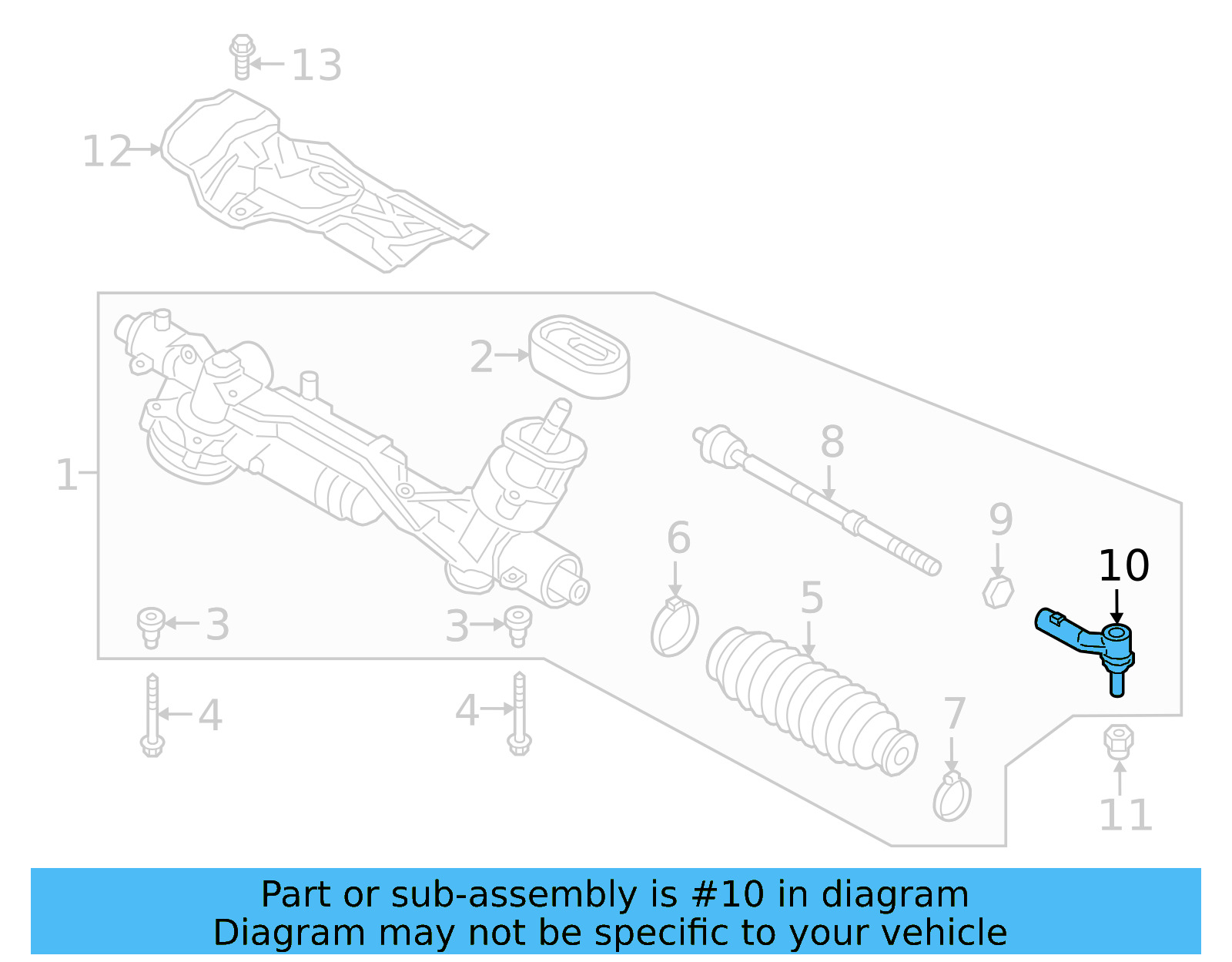
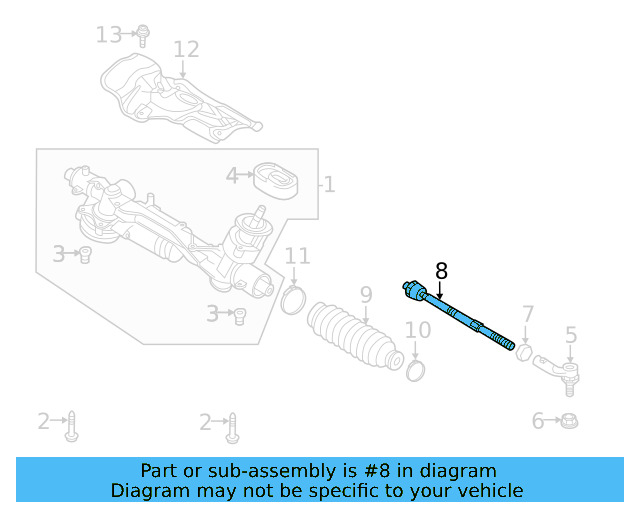
Outer Tie Rod 3QF-423-812-C

Артикул
3QF-423-812-C 3qf423812c 3qf-423-812-c 3QF423812C
Заменяет
3QF-423-812-A 3qf-423-812-a 3QF423812A
3QF-423-812-B 3qf-423-812-b 3QF423812B
Альтернативные названия
VW Atlas Tie Rod End Right 3QF 423 812 C Outer Steering Tie Rod End Front Right Atlas Cross Sport Steering Rod End VW Tie Rod End M16x1.5
Диапазон цен
$163 – $266
по 3 предложениям
Оригинальные запчасти 3
Б/у запчасти 0
Совместимые автомобили 124
Сравнить 3 предложения

Доступно в магазинах 3 предложения

leithvwcary.com Поставщик автозапчастей
1 продавец 1 новых
Leith Volkswagen
Официальный дилер
$266
Другие продавцы Поставщик автозапчастей
2 продавца 2 новых
Volkswagen
Новая
$227 $163
Alexandria Volkswagen
Новая
$235

Совместимость с автомобилями 124 автомобиля
Год Марка Модель Кузов и комплектация Двигатель
2025 Volkswagen Atlas Peak Edition SE 2.0L L4 - Gas
2025 Volkswagen Atlas SE 2.0L L4 - Gas
2025 Volkswagen Atlas SEL 2.0L L4 - Gas
2025 Volkswagen Atlas SEL Premium R-Line 2.0L L4 - Gas
2025 Volkswagen Atlas Cross Sport SE 2.0L L4 - Gas
2025 Volkswagen Atlas Cross Sport SEL 2.0L L4 - Gas
2025 Volkswagen Atlas Cross Sport SEL Premium R-Line 2.0L L4 - Gas
2025 Volkswagen Atlas Cross Sport SEL R-Line 2.0L L4 - Gas
2025 Volkswagen Atlas Cross Sport SEL R-Line Black 2.0L L4 - Gas
2024 Volkswagen Atlas Peak Edition SE 2.0L L4 - Gas
2024 Volkswagen Atlas Peak Edition SEL 2.0L L4 - Gas
2024 Volkswagen Atlas SE 2.0L L4 - Gas
2024 Volkswagen Atlas SEL 2.0L L4 - Gas
2024 Volkswagen Atlas SEL Premium R-Line 2.0L L4 - Gas
2024 Volkswagen Atlas Cross Sport SE 2.0L L4 - Gas
2024 Volkswagen Atlas Cross Sport SEL 2.0L L4 - Gas
2024 Volkswagen Atlas Cross Sport SEL Premium R-Line 2.0L L4 - Gas
2024 Volkswagen Atlas Cross Sport SEL R-Line 2.0L L4 - Gas
2023 Volkswagen Atlas SE 2.0L L4 - Gas
2023 Volkswagen Atlas SE 3.6L V6 - Gas
2023 Volkswagen Atlas SEL 2.0L L4 - Gas
2023 Volkswagen Atlas SEL 3.6L V6 - Gas
2023 Volkswagen Atlas SEL Premium R-Line 2.0L L4 - Gas
2023 Volkswagen Atlas SEL Premium R-Line 3.6L V6 - Gas
2023 Volkswagen Atlas SEL R-Line Black 2.0L L4 - Gas
2023 Volkswagen Atlas SEL R-Line Black 3.6L V6 - Gas
2023 Volkswagen Atlas Cross Sport SE 2.0L L4 - Gas
2023 Volkswagen Atlas Cross Sport SE 3.6L V6 - Gas
2023 Volkswagen Atlas Cross Sport SEL 2.0L L4 - Gas
2023 Volkswagen Atlas Cross Sport SEL 3.6L V6 - Gas
2023 Volkswagen Atlas Cross Sport SEL Premium R-Line 2.0L L4 - Gas
2023 Volkswagen Atlas Cross Sport SEL Premium R-Line 3.6L V6 - Gas
2023 Volkswagen Atlas Cross Sport SEL R-Line Black 2.0L L4 - Gas
2023 Volkswagen Atlas Cross Sport SEL R-Line Black 3.6L V6 - Gas
2022 Volkswagen Atlas SE 2.0L L4 - Gas
2022 Volkswagen Atlas SE 3.6L V6 - Gas
2022 Volkswagen Atlas SEL 2.0L L4 - Gas
2022 Volkswagen Atlas SEL 3.6L V6 - Gas
2022 Volkswagen Atlas SEL Premium R-Line 2.0L L4 - Gas
2022 Volkswagen Atlas SEL Premium R-Line 3.6L V6 - Gas
2022 Volkswagen Atlas SEL R-Line 2.0L L4 - Gas
2022 Volkswagen Atlas SEL R-Line 3.6L V6 - Gas
2022 Volkswagen Atlas Cross Sport S 2.0L L4 - Gas
2022 Volkswagen Atlas Cross Sport S 3.6L V6 - Gas
2022 Volkswagen Atlas Cross Sport SE 2.0L L4 - Gas
2022 Volkswagen Atlas Cross Sport SE 3.6L V6 - Gas
2022 Volkswagen Atlas Cross Sport SEL 2.0L L4 - Gas
2022 Volkswagen Atlas Cross Sport SEL 3.6L V6 - Gas
2022 Volkswagen Atlas Cross Sport SEL Premium R-Line 2.0L L4 - Gas
2022 Volkswagen Atlas Cross Sport SEL Premium R-Line 3.6L V6 - Gas
2022 Volkswagen Atlas Cross Sport SEL R-Line 2.0L L4 - Gas
2022 Volkswagen Atlas Cross Sport SEL R-Line 3.6L V6 - Gas
2021 Volkswagen Atlas S 2.0L L4 - Gas
2021 Volkswagen Atlas S 3.6L V6 - Gas
2021 Volkswagen Atlas SE 2.0L L4 - Gas
2021 Volkswagen Atlas SE 3.6L V6 - Gas
2021 Volkswagen Atlas SEL 2.0L L4 - Gas
2021 Volkswagen Atlas SEL 3.6L V6 - Gas
2021 Volkswagen Atlas SEL Premium 2.0L L4 - Gas
2021 Volkswagen Atlas SEL Premium 3.6L V6 - Gas
2021 Volkswagen Atlas SEL Premium R-Line 2.0L L4 - Gas
2021 Volkswagen Atlas SEL Premium R-Line 3.6L V6 - Gas
2021 Volkswagen Atlas SEL R-Line 2.0L L4 - Gas
2021 Volkswagen Atlas SEL R-Line 3.6L V6 - Gas
2021 Volkswagen Atlas Cross Sport S 2.0L L4 - Gas
2021 Volkswagen Atlas Cross Sport S 3.6L V6 - Gas
2021 Volkswagen Atlas Cross Sport SE 2.0L L4 - Gas
2021 Volkswagen Atlas Cross Sport SE 3.6L V6 - Gas
2021 Volkswagen Atlas Cross Sport SE R-Line 2.0L L4 - Gas
2021 Volkswagen Atlas Cross Sport SE R-Line 3.6L V6 - Gas
2021 Volkswagen Atlas Cross Sport SEL 2.0L L4 - Gas
2021 Volkswagen Atlas Cross Sport SEL 3.6L V6 - Gas
2021 Volkswagen Atlas Cross Sport SEL Premium 2.0L L4 - Gas
2021 Volkswagen Atlas Cross Sport SEL Premium 3.6L V6 - Gas
2021 Volkswagen Atlas Cross Sport SEL Premium R-Line 2.0L L4 - Gas
2021 Volkswagen Atlas Cross Sport SEL Premium R-Line 3.6L V6 - Gas
2021 Volkswagen Atlas Cross Sport SEL R-Line 2.0L L4 - Gas
2021 Volkswagen Atlas Cross Sport SEL R-Line 3.6L V6 - Gas
2020 Volkswagen Atlas S 2.0L L4 - Gas
2020 Volkswagen Atlas S 3.6L V6 - Gas
2020 Volkswagen Atlas SE 2.0L L4 - Gas
2020 Volkswagen Atlas SE 3.6L V6 - Gas
2020 Volkswagen Atlas SEL 2.0L L4 - Gas
2020 Volkswagen Atlas SEL 3.6L V6 - Gas
2020 Volkswagen Atlas SEL Premium 2.0L L4 - Gas
2020 Volkswagen Atlas SEL Premium 3.6L V6 - Gas
2020 Volkswagen Atlas SEL R-Line 2.0L L4 - Gas
2020 Volkswagen Atlas SEL R-Line 3.6L V6 - Gas
2020 Volkswagen Atlas Cross Sport S 2.0L L4 - Gas
2020 Volkswagen Atlas Cross Sport S 3.6L V6 - Gas
2020 Volkswagen Atlas Cross Sport SE 2.0L L4 - Gas
2020 Volkswagen Atlas Cross Sport SE 3.6L V6 - Gas
2020 Volkswagen Atlas Cross Sport SE R-Line 2.0L L4 - Gas
2020 Volkswagen Atlas Cross Sport SE R-Line 3.6L V6 - Gas
2020 Volkswagen Atlas Cross Sport SEL 2.0L L4 - Gas
2020 Volkswagen Atlas Cross Sport SEL 3.6L V6 - Gas
2020 Volkswagen Atlas Cross Sport SEL Premium 2.0L L4 - Gas
2020 Volkswagen Atlas Cross Sport SEL Premium 3.6L V6 - Gas
2020 Volkswagen Atlas Cross Sport SEL Premium R-Line 2.0L L4 - Gas
2020 Volkswagen Atlas Cross Sport SEL Premium R-Line 3.6L V6 - Gas
2020 Volkswagen Atlas Cross Sport SEL R-Line 2.0L L4 - Gas
2020 Volkswagen Atlas Cross Sport SEL R-Line 3.6L V6 - Gas
2019 Volkswagen Atlas S 2.0L L4 - Gas
2019 Volkswagen Atlas S 3.6L V6 - Gas
2019 Volkswagen Atlas SE 2.0L L4 - Gas
2019 Volkswagen Atlas SE 3.6L V6 - Gas
2019 Volkswagen Atlas SE R-Line 2.0L L4 - Gas
2019 Volkswagen Atlas SE R-Line 3.6L V6 - Gas
2019 Volkswagen Atlas SEL 2.0L L4 - Gas
2019 Volkswagen Atlas SEL 3.6L V6 - Gas
2019 Volkswagen Atlas SEL Premium 2.0L L4 - Gas
2019 Volkswagen Atlas SEL Premium 3.6L V6 - Gas
2019 Volkswagen Atlas SEL R-Line 2.0L L4 - Gas
2019 Volkswagen Atlas SEL R-Line 3.6L V6 - Gas
2018 Volkswagen Atlas Launch Edition 2.0L L4 - Gas
2018 Volkswagen Atlas Launch Edition 3.6L V6 - Gas
2018 Volkswagen Atlas S 2.0L L4 - Gas
2018 Volkswagen Atlas S 3.6L V6 - Gas
2018 Volkswagen Atlas SE 2.0L L4 - Gas
2018 Volkswagen Atlas SE 3.6L V6 - Gas
2018 Volkswagen Atlas SEL 2.0L L4 - Gas
2018 Volkswagen Atlas SEL 3.6L V6 - Gas
2018 Volkswagen Atlas SEL Premium 2.0L L4 - Gas
2018 Volkswagen Atlas SEL Premium 3.6L V6 - Gas

Технические характеристики

Fitting Position Front Axle, Right
Component Length 94 mm
Inner Thread Size M16x1.5
Outer Thread Size M12x1.5
Material High-strength steel alloy
Part Number (OEM) 3QF-423-812-C
Predecessor Parts 3QF-423-812-A, 3QF-423-812-B
Compatible Engines 2.0L I4 Turbo, 3.6L V6
Compatible Models VW Atlas (2018–2025), VW Atlas Cross Sport (2020–2025)

Как заменить Outer Tie Rod

Replacing the outer tie rod end on the VW Atlas or Atlas Cross Sport is a straightforward procedure for an experienced technician, but requires a tie rod end separator tool, torque wrench, and a subsequent professional wheel alignment. Always consult the vehicle's factory service manual for model-year-specific torque values before beginning.

Полезные советы

  • Always use a proper tie rod separator tool — a pickle fork or dedicated ball joint press prevents damage to the rubber boot and stud taper that a hammer strike cannot avoid.
  • Mark the inner tie rod threads before removal — this preserves the approximate toe setting and makes the post-replacement alignment quicker and cheaper.
  • Never reuse the cotter pin — install the new cotter pin included or sourced separately; a missing or reused cotter pin can allow the castle nut to back off, causing sudden loss of steering control.
  • Apply anti-seize to the inner tie rod threads only if specified by your service manual; in corrosion-prone climates this can simplify future removal, but verify it does not affect torque specification compliance.
  • Verify VIN fitment before ordering — the Atlas and Atlas Cross Sport share this part number across multiple production years and engine variants, but production date cutoffs can differ; always confirm using your vehicle's full VIN.
  1. Prepare the Vehicle

    Park on a level surface and engage the parking brake. Loosen the front right lug nuts slightly before lifting the vehicle. Raise the vehicle with a floor jack and secure it firmly on jack stands rated for the vehicle's weight. Remove the front right wheel.

  2. Mark the Inner Tie Rod Position

    Before removing anything, use a paint marker or scribe to mark the exact position of the outer tie rod end on the inner tie rod threads. This reference mark will allow you to install the new tie rod end at approximately the same depth, preserving your existing alignment setting until a proper alignment can be performed.

  3. Remove the Cotter Pin and Castle Nut

    Straighten and remove the cotter pin securing the castle nut on the tie rod stud. Remove the castle nut and set it aside. If the nut is corroded, apply penetrating oil and allow it to soak before attempting removal.

  4. Separate the Tie Rod End from the Steering Knuckle

    Use a dedicated tie rod end separator or pickle fork tool to press the tapered stud out of the steering knuckle bore. Avoid using a hammer directly on the stud threads, as this can damage them. Once freed, support the steering knuckle so it does not drop and strain the brake hose or ABS wiring.

  5. Unscrew the Old Tie Rod End

    Loosen the jam nut that locks the outer tie rod end against the inner tie rod. Count the number of exposed threads or note the position relative to your mark, then unscrew the old outer tie rod end completely.

  6. Install the New Tie Rod End

    Thread the new 3QF-423-812-C outer tie rod end onto the inner tie rod to the same position as the mark made in Step 2. Insert the tapered stud into the steering knuckle bore and install the castle nut. Torque the castle nut to the manufacturer's specification from the factory service manual, then advance it to the next cotter pin slot if needed.

  7. Secure with Cotter Pin and Tighten Jam Nut

    Install a new cotter pin through the castle nut and stud. Bend both legs of the cotter pin fully around the nut to lock it in place — never reuse the old cotter pin. Tighten the jam nut firmly against the outer tie rod end body.

  8. Reinstall Wheel and Perform Alignment

    Reinstall the wheel and hand-tighten the lug nuts. Lower the vehicle and torque the lug nuts to specification in a star pattern. Drive the vehicle to a wheel alignment shop immediately — do not delay the alignment, as even a small change in toe setting causes rapid, uneven tire wear.

Признаки износа детали

  • Uneven or Excessive Tire Wear

    A worn tie rod end allows the wheel's toe angle to shift unpredictably, causing the inner or outer tire edge to wear rapidly and unevenly — often the first visible sign of failure.

  • Steering Wheel Vibration

    Play in a deteriorating tie rod end ball joint transmits road forces back through the steering column as vibration or shimmy, particularly noticeable at highway speeds.

  • Loose or Unresponsive Steering

    Excessive wear in the joint introduces unwanted free play — the steering wheel may feel vague, slow to respond, or require more input than usual to direct the vehicle.

  • Clunking or Knocking When Turning

    A worn ball socket within the tie rod end will produce audible clunking, popping, or knocking noises when the steering wheel is turned, particularly during low-speed parking maneuvers.

  • Vehicle Pulling to One Side

    When the right outer tie rod end is compromised, toe alignment on that corner is disrupted, causing the vehicle to drift or pull noticeably to the right during straight-line driving.

Периодичность замены

Standard Inspection Interval
Every 20,000–30,000 miles
Volkswagen does not specify a fixed replacement interval for tie rod ends. Inspect the joint for looseness, torn boots, and corrosion at every major service interval or tire rotation.
Severe-Use Inspection Interval
Every 10,000–15,000 miles
Vehicles operated on rough roads, gravel, unpaved surfaces, or in high-corrosion environments (road salt regions) should have tie rod ends inspected more frequently due to accelerated joint and boot wear.

Volkswagen does not publish a mileage-based replacement interval for tie rod ends. Replace immediately upon any sign of looseness, torn boot, corrosion-compromised threads, or any of the symptoms listed above, regardless of mileage.

Часто задаваемые вопросы

Is the 3QF-423-812-C the right-side or left-side tie rod end?

This part number is for the front axle right (passenger side) outer tie rod end. Verify your specific side before ordering, as the left-side tie rod end carries a different part number.

Will this part fit my VW Atlas with the 2.0L turbocharged engine as well as the 3.6L V6?

Yes. The 3QF-423-812-C is compatible with both the 2.0L I4 Turbo and 3.6L V6 engine variants of the VW Atlas (2018–2025) and Atlas Cross Sport (2020–2025). Always confirm with your VIN, as production-date cutoffs can occasionally affect fitment.

Do I need a wheel alignment after replacing the outer tie rod end?

Yes, a professional four-wheel alignment is required after replacing any outer tie rod end. Even reinstalling a new part at the same thread depth as the old one is not a substitute for a proper alignment, as the original setting may itself have been off. Driving without an alignment risks rapid and uneven tire wear.

Can I replace just the outer tie rod end, or do I need to replace the whole tie rod assembly?

In most cases you can replace only the outer tie rod end if the inner tie rod and steering rack are in good condition. However, it is good practice to inspect the inner tie rod for play and the boot for tears at the same time. If the inner tie rod also shows wear, replacing the full assembly is more cost-effective.

Are the 3QF-423-812-A and 3QF-423-812-B the same part?

Yes. The A and B suffix variants are superseded predecessor part numbers within the Volkswagen Group parts system. The 3QF-423-812-C is the current, up-to-date version and will replace -A and -B applications directly.

Which aftermarket brand is the best alternative to the genuine VW part?

LEMFÖRDER (part number 39704 01) is the top-recommended aftermarket alternative. LEMFÖRDER is a Tier-1 OEM supplier to Volkswagen Group and their parts are manufactured to the same dimensional and material standards as genuine VW components, often at a lower price point.

Нашли ошибку?

Помогите нам стать лучше — если вы заметили ошибку на сайте или в данных, сообщите нам, и мы исправим её как можно скорее.