
 RU
RU
 Deutsch
 English
 polski
 українська
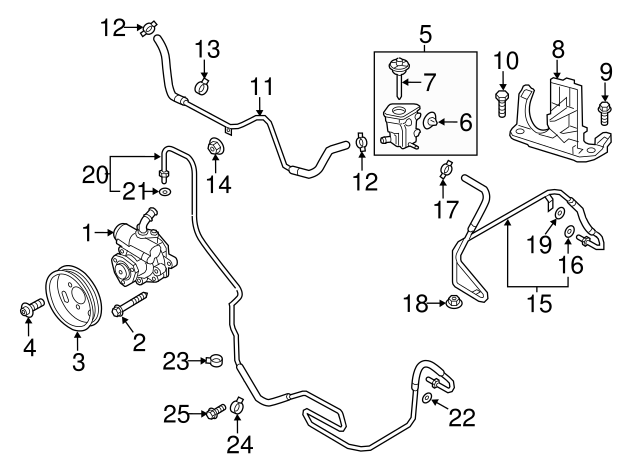
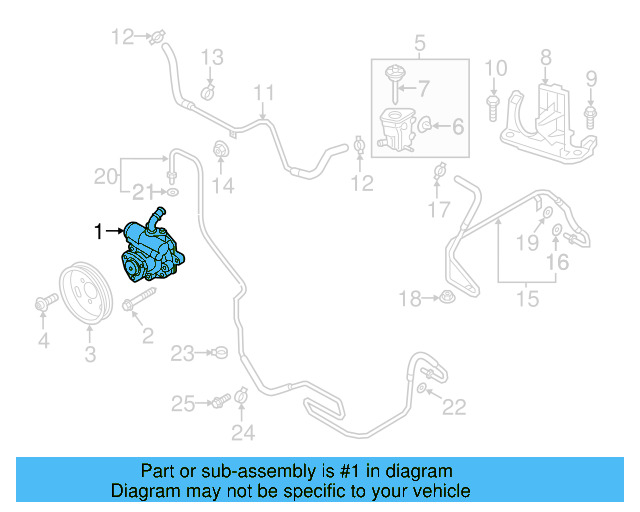
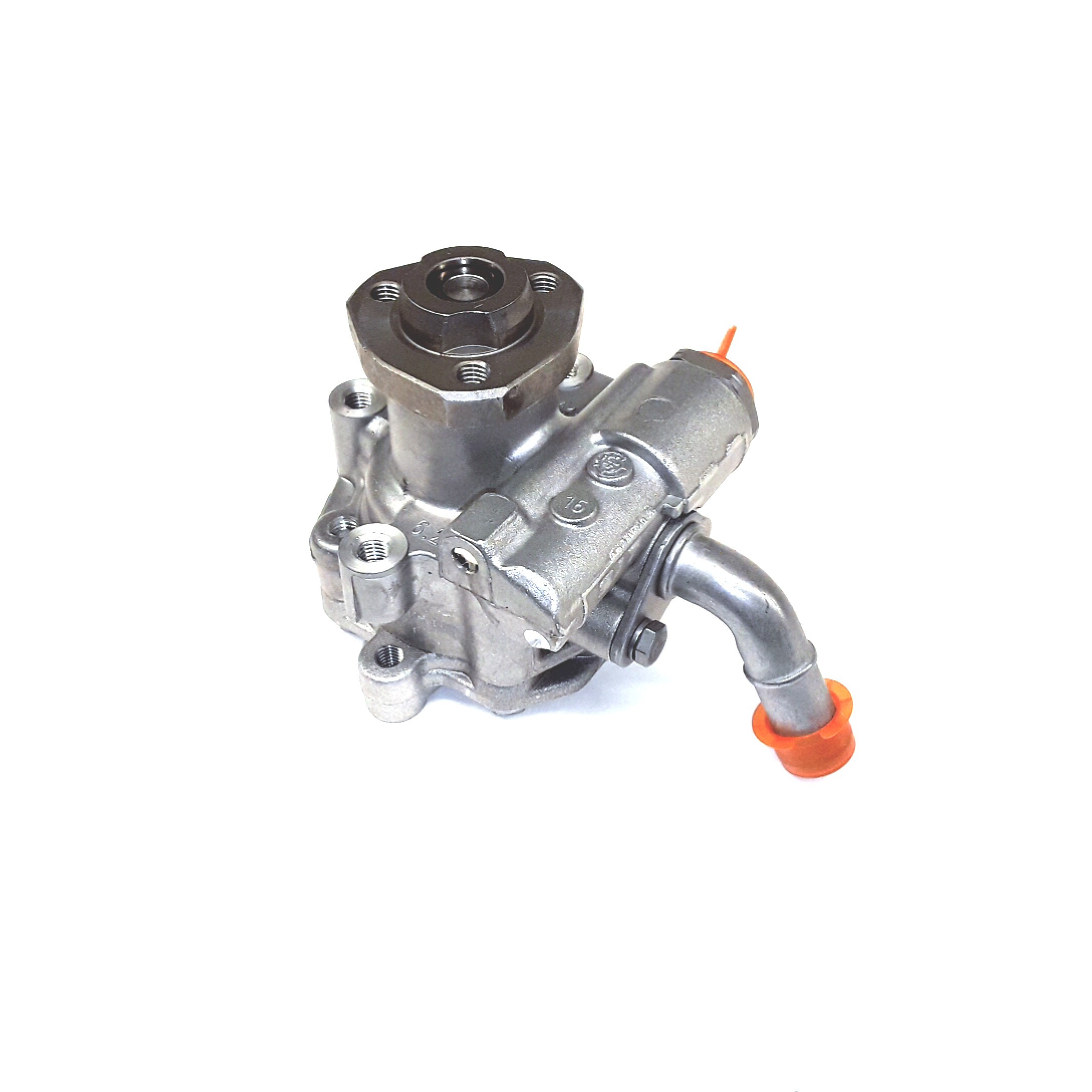
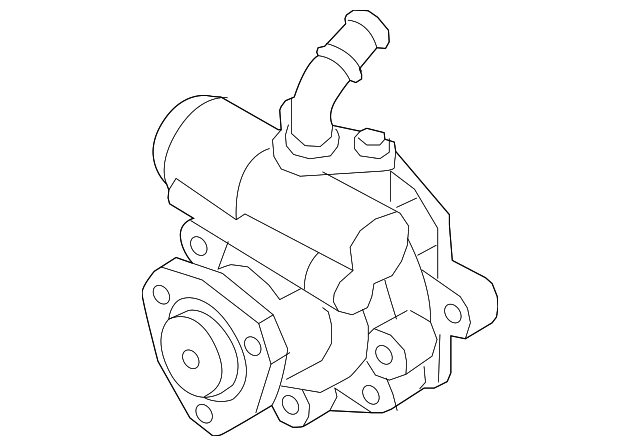
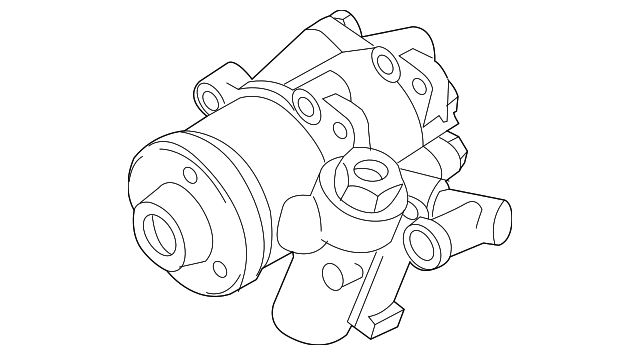
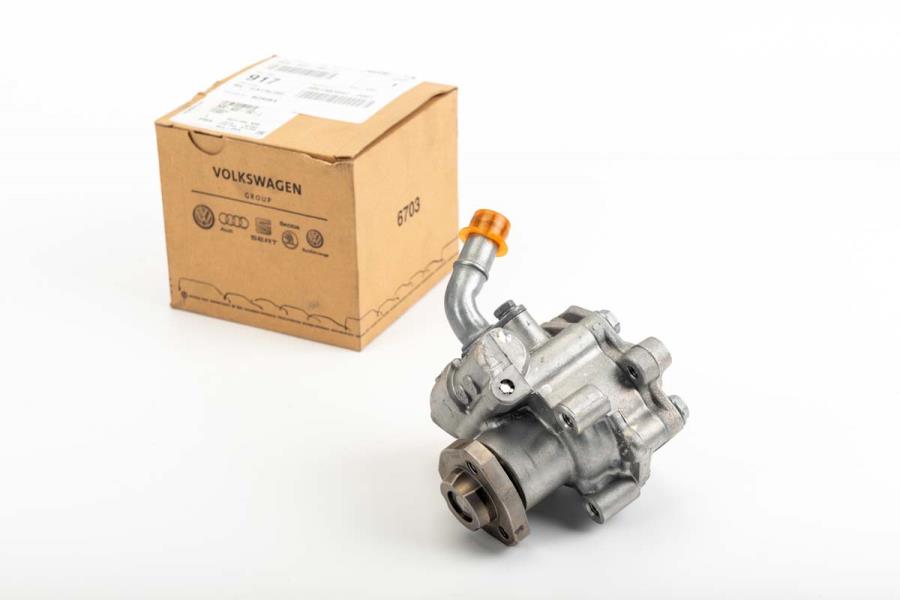
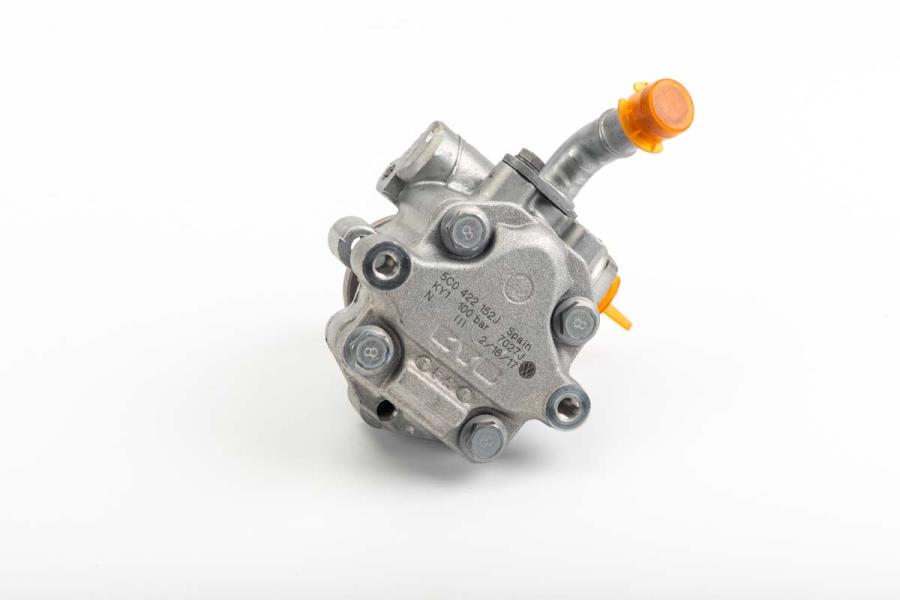
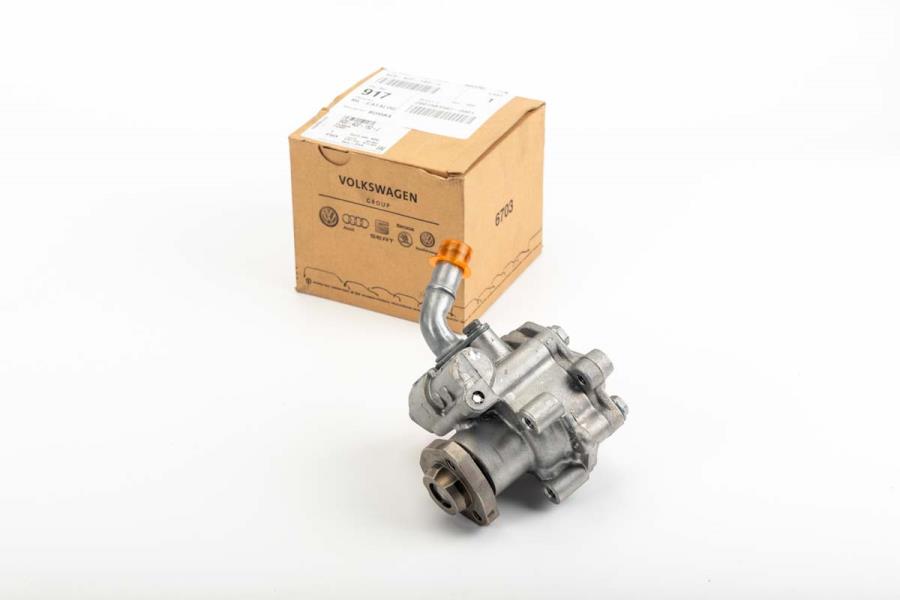
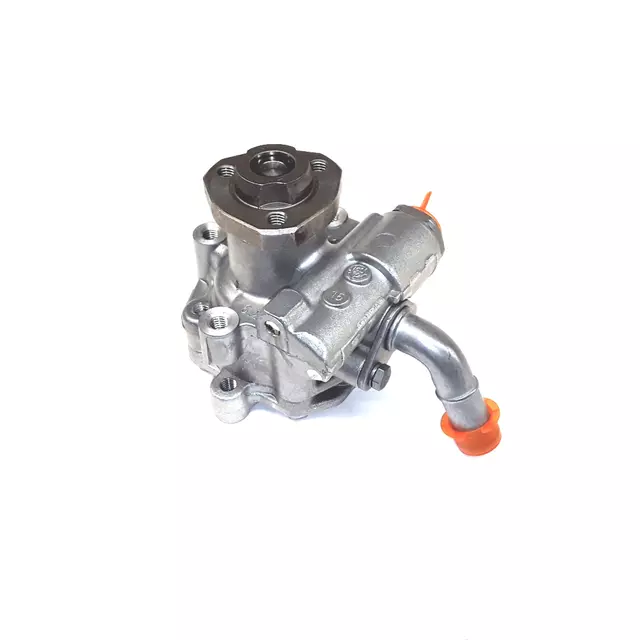
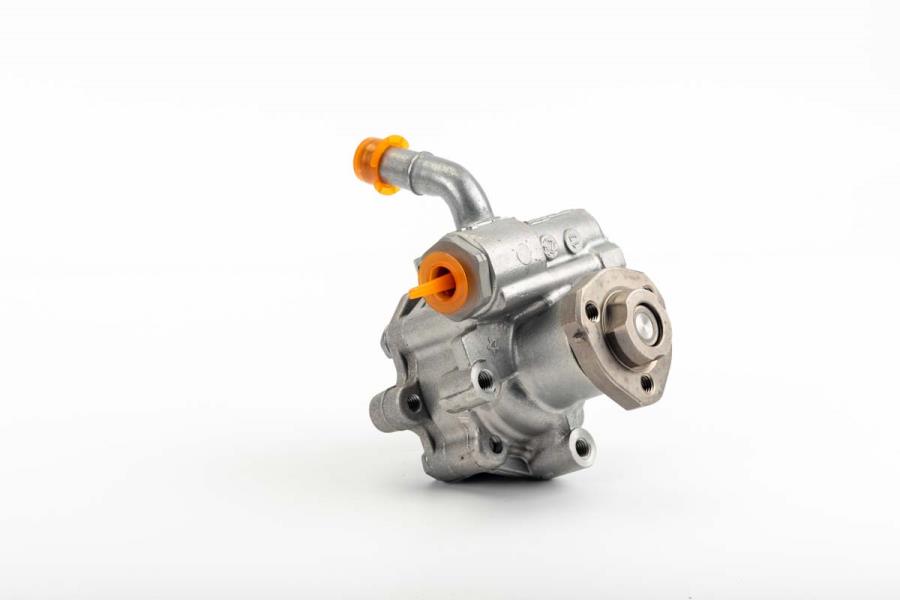
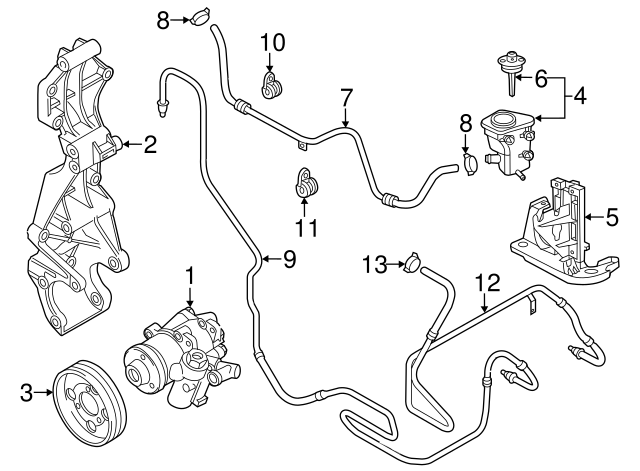
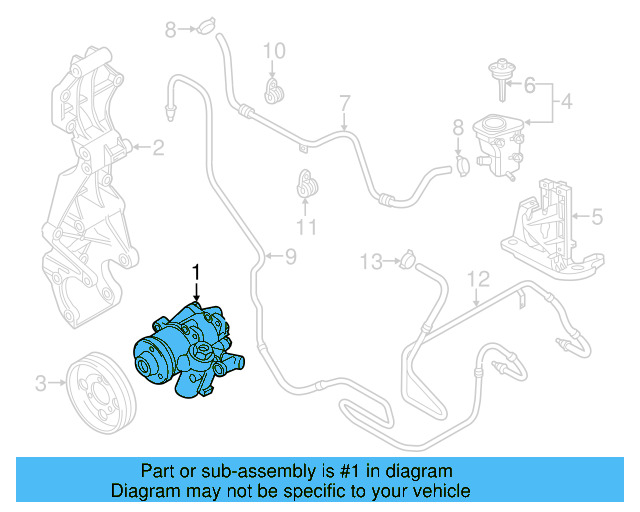
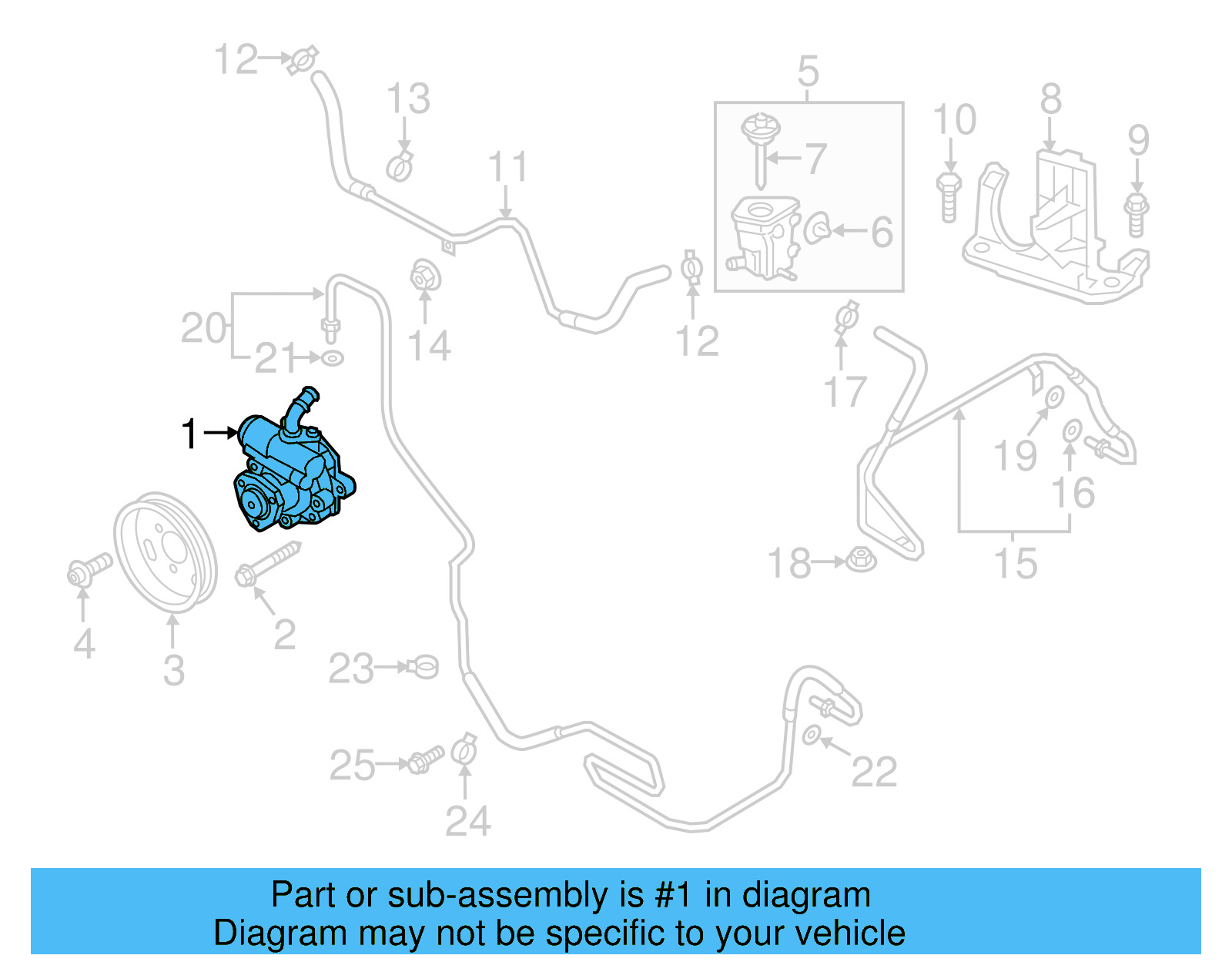
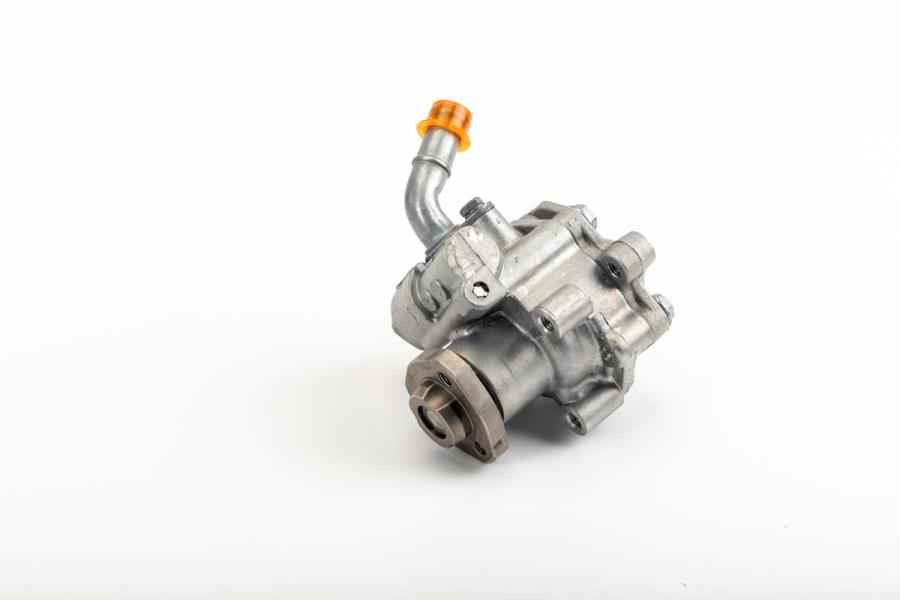
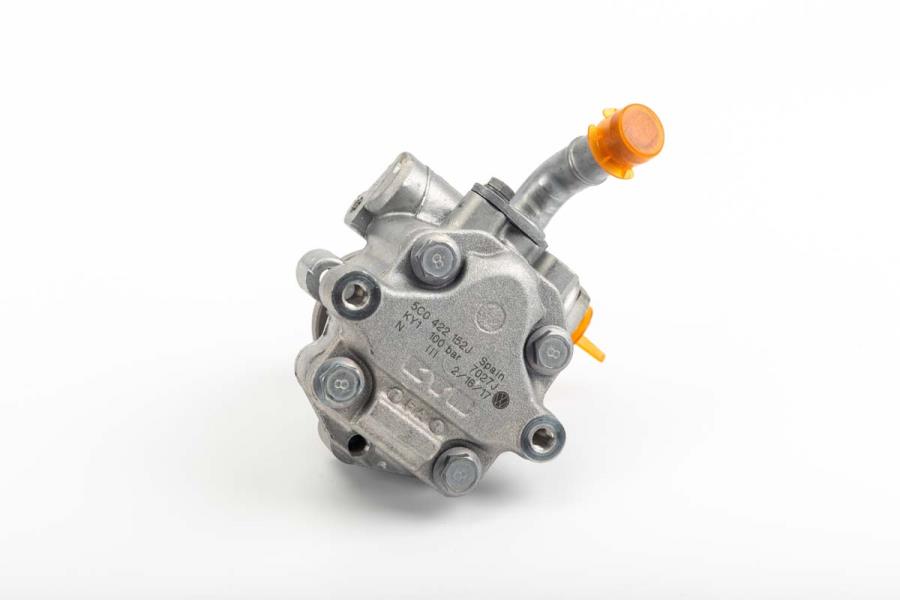
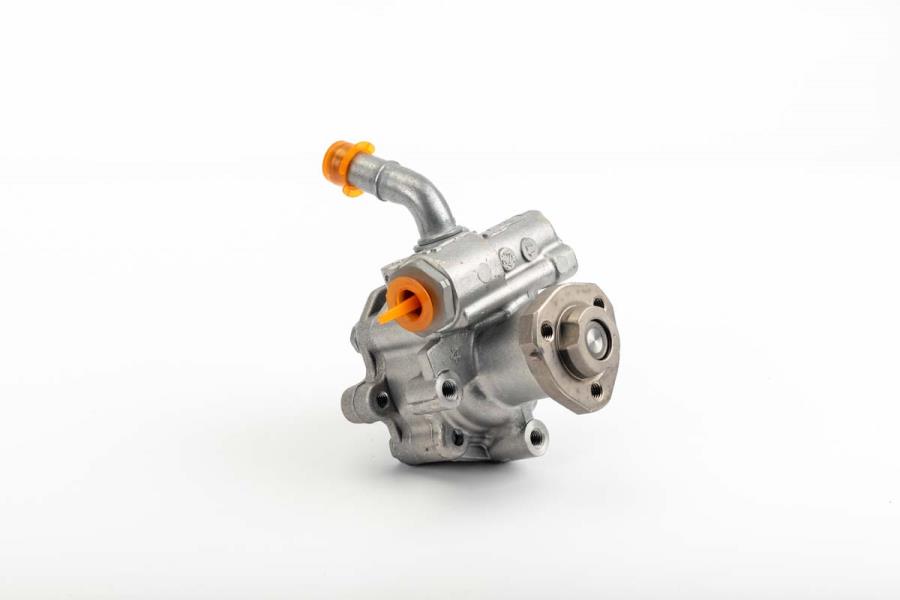
Power Steering Pump 5C0-422-152-J
Доступно в магазинах 13 предложений
Совместимость с автомобилями 104 автомобиля
Технические характеристики
| OEM Part Number | 5C0-422-152-J |
|---|---|
| Supersedes | 5C0-422-152-G |
| Manufacturer | Volkswagen |
| Manufacturer Restriction | KAYABA |
| Operating Mode | Hydraulic |
| Operating Pressure | 100 bar |
| Color | Black |
| Compatible Engines | 1.8L Gas, 2.0L Diesel, 2.0L Gas, 2.5L Gas, 3.6L Gas |
| Application Years | 2011–2014 |
| Compatible Models | VW Beetle, VW Jetta, VW Passat |
Как заменить Power Steering Pump
Replacing the 5C0-422-152-J power steering pump is an intermediate-level repair requiring basic hand tools, a drain container, and access to the front of the engine bay. Allow the engine to cool completely before beginning, and have the correct Volkswagen-approved power steering fluid ready for refilling. Always consult the vehicle-specific service manual for torque specifications before starting.
-
Prepare the Vehicle
Park on a level surface and allow the engine to cool completely. Disconnect the negative battery terminal to prevent accidental electrical activation during the repair.
-
Remove the Drive Belt
Locate the belt tensioner and release tension using the appropriate tool. Slide the drive belt off the power steering pump pulley and set it aside.
-
Drain the Power Steering Fluid
Position a fluid catch container beneath the pump. Disconnect the return hose from the pump and allow the power steering fluid to drain fully into the container.
-
Disconnect the Pressure Line
Unscrew the high-pressure line from the pump. Be prepared for residual fluid spillage and keep your catch container in place. Plug or cap both the line and pump port to minimize mess.
-
Remove the Old Pump
Unbolt the mounting fasteners securing the pump to the engine bracket. Carefully extract the pump from its mounting position, taking care not to damage surrounding components or hoses.
-
Install the New Pump
Position the new 5C0-422-152-J pump onto the mounting bracket. Hand-thread the mounting bolts first, then torque to specification — typically 15–25 ft-lb. Always confirm exact values in the Volkswagen service manual.
-
Reconnect Hoses and Belt
Reattach the pressure line and torque to 18–25 ft-lb. Reconnect the return hose and secure it with its clamp. Reinstall the drive belt over the pump pulley and verify correct belt routing and tension.
-
Refill and Bleed the System
Fill the power steering reservoir with the Volkswagen-approved fluid. Start the engine and slowly turn the steering wheel from full lock to full lock several times to purge air. Check fluid level and top up as needed. Inspect all connections for leaks.
Признаки износа детали
-
Heavy or Stiff Steering
A failing power steering pump loses the ability to maintain adequate hydraulic pressure, making the steering wheel noticeably harder to turn, especially at low speeds or when parking.
-
Whining or Groaning Noise
A worn or air-contaminated pump often produces a whining, groaning, or squealing noise that increases when turning the wheel toward full lock, indicating internal pump wear or low fluid.
-
Power Steering Fluid Leak
Deteriorating internal seals or a cracked pump housing can cause fluid to leak at the pump body, pressure line fitting, or return hose connection, visible as reddish or amber puddles under the front of the vehicle.
-
Erratic or Inconsistent Steering Assist
Intermittent loss of power assist — where the steering suddenly feels heavy then returns to normal — points to a pump that is failing to maintain consistent pressure output.
-
Low or Foamy Power Steering Fluid
A pump with failing seals or air ingestion can cause the fluid in the reservoir to appear foamy or bubbly, and the fluid level may drop repeatedly without a visible external leak.
Периодичность замены
Volkswagen does not specify a routine replacement interval for the power steering pump. Inspect the pump and fluid condition at every service interval and replace only when failure symptoms are present or when fluid analysis indicates degradation.
Часто задаваемые вопросы
What vehicles is the 5C0-422-152-J power steering pump compatible with?
This pump fits the Volkswagen Beetle (2012–2014) in Base, GSR, R-Line, TDI, and Turbo trims; the Volkswagen Jetta (2011–2013) in S, SE, and SEL trims with a 2.5L gas engine; and the Volkswagen Passat (2012–2014) across S, SE, SEL, SEL Premium, TDI SE, TDI SEL, TDI SEL Premium, and Wolfsburg Edition trims. Always confirm fitment using your vehicle's VIN before ordering.
What part number does 5C0-422-152-J replace?
The 5C0-422-152-J supersedes the earlier OEM part number 5C0-422-152-G. If your vehicle was originally fitted with the -G suffix pump, the -J is the correct updated replacement.
Is the LIZARTE 04.94.0100 a reliable aftermarket alternative?
Yes. The LIZARTE 04.94.0100 is a direct aftermarket equivalent that matches the OEM hydraulic operating mode and 100 bar pressure specification. It is the recommended aftermarket alternative, but you should verify compatibility with your specific model and engine configuration before purchasing.
What type of power steering fluid should I use with this pump?
Always use Volkswagen-approved power steering fluid as specified in your vehicle's owner manual. Using incompatible fluid can damage the pump's internal seals and cause premature failure. Do not mix fluid types.
Why is there a KAYABA manufacturer restriction on this part?
The KAYABA restriction means Volkswagen sources and specifies this pump from KAYABA, a recognized hydraulic pump manufacturer. This ensures the unit meets OEM tolerances for pressure output, seal quality, and durability. Aftermarket alternatives should ideally be KAYABA-compatible or match KAYABA specifications.
How do I know if my power steering pump needs to be replaced rather than just topping up the fluid?
If topping up the fluid resolves the issue only temporarily and symptoms such as whining noise, heavy steering, or a foamy reservoir return shortly after, the pump itself is likely failing internally. A pump that cannot hold pressure or is losing fluid through worn seals requires replacement, not just a fluid top-up.
Нашли ошибку?
Помогите нам стать лучше — если вы заметили ошибку на сайте или в данных, сообщите нам, и мы исправим её как можно скорее.