
 UK
UK
 Deutsch
 English
 polski
 русский
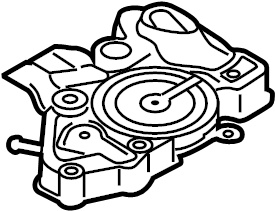
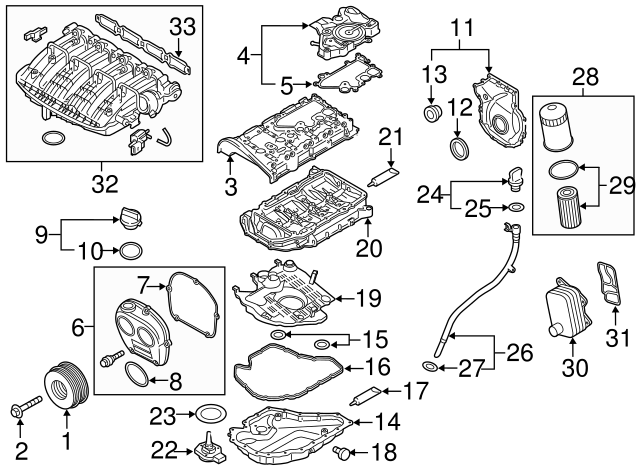
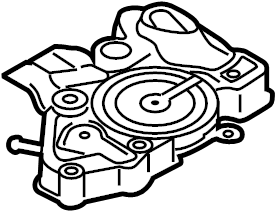

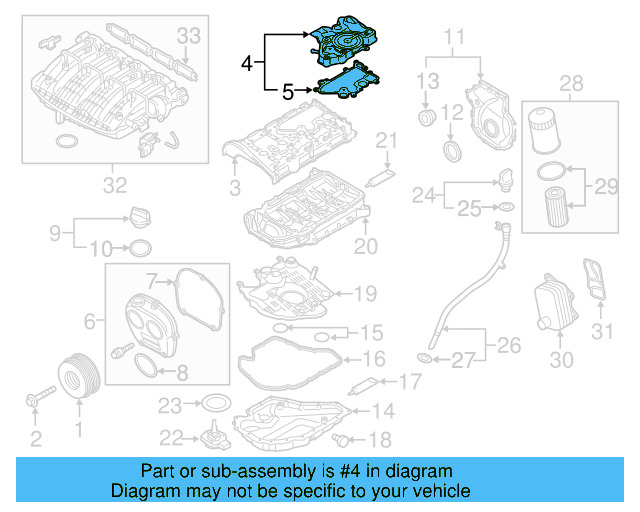
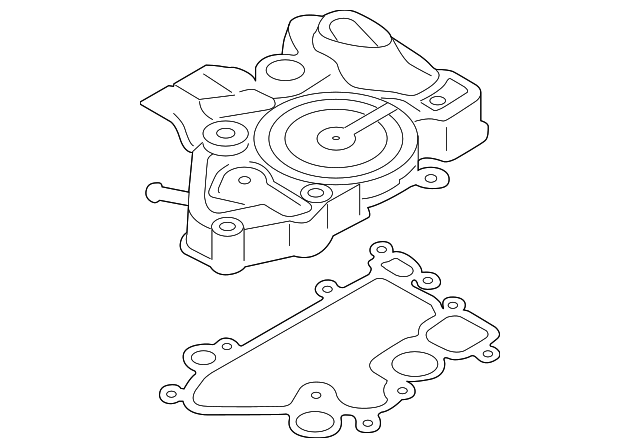
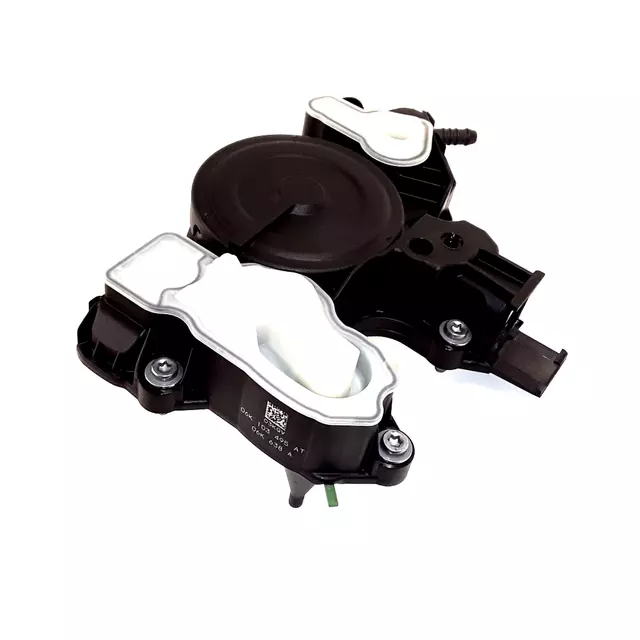
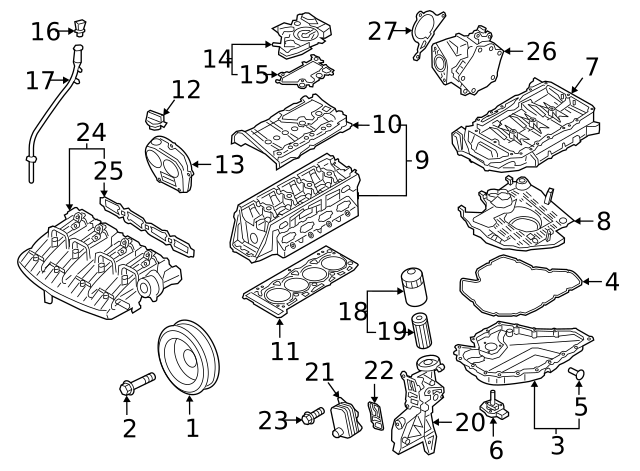
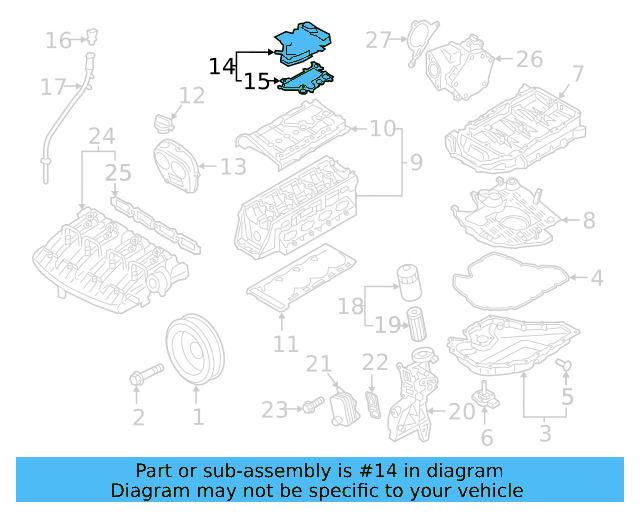
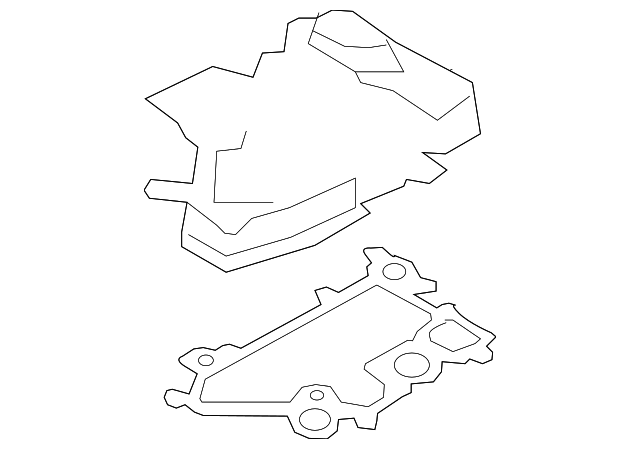
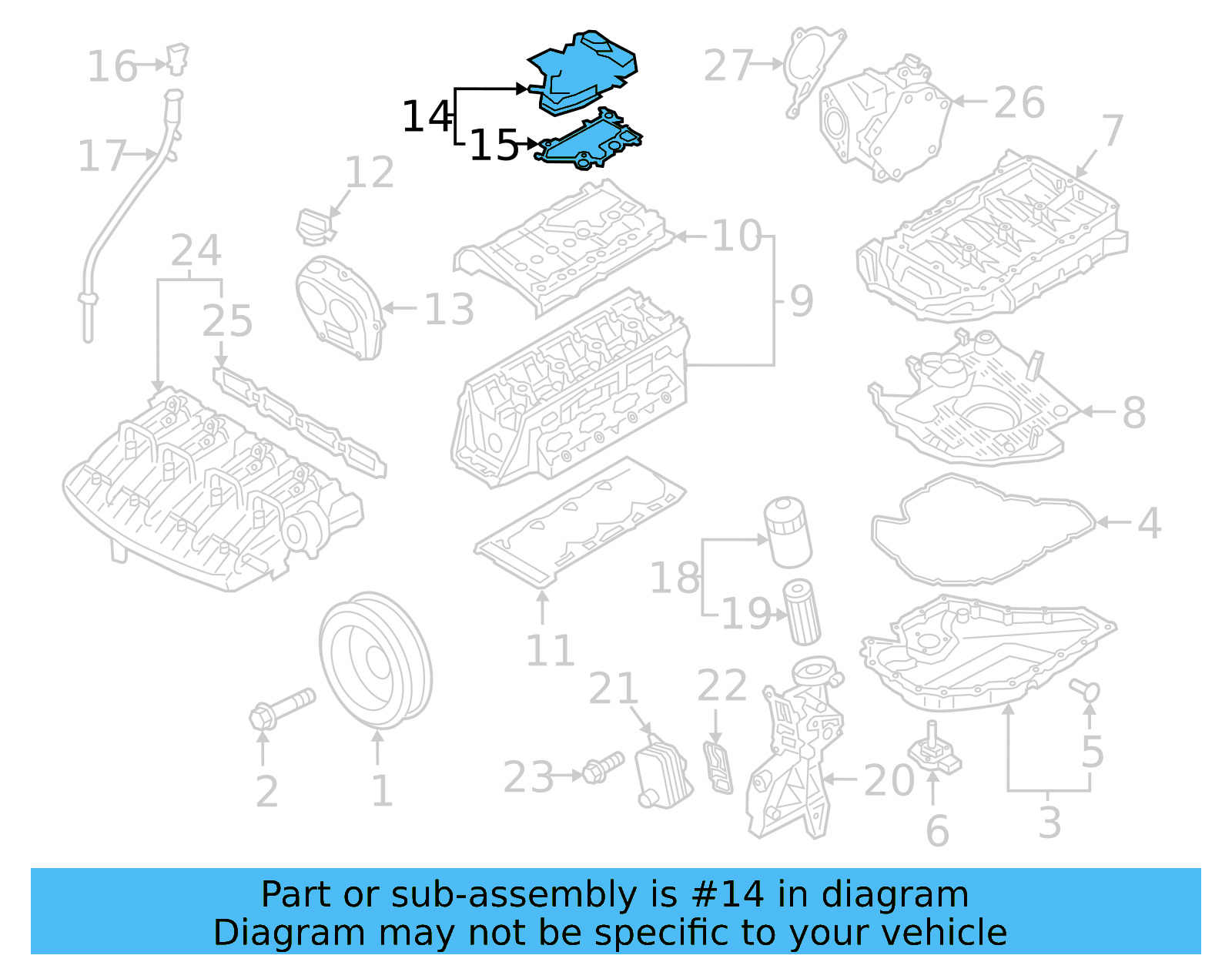
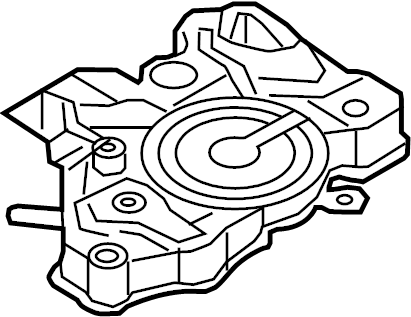
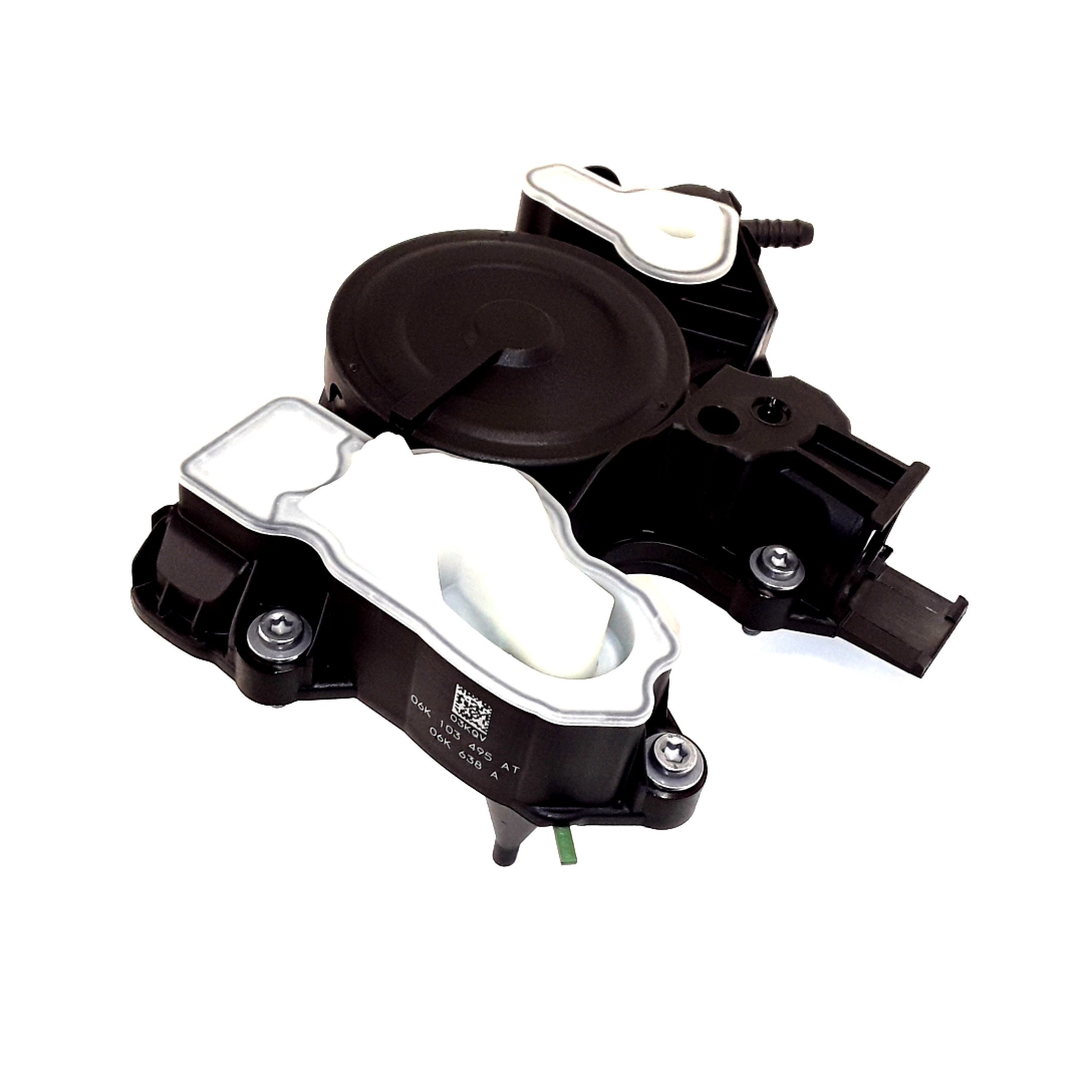
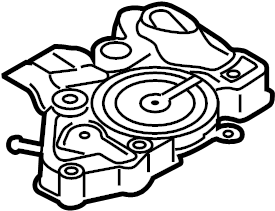
Engine Crankcase Vent Valve 06K-103-495-BM
Доступно в магазинах 34 пропозиції
Сумісність з автомобілями 45 автомобілів


Технічні характеристики
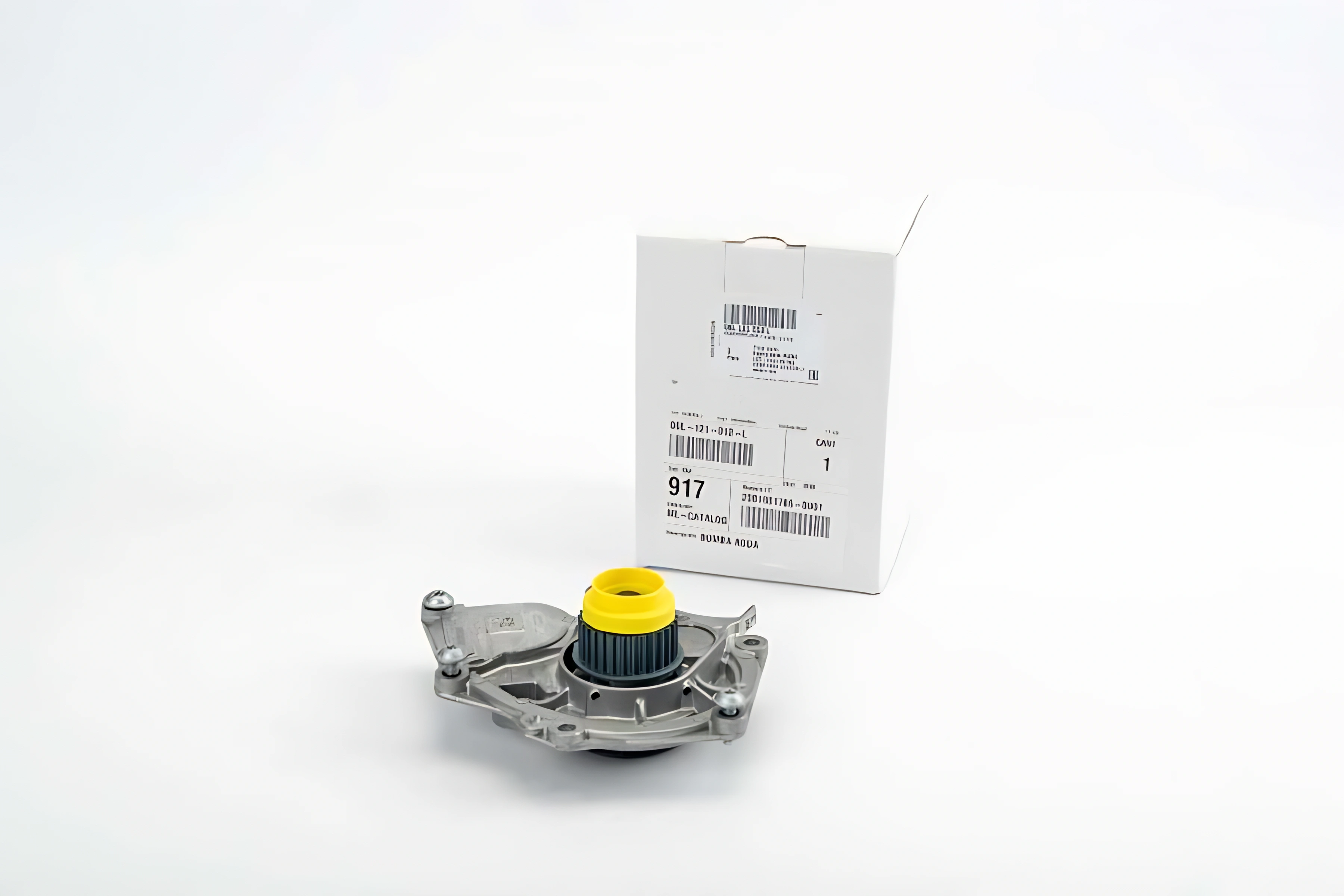
| OEM Part Number | 06K103495BM |
|---|---|
| Part Type | Positive Crankcase Ventilation (PCV) Valve with Oil Separator |
| Material | Durable plastic and metal construction |
| Compatible Engine Displacement | 2.0L gasoline |
| Compatible Engine Codes | CNTA, CYFB, DJJA, CNTC |
| Dimensions | — |
| Thread Size | — |
| Supersedes | 06K103495AA, 06K103495AG, 06K103495AT, 06K103495P |
| Vehicle Application Years | 2016–2021 |
| Brand Group | Volkswagen Group (VAG) |
Як замінити Engine Crankcase Vent Valve
Replacing the 06K103495BM crankcase vent valve is a moderate DIY task requiring basic hand tools. Allow the engine to fully cool before starting, and work in a well-ventilated area. Always consult your vehicle's official service manual for model-specific torque values and procedures not covered in this general guide.
-
Preparation and Safety
Ensure the engine is completely cool. Disconnect the negative battery terminal and allow at least 10 minutes before proceeding to eliminate any electrical hazards.
-
Remove Engine Covers
Remove any engine top covers or components obstructing access to the PCV valve. On most 2.0L VAG engines the valve is located on the top or side of the engine block near the intake manifold area.
-
Disconnect Hoses and Connectors
Carefully disconnect all vacuum hoses and any electrical connectors attached to the old crankcase vent valve. Note or photograph hose routing before removal to ensure correct reassembly.
-
Remove the Old Valve
Unscrew or unclip the valve from its mounting position. Inspect the mounting surface and surrounding area for any signs of oil contamination or damage before installing the new part.
-
Install the New Valve
Position the new 06K103495BM valve onto the mounting location and secure it firmly. Refer to the factory service manual for the correct torque specification if fasteners are used.
-
Reconnect Hoses and Connectors
Reconnect all vacuum hoses and electrical connectors in the correct order, referencing your earlier photographs. Ensure all connections are fully seated and secure.
-
Reassemble and Reconnect Battery
Reinstall any engine covers or components removed during disassembly. Reconnect the negative battery terminal securely.
-
Start Engine and Verify
Start the engine and allow it to reach operating temperature. Check for any vacuum leaks around the new valve, verify no oil leaks are present, and confirm the check engine light has not returned.
Ознаки зношеної деталі
-
Rough Idle or Engine Misfires
A failed PCV valve disrupts crankcase pressure regulation, introducing unmetered air into the intake and causing unstable or rough idling and potential misfires.
-
Increased Oil Consumption
A stuck-open or clogged valve can allow excess oil vapor into the intake or cause crankcase pressure to push oil past seals, leading to higher-than-normal oil consumption.
-
Oil Leaks
Excessive crankcase pressure from a failed PCV valve can force oil past gaskets and seals, resulting in visible oil leaks around the engine.
-
Check Engine Light Illumination
A malfunctioning crankcase vent valve can trigger vacuum or pressure-related fault codes, illuminating the check engine light on the dashboard.
-
Unusual Engine Noises
Excess crankcase pressure or a physically damaged valve can produce hissing, whistling, or other abnormal noises from the engine bay.
Періодичність заміни
Volkswagen's official service schedule does not specify a mandatory replacement interval for this part. Replace based on condition, symptoms, or at the recommendation of a qualified technician during routine service.
Часті запитання
What vehicles is the 06K103495BM compatible with?
This valve fits a wide range of 2016–2021 Volkswagen and Audi models with 2.0L gasoline engines, including the Audi A3, S3, TT, TTS and Volkswagen Golf, GTI, Golf R, Jetta, Jetta GLI, Passat, Arteon, Beetle, Beetle Convertible, and SportWagen. Always confirm compatibility using your vehicle's engine code (CNTA, CYFB, DJJA, or CNTC) before ordering.
Does 06K103495BM replace older part numbers?
Yes. The BM revision supersedes four earlier OEM part numbers: 06K103495AA, 06K103495AG, 06K103495AT, and 06K103495P. If your vehicle originally used one of these numbers, the BM is the correct current replacement.
Can I use an aftermarket PCV valve instead of the OEM part?
Aftermarket alternatives from OEM-tier suppliers such as MANN-FILTER, MAHLE, Bosch, or Hengst may be acceptable, but you must verify that the specific part number matches your engine code and application. The OEM part guarantees exact fitment and the latest design revision.
How do I know my PCV valve has failed?
Common symptoms include rough idling, engine misfires, increased oil consumption, oil leaks around engine seals and gaskets, an illuminated check engine light, or unusual hissing and whistling noises from the engine bay.
Is replacing the PCV valve a DIY job?
For a mechanically experienced DIYer with basic hand tools, this is a moderate-difficulty job. The main challenges are correctly routing the multiple vacuum hoses and avoiding damage to plastic connectors. Consulting the factory service manual for your specific model is strongly recommended.
How often should the crankcase vent valve be replaced?
Volkswagen does not specify a fixed replacement interval. Replace the valve when symptoms of failure appear, when it is found to be faulty during a routine inspection, or as a precaution on high-mileage engines. Vehicles used in severe duty conditions should be inspected more frequently.
Знайшли помилку?
Допоможіть нам стати кращими — якщо ви помітили помилку на сайті або в даних, повідомте нас, і ми виправимо її якнайшвидше.