 UK
UK
 Deutsch
 English
 polski
 русский

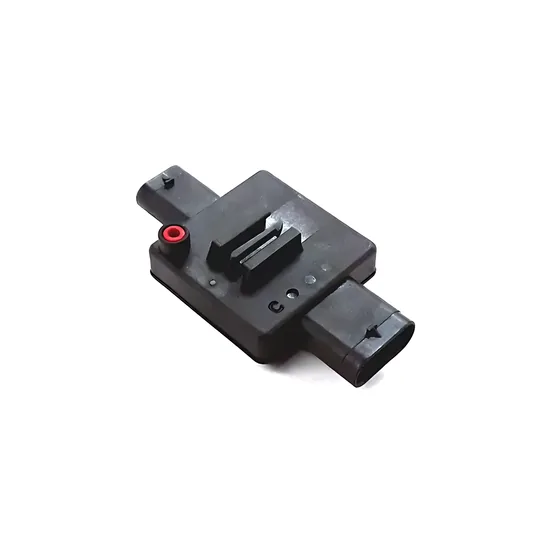
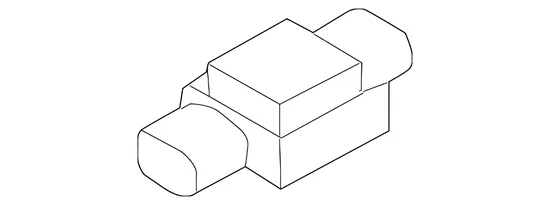
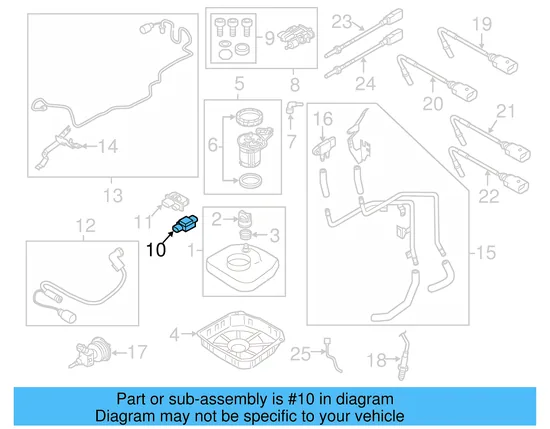


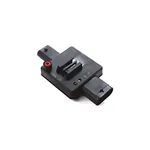
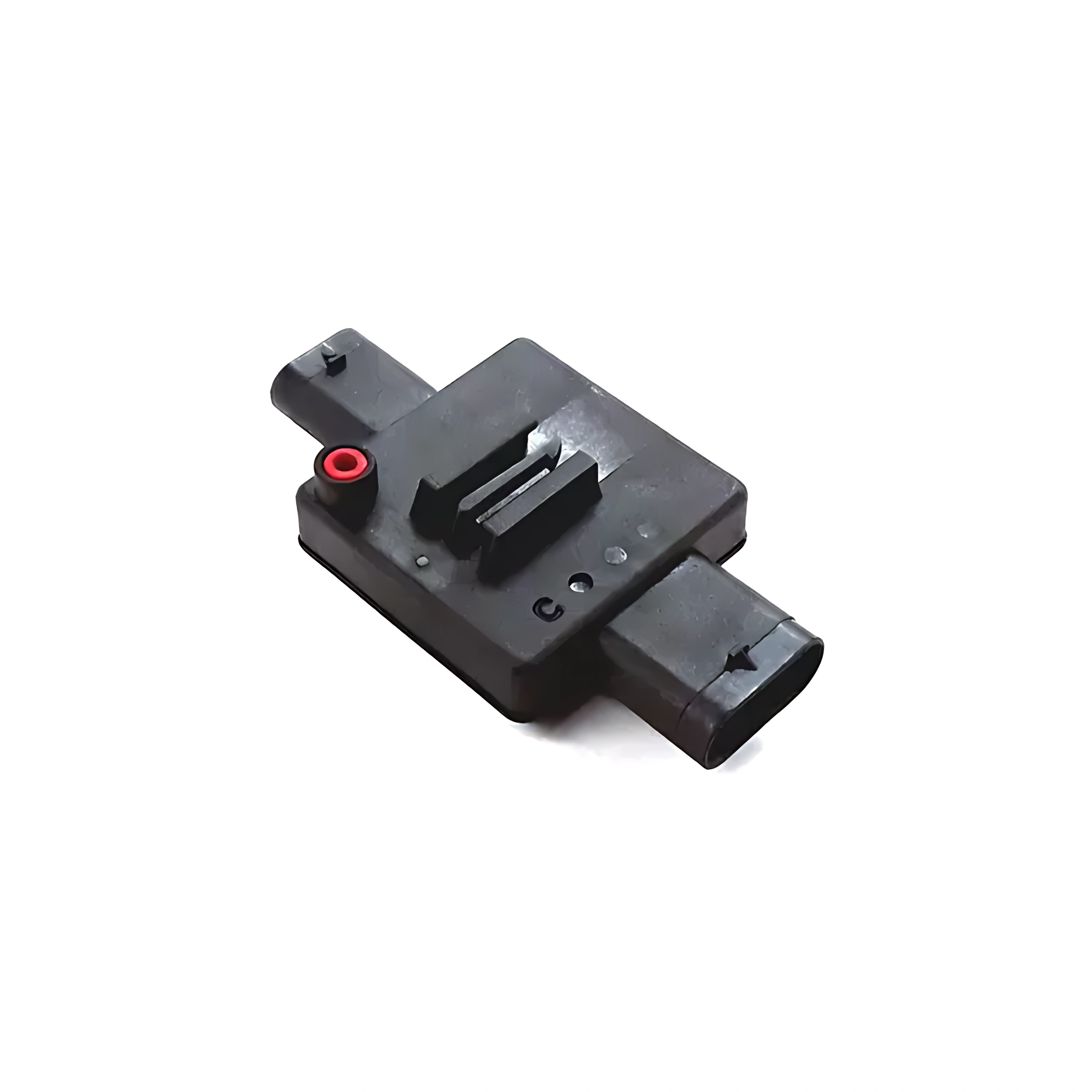
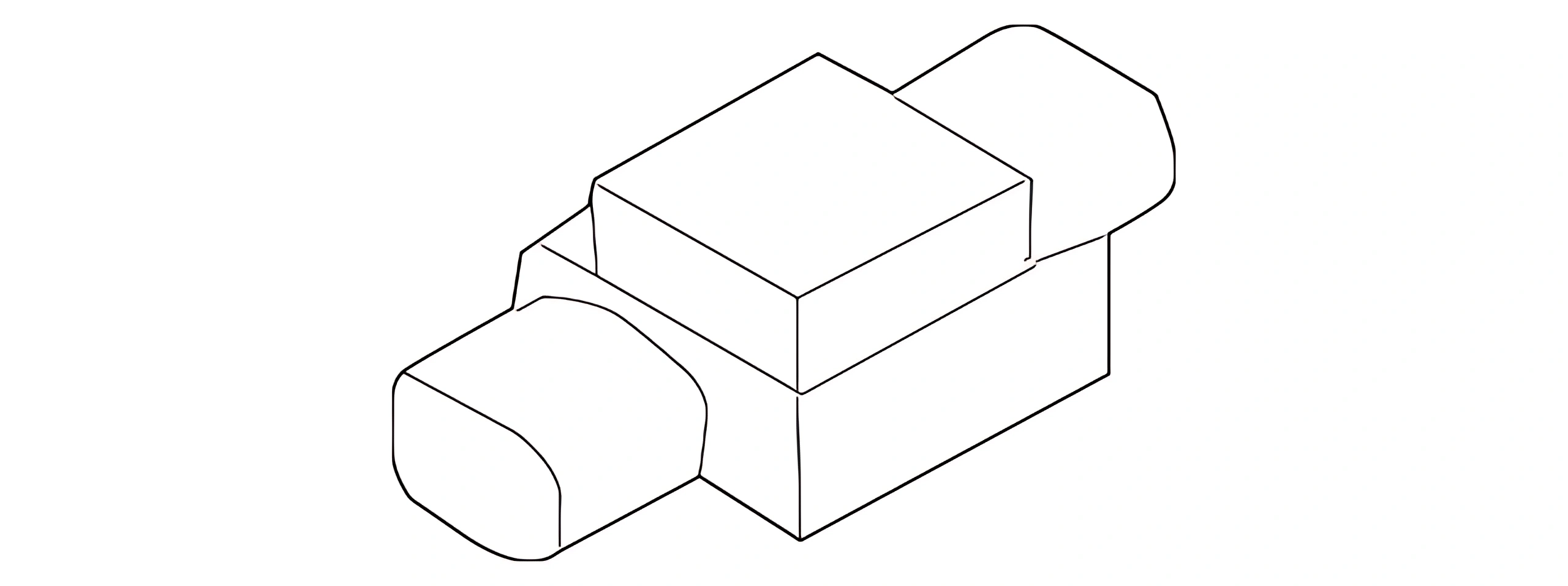
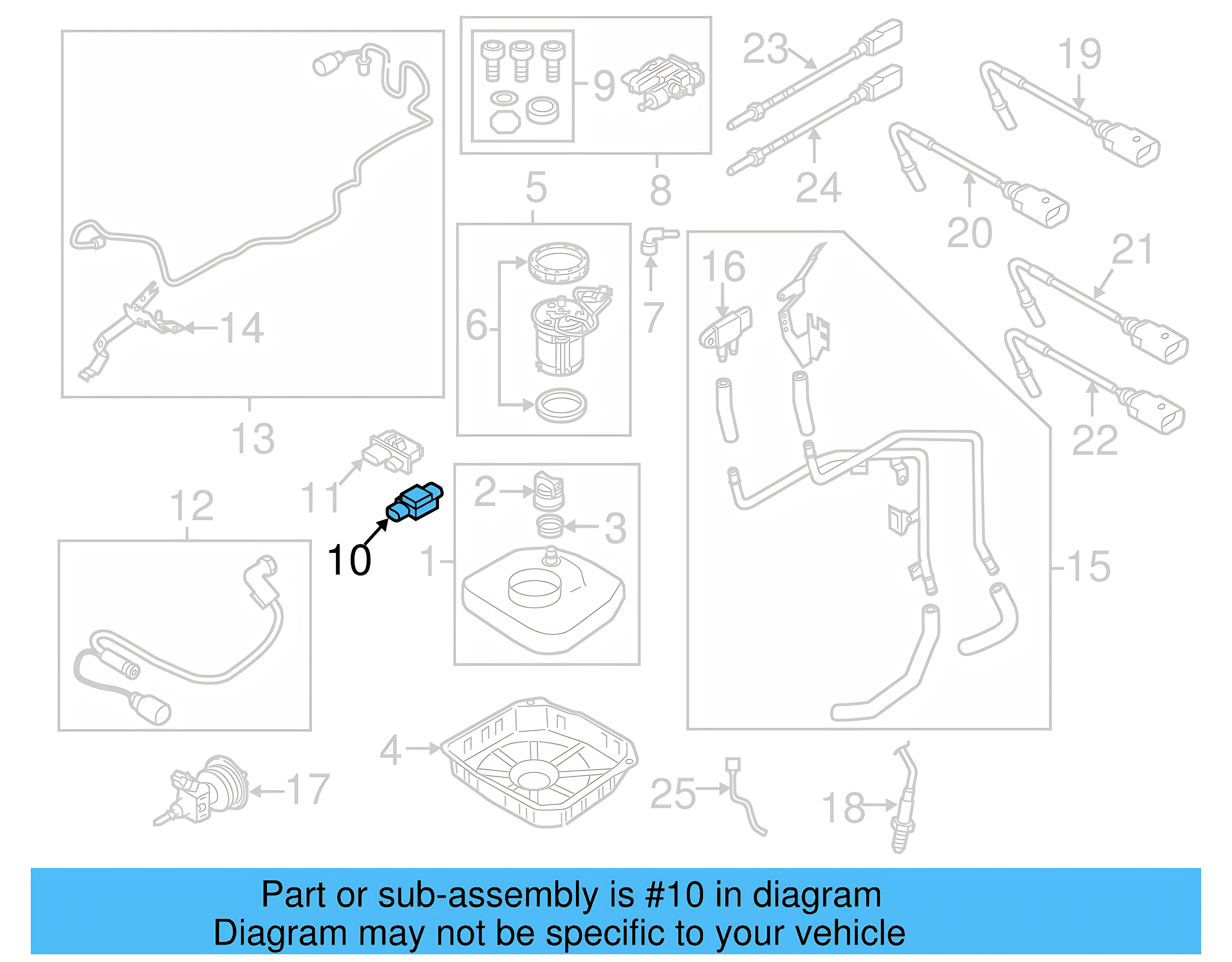
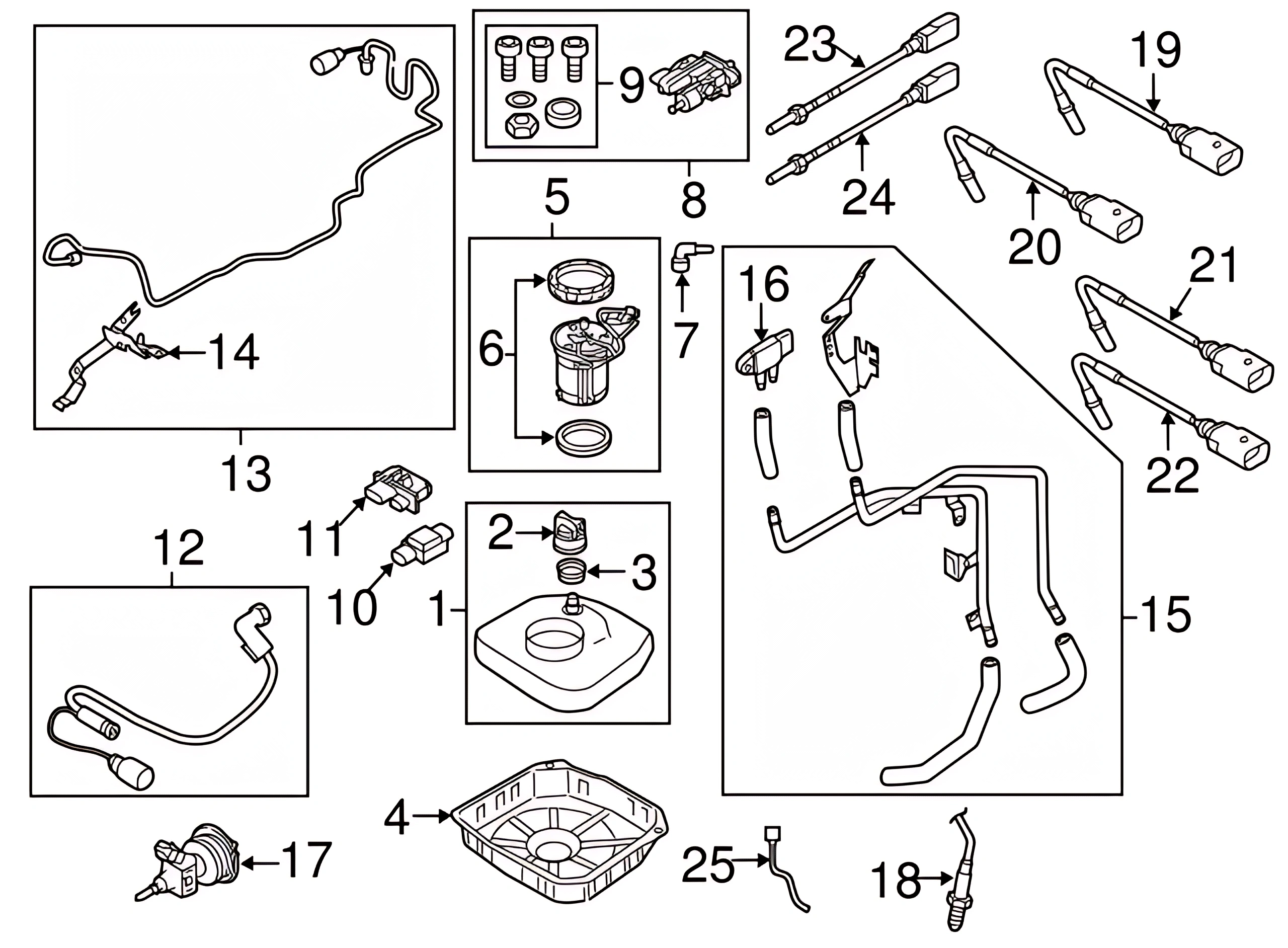
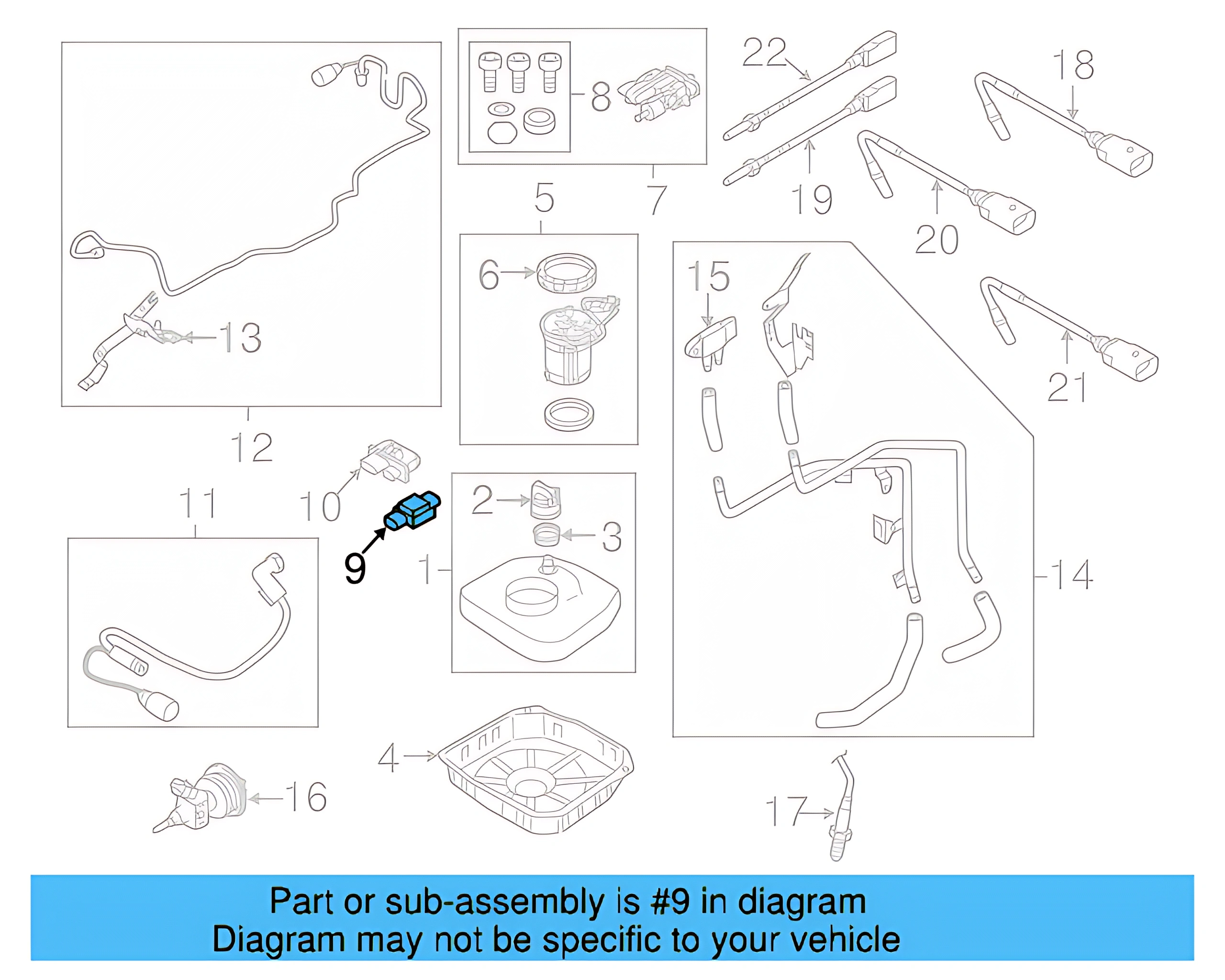
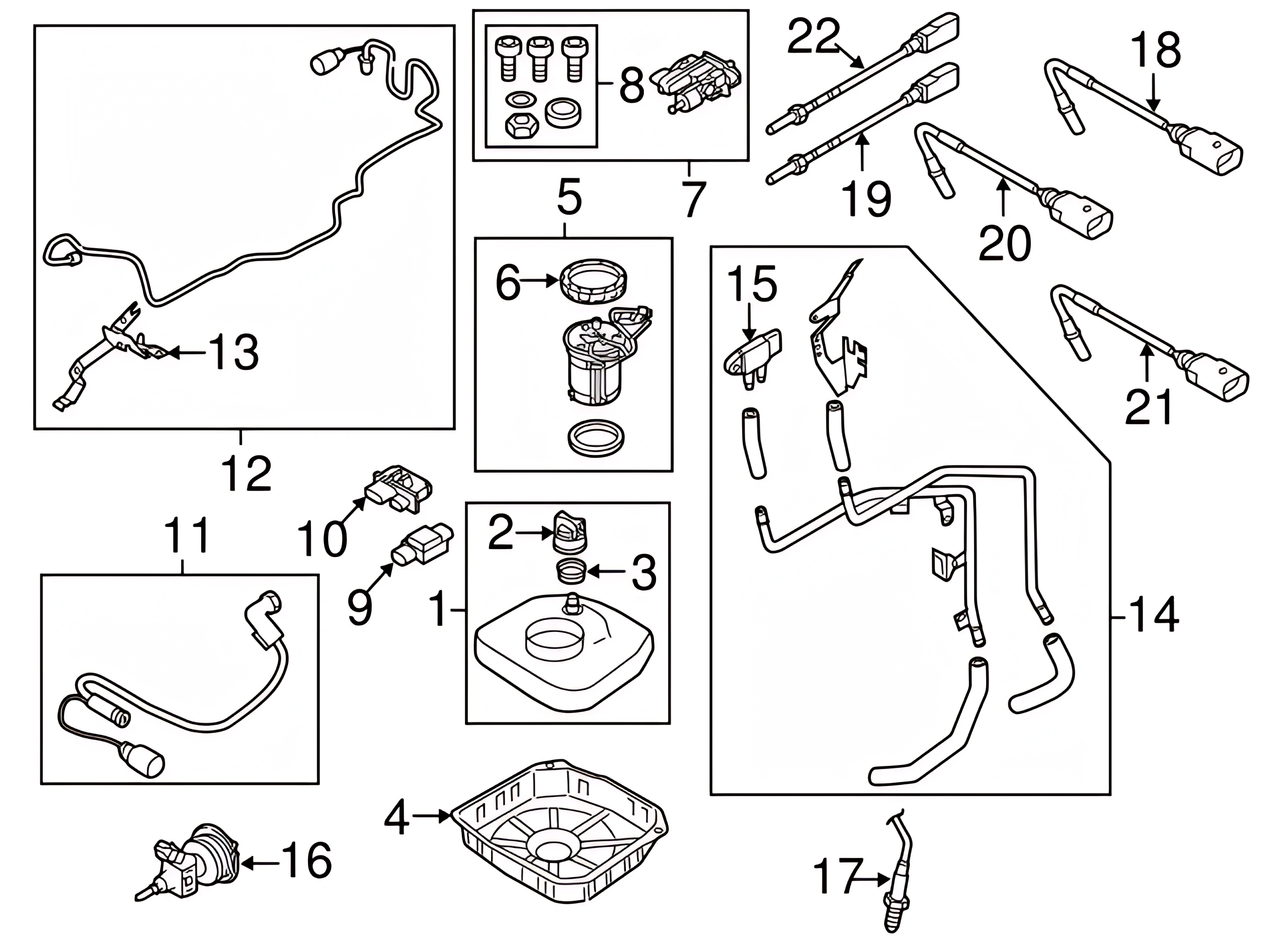
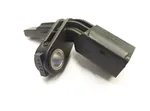
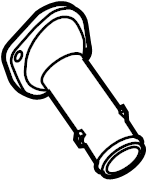
Fluid Sensor 3C0-906-651
Ignoring a faulty fluid sensor can lead to severe consequences, such as overheating, engine failure, or reduced fuel efficiency. Warning lights on the dashboard, erratic readings, or unusual noises can indicate that it’s time for replacement.
Choosing this OEM fluid sensor with part number 3C0-906-651 guarantees a reliable replacement that aligns with the original engineering standards. This ensures seamless integration into the vehicle's system, reducing the risk of performance issues associated with subpar aftermarket parts.
Доступно в магазинах 8 пропозицій
Сумісність з автомобілями 24 автомобілі
Технічні характеристики
| OEM Part Number | 3C0 906 651 |
|---|---|
| Part Type | DEF / AdBlue Level Sensor |
| System | Selective Catalytic Reduction (SCR) |
| Fluid Monitored | Diesel Exhaust Fluid (AdBlue / AUS 32) |
| Compatible Brands | Volkswagen, Audi, Škoda, SEAT |
| Compatible Models | VW Passat B7 TDI (2012–2014), VW Touareg TDI (2011–2016) |
| Material | Durable plastics and metals rated for DEF exposure |
| Electrical Connector | OEM wiring harness compatible plug |
| Dimensions | — |
| Thread Size | — |
Як замінити Fluid Sensor
Replacing the DEF level sensor is a moderately straightforward task that can be completed with basic hand tools. The sensor is located at or near the DEF tank, which is typically positioned at the rear of the vehicle adjacent to the fuel tank. Always work on a cold engine and follow all safety precautions when handling DEF fluid.
-
Prepare the Vehicle
Park on a level surface, turn off the ignition, and remove the key. Allow the engine to cool completely. Gather required tools including basic hand tools and any protective gear for handling DEF fluid.
-
Locate the DEF Tank
Access the DEF tank, typically located at the rear of the vehicle near the fuel tank. Consult the vehicle's service manual for the exact location specific to your Passat B7 or Touareg model year.
-
Remove Protective Covers or Panels
Depending on the model, remove any underbody shields, trim panels, or protective covers that block access to the DEF tank and sensor assembly.
-
Disconnect the Electrical Connector
Carefully press the release tab and unplug the wiring harness connector from the DEF level sensor. Avoid pulling on the wires themselves to prevent damage.
-
Remove the Old Sensor
Unscrew or unclip the sensor from the DEF tank according to the fastening method used on your specific vehicle. Have a rag ready to catch any residual DEF fluid.
-
Install the New Sensor
Position the new 3C0906651 sensor correctly in the DEF tank opening, ensuring it is properly aligned. Secure it by screwing or clipping it into place. Consult the factory service manual for torque specifications.
-
Reconnect the Electrical Connector
Firmly plug the wiring harness connector back onto the new sensor until it clicks securely into place.
-
Reassemble and Test
Reinstall all covers and panels removed during access. Start the vehicle and verify that the DEF level is displayed correctly on the instrument cluster and that no warning lights remain illuminated.
Ознаки зношеної деталі
-
Check Engine Light Illuminated
A failing DEF level sensor commonly triggers the Check Engine Light along with SCR or emissions-related diagnostic trouble codes stored in the ECU.
-
DEF Warning Indicator On
The dedicated DEF or AdBlue dashboard warning light may activate, displaying incorrect or no level information on the instrument cluster.
-
Inaccurate DEF Level Readings
The gauge may show erratic, stuck, or obviously incorrect DEF levels — such as reading empty when the tank is full, or fluctuating without cause.
-
Engine Limp Mode Activation
If the vehicle's ECU detects a prolonged fault in the SCR system due to a failed sensor, it may restrict engine power (limp mode) to enforce emissions compliance.
-
Increased NOx Emissions
A non-functioning level sensor can disrupt proper AdBlue dosing in the SCR catalyst, reducing NOx conversion efficiency and causing the vehicle to exceed emissions limits.
Періодичність заміни
This is a condition-based replacement part. Volkswagen does not publish a fixed replacement schedule. Replacement is driven by sensor failure, illuminated warning lights, or SCR-related fault codes confirmed via diagnostic scan.
Часті запитання
What vehicles is the 3C0906651 DEF level sensor compatible with?
This OEM sensor is confirmed to fit the Volkswagen Passat B7 TDI (2012–2014) and Volkswagen Touareg TDI (2011–2016). The part number is also shared across other VAG group vehicles including Audi, Škoda, and SEAT diesel models. Always verify compatibility using your specific VIN or engine code before ordering.
Is the aftermarket VEMO V10-68-0008 a reliable substitute for the OEM sensor?
Yes. VEMO is a well-regarded Tier-1 automotive supplier that manufactures to OE specifications. The V10-68-0008 is a validated direct replacement for 3C0906651 and is the top recommended aftermarket alternative when the OEM part is unavailable or cost is a concern.
Can I drive my car with a faulty DEF level sensor?
Short-term operation may be possible, but a faulty sensor can cause the vehicle to enter limp mode, fail emissions inspections, and improperly dose AdBlue in the SCR system. It is strongly recommended to diagnose and replace the sensor promptly to avoid further drivetrain or emissions system complications.
Do I need a scan tool after replacing the DEF level sensor?
Yes. After installation, a VAG-compatible diagnostic tool such as VCDS (VAG-COM) should be used to clear any stored DEF or SCR-related fault codes and confirm the new sensor is reading correctly. In some cases, fault codes will not clear automatically without a manual reset.
Why does the part number appear identical across multiple aftermarket brands?
Many aftermarket suppliers — including FISPA, HITACHI, MEAT & DORIA, HERTH+BUSS ELPARTS, and SIDAT — reference the OEM part number (3C0 906 651) directly in their catalogues rather than assigning a unique number, indicating a direct-fit replacement. VEMO is the exception, assigning its own internal part number V10-68-0008 to the same application.
How do I confirm this is the correct sensor before purchasing?
Cross-reference your vehicle's VIN with a VW parts catalogue or dealer parts lookup system. Confirm your model year, engine code (e.g., CJAA, CKRA), and that your vehicle is equipped with an SCR/AdBlue system. Not all TDI variants across all years use this exact sensor, so VIN-based verification is the safest approach.
Знайшли помилку?
Допоможіть нам стати кращими — якщо ви помітили помилку на сайті або в даних, повідомте нас, і ми виправимо її якнайшвидше.