
 UK
UK
 Deutsch
 English
 polski
 русский
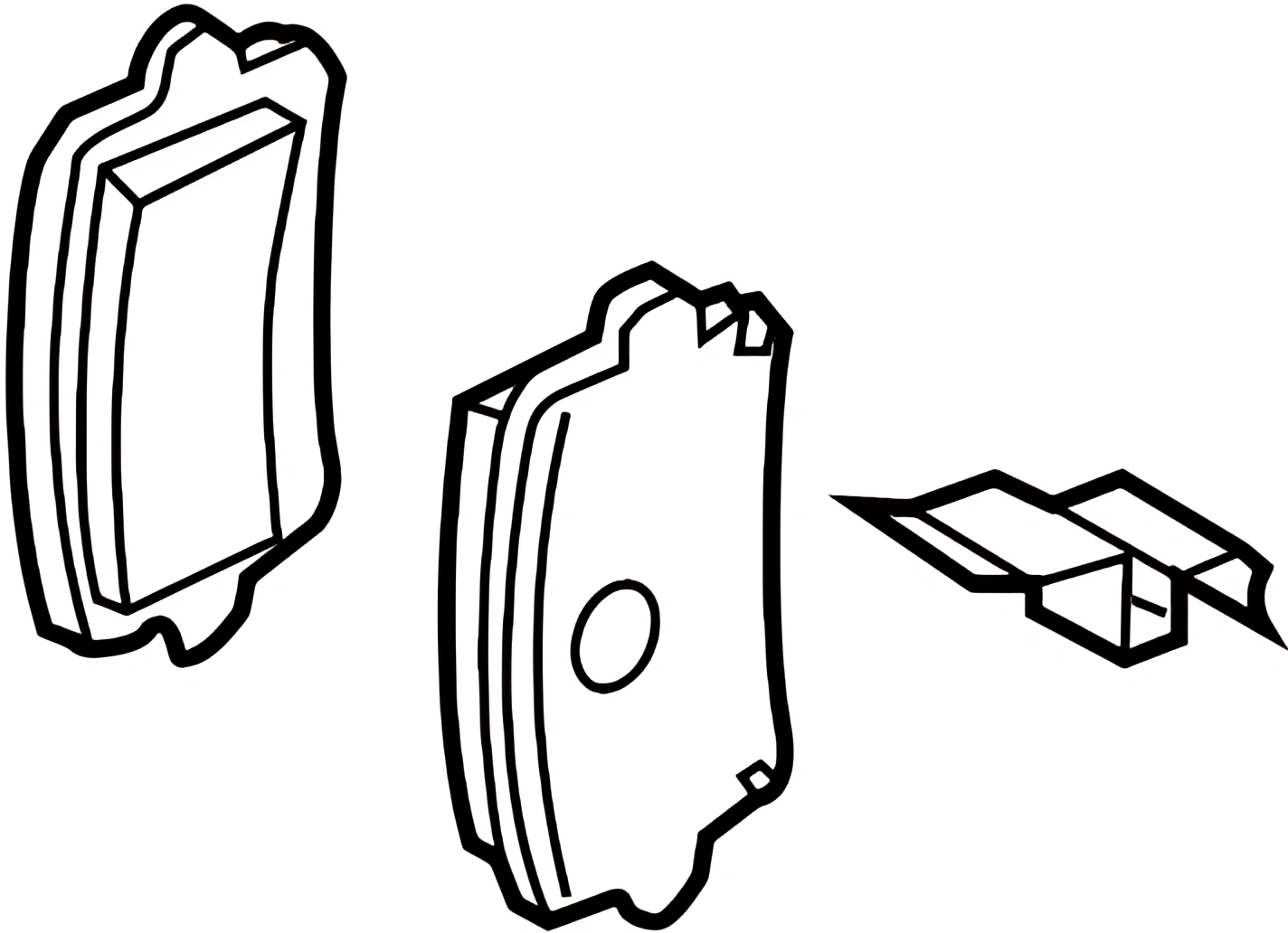
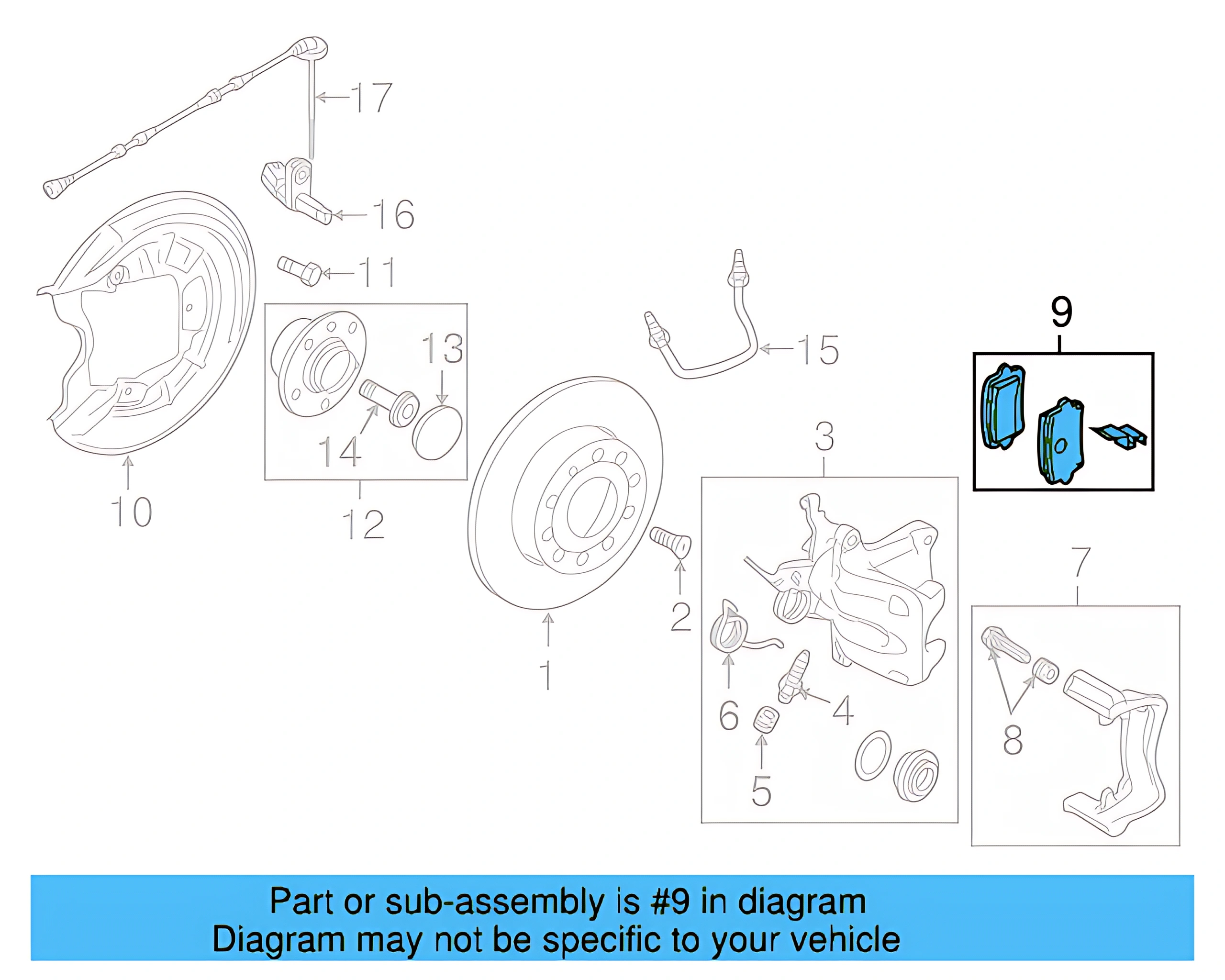
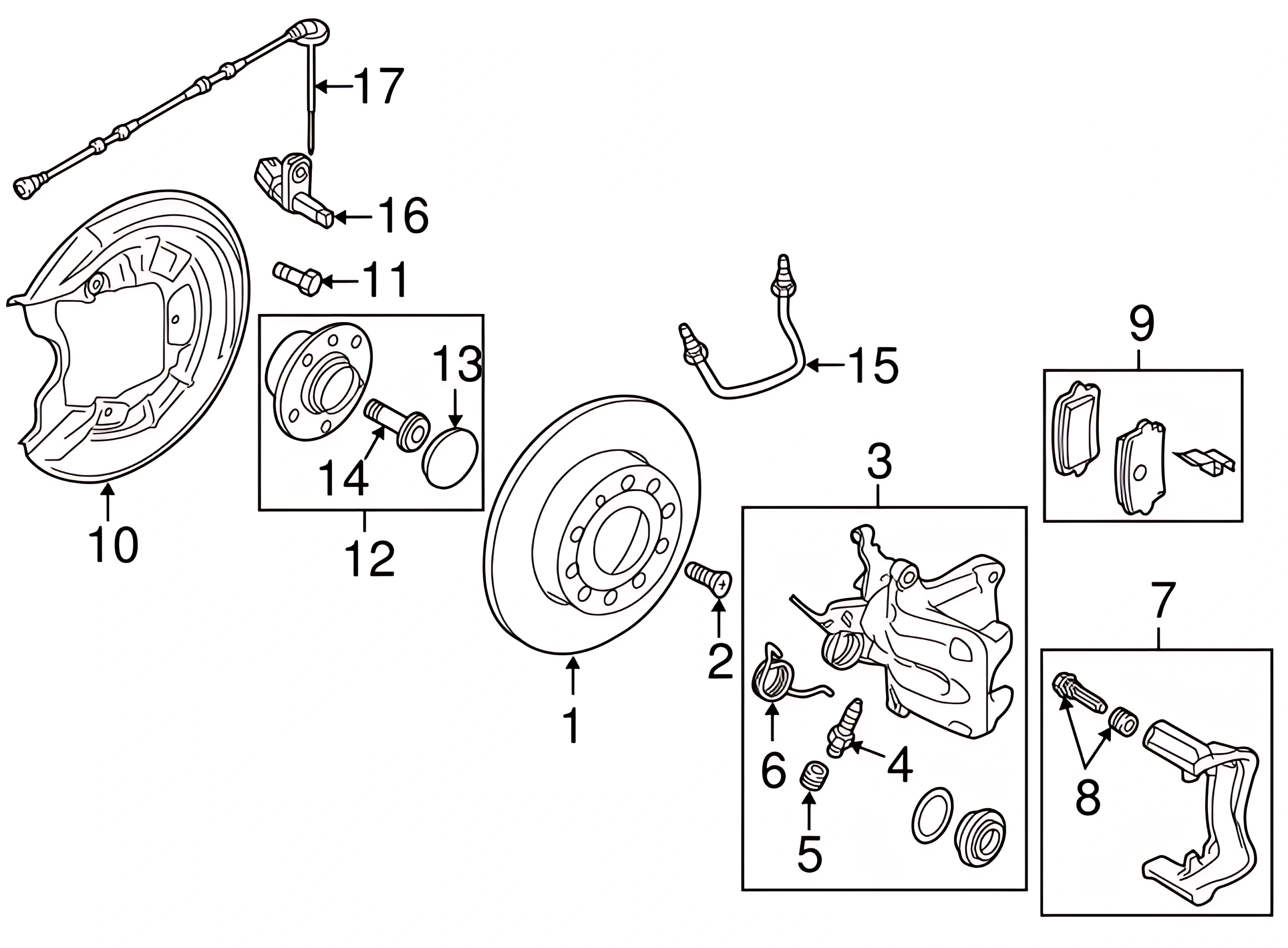
Brake Pads Rear 5C0-698-451-D
Neglecting to replace worn brake pads can lead to decreased braking efficiency and longer stopping distances. Drivers may notice squeaking or grinding noises, vibrations, or a soft brake pedal. These signs indicate that the pads are worn down and should be replaced promptly to avoid further damage to the brake system.
Choosing an OEM brake pad with part number 5C0-698-451-D guarantees a reliable fit and performance, as it aligns with manufacturer specifications. This ensures optimal braking response and reduces the risk of encountering issues associated with inferior aftermarket options.
Доступно в магазинах 5 пропозицій
Сумісність з автомобілями 386 автомобілів
Технічні характеристики
| OEM Part Number | 5C0-698-451-D |
|---|---|
| Official Part Name | Brake Lining |
| Position | Rear Axle |
| Pad Width | 87 mm |
| Pad Height | 53 mm |
| Pad Thickness | 17.2 mm |
| Compatible Rotor Diameter | 272 mm |
| Wear Indicator | Not equipped for wear warning indicator |
| Friction Material | Semi-metallic or ceramic compound bonded to steel backing plate |
| Brand Group | Volkswagen Group OEM |
Як замінити Brake Pads Rear
Replacing the rear brake pads on a VW Group vehicle is a straightforward DIY task with the right tools. The following steps apply to vehicles using the 5C0-698-451-D pad set with 272mm rear rotors. Always consult your specific vehicle's service manual for torque specifications and model-specific procedures before beginning.
-
Prepare the Vehicle
Park on a level surface and engage the parking brake. Loosen the rear wheel lug nuts slightly before lifting the vehicle. Raise the rear of the vehicle with a floor jack and secure it on jack stands. Remove both rear wheels.
-
Remove the Brake Caliper
Locate the rear brake caliper on the rotor. Remove the caliper mounting bolts and carefully slide the caliper off the rotor. Hang the caliper from the suspension or frame using a wire hook or bungee cord — never let it hang by the brake hose.
-
Remove the Old Brake Pads
Slide the old brake pads out of the caliper bracket. Note the orientation of any anti-rattle clips or shims before removal. Inspect the caliper bracket sliding pins and clean any corrosion or brake dust from the pad contact surfaces.
-
Inspect Rotors and Hardware
Visually inspect the 272mm rear rotors for deep scoring, cracking, or excessive wear. Measure rotor thickness if in doubt. Replace any worn anti-rattle hardware or caliper slide pin boots as needed before installing new pads.
-
Prepare and Install New Brake Pads
Apply a thin layer of high-temperature brake grease to the back of each new brake pad (metal backing plate only — never on the friction surface). Install the new pads into the caliper bracket, ensuring correct inner and outer pad orientation.
-
Compress the Caliper Piston
Use a suitable caliper piston wind-back tool to retract the rear caliper piston, which threads back in rather than pressing straight in on most VW rear calipers. Open the brake fluid reservoir cap first to relieve pressure and monitor fluid level during compression.
-
Reinstall the Caliper and Wheels
Slide the caliper back over the new brake pads and onto the bracket. Thread in the caliper bolts and tighten to the manufacturer's specified torque (refer to your service manual). Reinstall the wheels and hand-tighten the lug nuts.
-
Final Checks and Bed-In
Lower the vehicle and torque wheel lug nuts to 88–96 ft-lbs (120–130 Nm) or as specified for your model. Pump the brake pedal firmly several times until it feels solid. Check the brake fluid level and top off if necessary. Perform a gentle bed-in procedure before hard braking.
Ознаки зношеної деталі
-
Squealing During Braking
High-pitched squealing when applying the brakes is one of the earliest signs of worn rear brake pads. Since these pads lack a wear indicator sensor, audible squeal from metal-on-metal contact is a primary warning sign.
-
Grinding or Scraping Noise
A grinding or harsh metallic scraping sound during braking indicates the friction material has worn completely through and the steel backing plate is contacting the rotor, causing rotor damage and severely reduced braking.
-
Increased Stopping Distance
If the vehicle takes noticeably longer to stop or the brake pedal requires more pressure than usual, friction material may be worn below effective thickness, reducing clamping force at the rear axle.
-
Vehicle Pulling During Braking
Uneven pad wear between the left and right rear can cause the vehicle to pull to one side under braking. This often indicates one side has worn faster due to a sticking caliper or uneven pad seating.
-
Visible Pad Thickness Below 2–3mm
During routine inspection through the wheel spokes, if the visible brake pad friction material appears very thin (at or below 2–3mm), replacement is required immediately regardless of noise symptoms.
-
Brake Dust Buildup or Vibration
Excessive brake dust accumulation on the rear wheels or a pulsating brake pedal during stopping can indicate uneven pad wear, glazed friction material, or a failing pad that has begun to delaminate from the backing plate.
Періодичність заміни
These intervals are general guidelines based on VW service recommendations. Actual pad life varies significantly with driving style, load, terrain, and climate. Because the 5C0-698-451-D pads are not equipped with an electronic wear warning indicator, owners must rely on scheduled visual inspections to determine replacement timing.
Часті запитання
Is 5C0-698-451-D the correct and current OEM part number for my VW?
Yes — the 'D' suffix indicates this is the latest revision in the 5C0-698-451 series, superseding all earlier variants (bare, A, B, C) as well as 5Q0-698-451-E. Always confirm fitment using your vehicle's VIN, as compatibility is specific to models equipped with 272mm rear brake rotors.
Will these brake pads alert me when they are worn out?
No. The 5C0-698-451-D pads are not prepared for a wear warning indicator (no sensor tab or slot). You will not receive a dashboard warning light when pads are low. Rely on scheduled visual inspections every 10,000 miles and listen for grinding or squealing noises as wear indicators.
Do I need a special tool to install these rear brake pads?
Yes. VW rear brake calipers typically use a screw-type (wind-back) piston rather than a simple press-in piston. A caliper piston wind-back tool is required to retract the piston while rotating it clockwise. Attempting to compress the piston with a C-clamp alone will damage the piston threads.
Can I use these pads on the front axle?
No. The 5C0-698-451-D is specifically sized (87mm x 53mm x 17.2mm) for the rear axle position on vehicles with 272mm rear rotors. Front brake pads for VW Group vehicles use different part numbers, are larger, and are not interchangeable with this set.
What vehicles are compatible with part number 5C0-698-451-D?
Compatible vehicles include the VW Beetle (2011–2018), VW Golf and GTI (with 272mm rear rotors), VW Jetta and Jetta Wagon (272x10mm rear rotors), VW Passat sedan (multilink suspension, 272mm), VW Eos (non-R models from November 2009 onward), and Audi A3 2.0L FWD (with 272mm rear rotors). Always verify with your VIN for exact fitment.
Should I replace rotors at the same time as these brake pads?
Not necessarily. If the 272mm rear rotors are within minimum thickness specification, show no deep scoring, cracking, or heat damage, they can be reused. However, if rotors are worn, grooved, or at minimum thickness, replacing pads and rotors together as a matched set will provide optimal braking performance and maximize pad life.
Знайшли помилку?
Допоможіть нам стати кращими — якщо ви помітили помилку на сайті або в даних, повідомте нас, і ми виправимо її якнайшвидше.